
Whether you’re a regular gym rat or you’ve mustered up new motivation to hit the gym, kudos to you! Regular exercise is critical for physical health and mental well-being.
That said, the gym introduces an added layer of complexity for those who carry a firearm for personal protection. Gym clothes are typically tight, minimal, and don’t have a sturdy belt line or useful pockets—a combination that can turn concealed carry into a nightmare.
So how do you stay prepared without looking like you’re smuggling a cinderblock under your compression shirt? Let’s look at the practical options for carrying a firearm during your workout.
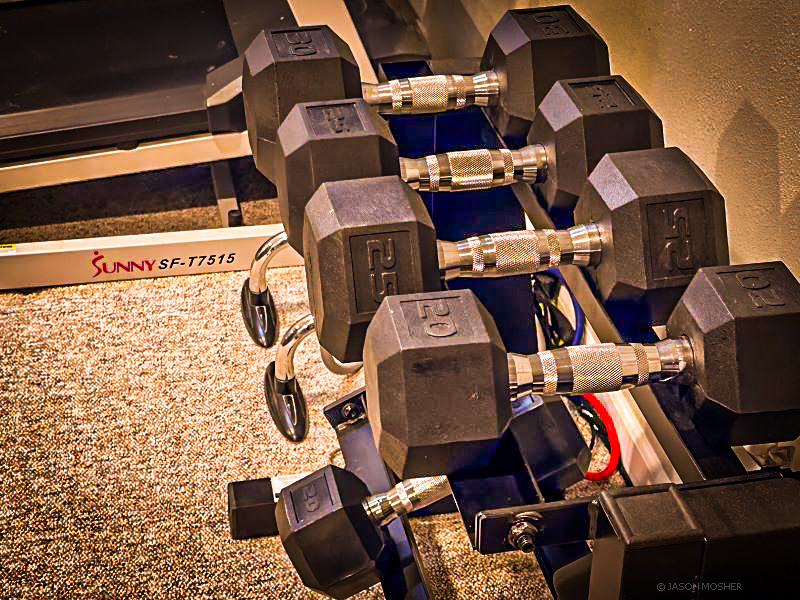
Why carry at the gym?
Before we get into the “how,” it’s worth addressing the “why.” Some of the most horrific acts of violence take place where they are least expected. Most people aren’t expecting a threat during their morning cardio, and that is exactly why “soft targets” like gyms can be vulnerable.
Criminals do not announce their plans, and as Benjamin Franklin famously said, “By failing to prepare, you are preparing to fail.” Being proactive about self-defense is a lifestyle that doesn’t stop at the gym doors.
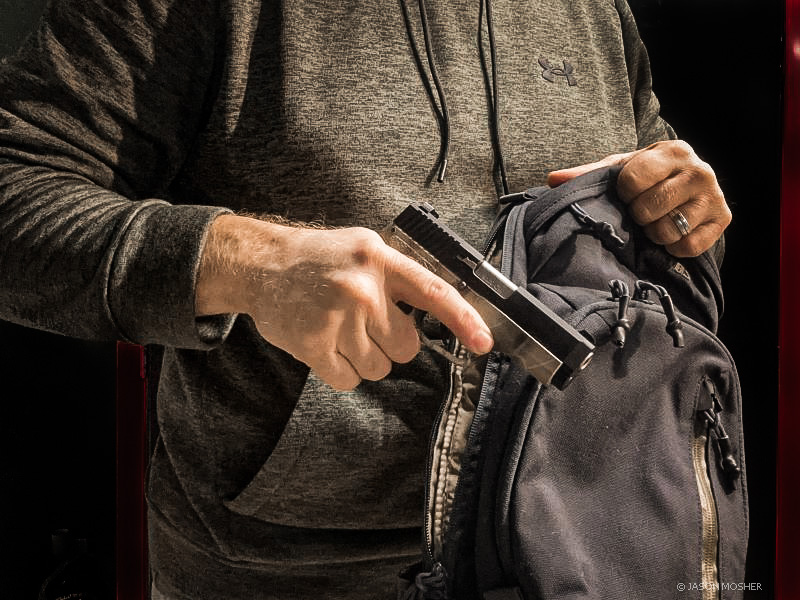
Option 1: The Off-Body Gym Bag
Many people use gym bags because they’re easy to carry everything needed to get ready for work after exercising. You may want to carry a towel, water bottle, headphones, or other gear with you. A gym bag is a good option for that type of gear.
When it comes to carrying a gun in your gym bag, however, there are a few things to think about.
Can you carry a gun in a duffel bag or a Backpack?
First, where in the bag will you keep your gun? Tossing a loaded gun into a bag full of gym gear is not safe or ideal. You will want something that has a dedicated pocket or compartment that will keep the gun from sliding around with everything else in the bag.
Brands like Vertx (such as the Contingency Duffle) or Viktos (CCW Slingbag) offer bags with Velcro-lined interiors.
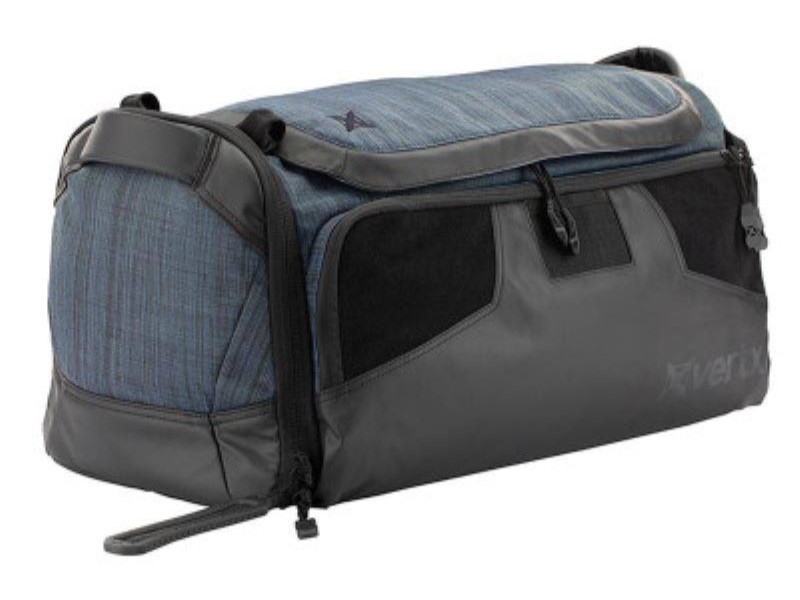
Keep the bag with you at all times
Another thing to consider when using a gym bag for your handgun is reaction time. If you carry in a bag, keep it within arm’s reach at all times. Don’t leave it in your gym locker, as that would defeat the purpose.
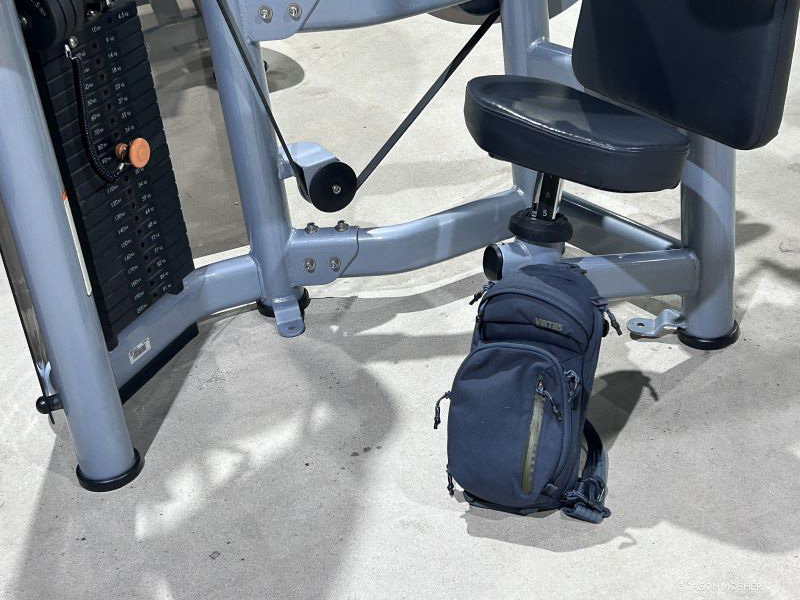
Keep the access area close to you and be aware of where the gun’s access compartment is. This way, if something does happen, it minimizes the time it will take for you to grab your handgun.
Option 2: The belly band holster
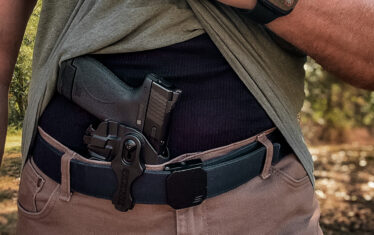
If you want the gun on your person without wearing a belt, the belly band is a popular choice. If you haven’t heard of this type of holster, it’s basically an elastic band that goes around your waist and has a built-in holster.
Pros: When it comes to a quick response, this type of holster is excellent. You can move the belt around to position the gun wherever you want, but it works great for appendix carry.
Smaller guns are easier to conceal, obviously, so you’ll need to experiment with your belly band and gym clothing combination.
I use the BravoBelt which has room for a small handgun, extra mag, and even a knife or cell phone. The small elastic pockets are good at keeping things in place, but they are not a replacement for a good holster with some type of retention. For me, this is a belt to use only when I cannot carry my standard holster.
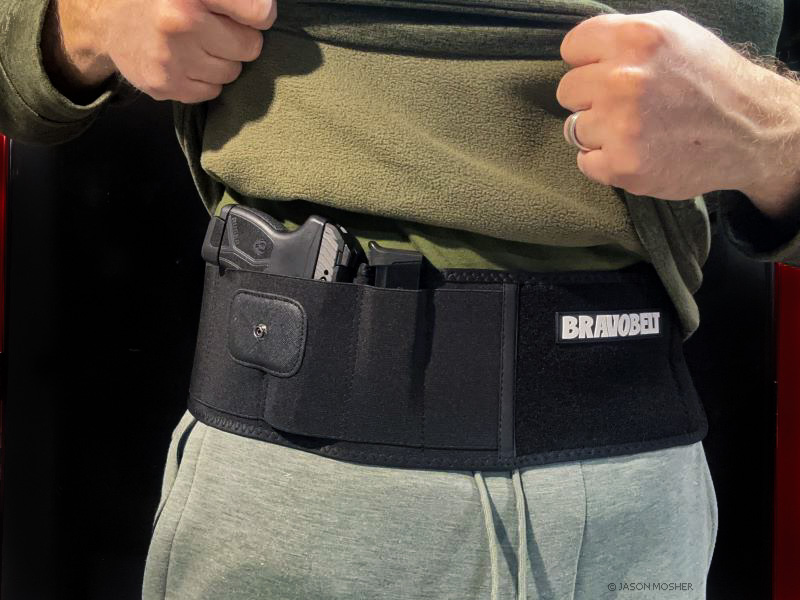
Cons: Heat and sweat. Salt is incredibly corrosive to firearm finishes. If you use this method, you must be diligent about cleaning and oiling your slide to prevent rust.
Also, it can get in the way of some workouts, so pay attention to what type of equipment and workouts you plan to do.
Option 3: The Fanny Pack
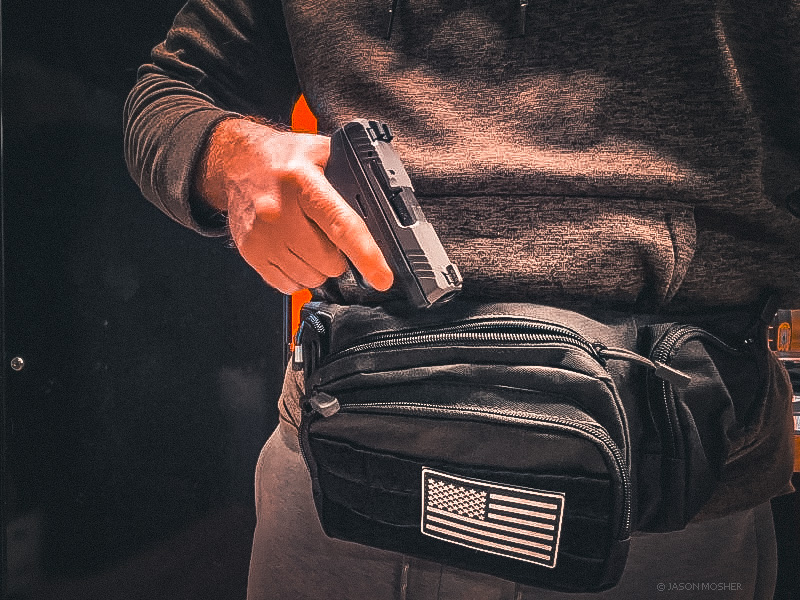
The fanny pack has made a massive comeback in the CCW world. While it may have once been a “dad fashion” staple, modern versions from Blackhawk or Elite Survival Systems are designed specifically for rapid draw.
A good fanny pack with a built-in holster is perfect for jogging and working out. With this type of holster, you eliminate the need to cover up a gun like you do with the belly band. But you also have the gun on you, which provides faster access than a bag.
Other Considerations for Concealed Carry at the Gym
Beyond choosing a carry method, there are additional factors to keep in mind.
Maintenance
One thing is the maintenance of your handgun. If you carry your handgun in a belly band holster, it’s more than likely going to get sweaty. Keep your gun cleaned and oiled to make sure it will function when you need it.
Size of Your Gun
If you do not have a compact handgun, you may want to consider one. I am a fan of carrying the largest size gun you can while concealing it, but in the gym, a larger size gun is just hard to do. Not impossible, but hard.
Training
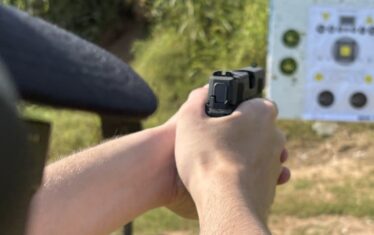
You also want to consider your firearms training when carrying a gun to the gym. It’s easy to forget to take your belly band holster, bag, or fanny pack to the range, but drawing from an elastic band or a zippered pouch is a specific skill. Incorporate these carry methods into your dry-fire and range practice.
Final Thoughts
Concealed carry at the gym requires balancing preparation with practicality. Whether you choose a Viktos sling bag for your FN Reflex or a fanny pack for your IWI Masada M, the key is finding what works best for you.
Going to the gym takes dedication—and so does carrying a firearm. We do both because we want to stay healthy, capable, and safe.