

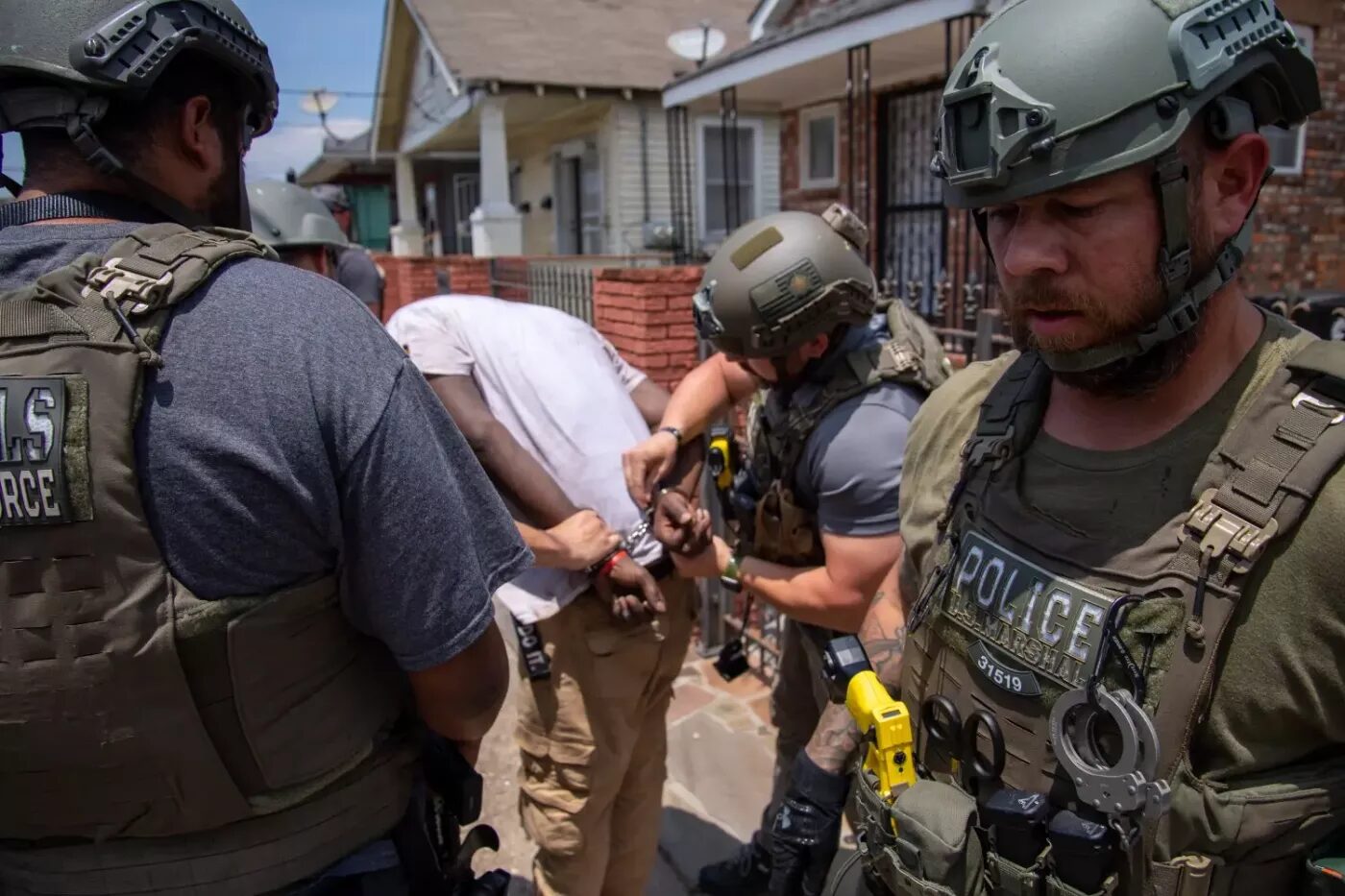
The U.S. Marshals Service was born out of the Judiciary Act of 1789, which established the federal court system and created the office of the U.S. Marshal in each judicial district. President George Washington appointed the first 16 Marshals, entrusting them with an array of responsibilities that reflected the needs of a young republic. Their duties included serving subpoenas, managing prisoners, disbursing funds, and even conducting the first national census in 1790.
In these early years, Marshals were the federal government’s boots on the ground, ensuring that the authority of the courts was respected. Unlike later agencies with specialized missions, the Marshals were generalists, tasked with whatever duties were necessary to uphold federal law. Their presence symbolized the federal government’s reach into communities across the nation.
Guardians of the Frontier
As the United States expanded westward, the Marshals became synonymous with law and order in the frontier territories. In regions where local authority was weak or nonexistent, deputy marshals enforced federal law against outlaws, bandits, and fugitives.
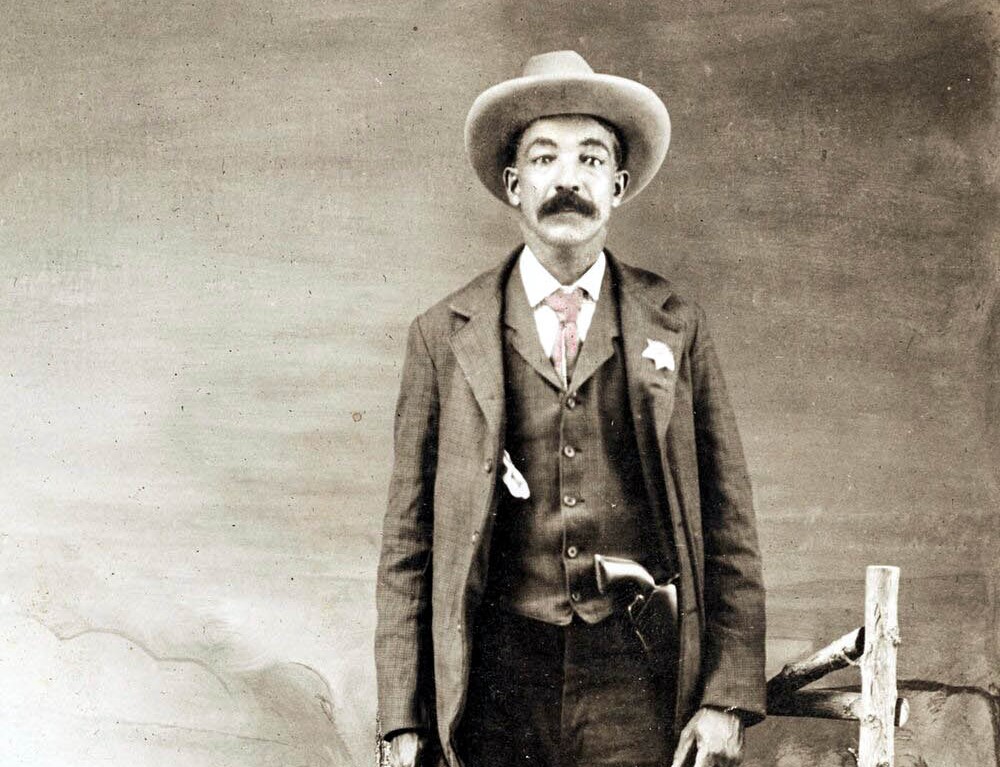
One of the most legendary figures of this era was Bass Reeves, among the first Black deputy U.S. marshals west of the Mississippi. Reeves was renowned for his courage, resourcefulness, and ability to track fugitives across vast and hostile landscapes. Over his career, he arrested thousands of criminals, often venturing alone into dangerous territory. His story has become emblematic of the Marshals’ frontier grit. He is often cited as an inspiration for the Lone Ranger.
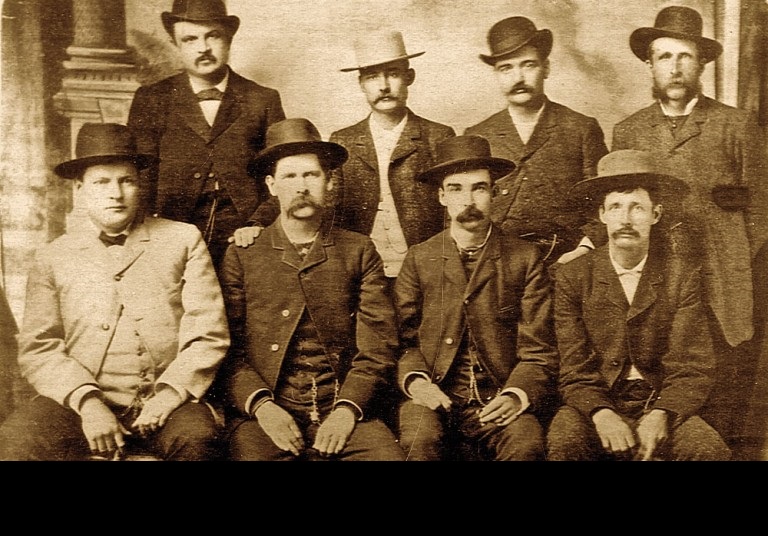
Wyatt Earp, famed as a frontier sheriff, also served as a deputy U.S. marshal, tying his legacy to the federal tradition of enforcing law and order in the Old West.
The Marshals’ work in the Old West was not glamorous. They transported prisoners, broke up gangs, and ensured federal authority in places where it was contested. Yet their role in taming lawless lands cemented their reputation as guardians of justice on the frontier, a legacy that continues to shape their identity.
Civil War and Reconstruction
During the Civil War, Marshals enforced wartime measures, including confiscating property from Confederate sympathizers and ensuring compliance with federal directives. Their role extended beyond traditional law enforcement, reflecting the government’s reliance on them as versatile agents of federal authority.
In the aftermath of the war, during Reconstruction, marshals were tasked with upholding laws designed to protect newly freed African Americans. They enforced civil rights legislation and supported federal efforts to stabilize the South. This period highlighted the Marshals’ dual role: not only as enforcers of criminal law but also as agents of political and social transformation during one of the nation’s most volatile eras.
Defenders of Civil Rights
The Marshals’ commitment to enforcing federal authority was tested again during the Civil Rights Movement of the 1950s and 1960s. As the nation grappled with desegregation, marshals were called upon to enforce court orders mandating integration in schools and public institutions.
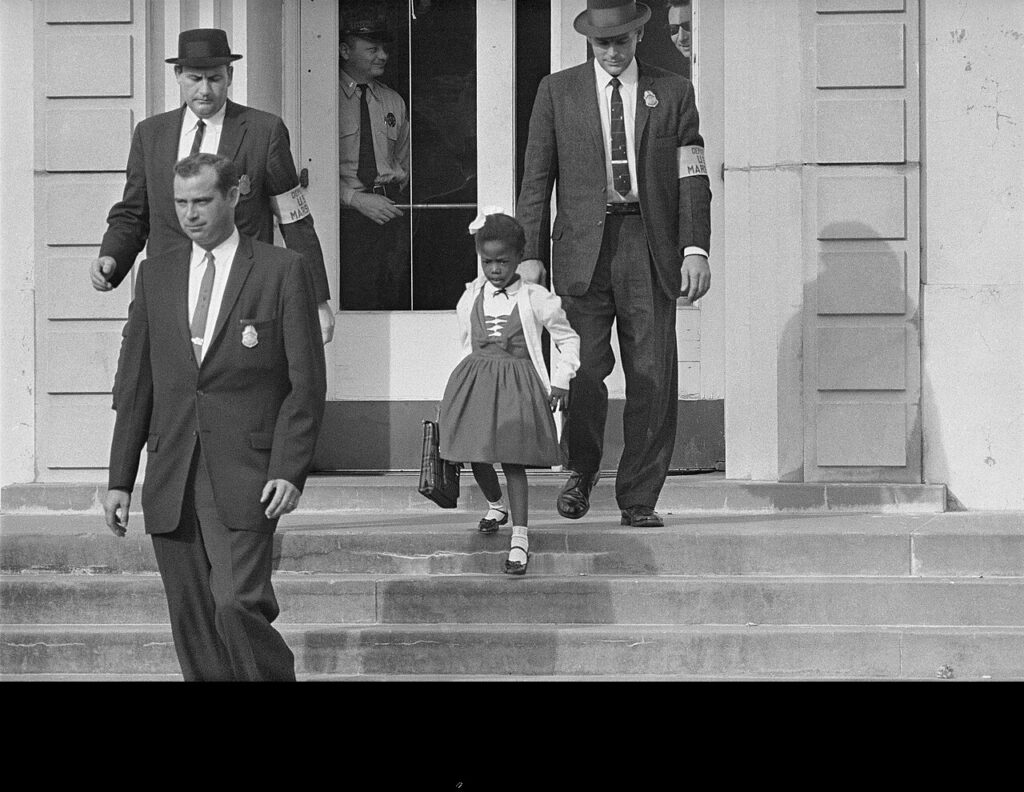
In November 1960, U.S. Marshals escorted six-year-old Ruby Bridges into William Frantz Elementary School in New Orleans, making her the first Black child to integrate an all‑White elementary school in the South. Surrounded by angry crowds, the Marshals ensured her safety each day, symbolizing the federal government’s resolve to uphold the Supreme Court’s Brown v. Board of Education ruling. Bridges’ courage and the Marshals’ protection turned a simple walk to school into an iconic moment of the Civil Rights Movement.
Another iconic moment came in 1962, when U.S. Marshals escorted James Meredith, the first Black student to enroll at the University of Mississippi. Their presence amid violent riots underscored the federal government’s determination to uphold civil rights. Marshals also protected activists, enforced voting rights, and ensured compliance with landmark Supreme Court rulings.
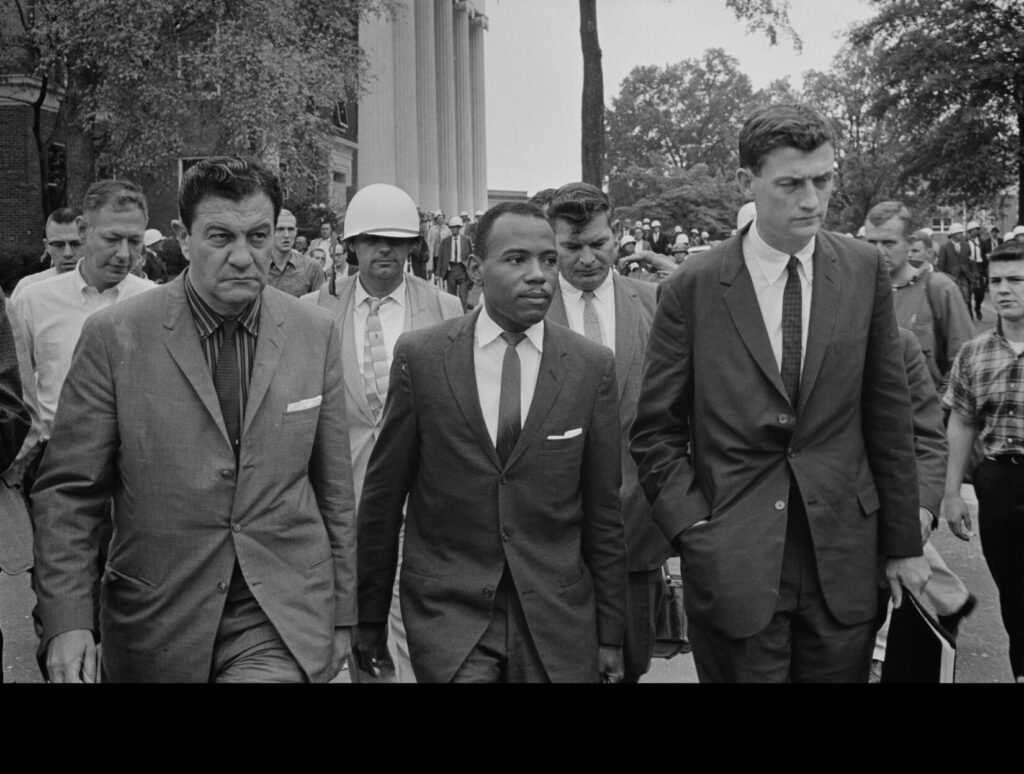
This era reinforced the Marshals’ role as defenders of constitutional rights, even in the face of entrenched local opposition. Their actions during the Civil Rights Movement remain a defining chapter in their history.
Formalization of the U.S. Marshals Service
Although marshals had existed since 1789, the United States Marshals Service (USMS) as a formal agency was established in 1969 under the Department of Justice. This reorganization gave the Marshals a clearer identity and centralized leadership, allowing them to adapt to modern challenges.
Their mission expanded to include several high-profile responsibilities:
- Fugitive apprehension: The Marshals lead the nation’s fugitive task forces, capturing thousands of dangerous criminals annually.
- Witness protection: The Witness Security Program, created in 1970, became one of the Marshals’ most famous responsibilities, safeguarding individuals who testify against organized crime.
- Judicial security: Marshals protect federal judges, court personnel, and facilities, ensuring the integrity of the justice system.
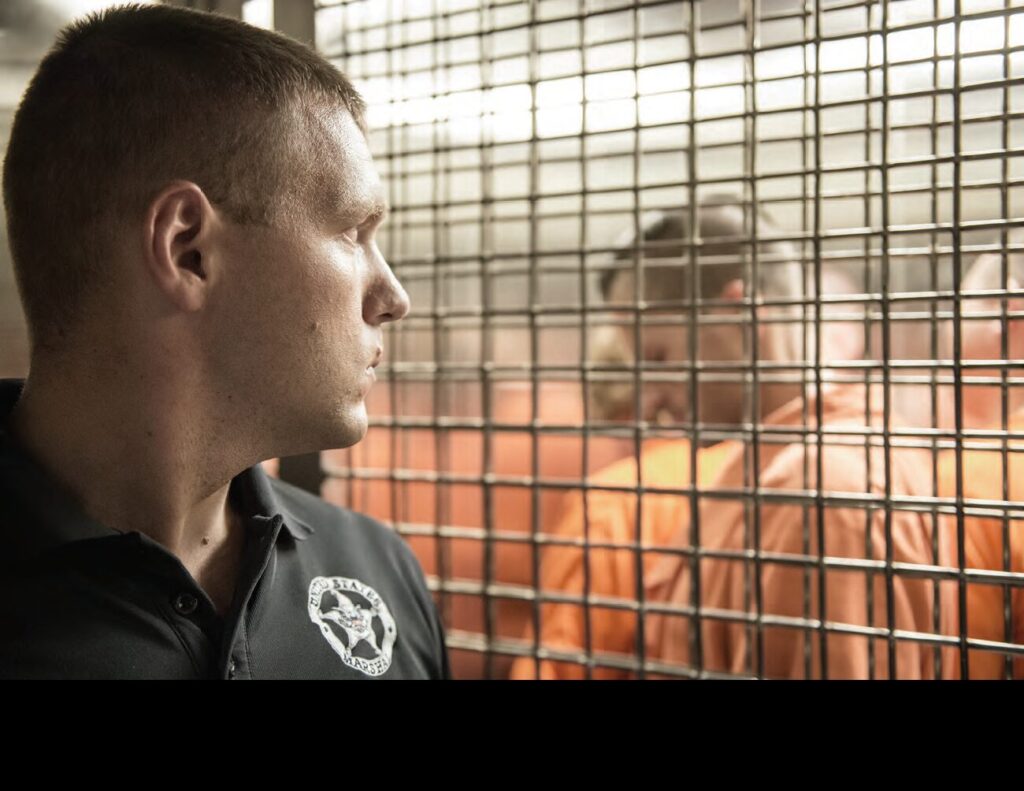
- Prisoner transport: Through the Justice Prisoner Air Transportation System, nicknamed “Con Air,” the Marshals manage the movement of tens of thousands of prisoners across the country each year.
This formalization marked the Marshals’ transition from a loosely defined role into a modern, professional law enforcement agency.
The Digital Age and Global Reach
In the 21st century, the U.S. Marshals Service has faced new challenges that extend beyond its traditional duties of fugitive apprehension, judicial security, and prisoner transport. Increasingly, their work intersects with cyberspace and international crime, reflecting the complex nature of law enforcement in a globalized world.
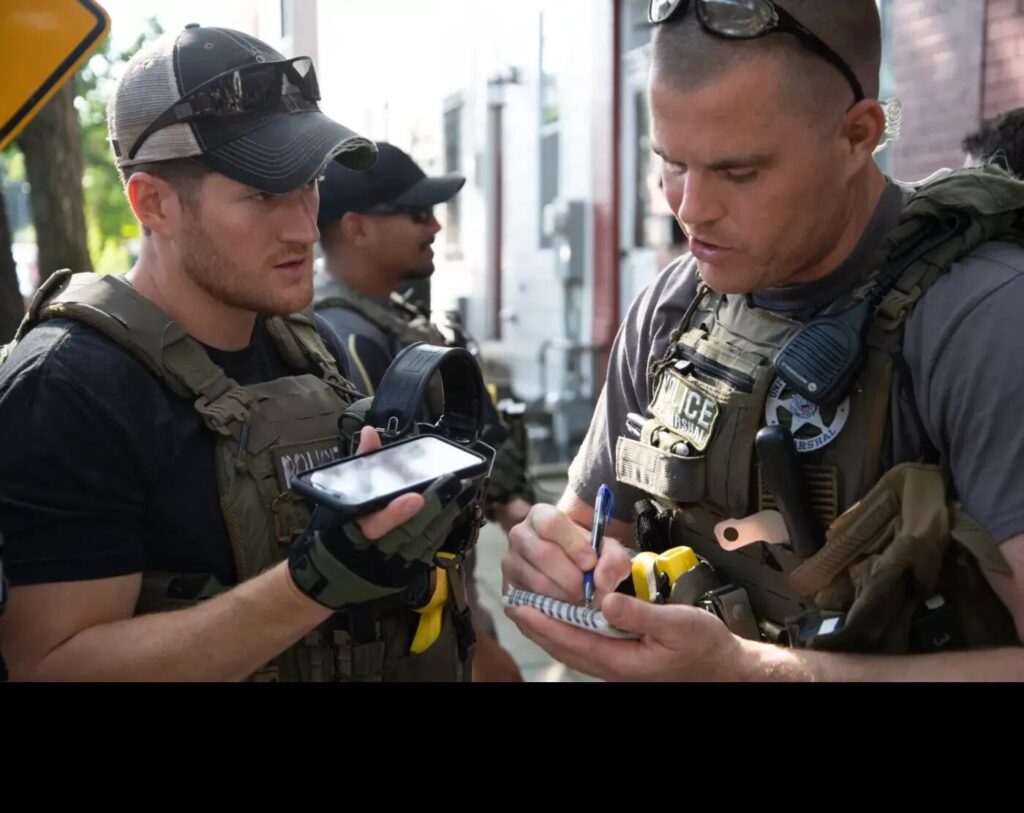
One pressing issue is the pursuit of fugitives who exploit digital networks and operate across multiple jurisdictions, making them difficult to track and apprehend. To stay ahead, the Marshals have adopted advanced technologies and strengthened partnerships with other agencies. International cooperation has become essential, as crime, especially cyber-enabled crime, rarely respects national boundaries.
The Marshals’ responsibilities also include global operations, where they collaborate with organizations such as Interpol and foreign governments to locate and capture fugitives who attempt to escape justice by fleeing overseas. These missions highlight the agency’s ability to extend its reach beyond U.S. soil, ensuring that federal law enforcement remains effective in an interconnected world.
In addition, the Marshals continue to handle high-profile cases that place them at the forefront of federal law enforcement. From dismantling drug cartels to securing terrorism suspects, their work often involves dangerous and complex operations that demand both precision and resilience. These cases reinforce the Marshals’ reputation as one of the most versatile and capable agencies in the federal system.
Legacy
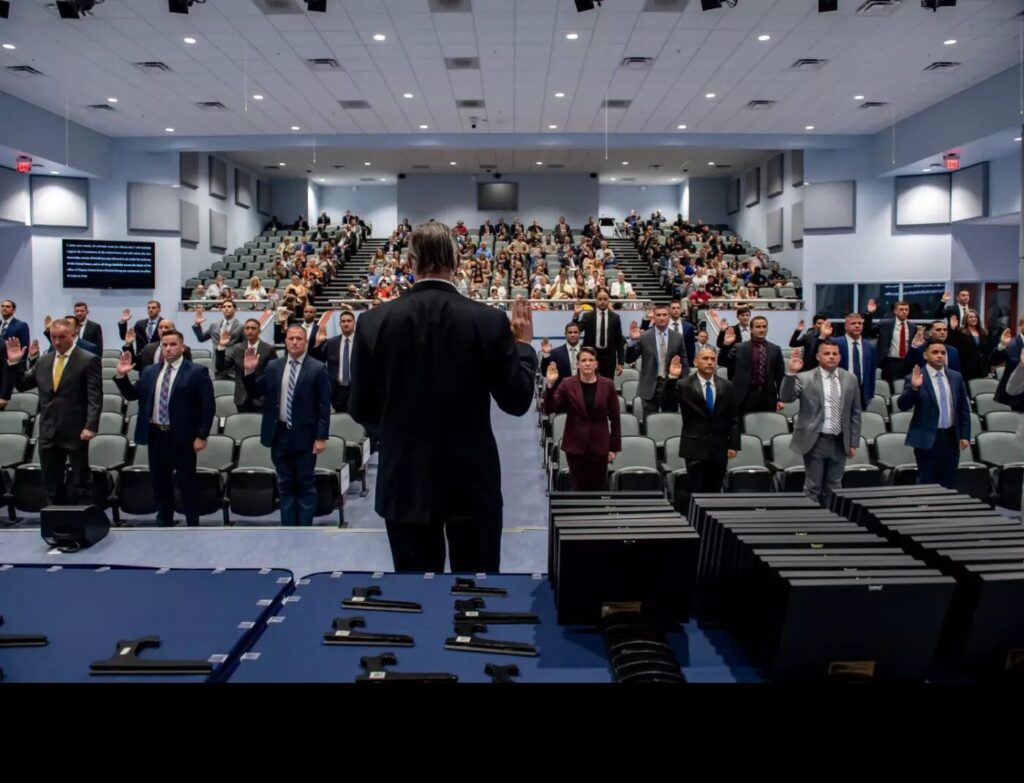
The U.S. Marshals Service is not just a law enforcement agency; it is a living thread in the fabric of American history. From the Judiciary Act of 1789 to the digital fugitive manhunts of today, the Marshals have embodied the federal government’s commitment to justice.
The Marshals’ story is one of adaptation, resilience, and unwavering service. They remain a symbol of justice, integrity, and service—their official motto.
Final Thoughts
The U.S. Marshals Service stands as the oldest and one of the most versatile federal law enforcement agencies in the United States. Its history mirrors the nation’s own journey: from fragile beginnings, through expansion and conflict, to modern challenges in a globalized, digital world.
By spotlighting pivotal historical moments, legendary figures, and evolving missions, we see how the Marshals have shaped and been shaped by American justice. Their legacy is not only rich but indispensable, a reminder that the pursuit of justice requires both courage and continuity.