
Few garments in men’s fashion are as enduring and versatile as the flannel shirt, and women love wearing them too. Flannel shirts have stood the test of time, remaining stylish regardless of shifting fashion trends. Their rugged, outdoorsy aesthetic makes them suitable for a wide range of settings, from hiking trails to city streets. Whether layered over a t-shirt or worn buttoned up, flannel shirts offer a reliable combination of comfort, durability, and timeless style.
When we think of flannel shirts, a plaid or tartan pattern often comes to mind. These patterns, which originated in Scottish clan and regimental traditions, are iconic. However, it’s important to understand that flannel refers to the fabric itself and not the pattern. Not all flannel shirts feature plaid, and not all plaid shirts are made of flannel.
What Is Flannel?
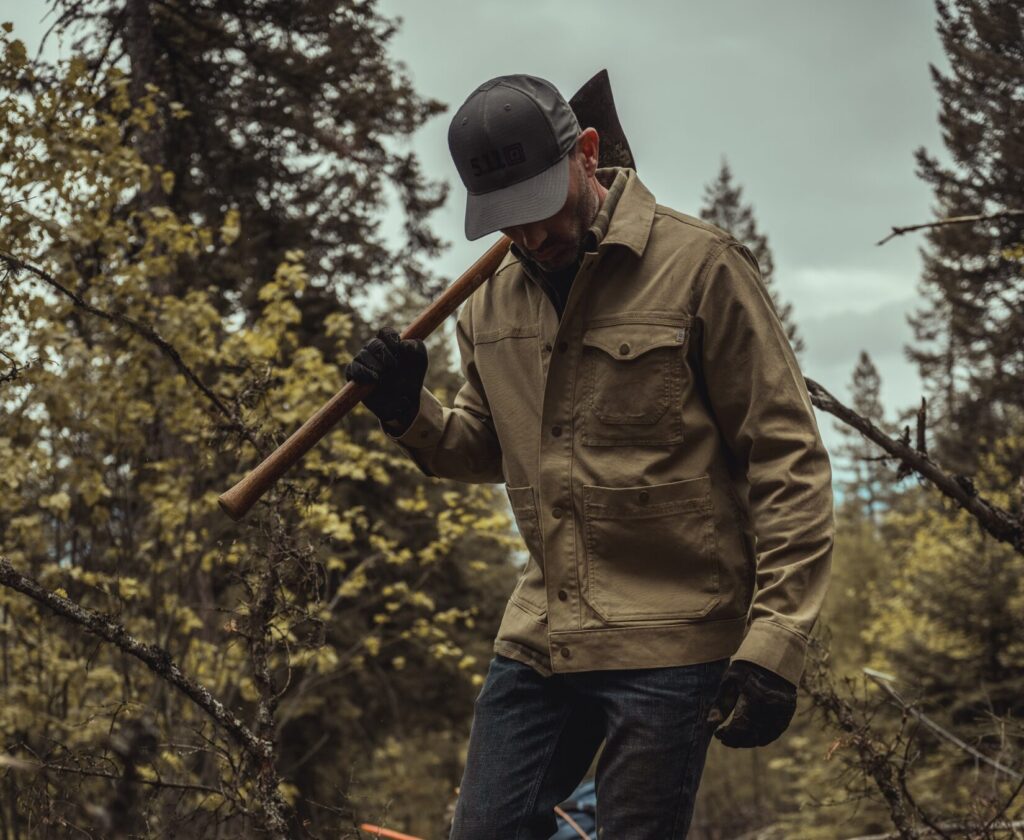
Flannel is a soft, warm fabric typically napped (brushed) on one or both sides to create a fuzzy texture that enhances comfort and insulation. It often gets softer with age, adding to its appeal. Traditionally woven in twill or plain weave, flannel was originally made from carded wool or worsted yarn, but today it’s commonly produced using cotton, wool, or synthetic fibers.
Known for being easy to care for and durable enough for heavy use, flannel became a staple in American workwear and outdoor apparel. Though its exact origins are unclear, historians trace it to 16th-century Wales, where textile makers developed it as a softer alternative to plain wool. Over time, it spread across Europe and gained global popularity.
Today, flannel remains a versatile favorite across generations and lifestyles, from outdoor recreationalists to urban trendsetters.

Flannel Shirts and Concealed Carry
Flannel shirts have long been favored as a concealed carry cover garment. Their relaxed fit, natural drape, and longer hemline make them ideal not just for IWB (inside-the-waistband) carry, but also for concealing high-riding OWB (outside-the-waistband) holsters.
Worn untucked, a flannel shirt helps break up the outline of a firearm, making it less noticeable. Depending on your preference, you can wear it buttoned for a cleaner look or unbuttoned over a t-shirt for quicker access during a draw.
The fabric’s casual appearance and functional design make it a practical choice for everyday carry. In cooler climates, flannel is a near year-round option. In warmer regions, lightweight cotton button-ups with a similar loose fit can offer comparable concealment benefits without sacrificing comfort.
One of the flannel shirt’s greatest strengths is its versatility in layered outfits. Whether you’re dressing for warmth, style, or concealment, layering can enhance both comfort and functionality.
In cooler climates, flannel pairs well under a vest, jacket, or even a heavier coat, adding insulation while maintaining access to your firearm. For transitional weather, wearing a flannel over a moisture-wicking base layer keeps you dry and comfortable without sacrificing mobility.
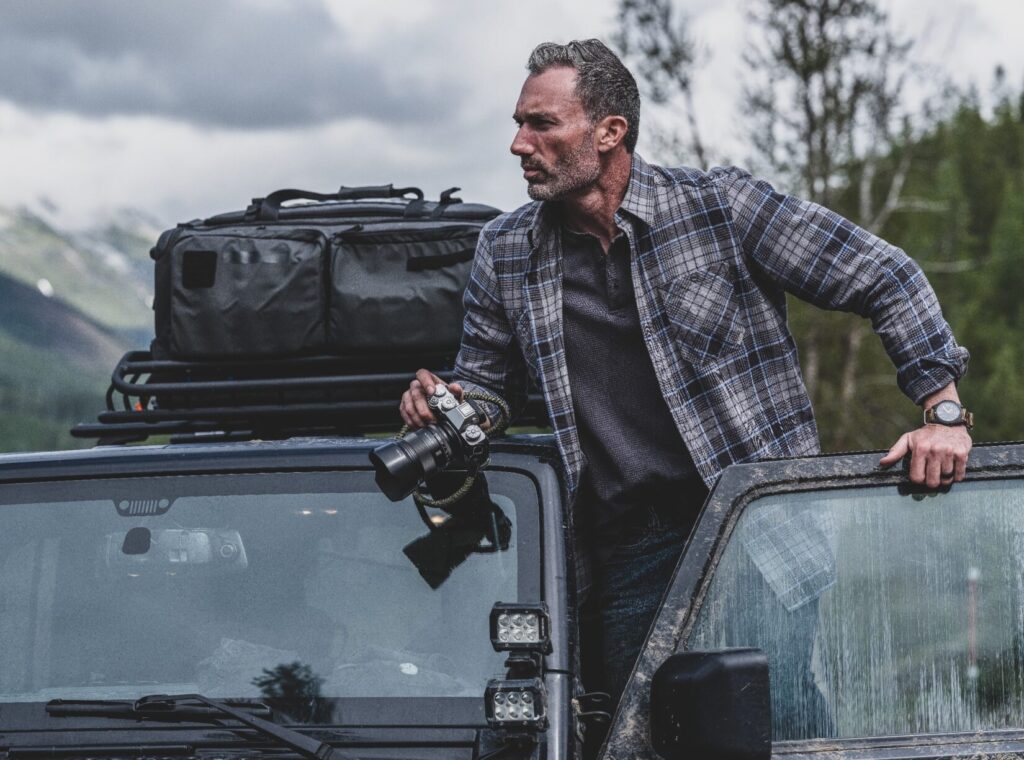
Layering also affects how you draw from concealment. Outer layers like jackets may require a two-step sweep, while lighter layers like flannel alone allow for quicker access. Practicing with your full outfit, including all layers, is essential to ensure your draw remains smooth and unobstructed in real-world conditions.
Choosing a Flannel Shirt for CCW
When shopping for a flannel shirt to use as a cover garment, there are several key factors to consider. First, ensure the shirt is long enough to extend past the pistol. A slightly elongated yoke or hem provides better coverage without appearing oversized. A good test is to raise both arms overhead, and if the shirt rides up and exposes your holster, it’s likely too short.
Choose a size that allows for unrestricted movement without being overly baggy. Excess fabric can slow down your draw or get in the way, while a shirt that’s too slim increases the risk of printing, where the outline of your firearm becomes visible through the material.
A small amount of stretch, often from a cotton-spandex blend, can enhance comfort and mobility, especially when reaching or bending. However, too much stretch may cause the fabric to cling to the body, increasing the risk of printing.
Gusseted shoulders are another valuable feature, as they provide an increased range of motion without compromising fit or concealment. While these details may seem minor, they can make a significant difference in how the shirt performs as a cover garment.
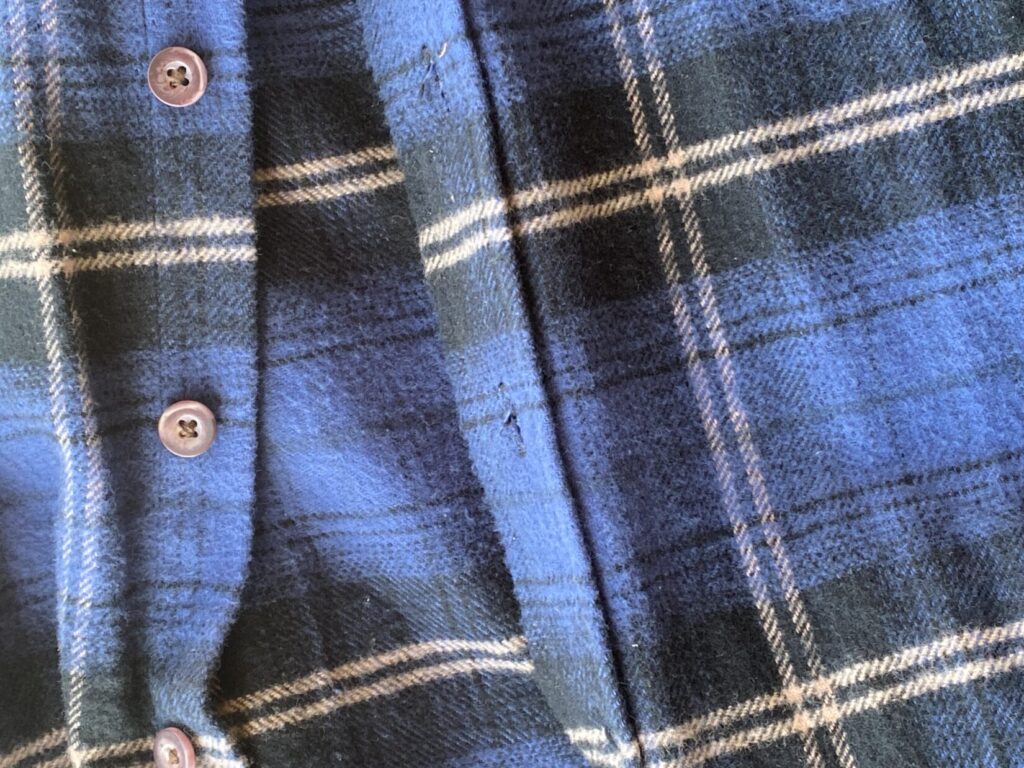
Patterns also play a key role in concealment. Plaid designs help visually break up the shape of the gun more effectively than solid colors, and darker shades tend to conceal outlines better than lighter ones. Additionally, flannel’s matte finish and soft texture help diffuse light and soften hard edges, further minimizing visual detection.
Fabric weight affects both comfort and concealment. Heavier flannels may offer better drape and coverage, but could restrict movement if not properly fitted. Lighter flannels are easier to maneuver in but may require more attention to printing and garment sweep. Matching the weight to your climate and carry style ensures year-round practicality.
Consider how the shirt interacts with your draw technique. If you carry a waist-mounted firearm, the shirt should allow for a clean, unobstructed sweep. Whether you prefer a buttoned or unbuttoned style, the right flannel shirt can offer both concealment and quick access without compromising on style.
Although not necessary with proper technique, some flannel shirts designed for CCW include features like breakaway snap plackets to aid in clearing the garment. Offerings from 5.11 and Vertx are notable examples.
Mastering the Draw
No matter what type of clothing you wear to conceal your firearm, consistent training with those specific garments is essential. Each cover garment behaves differently during a draw. What works for a flannel shirt won’t necessarily apply to a hoodie, and a blazer will require a different clearing motion than a sweater. Understanding how your clothing interacts with your draw technique is key to safe and effective concealed carry.
Before you begin any draw practice, always ensure you’re working with an unloaded firearm. Better yet, use an inert training pistol designed specifically for dry-fire drills. This eliminates the risk of accidental discharge and allows you to focus fully on refining your technique in a safe environment.
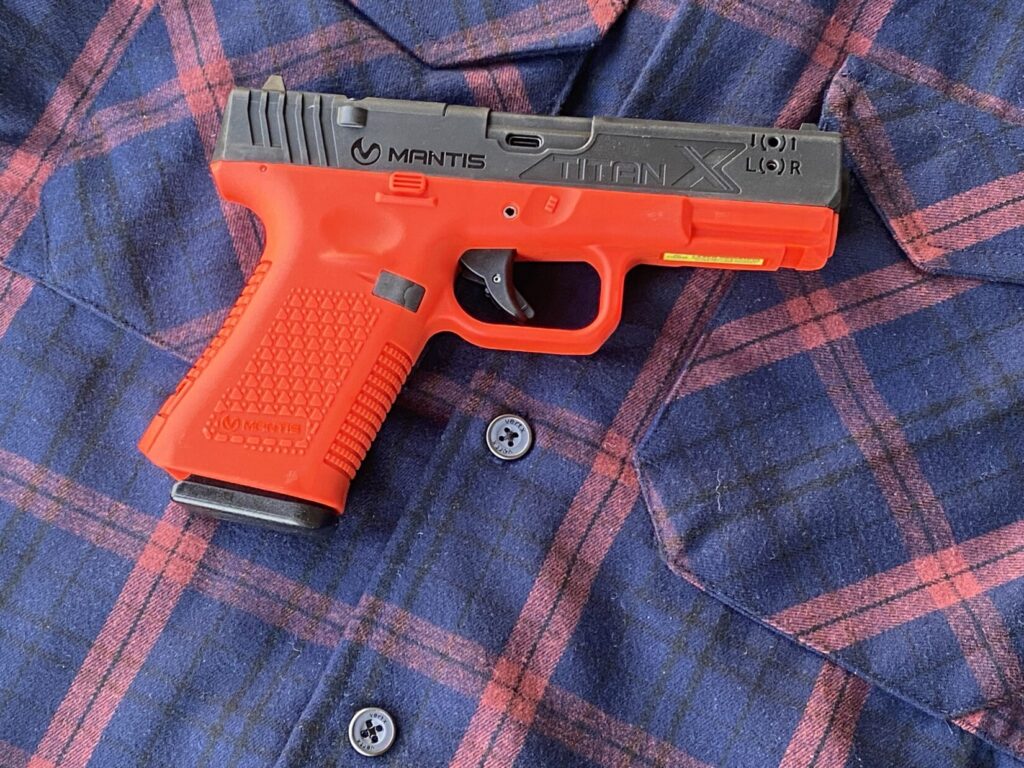
At the range or during dry-fire sessions, rehearse lifting or sweeping your garment with your support hand while establishing a full firing grip with your dominant hand. This coordinated motion should be practiced repeatedly to build “muscle memory.” The more familiar you are with the mechanics, the more instinctive and efficient your draw will be under pressure.
To simulate real-world stress, incorporate tools like a shot timer or train with a partner who can provide verbal cues. These elements help mimic the urgency and unpredictability of a defensive scenario. While speed is important, your primary goals should be consistency, control, and safety. A smooth, reliable draw that you can execute under stress is far more valuable than a fast but sloppy one.
Final Thoughts
Flannel shirts have earned their place as a timeless staple not just for rugged style and comfort, but for practical versatility, including concealed carry. Understanding the fabric, choosing the right fit and pattern, and training with your specific cover garments are essential steps toward confident, responsible carry.
Whether you’re navigating the outdoors or blending into an urban setting, a well-chosen flannel offers both function and form. Ultimately, the best flannel shirt is one that balances comfort, durability, and tactical function while still fitting your personal style.