Carrying concealed as a parent isn’t about fear. It’s about responsibility. When you have kids with you, your priorities change right away. You’re not just looking out for yourself anymore. You’re caring for little ones who count on you to make good choices when it matters. That changes how and why you carry.
Our family learned this lesson in a way we’ll never forget.
The Day Everything Changed
Tracy was at Albertsons with our two kids. It was a normal errand. She had loaded the groceries, and the day was going smoothly. As she finished, one of the kids said they needed to use the bathroom. Tracy didn’t want to leave the groceries out in the back of the truck, so she had the kids get in with her while she quickly moved everything into the locking toolbox.
That’s when a man approached.
He leaned his arm on the side of the truck, getting too close, and started talking. He wasn’t openly aggressive, but right away, Tracy’s instincts kicked in. The hair on her neck stood up. Something felt wrong.
The man kept talking, pointing, and asking random questions. He tried to distract her from the kids and the truck. Then Tracy noticed something important. He glanced over her shoulder toward the other side of the parking lot and gave a small nod.
Tracy looked.
Another man was standing nearby next to a minivan with the door open. He looked just as suspicious and was waiting.
In that instant, Tracy didn’t hesitate. She grabbed both kids, jumped into the truck, and drove away. Once safe, she called dispatch and reported the behavior.
Days later, she learned that the same man approached an older woman and her adult son in that same area—and it escalated into a physical altercation.
But the experience had already left its mark on us.
During that encounter, Tracy’s firearm was in the truck, not on her.
And all she could think afterward was:
What would I have done if they grabbed one of my kids?
Do I throw one child in the truck and risk the other being taken?
Do I chase, knowing I can’t run while carrying a six-year-old?
No parent wants to ask themselves these questions, but every parent should think about them before something happens.
That moment changed how Tracy carries forever.
Why Carrying With Kids Is Different
Self-defense decisions are already complex when you’re alone. With children, they become much more complicated.
You’re managing your own safety as well as your children’s physical safety. Their emotional response and ability to follow instructions under stress are also significant factors.
Carrying concealed as a parent isn’t about being paranoid. It’s about facing reality. Predators look for distractions, vulnerability, and divided attention, and kids naturally create all three.
Situational Awareness: Your First Line of Defense
A concealed firearm is not your main tool. Your awareness is.
Key Habits to Build
- Scan before you stop. Parking lots, gas stations, and store entrances are common problem areas.
- Trust your instincts immediately. If something feels off, it is.
- Control proximity. Anyone entering your personal space without reason deserves your full attention.
- Watch hands and eyes. Where someone is looking often matters more than what they’re saying.
Most dangerous encounters don’t start with a big scene. They start with distraction.
Carry Concealed, Not Convenient
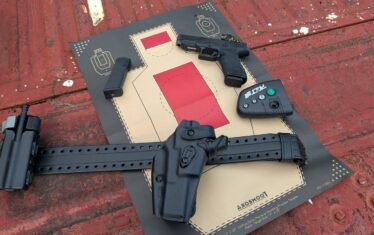
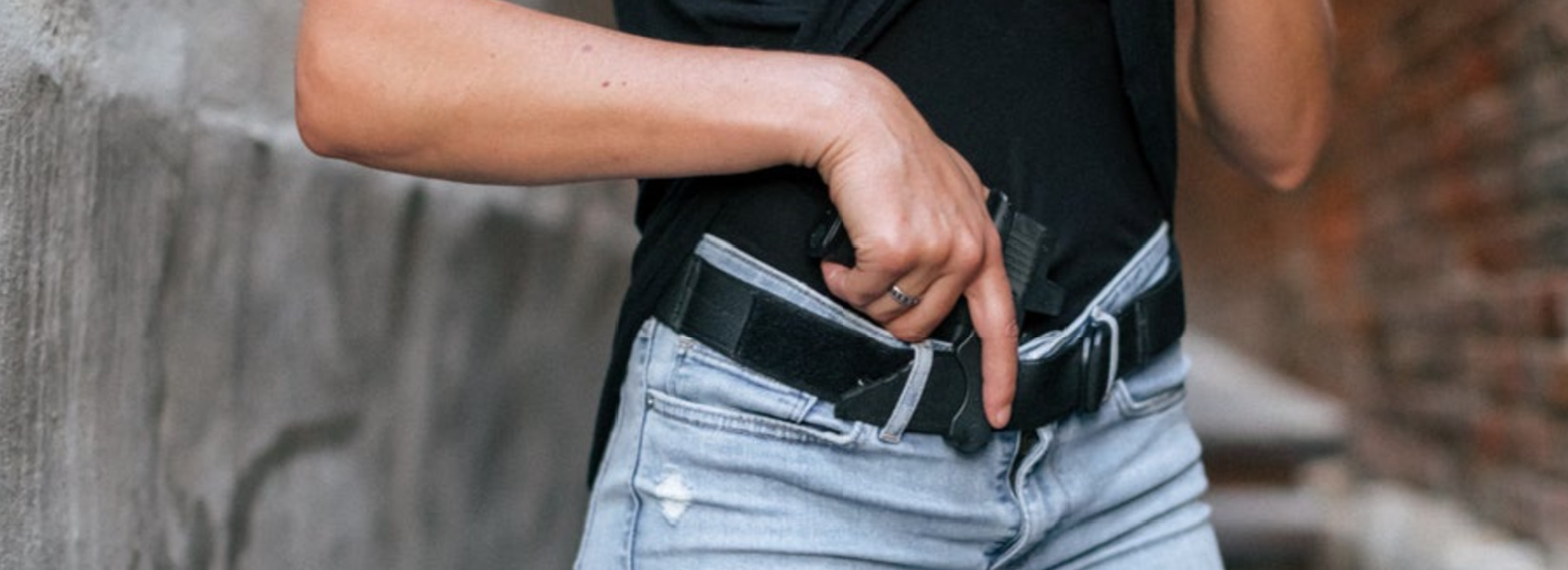
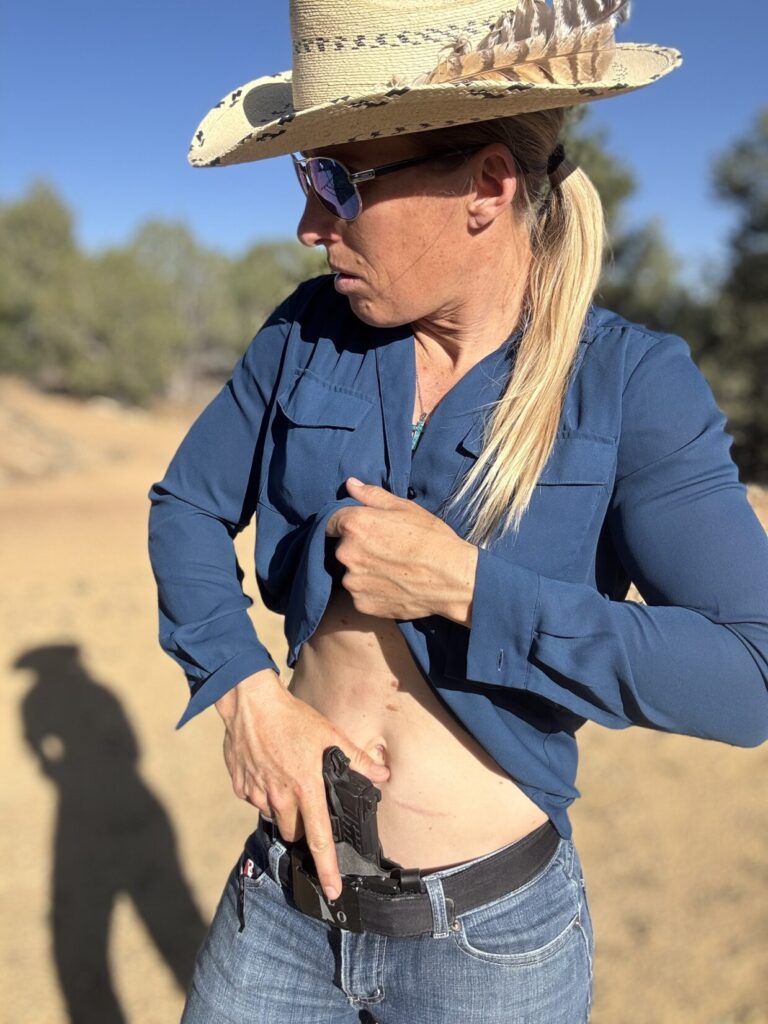
If your firearm is in a bag, glove box, or center console, it’s almost as if you left it at home. Carrying concealed on your body means you keep control, access, and retention, even when you’re handling children, groceries, car doors, or chaos.
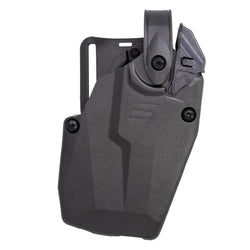
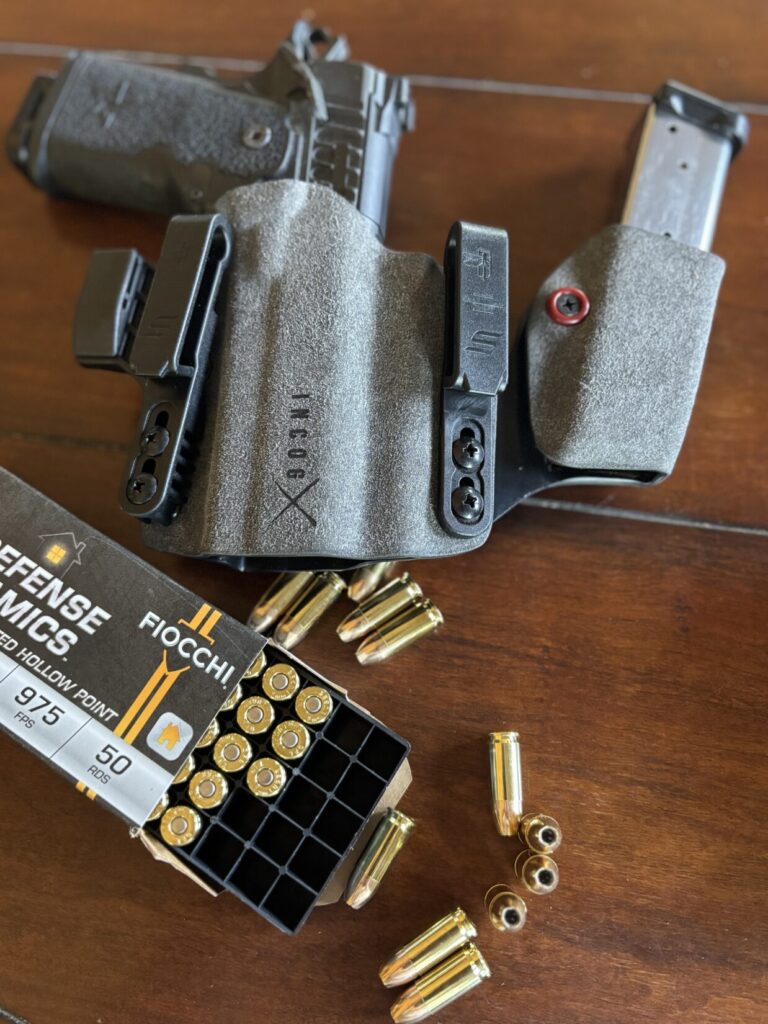
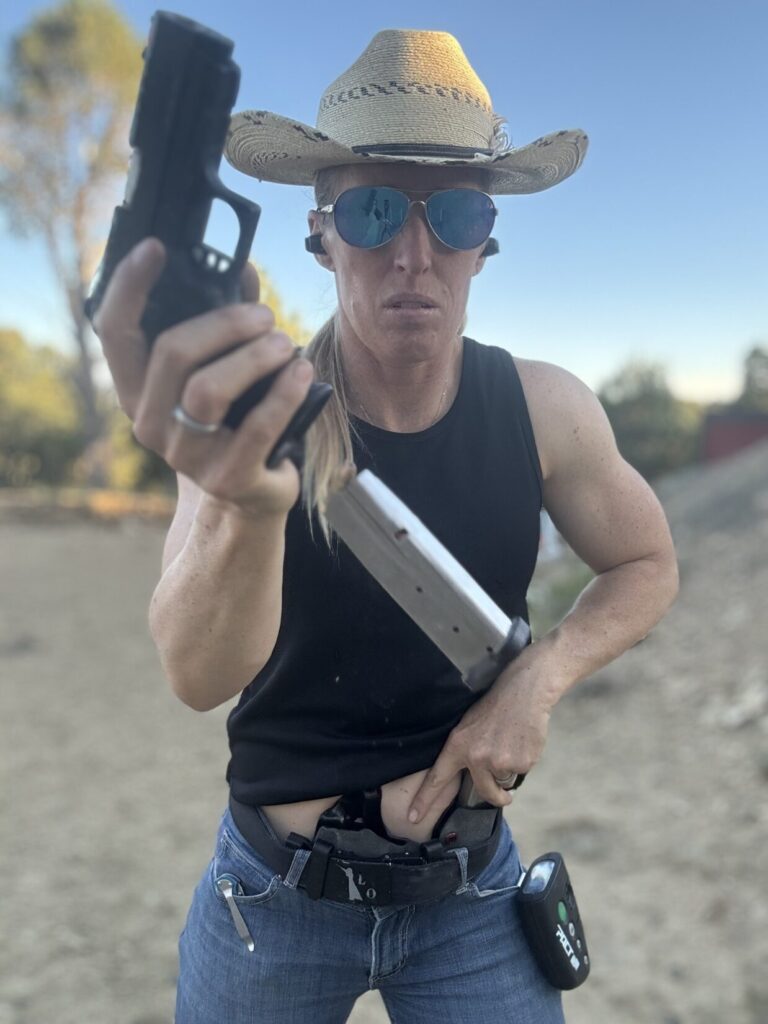
When you’re with kids, you don’t have spare hands or spare time, and you don’t get a redo. Your holster choice is just as important as your choice to carry concealed. You need secure retention, proper concealment, and consistency. Your draw should be predictable and safe, no matter how you’re moving or what your kids are doing.
Preparing Your Kids (Without Scaring Them)
Prepared kids are safer kids. This doesn’t mean sharing adult fears with them. It means planning in a way that fits their age.
Things every family should discuss
- What to do if mom or dad says “NOW.”
- Where to go if separated.
- When to grab a hand—and when not to.
- When to freeze, move, or make noise.
You also need to understand how your kids react under stress
- Do they freeze?
- Do they cling?
- Do they run?
- Do they scream?
Each reaction changes how you respond. If your child grabs your hand and freezes, it affects how you can move. If they run, you need a plan to control things quickly.
You don’t suddenly become better in a crisis. You act at the level you’ve prepared for.
The Goal Isn’t Violence, It’s Prevention
Carrying concealed as a parent isn’t about looking for a fight. It’s about avoiding one whenever possible and having a last line of defense if you can’t.
That day in the parking lot ended without violence because Tracy trusted her instincts, maintained awareness, and acted decisively.
But it also showed us an important gap. Now, she carries all the time. She plans carefully. And our kids know that safety isn’t scary; it’s empowering.
Safety at Home: Carrying Is Only Part of the Responsibility
Carrying concealed as a parent doesn’t end when you walk through your front door. In many ways, how you handle firearms when you’re not carrying is just as important, or even more important, when kids are around.
Responsible carry means responsible storage.
When a firearm is not on your body, it should be secured and inaccessible to children. It’s also important to store it consistently in the same place, and locked using a method appropriate to your home and lifestyle.
Kids are curious. Even well-behaved, well-taught kids will explore. Thinking “my kid wouldn’t touch it” is not a safety plan.
Teaching Kids Firearm Safety (Without Fear)
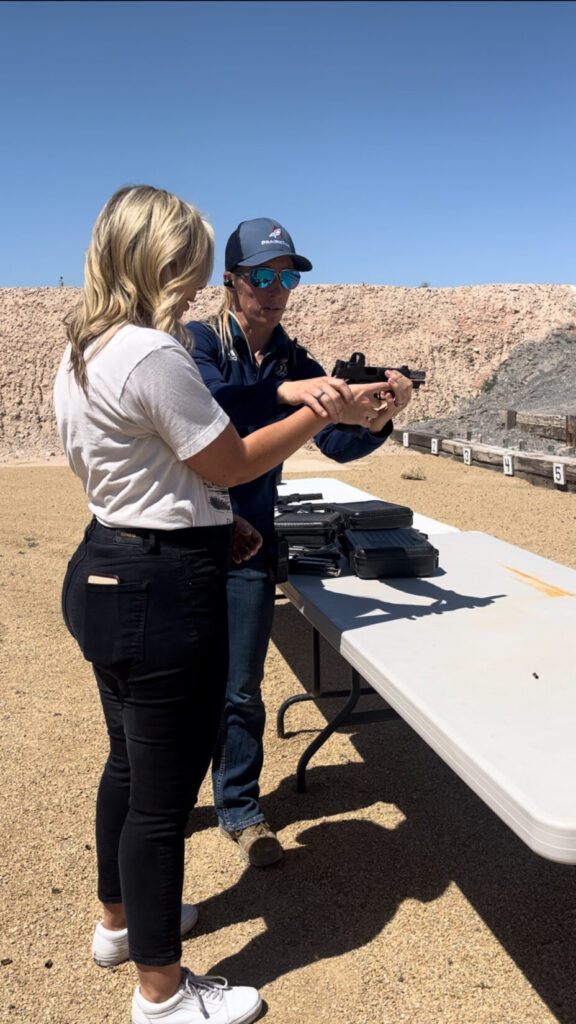
Gun safety education doesn’t have to be dramatic or scary. It should be calm, clear, and fit your child’s age. Every child should understand a few non-negotiable rules:
- If you see a firearm, do not touch it.
- Leave the area.
- Tell a trusted adult immediately.
These rules apply whether the firearm belongs to your family, a friend, or a stranger. Repeating them matters, and so does being consistent.
As parents, we also need to model good behavior. That means safe handling, respectful language around firearms, and avoiding any attitude of “mystery” or taboo that fuels curiosity.
When kids understand that firearms are tools, not toys, and that safety is part of daily responsibility, they are much more likely to make good choices when it matters.
Build a Culture of Safety, Not Secrecy
One of the best things you can do as a parent is to normalize safety conversations. That includes explaining why you carry and why firearms are locked up. And, of course, it’s crucial to teach them the rules of firearm safety, and that they apply to everyone.
There are excellent resources available to help parents navigate these conversations confidently. One of the most widely respected is Project ChildSafe, which provides free, research-backed firearm safety education specifically designed for homes with children.
Prepared Everywhere, Responsible Always
Carrying concealed with kids isn’t just one decision. It’s a series of choices about situational awareness, consistency in carry, preparation with your children, and uncompromising safety at home.
When you commit to all of it, not just the easy parts, you create an environment where your kids are protected, informed, and empowered.
That’s what responsible carry as a parent really looks like.
Final Thoughts
Being a parent means making hard choices before you’re forced to make impossible ones. Carry because your kids can’t. Train because hesitation costs time, and plan because chaos favors the prepared.
You owe it to your family to think through the “what ifs” so that if that moment ever comes, you can respond calmly, decisively, and with control.
You’re not being paranoid.
You’re being prepared.