


When the Drug Enforcement Administration (DEA) was established in 1973, the United States was confronting a drug landscape that felt both chaotic and overwhelming. Heroin addiction was ravaging major cities, cocaine trafficking was accelerating, and federal drug enforcement efforts were scattered across multiple agencies with overlapping jurisdictions.
President Richard Nixon’s decision to consolidate these efforts into a single, specialized organization marked a pivotal moment in American law enforcement. The DEA emerged with a clear mandate: to investigate, disrupt, and dismantle the criminal networks responsible for trafficking illicit drugs into the United States.
Over the next five decades, the DEA would evolve into one of the world’s most capable and globally connected law enforcement bodies. Its mission, often misunderstood or oversimplified in public debate, has continually adapted to meet the shifting realities of drug trafficking.
Today, as synthetic drugs and transnational criminal organizations reshape the threat landscape, the DEA’s role remains not only relevant but indispensable.
Origins in an Era of Crisis
The DEA’s early years were shaped by the intensity of the War on Drugs. The 1980s and 1990s saw the rise of powerful cartels in Colombia and Mexico, the crack cocaine epidemic in American cities, and a surge in violent crime linked to drug distribution networks.
During this period, the DEA became known for its high‑profile operations targeting major traffickers. The takedown of the Medellín and Cali cartels, for example, demonstrated the agency’s ability to coordinate complex international investigations and bring down criminal empires that once seemed untouchable.

Yet even in this era of aggressive enforcement, the DEA’s work extended far beyond raids and arrests. Agents were building intelligence networks, cultivating informants, and forging partnerships with foreign governments. These efforts laid the foundation for the intelligence‑driven model that defines the agency today.
A Modern Structure Built for Global Threats
The DEA’s organizational structure reflects the reality that drug trafficking is no longer a localized criminal activity. It is a global enterprise, driven by transnational networks that operate across continents, exploit digital technologies, and adapt rapidly to enforcement pressure.
The agency’s modern structure includes:
- Domestic Field Divisions that coordinate investigations across U.S. regions, often working hand‑in‑hand with state and local police.
- International Offices in dozens of countries, making the DEA the most widely deployed U.S. law‑enforcement agency overseas.
- The Special Operations Division (SOD), which fuses intelligence from multiple federal agencies to target high‑value traffickers.
- Diversion Control, which monitors the legal pharmaceutical supply chain and combats prescription drug abuse.
- Foreign‑deployed advisory and support teams, which train and assist partner nations in counter‑narcotics operations.
- State and local task forces, which embed DEA agents with local police to address regional trafficking threats.
This structure allows the DEA to operate seamlessly across borders, jurisdictions, and disciplines — a necessity in an era when criminal networks are more agile and technologically sophisticated than ever.
A Mission Transformed: From Raids to Intelligence
The DEA’s mandate has evolved significantly since the height of the War on Drugs. While enforcement remains central, the agency has shifted toward strategies that prioritize intelligence, partnerships, and prevention.
Intelligence as the New Backbone
Modern DEA investigations rely heavily on data analysis, electronic surveillance, financial tracking, and interagency intelligence sharing. Rather than focusing solely on street‑level enforcement, the agency targets the leadership, logistics, and financial systems that keep trafficking networks alive. This approach reflects a deeper understanding of how modern cartels operate as multinational corporations with supply chains, distribution hubs, and sophisticated money‑laundering operations.
International Collaboration as a Force Multiplier
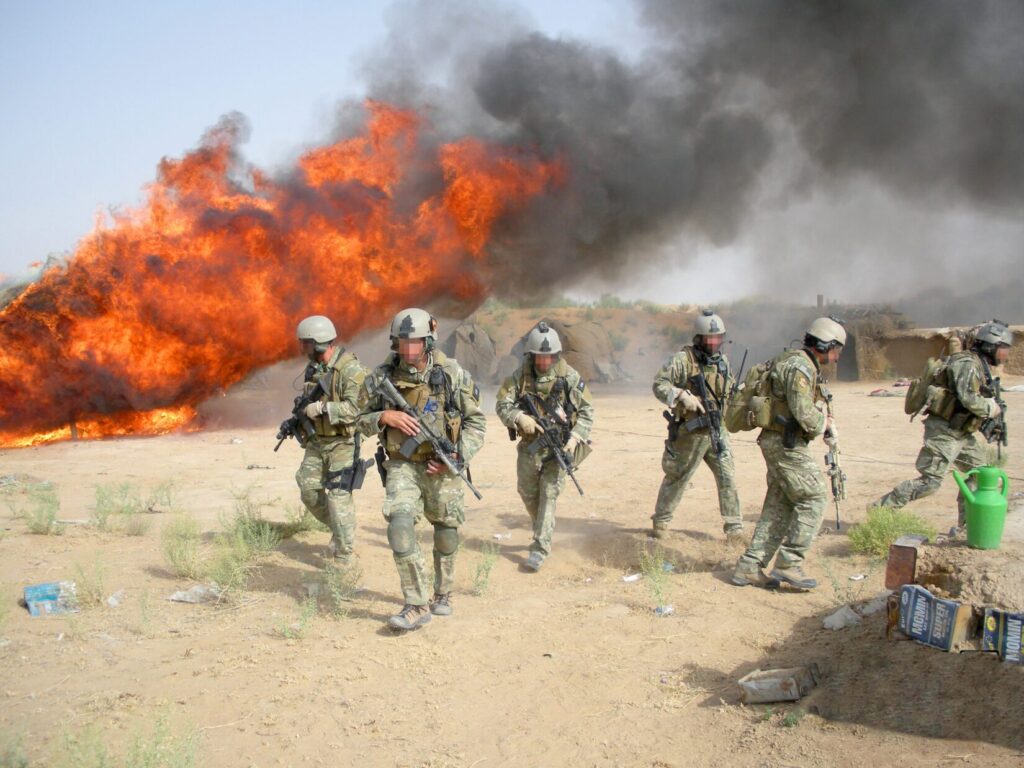
The DEA’s global partnerships are now essential to its mission. Agents work alongside foreign police, military units, and intelligence services to dismantle labs, intercept shipments, and disrupt cartel operations before drugs ever reach U.S. borders. These partnerships not only enhance operational effectiveness but also strengthen diplomatic ties and build capacity in countries that face overwhelming criminal threats.
Public Health Integration in the Age of Synthetic Drugs
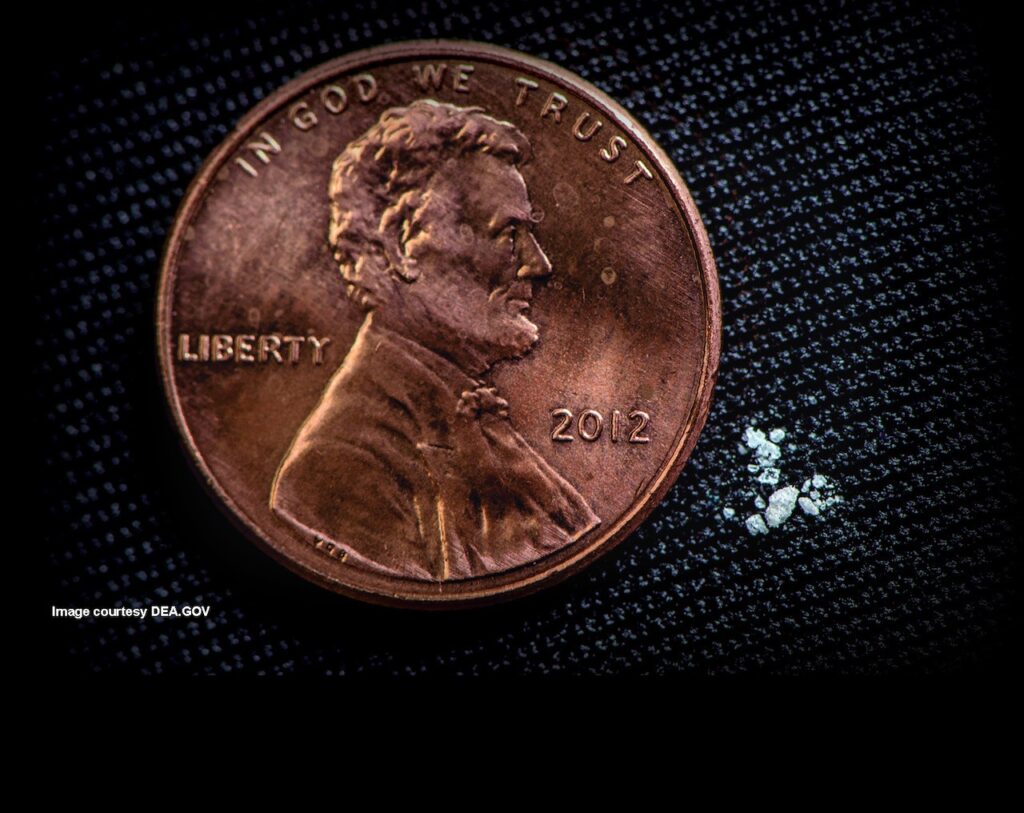
The rise of synthetic opioids, particularly fentanyl, has pushed the DEA into closer collaboration with public health agencies. While enforcement remains its core mission, the agency increasingly supports prevention campaigns, prescription monitoring programs, and community outreach efforts aimed at reducing demand and saving lives. This shift reflects a broader recognition that drug enforcement and public health are interconnected pillars of national safety.
Internal Challenges in a Rapidly Changing Landscape
Even as the DEA adapts, it faces significant internal pressures that shape its ability to protect communities.
Resource Constraints
Drug trafficking networks have grown faster than federal budgets. Synthetic drugs are cheap to produce, easy to transport, and devastatingly potent. The sheer volume of fentanyl entering the United States has stretched the agency’s resources thin. Agents must now confront threats that move at digital speed, from darknet marketplaces to encrypted communications.
Shifting Political Priorities
Drug policy in the United States is often influenced by changing administrations, public opinion, and legislative agendas. These shifts can affect funding, enforcement priorities, and the balance between criminal justice and public health approaches. The DEA must navigate these changes while maintaining operational continuity and staying focused on long‑term threats.
Recruitment and Retention
Like many federal law enforcement agencies, the DEA faces challenges in attracting and retaining highly skilled personnel, particularly those with cyber, linguistic, and intelligence expertise. The complexity of modern trafficking demands a workforce with diverse capabilities, and competition for talent is fierce.
A Lasting Influence on Modern Enforcement and National Security
The DEA’s strategies have shaped not only drug enforcement but the broader landscape of American criminal justice and national security. Its intelligence‑driven model has influenced counterterrorism, organized crime investigations, and international law enforcement cooperation. Its partnerships with state and local agencies have strengthened community‑level policing. And its global presence has made the United States a leader in the fight against transnational crime.
Perhaps most importantly, the DEA remains a stabilizing force in a world where drug trafficking organizations continue to evolve, diversify, and expand. While public debates about drug policy will continue, the agency’s core mission to protect communities from the harms of illicit drugs remains as vital today as it was in 1973.
Final Thoughts
The DEA’s story is one of constant adaptation. From its origins in the War on Drugs to its modern role as an intelligence‑driven, globally connected law‑enforcement agency, it has evolved to meet the challenges of each era. Today, as synthetic drugs reshape the threat landscape and criminal networks grow more complex, the DEA stands at the intersection of enforcement, intelligence, and public health.
Its work is not always visible, and its mission is often misunderstood. But the agency’s impact on safety, security, and the protection of American communities is undeniable. In a world where drug trafficking remains one of the most persistent global threats, the DEA continues to serve as a critical line of defense.