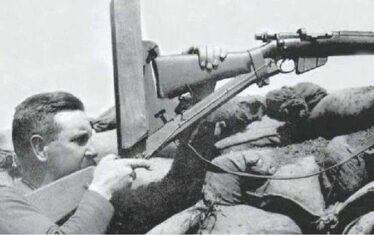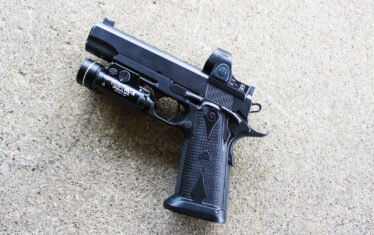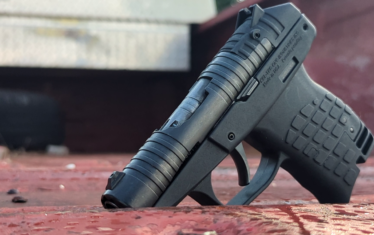

Much like purchasing a used or pre-owned vehicle, buying a used firearm offers advantages over brand new. The used firearms section of your local firearms shop may have firearms that are no longer made and/or are incredibly rare.
Used firearms may come with accessories and configurations assembled by the previous owner. Perhaps the most significant reason for purchasing previously owned firearms is the cost compared to new.
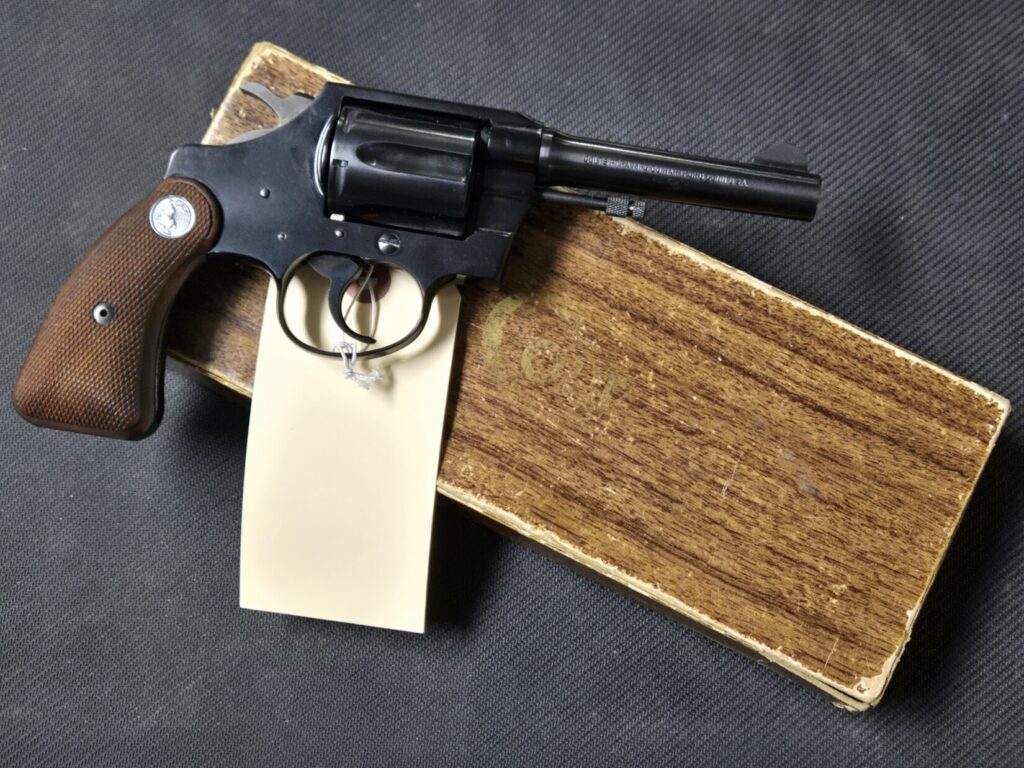
Whatever draws you to the used section, exercise caution and don’t fall for a deal that is too good to be true. Arm yourself with these questions, trust the guys behind the counter, but verify for yourself.
What’s the External Condition of the Firearm?
While you shouldn’t judge a book by its cover, you should absolutely consider judging a firearm this way.
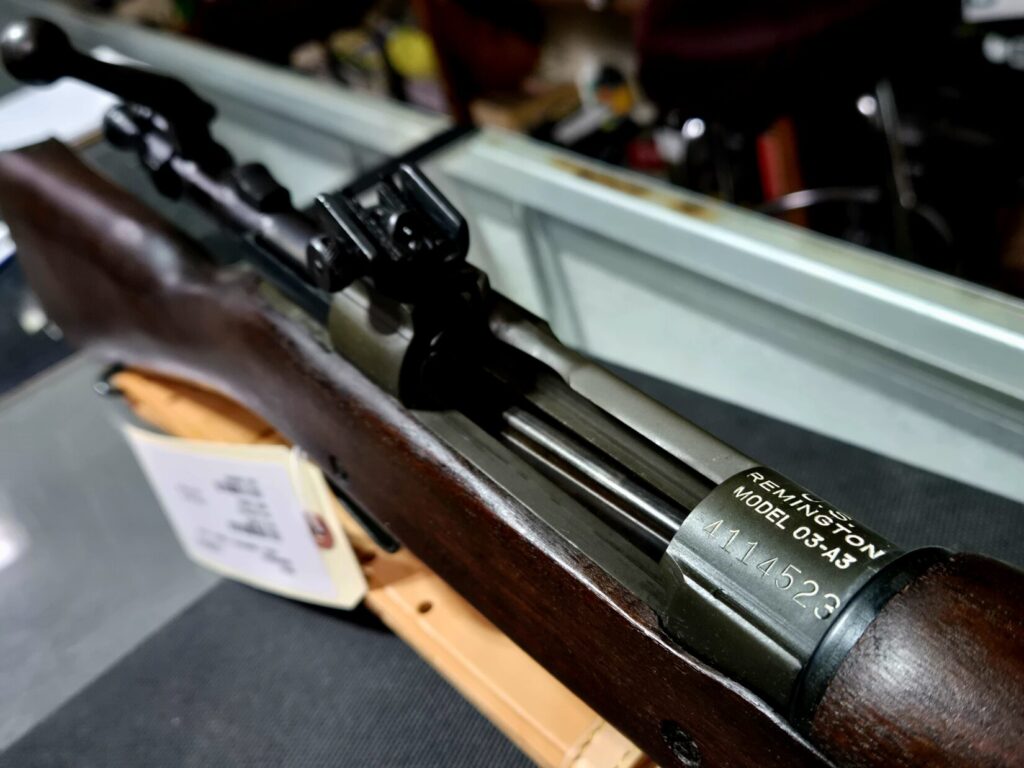
If you are examining a pistol, take note of holster wear if it has any as well as indications it may have been dropped, like damaged rear sights. If you are looking at a rifle or shotgun, look for handling and scratches to the stock and wear to the finish where it is carried in hand. Some firearms are carried more than they are shot and if you do not mind cosmetic imperfection, they may be perfectly functional otherwise.
What’s the Internal Condition of the Firearm?
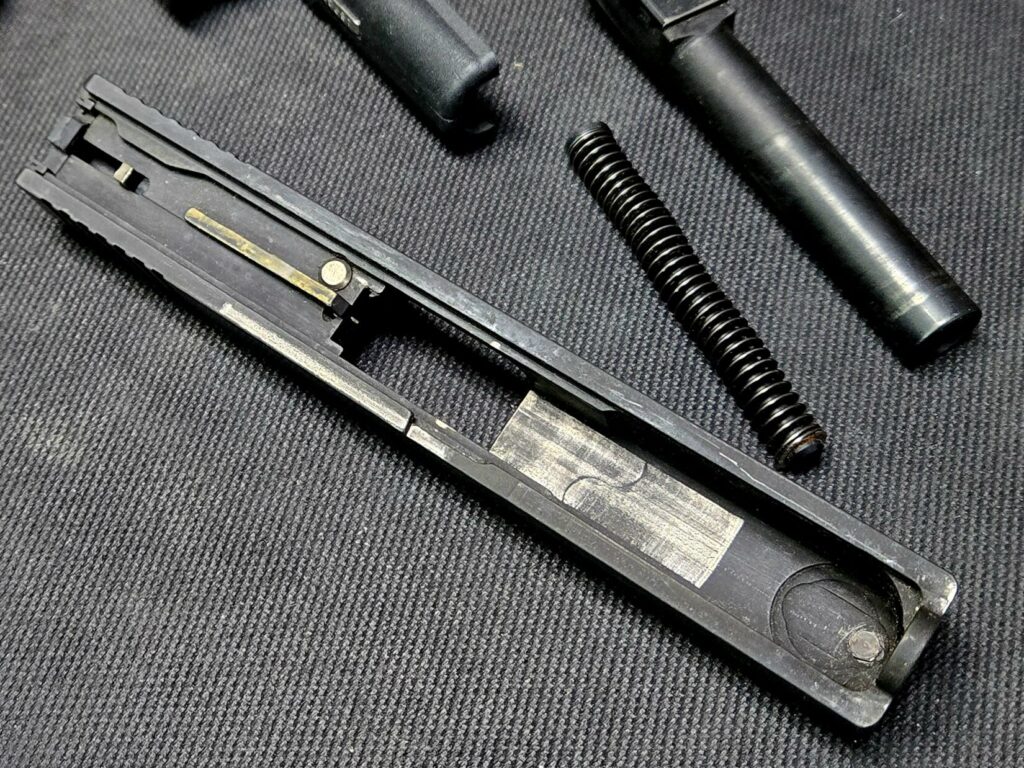
Most gun stores will not object to you examining the barrel of a firearm and performing a basic field strip of pistols at the counter. If you show up with a jewelers loupe or specialized take down tools, you may test your relationship with the gun counter guys.
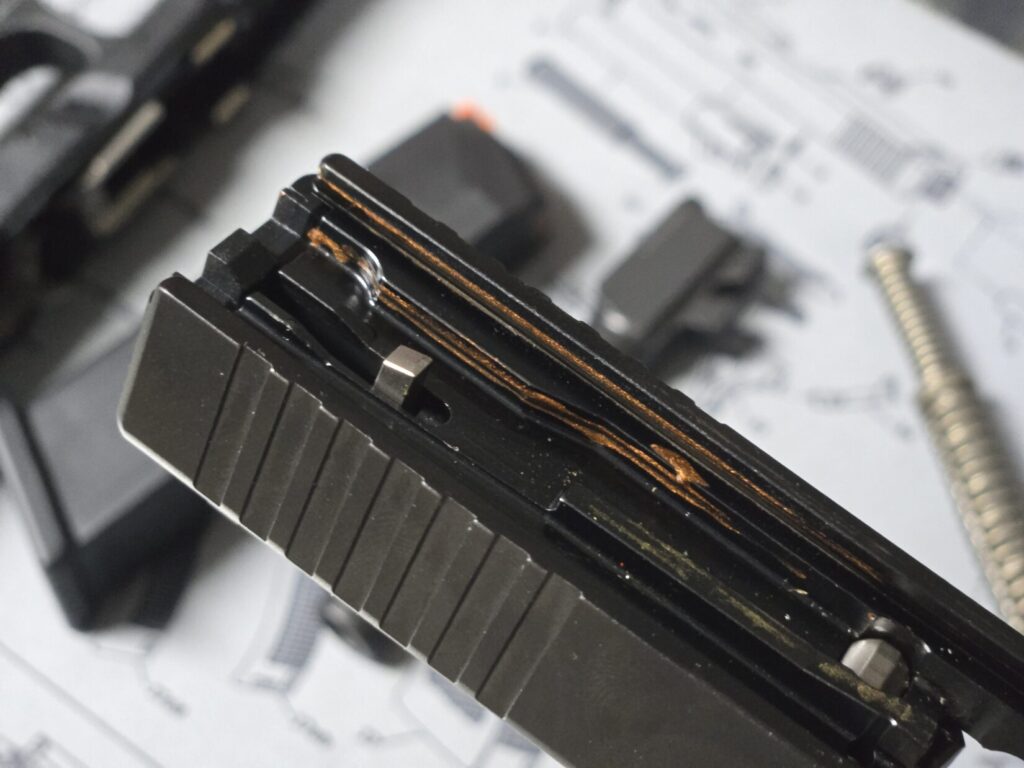
Looking at the barrel, take note of the condition by looking for excessive buildup of lead, copper, or powder fowling. If you are a Glock buyer, look for the factory copper grease on the inside of the slide rails which may indicate very little cleaning, very little use, or both. No need for a white-glove inspection but look for clues how the previous owner maintained it.
How does the Price Compare to Other Places?
It isn’t exactly considered a friendly gesture to pull out your phone and compare the counter price to what is found online. However, you absolutely should compare prices in the privacy of your vehicle or elsewhere in the store if it isn’t obvious. You should be a smart consumer and if possible, go to the store with research already done.
Remember, what is posted online may just be what people want to sell what they have for, not what it will sell for. We’ve all heard someone say “I know what I have here” and if you look online, you’ll find examples of prices set too high to sell. If you are lucky, you may walk into a store where the owner doesn’t know what he has there and walk out with a bargain.
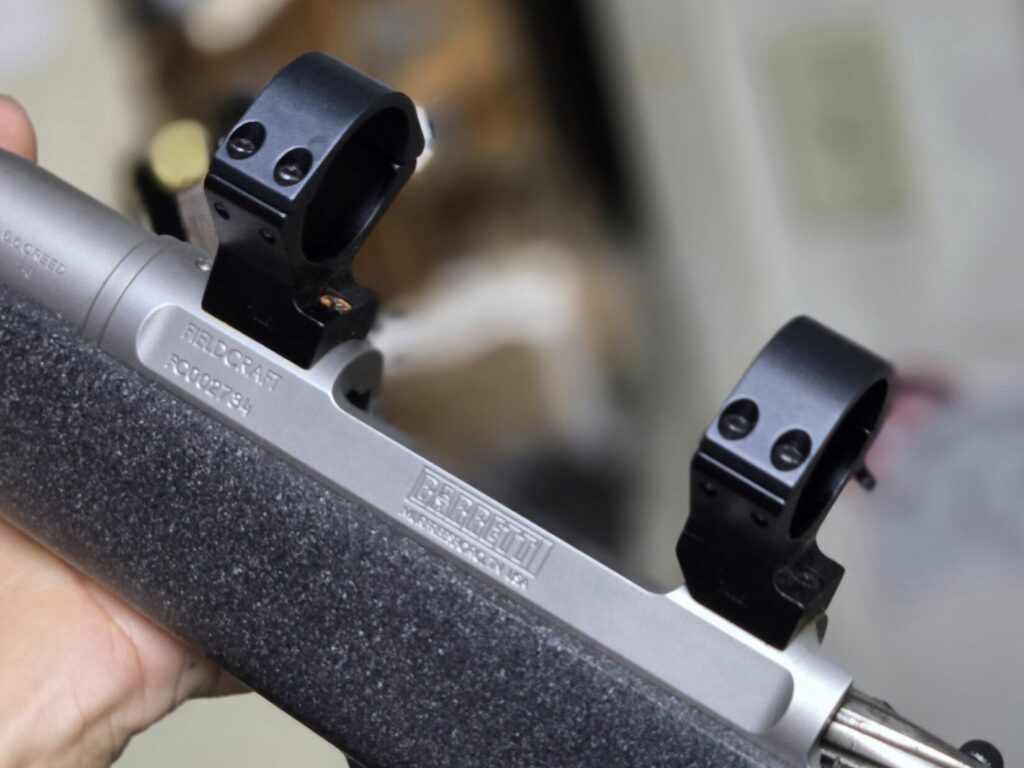
Prices are always changing and while there is a generally accepted Blue Book value for firearms printed out, a better market analysis in real time can be done with some Google searching.
Why Would it Be Sold?
If something is too good to be true, there may be an underlying reason why it is in the case or on the rack. Some firearms may attract your attention by their price, condition, or clever marketing. What you may not see is a firearm plagued with issues that are well documented online. You may look at a firearm that was sold exclusively to a distributor that came from a bad batch with accuracy, rusting, or fit issues.
Some firearms, like police trade ins, may be stacked high or wide and simply be present at your store because they had to be replaced. Other firearms may arrive from an estate sale and be sold because the new owner doesn’t want them.
While there are buyers who are quick to swipe the credit card, there are also some of the same buyers who are slow to recognize the problems with their purchase. If a firearm includes an expensive optic, make sure that optic is functional and not damaged.
Is the Price Firm?
I love asking this question because more often than not, there is always a way to save when buying a used firearm. New firearms may only have a slight profit margin. Used firearms may have been purchased by the store as part of a collection or may be sold on consignment. In either case, there is typically room for a discount.
The store may want to move inventory or the consignee may be anxious to sell what they’ve been trying to get rid of for a while. Asking for a cash discount isn’t frowned upon nor is asking for a discount on any accessories purchased when you ring up the pistol, rifle, or shotgun.
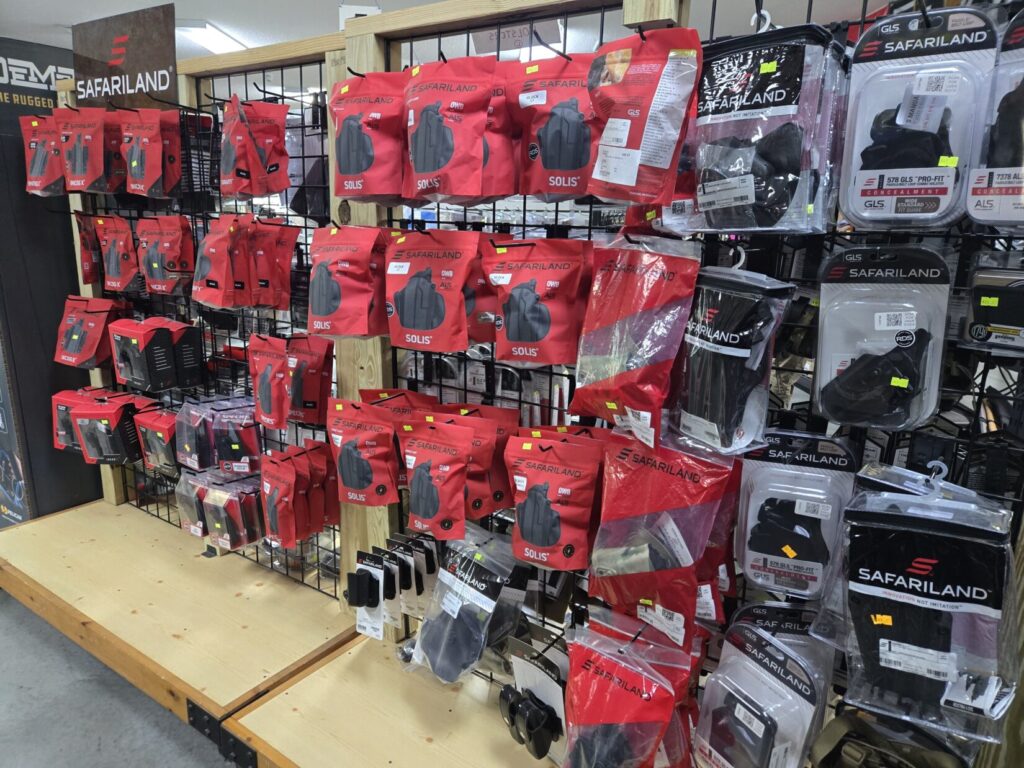
I’ve personally found the price negotiation more effective in the used section than brand new. Try it out; the worst they can tell you is “No”.
Do I Need or Want This?
The age-old question. We live in the United States where we can purchase both wants and needs. Well, most of our wants and needs.
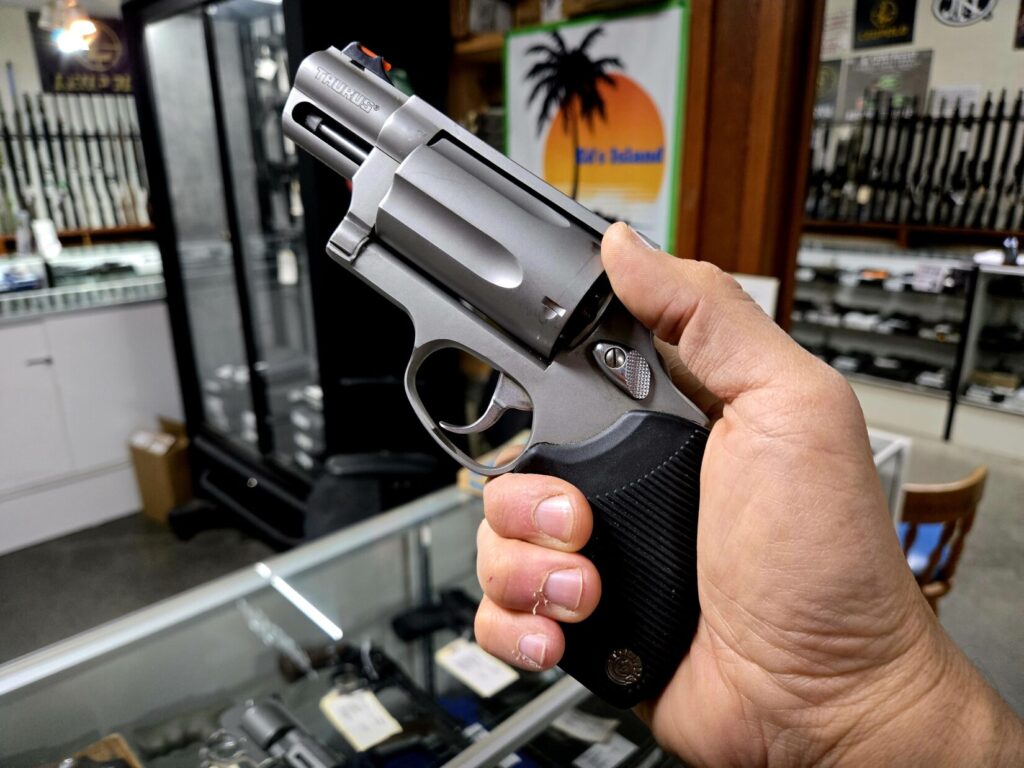
You should identify what your purchase is. If you plan on participating in a shooting competition with strict criteria for the firearm used, you may be purchasing a need. The same is true if you plan on traveling to where dangerous game is encountered.
If you are looking at purchasing an identical backup, a firearm with a unique serial number, a custom finish/configuration, or for entertainment purposes, you likely are weighing the want in your mind. You don’t need a buyer’s guide to determine how to spend your money, but be honest with your wants and needs.
I’ve made plenty of want purchases over the years only to look back at my decision with embarrassment, resentment, and disgust. Wants and needs change over time and they are cyclical. What you no longer want or need, someone else will.
Function Test and Warranty?
Unless the store you purchase from has a connected built-in range, you never know how your used firearm will perform until you go live.
I’ve had mixed experiences with purchasing used firearms. Some rifles haven’t held a decent five shot group that any reasonable person would agree with. Some pistols would cycle the first round but fail to return to battery on the second. One old Remington 870 Wingmaster of mine had a broken firing pin spring and in front of my students on a course, would fire every other round in the magazine tube with failures to fire in between.
A good gun shop will allow you a grace period where you can test your firearm and bring it back for credit or repair if you experience a problem. This is particularly useful if the firearm you purchase is no longer made or supported by any manufacturer’s warranty. Some firearms are easily repaired by the user with inexpensive replacement parts while others can become a money pit chasing reliability and function.
There are other questions you can ask about used firearms before buying, but what helps the most is having a great relationship with your local gun store. If you build good business and trust, you will have an ally on your side with the person on the other side of the counter.
Help them stay in business by buying from them as much as possible. Return the favor of them extending you a discount here and there by bringing them new business, using them exclusively for FFL transfers, and using them to load up on accessories like ammunition, holsters, range bags, weaponlights, etc.
The used section of a gun store is where I can be found more than any other. Spend some time there and you’ll find out why I prefer it over purchasing the latest and greatest new shiny object in the other cases.
Special thanks to the staff of Ed’s Gun Shop in Vass, NC for assisting in the photography and research for this blog.