
Heading to the shooting range sounds easy, but it actually takes a little bit of planning and preparation beforehand. If you are new to firearms, don’t worry, range day can be a fun experience. But how enjoyable it is greatly depends on your preparation for range day.
I’ve never admitted this to anyone, but it’s been long enough now, I’ll fess up. Even though I grew up shooting a small assortment of firearms with my grandfather, buying my first handgun and heading to the range was not a good experience for me. Because I had been shooting multiple times growing up, I thought I knew exactly what I was doing.
And so, after purchasing a Charter Arms .38 special revolver, I confidently headed to the range to show the world my great talent. Because I was such an expert, I made sure to pick up a cool pair of safety glasses that looked like sunglasses. No one wants to show up in the dorky, clear OSHA-approved glasses, right?
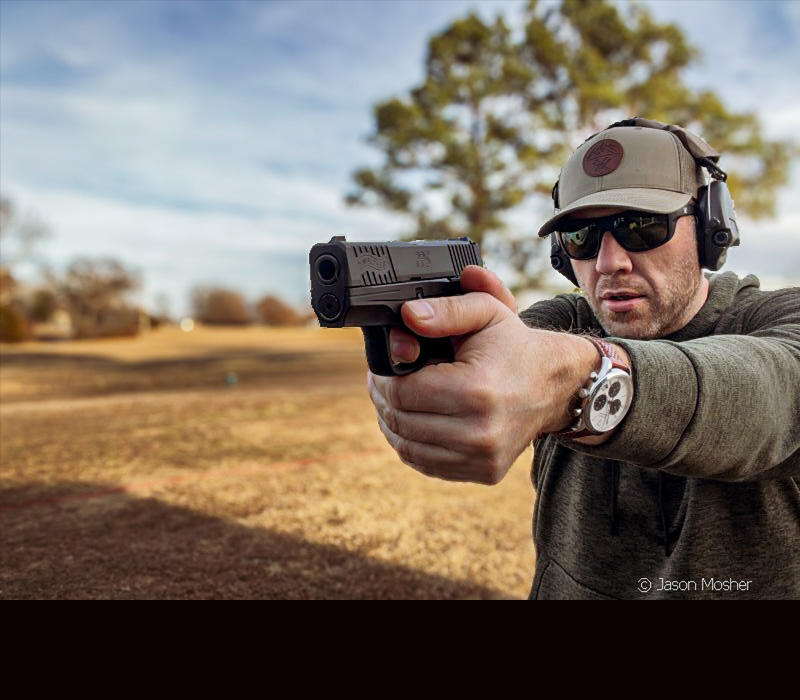
Some Walmart quality earplugs, my tacticool pants, and boots were all I needed to go shoot my new handgun. I set up a target about 20 yards out, opened my case, and retrieved the revolver. It was not until I was standing in front of my target that a sudden panic set in.
Ammo! In all my great wisdom and experience, I didn’t bring any ammo. Multiple people were shooting at the range, so I pretended to get a phone call and promptly left.
Range trips are part of the learning process
They say the best way to remember something is to learn it the hard way. And to this day, I never forget ammo… And to be completely honest, I’ve forgotten many other things on range day over the years. But that’s ok, I always correct the issue and move on.
And so, the point of this article is to help others who are making their first range trip be a little more successful than I was.
1. Have a Game Plan
Of course, the general idea at a shooting range is to shoot guns. But this was another mistake I made early on. That is, not having a game plan at the range. Think of it somewhat like the gym. Do you go in each day and walk around thinking about what you want to do? Or do you know before you even arrive what you are working on that day?
Having a game plan makes more of a difference than you can imagine. When I go to the range, I plan for a specific task. This may be to work on speed, accuracy, drawing, mag changes, multiple target acquisition, or any number of skills.
If you just show up and start shooting, you will have fun. But you will also burn through a lot of ammo very quickly and may not improve your skills. Having a plan helps you use your time and money wisely.
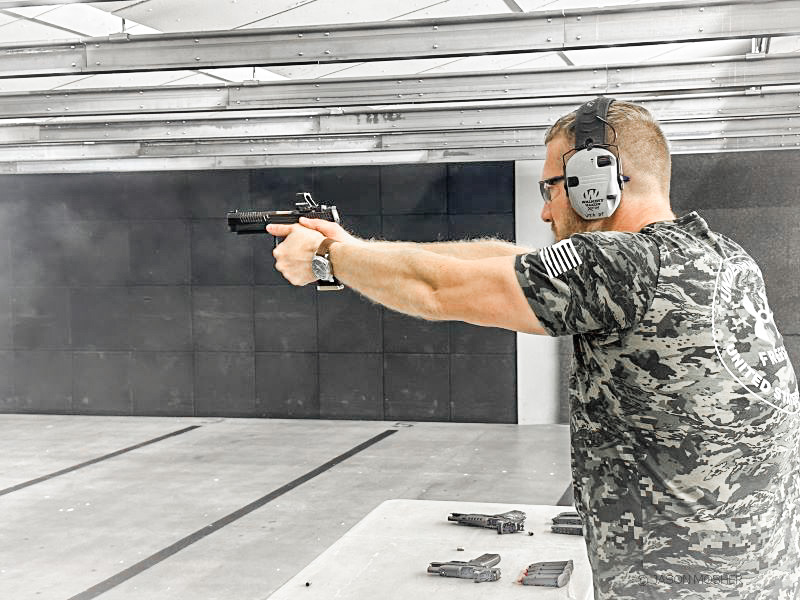
Think about what kind of shooting you want to do. Are you practicing for self-defense? Do you just want to hit the center of the target? Decide on some simple drills before you go. When you understand the different types of drills, you become a much better shooter. It gives your practice a real purpose.
You should also do some basic research at home. Look up how to hold your specific gun properly. Learn how to load it, unload it, and change the magazines. You can find many videos online for your exact model. You will do the actual loading at the range, but knowing the steps beforehand makes you safer and more confident.
2. Safety Equipment for Protection
Safety is the most important part of your range trip. You must protect your eyes and your ears, and the gear to do so is required to even enter most ranges.
But beyond the obvious, there are some other items you will want to take with you as well. I’ll get to the range bag in a bit, but I like to keep a separate medical bag inside my range bag. Start with a basic medical kit that contains band aids, antiseptic cream or spray, alcohol wipes, etc. You also want to have a tourniquet, and including a trauma wound seal is a good idea.
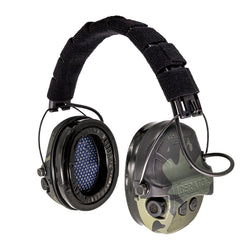
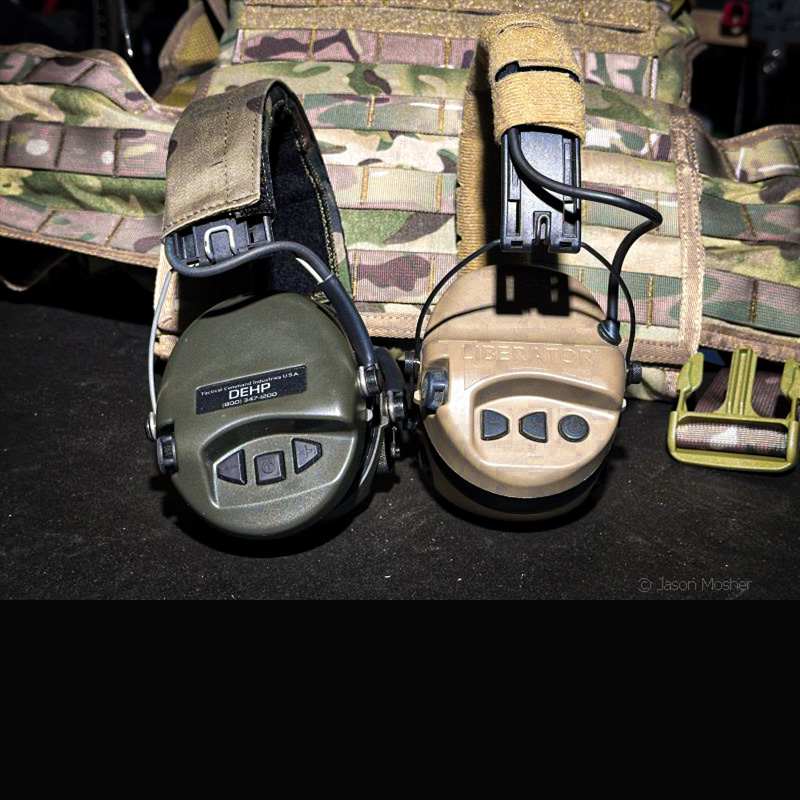
Along with your first-aid kit, you will need a good pair of safety glasses and hearing protection. Whatever type of hearing protection you choose, make sure it’s comfortable for all-day wear. I’ve used some earmuffs in the past that became so uncomfortable I had to leave the range.
My go-to earmuffs now are the Safariland Liberators. They are electronic, so you can hear everyone talk, but they block out louder sounds that are harmful to your ears.
Some people also like to use shooting gloves. Gloves are not always best to wear, but they can be handy sometimes. They protect your hands when you’re spending a lot of time on the range changing mags, etc.
But I also make a point to practice without them. When I’m carrying concealed, I want to be used to handling my firearm without gloves on. They have a purpose; just make sure you train without them as well.
Don’t forget about sanitation, dehydration, and energy
For shooting, you specifically need to have lead wipes. These are like baby wipes, but they remove heavy metal dust from your hands that regular cleaners don’t. When you shoot a firearm or handle ammunition, you end up with lead dust all over your hands. A bottle of hand sanitizer is also great to have on hand for general sanitation.
Next is water. Most of us remember to take a water bottle when we are out and about, but take lots of water with you to the range. If it’s a hot sunny day on an outdoor range, you will go through water quickly. Getting dehydrated on the range is easy to do when you are preoccupied with shooting. I like to take a large water bottle, but I also keep a couple of emergency water packets in my range bag.
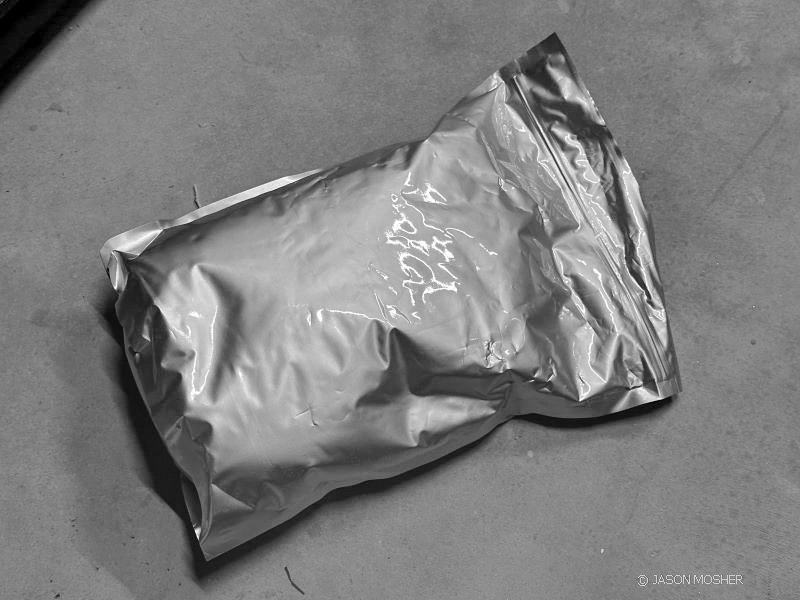
And you don’t want to forget some type of food. You may not think about food as being something you need at the range, and you may not always need it. But if you are planning to spend a good part of the day at the range, take something to snack on. It will help keep your energy up, and this is needed for running those drills.
Suggested Safety Gear List
- Safety Glasses
- Hearing Protection
- Lead Wipes
- Hand Sanitizer
- Basic First-Aid Kit
- Tourniquet
- Food (protein snacks)
- Water
- Shooting Gloves (optional)
3. The Essentials: Firearm and Ammo
Taking your gun and some ammo to a shooting range is kind of a no-brainer, unless you’re me… But there is a little more to it than that.
First, you need to be aware that most shooting ranges require you to have your firearm in some type of case when you take it to or from the range. And of course, it should not be loaded in the case. It’s ok to have mags pre-loaded, just not in the gun.
Just about any type of hard or soft case will work, as long as it can securely hold the gun. If you are shooting a rifle and a handgun, you can use one case for both.
Second, ammo is heavy, so think about what type of shooting you plan to do that day. Ammo should be viewed as money. Create an ammo “budget,” so it will last longer and serve a purpose. If not, you may burn through your ammo pretty quickly and wonder later what happened.
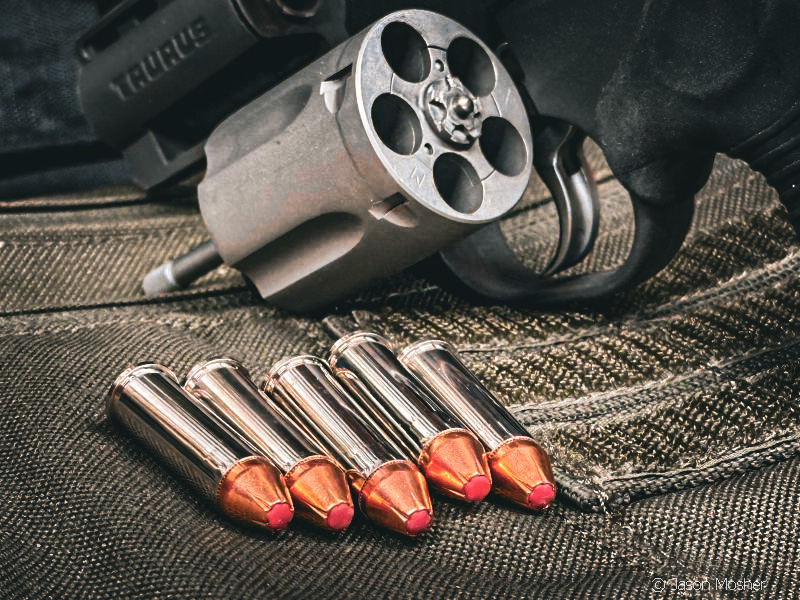
You will also want to take extra mags, so you don’t have to stop and reload as much while you’re on the range. If you have a speed loader for your mags, throw it in your range bag.
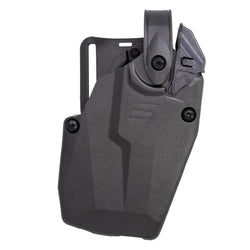
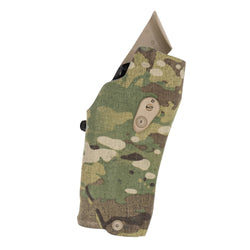
If you plan to use a holster with your training or just to hold your handgun between drills, make sure it’s a quality holster. Any holster you trust to hold a loaded firearm on your side should be made for that specific gun and have a mechanism to securely attach it to your side.
4. Tools and Other Helpful Items
Your range bag is like your mobile office. You need the right tools to set up your target and keep track of your shots. Make sure your range bag is sturdy enough to hold the weight of your ammo as well. A range bag can be either a duffle-style range bag or a backpack, whichever you prefer. Just make sure it’s large enough to hold your gear.
I always keep a small cleaning kit in my range bag, along with a bottle of synthetic gun oil. While I’m on the range, I’m not as worried about keeping my gun clean as I am about keeping it oiled. If I shoot all day, I normally stop at lunch to lubricate the gun before I start again.
Some ranges sell targets and provide whatever you need to hang them up. But it’s a good idea to keep a small staple gun and extra staples in your bag. A roll of masking tape comes in handy to cover up bullet holes if you want to get more out of your target.
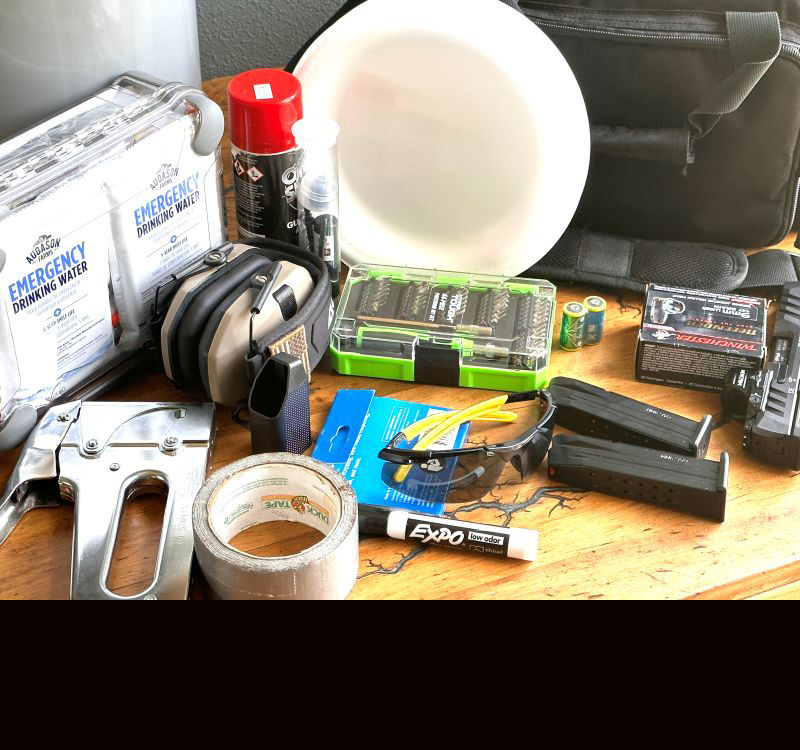
And while I have no specific reason for it, keep a roll of duct tape in your bag. Duct tape is like a magic “fix-it-all” roll that’s just good to have around.
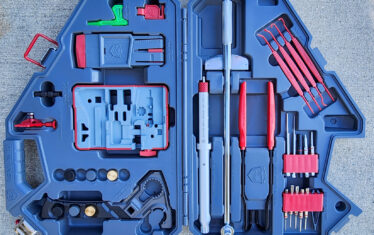
A few basic tools, along with whatever tools you use to install an optic (if any), are also a good idea to keep in your bag. Pack an extra battery for the optic and throw in a work rag as well for when you oil your gun.
Along with these items, add your safety gear from above, and your range bag will be ready to go. Here’s an overall list:
Range Day Check List
- Range Bag
- Firearm(s) in a case and extra mags
- Ammo
- Hearing and eye protection
- Medical kit (with items from above)
- Targets (if not available at the range)
- Stapler
- Masking tape
- Duct tape
- Pen or marker
- Extra batteries (if using an optic)
- Basic firearm tools
- Water
- Food
Once you have your range bag packed and your firearm in a case, you will be ready to head out to the range. Setting up a range bag sounds like a lot of work, but once you have it set up, it’s easy to maintain.
Range Etiquette: Being a Good Neighbor
Knowing how you plan to train and having all the gear you need is the first big step to having a good range session. But there is one more thing you should be aware of. This is proper range etiquette and firearm safety.
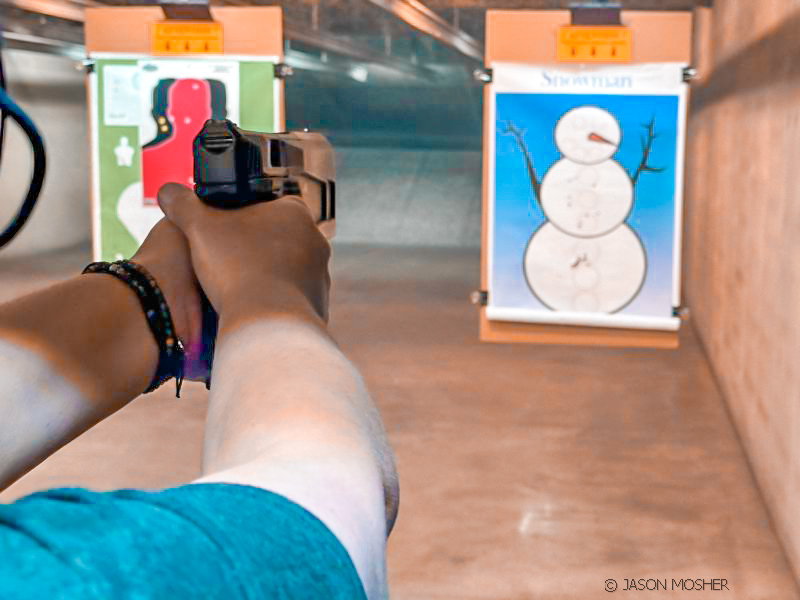
Every range has its own set of rules. When you arrive, take a minute to read them. If there is a Range Safety Officer (RSO), listen to what they say. At some ranges, this may limit the type of training you can do. For example, some ranges require you to stay in a specific lane, on a designated spot. This means you won’t be able to do any drills that require moving around.
Some ranges also prohibit incorporating a holster into drills due to liability issues. You will need to learn the rules of your specific range and tailor your training drills around that. Follow basic gun safety and keep the gun pointed down range at all times, and your finger off the trigger until you are ready to fire.