
When I walked through Buck Holly’s C&H Precision facility in Richmond Hill, Georgia, one thing was clear: this is not a company built around hype; it’s a company built around problem solving.
From the machines on the floor to the range, cafe, pro shop, C&H Precision reflects a mindset I have seen in every high-performing organization I have been around: identify the problem, build the solution, test it, improve it, and keep moving.
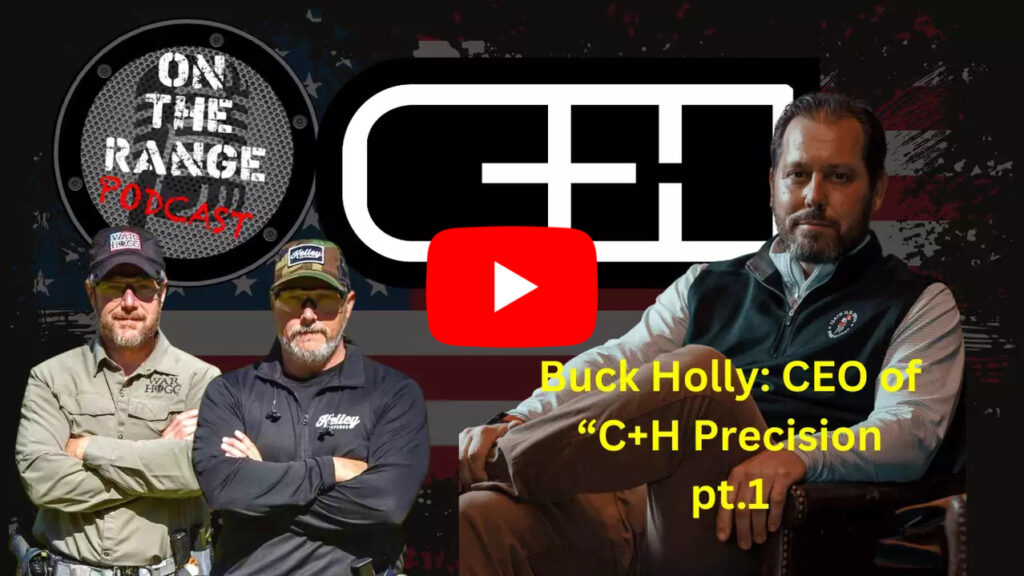
On The Range Podcast with War HOGG Tactical and Kelley Defense had the opportunity to sit down with Buck on two episodes and talk through his journey, his products, and the future of pistol-mounted optics.
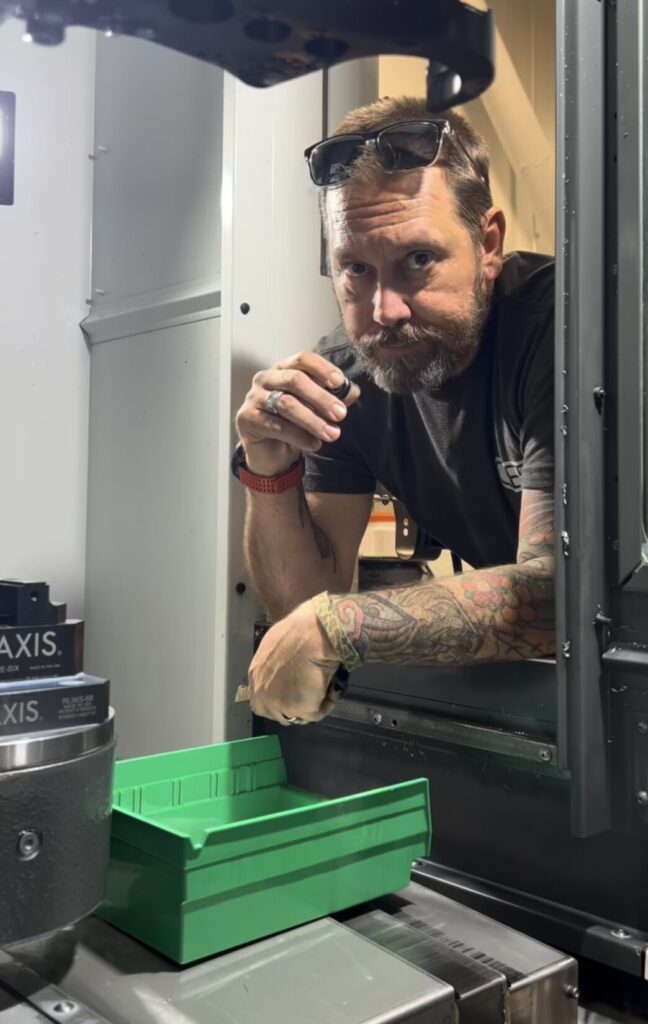
The factory tour took that conversation from words to reality. You can hear a man talk about tolerances, durability, mounting systems, and customer service, but when you see the operation firsthand, you understand how much work goes into making gear that shooters trust.
Why the Mounting System Matters
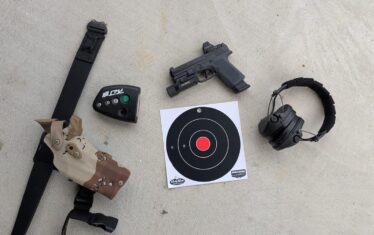
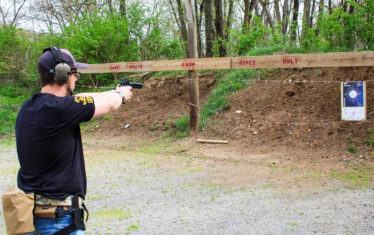
At our War HOGG Tactical training course, we see shooters spend money on pistols, optics, holsters, lights, and magazines, only to treat the mounting system as an afterthought. That is a mistake.
The plate, screws, torque, thread locker, optic height, and sighting system all matter. When the gun comes out of the holster, the shooter needs the dot to be there. When the gun cycles, the optic needs to stay mounted. When the environment turns ugly, the system still has to work.
This is where C&H Precision has made its mark. The company understands that the adapter plate is not just a piece of metal. It is the bridge between the shooter’s confidence and the pistol’s performance.
For law enforcement, military, concealed carriers, and competitive shooters, confidence is not a luxury. It is earned through equipment that holds up and training that proves it.
Lessons from the factory floor
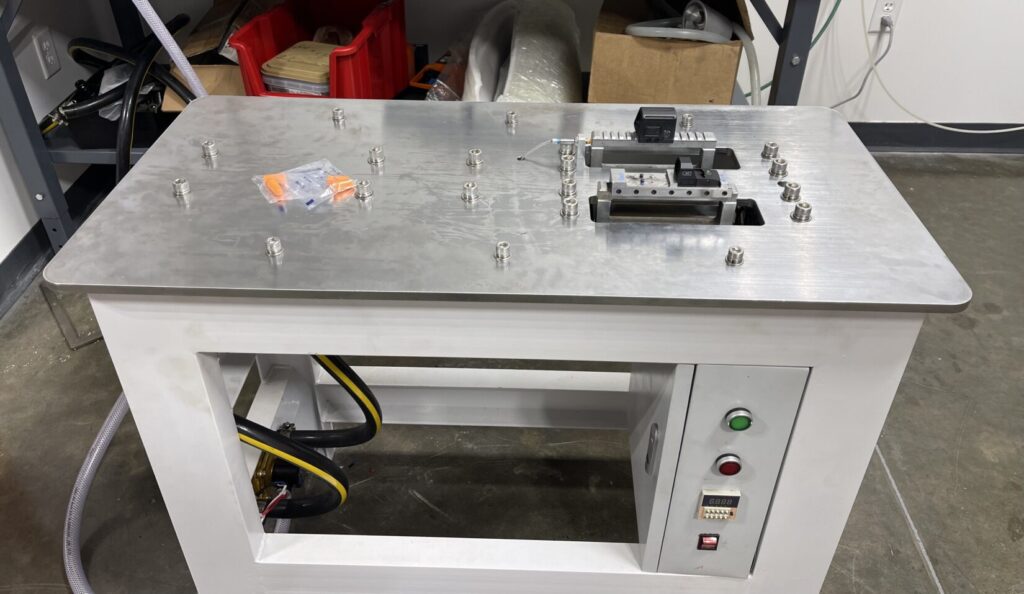
Walking through the manufacturing side of C&H Precision, you see the difference between selling parts and building capability. Machines, employees, inspection points, packaging, inventory, and customer service all have to line up. One weak link can show up later on the range, in a class, or on duty.
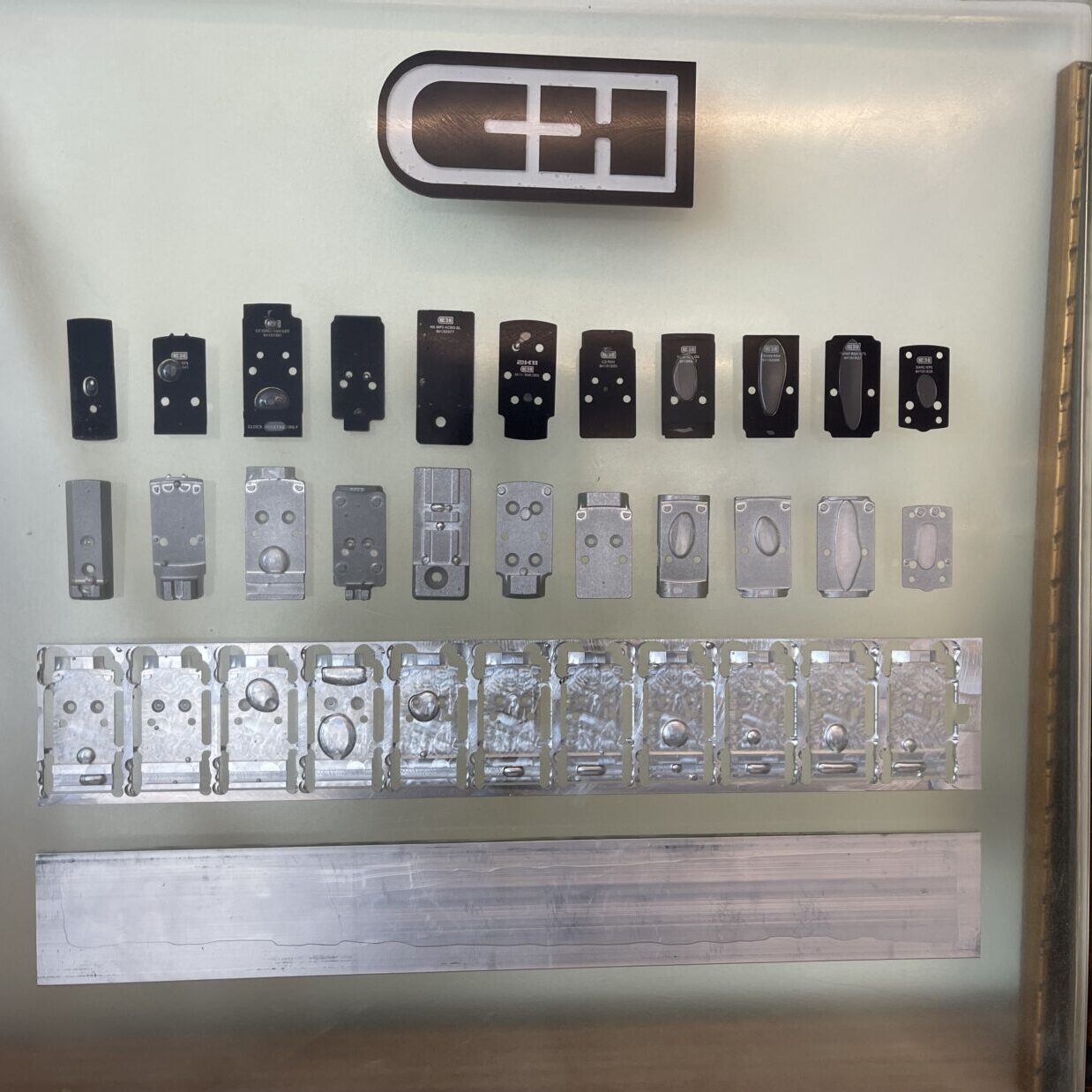
Buck’s operation reflects a commitment to American manufacturing and constant improvement. The facility is not just larger for the sake of being larger. It gives the company room to increase production, improve efficiency, and continue building products with attention to detail. That is important in a market where demand for pistol optics and mounting solutions continues to grow.
The end user may never see the machining process. They may never meet the employee who cut the plate or packed the order. But they will know whether the product works when they put rounds downrange. That is where trust is built.
Built for Hard Use
The red dot pistol market has changed dramatically. What was once considered a competition-only setup is now common in law enforcement, the military, and concealed carry. That shift means the equipment has to be more than range-day reliable. It has to survive duty holsters, vehicle work, weather, sweat, recoil, and high-round-count training.
During our conversation with Buck, the theme that kept coming back was performance under real conditions. Shooters do not need gear that only looks good in a display case. They need gear that survives repetition. They need dots that track, plates that stay tight, screws that do not walk out, and companies that stand behind what they build.
That is why I appreciated the way Buck talked about the business. He did not present C&H as a shortcut around training. He presented it as a company building better tools for people who are willing to put in the work.
Grounds & Rounds
The most unique part of the C&H expansion is Grounds & Rounds. At first glance, combining a range, café, pro shop, and training space may sound unusual. After hearing Buck explain it, it makes perfect sense. He is not just trying to build products. He is trying to build a destination.
Buck put it plainly during the podcast: “The range would not be as successful as it is without the cafe,” and “The cafe would not be as successful as it is without the range.”
That is the key to understanding Grounds & Rounds. The café is not a gimmick, and the range is not an afterthought. They support each other because they bring different people through the same doors.
What stood out to me was how intentional Buck was about the design. He said, “I am in the arena every day.”
That matters. He is not guessing from a conference room. He is watching who comes in, how they move through the facility, what makes them comfortable, and what brings them back.
When he talked about the coffee shop, he made it clear it was designed with a specific customer in mind, saying, “Everything is designed for Kendra.”

That may sound unusual in the firearms industry, but it is smart. Buck understands that many families, especially mothers and working professionals, may not walk into a traditional gun store first. They may walk into a café first. They may meet a friend, grab coffee, have lunch, and then realize there is a professional firearms facility attached to it. That changes the entire entry point into the shooting community.
In Buck’s example, Kendra comes in, likes the space, and later brings John. John has coffee and a sandwich with his wife, walks next door, and realizes they could bring the family here, and they should sign up for membership.
That is the vision. Grounds & Rounds is not just about selling ammunition or lane time. It is about bringing families into a safe, professional, approachable environment where firearms ownership, training, and safety become part of the conversation.
Buck also tied that vision directly to youth education, explaining that they offer “free firearm safety training to anybody 18 years or younger.”
That is one of the most important pieces of the entire concept. Responsible gun ownership starts with education. If a facility can make parents comfortable enough to bring their family in for safety training, that facility is doing more than business. It is building culture.
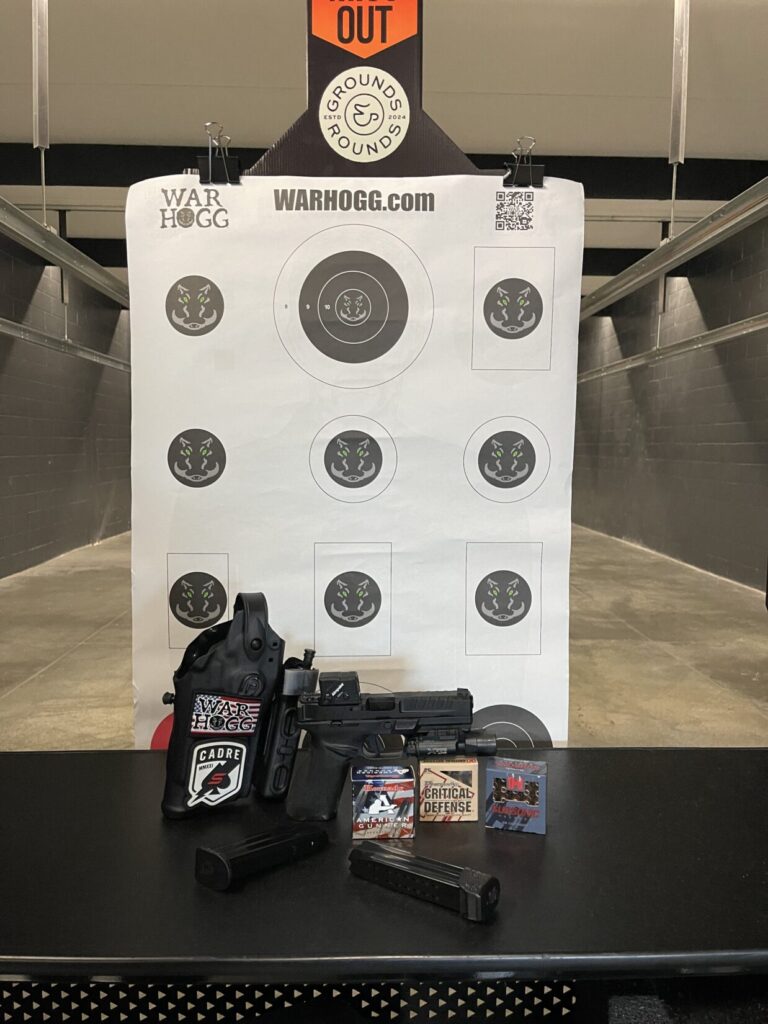
For me, that is where Grounds & Rounds stands out. The range supports skill development. The café supports community. The pro shop supports the shooter’s equipment needs. The training environment ties it all together. More importantly, it lowers the barrier for people who may be curious, cautious, or brand new to firearms without lowering the standard for safety and accountability.
Community Over Corporate
One thing I respect about Buck is that he understands the local community is part of the mission. C&H Precision’s new headquarters is not hidden away from Richmond Hill. It is part of the area’s growth. The facility brings manufacturing, jobs, training, retail, food, coffee, and public access together under one roof.
That is not common in this industry. Too many companies only focus on the transaction. Buck’s vision feels bigger than that. It is about bringing people in, showing them what responsible firearms ownership can look like, and giving them a place to become more capable.
That matters for law enforcement officers. It matters for military personnel. It matters for responsible armed citizens. It also matters for the person walking into a range for the first time who wants to learn the right way.
The Shooter’s Takeaway
The main lesson from the tour and podcast is simple: details matter. If you are running a red dot pistol, make sure the entire system is right.
Choose the right optic for your mission. Use the correct mounting solution. Follow proper installation procedures, confirm your zero, test with the ammunition you carry or compete with, and then train with it.
Do not assume that because something is new, expensive, or popular, it is ready for hard use. Prove it, put rounds through it, draw from the holster, work in low light conditions, and have a training plan by using The Firearms Training Notebook. Track what loosens, what fails, and what holds up.
Good companies like C&H Precision provide quality parts and machining, but the shooter still has to do the work.
Keep Getting 1% Better
The C&H Precision factory tour reinforces what we talk about constantly on On The Range: success is built through standards, repetition, and accountability. Buck Holly’s team is applying that mindset to manufacturing, optics, mounting solutions, customer service, training, and community.
C&H Precision and Grounds & Rounds show what is possible when a company builds beyond the product and looks at the complete shooter experience. The machines matter. The plates matter. The optics matter. The range matters. But the bigger picture is capability.
As shooters, instructors, officers, veterans, and responsible citizens, we should support companies that are willing to build, test, improve, and serve the people who depend on their gear. Buck Holly and the C&H Precision team are doing exactly that.
Train Hard, Stay Safe, and see you “On The Range” – Rick