
Type 3 malfunctions, commonly known as double feeds, are among the most disruptive stoppages a shooter can encounter. Although they are relatively rare in modern pistols and rifles, their operational impact is significant because they completely disable the firearm until cleared.
A Type 3 malfunction occurs when two rounds attempt to occupy the chamber at the same time, or when a spent casing fails to extract and a live round attempts to feed behind it. The result is a locked gun with the slide or bolt partially out of battery and the magazine unable to feed properly. This stoppage halts the firearm entirely and requires a deliberate, practiced sequence to correct.
These malfunctions are dangerous when they do happen during lethal force encounters because nobody has been able to realistically or easily train them, until now. The ability to instantly identify and clear a Type 3 malfunction under stress, as instinctively as performing an emergency reload, is essential.
Why Type 3 Malfunctions Occur
Although modern firearms and duty ammunition are highly reliable, several mechanical, ammunition‑related, and shooter‑induced factors can contribute to a Type 3 malfunction.
Mechanical or Maintenance‑Related Causes
Extractor failure or fouling is one of the most common contributors. If the extractor cannot pull the spent casing from the chamber, the next round will collide with it, creating a double‑feed condition.
Weak magazine springs can also cause erratic feeding, allowing rounds to nose‑dive or release prematurely. Damaged feed lips may release rounds too early, and excessive chamber fouling can prevent proper extraction. Any of these issues can create the conditions for a Type 3 malfunction.
Ammunition‑Related Causes
Underpowered ammunition may fail to cycle the slide fully, leaving a casing partially extracted. Deformed or damaged cartridges can also hang up during feeding. While duty ammunition is generally high quality, training ammunition varies widely, and instructors often see more malfunctions during high‑volume training days.
Shooter‑Induced Causes
Shooter technique can also play a role. Riding the slide during loading can prevent full chambering, and improper grip on some platforms may impede slide travel.
Although these issues are less common among trained shooters, they remain a factor—especially under stress. During lethal force encounters, the shooter may very well find themselves in compromised shooting positions with improper grip or stance, or objects and/or threats may obstruct the slide operation, inducing a double feed. Double feeds are less common on the flat range training environment.
Regardless of the cause, the outcome is the same: the firearm is locked, nonfunctional, and must be cleared manually.
Recognizing a Type 3 Malfunction
Recognition must be immediate. A shooter will typically feel a dead trigger with no tactile reset. The slide or bolt may be partially open but immobile. The magazine often will not drop free when the release is pressed. A quick visual check usually reveals two rounds, or a round and a casing, competing for the chamber.
In a fight, there is no time to diagnose the exact cause. Shooters only need to recognize that the weapon is locked and requires a Type 3 clearance.
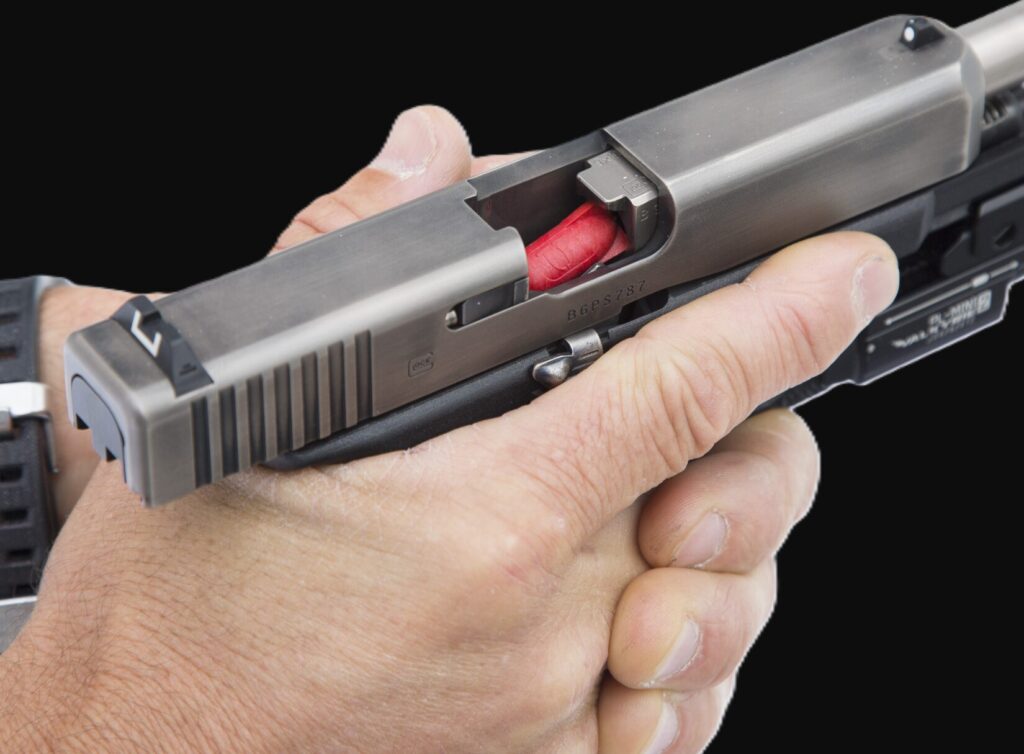
Clearing a Type 3 Malfunction
While techniques vary slightly across instructors, the core sequence is consistent. The objective is to remove the source of the stoppage, clear the chamber, and reload the gun.
The shooter begins by locking the slide or bolt to the rear. This relieves tension on the magazine and allows it to be removed. Next, the shooter strips the magazine from the gun. Because the magazine is often bound by the double feed, this may require aggressive manual force.
Once the magazine is removed, the shooter cycles the action several times to clear the chamber and eject any stuck casings or rounds. A fresh magazine is then inserted. Many instructors recommend using a new magazine to eliminate the possibility of a magazine‑induced malfunction.
Finally, the shooter chambers a round and assesses the situation. This process must be executed smoothly and decisively.
The Training Challenge
The challenge with Type 3 malfunctions is not the clearance procedure itself; it is replicating the malfunction reliably during training, particularly when the goal is to have the malfunction occur at an unexpected point.
Instructors often attempt to replicate Type 3 malfunctions manually by placing a loose round in the chamber, partially inserting a magazine, or manipulating the slide to trap a casing. These methods are inconsistent, time‑consuming, and often unsafe. They also fail to replicate the true mechanical resistance of a real double feed under live‑fire conditions.
This training gap led to the development of the Type 3 Malfunction Round (T3MR) from LiveFire Tactical Training, LLC. It allows the shooter to train clearing Type 3 malfunctions in live fire.
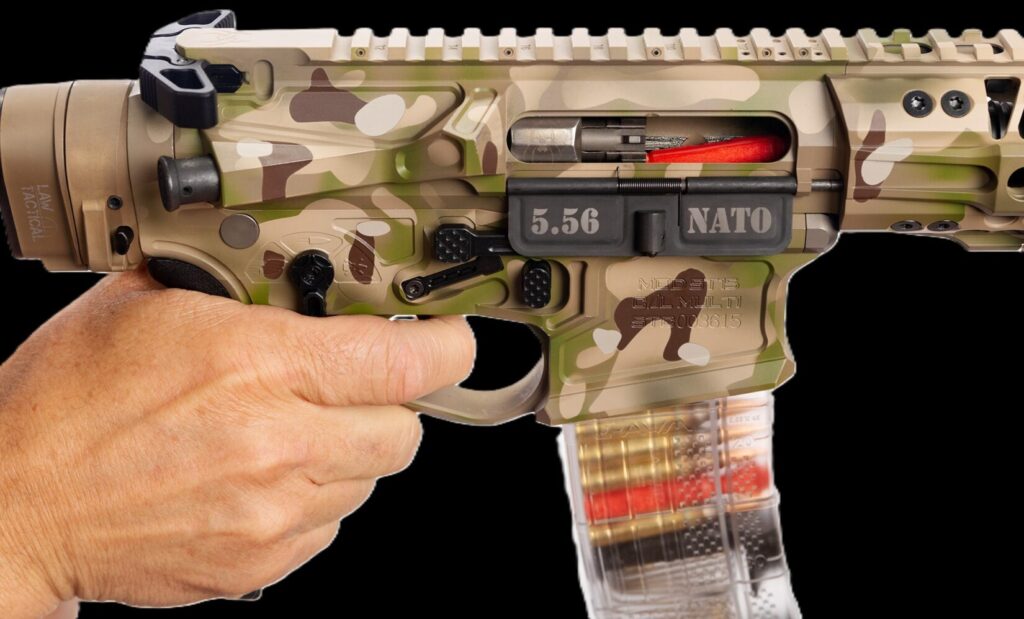
Introducing the Type 3 Malfunction Round (T3MR)
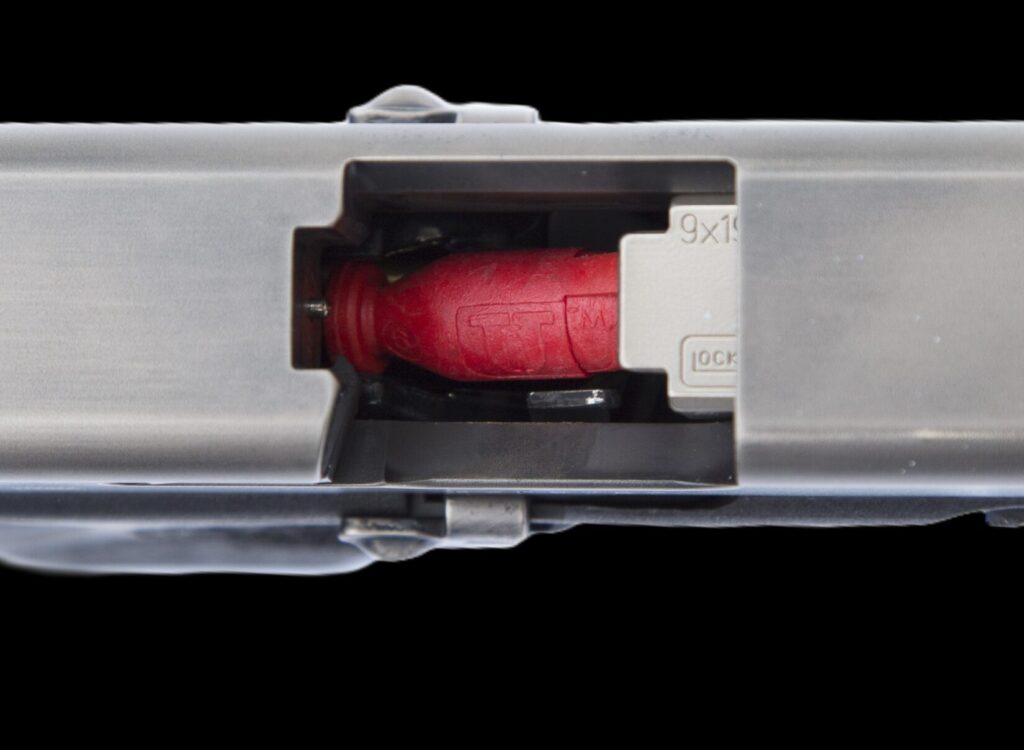
The T3MR is a patented nylon training round designed specifically to replicate a true double feed. Unlike dummy rounds or snap caps, the T3MR is engineered to create the same mechanical interference that occurs during an actual Type 3 malfunction.
The T3MR is loaded into a magazine like a standard cartridge. It may be loaded anywhere in the magazine except the bottom.
The T3MR interacts with the feeding cycle during a live-fire drill to create a controlled, repeatable double‑feed condition. The shooter experiences the same locked slide or bolt, the same resistance, and the same difficulty removing the magazine that would occur during a real malfunction. This allows shooters to practice clearing Type 3 malfunctions under recoil, under stress, and under realistic conditions.
It is an unbeatable training tool. It is also a valuable time saving/cost saving investrment for instructors and/or training academies when they have to run hundreds of students through malfunction drills. Time is money, and the T3MR allows instructors to save time and money and take the hassle out of manually training malfunctions the old way.
The T3MR is currently available in 9mm, .40 S&W, .45 ACP, and .223/5.56 NATO, allowing instructors to integrate the T3MR into both pistol and rifle training programs. A T3MR round typically lasts for hundreds of induced malfunctions and often survives years of regular training use.
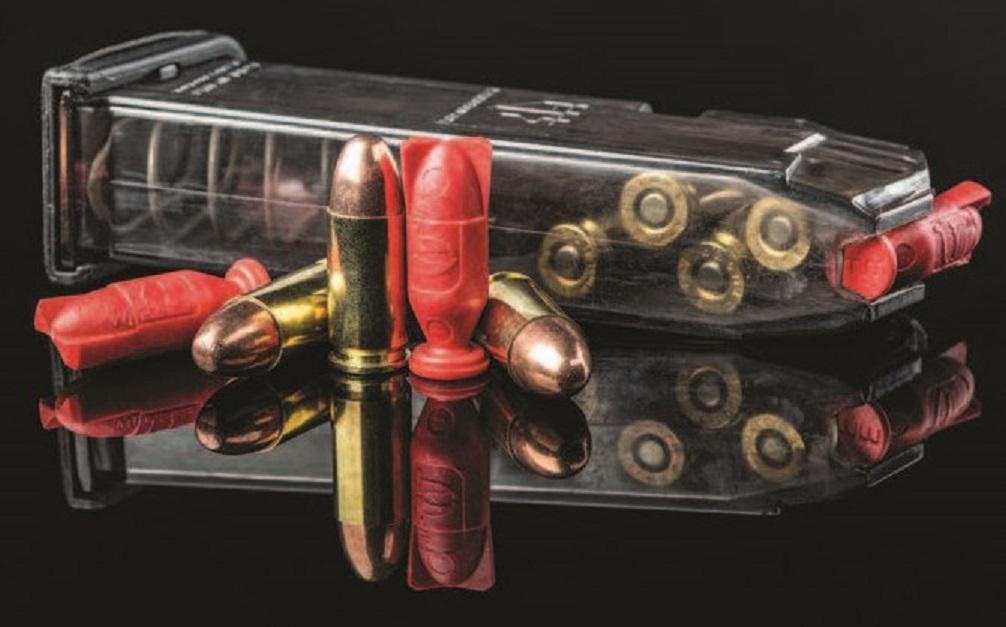
The T3MR fits into the magazine like a regular cartridge. It can be loaded randomly anywhere in the magazine except the bottom. (Photo: LiveFire Tactical Training)
Advantages of the T3MR in Training
One of the primary advantages of the T3MR is its ability to replicate the mechanical characteristics of a true double feed. Improvised methods simply cannot match the consistency or realism of a purpose‑built training tool.
Because the T3MR is made of nylon and designed specifically for this purpose, it eliminates the risks associated with manually inducing malfunctions using live rounds.
Another advantage is repeatability. Instructors can induce a Type 3 malfunction on demand, allowing shooters to build confidence and speed through repetition. The T3MR also integrates seamlessly into live‑fire drills, allowing shooters to experience recoil, stress, and time pressure while clearing the malfunction. This bridges the gap between classroom instruction and operational performance.
Integrating the T3MR Into Training
Instructors can integrate the T3MR into training in several ways.
Foundational drills should begin with slow, deliberate repetitions of the clearance sequence. Shooters must build recognition, efficiency, and smooth weapon manipulation before adding complexity.
Once proficiency is established, instructors can incorporate the T3MR into timed drills, movement drills, low‑light scenarios, and decision‑making exercises. The goal is to ensure shooters can clear a Type 3 malfunction while processing information, moving, and engaging threats.
Instructors should randomize when the T3MR is loaded to prevent anticipation. Mixing Type 1, Type 2, and Type 3 malfunctions reinforces diagnostic skills.
Emphasizing aggressive magazine stripping is critical. Hesitation is the enemy. Instructors should also evaluate grip, stance, and weapon control during the clearance process to ensure shooters are not inadvertently contributing to malfunctions.
Final Thoughts
Type 3 malfunctions are rare, but their impact can be catastrophic if the shooter is unprepared. Clearing them must be as instinctive as performing an emergency reload. The T3MR provides a safe, reliable, and realistic method for shooters to train this critical skill under live‑fire conditions.
By integrating the T3MR into regular training cycles, instructors can ensure their shooters are not only familiar with Type 3 malfunctions but fully capable of clearing them under the most demanding circumstances.
Survey data continues to highlight a serious gap in police firearms training: while officers consistently express a desire for regular, realistic, scenario‑driven practice, many departments still offer little more than the annual qualification. Until agencies expand their training programs, officers are left to take ownership of developing and maintaining these critical skills on their own.
One advantage of the T3MR is how effortlessly it allows officers to work through one of the most challenging malfunctions.
With training time already scarce, the ability to simply load a T3MR round during quarterly or annual range sessions gives officers a quick, reliable way to get meaningful repetitions. Because structured training is so infrequent for many personnel, malfunction drills often get skipped entirely. The T3MR removes that barrier. Just drop it into the magazine during routine practice, and you’ve immediately added valuable reps without needing extra time or setup.
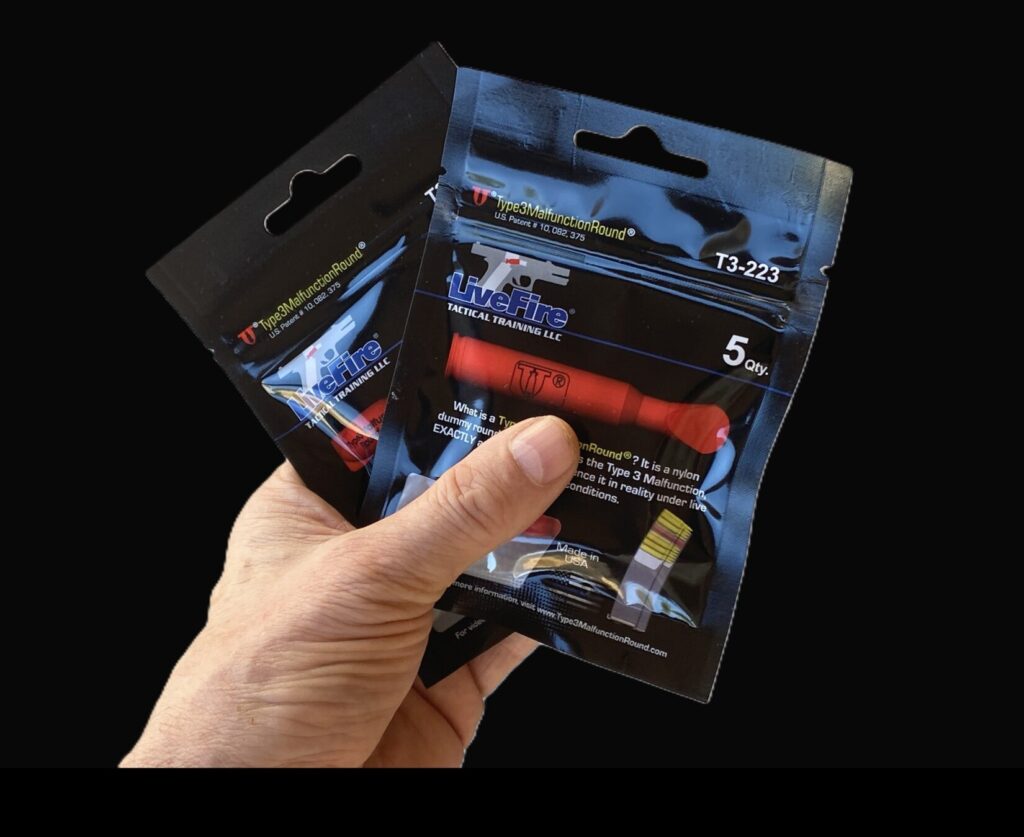
The T3MR is sold in packs of five (MSRP $19.95) and 100 rounds (MSRP $199.00). The 100-packs are available to military and law enforcement at a discounted price at www.livefiretacticaltraining.com/military-law. They are made in the USA. LiveFire Tactical Training is a partner of the NRA Law Enforcement Training Division.