
Before I started my own business, I commuted to work. Depending on where I was living at the time, my commute ranged from 10 minutes to an hour and covered backroads, highways, and a mix of urban and remote landscapes.
On a normal day, I viewed my commute as just time behind the wheel, but the thought occasionally crossed my mind of having to walk to safety in an emergency. In extreme cases, I’d have to walk from my workplace back home. Many scenarios could potentially happen where walking from a vehicle or avoiding large crowds en route could present themself.
Whatever your scenario is, this bucket prep article is all about the bugout cache to resupply along your way. As you’ll read, I advocate having the kit prestaged rather than attempting to haul it all from the start.
Background: American History
I’m a history buff, and I love the wilderness. I am therefore a fan of the 18th-century longhunters of the American frontier. These hunters would travel far from society and carve out trade routes, all while dealing with survival needs and avoiding hostiles along the way.
The reason they could cover great ground was the minimalist nature of what they carried. They were resourceful, and they could work with the resources from the land. The kit they carried was expertly chosen, and they relied on resupply of equipment along their routes. Spare lead, powder, and food provisions were all discreetly cached.
Fast forward to the Appalachian Trail, a bit further east than where the longhunters traveled. Many who take to that trail will stage resupply points along the way instead of attempting to carry all of their provisions on their back. It makes sense, if possible, to have gear waiting for you instead of slowing yourself down with a heavier pack. We can take hints from the past as we plan for the unknown in the future.
The How
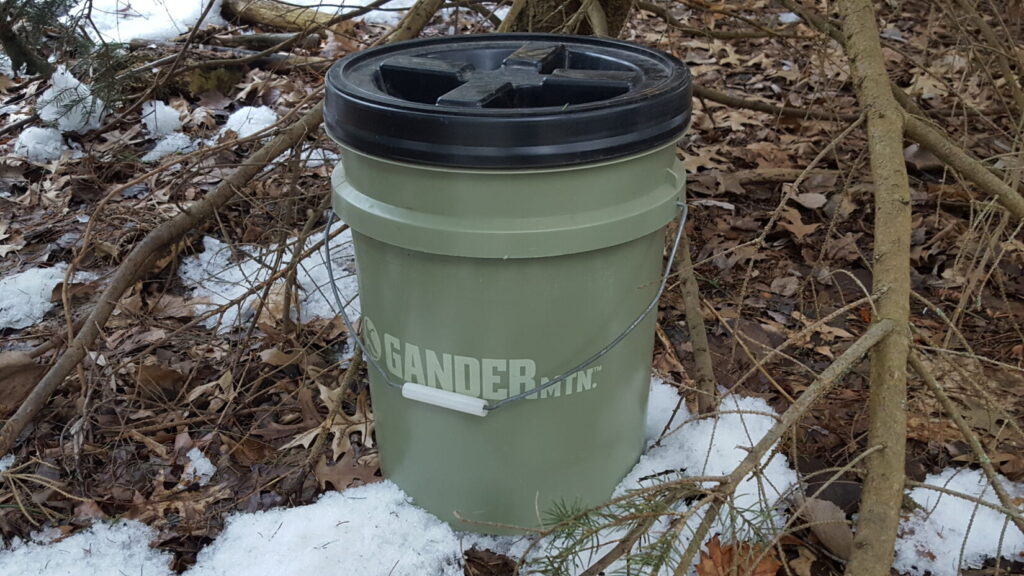
A 5-gallon bucket with a good seal is an excellent container for a cache. The container is strong, water-tight, and it is easily sourced. To make it more trustworthy, the contents can be placed inside vacuum seal bags. These bags will reduce any scent if food is stored, and they will keep moisture to a minimum if small desiccant packs are included in them.
Once the contents of the bucket are packed and the lid sealed down, a strip of duct tape can be run around the seam where the lid meets the bucket as an additional redundant layer.
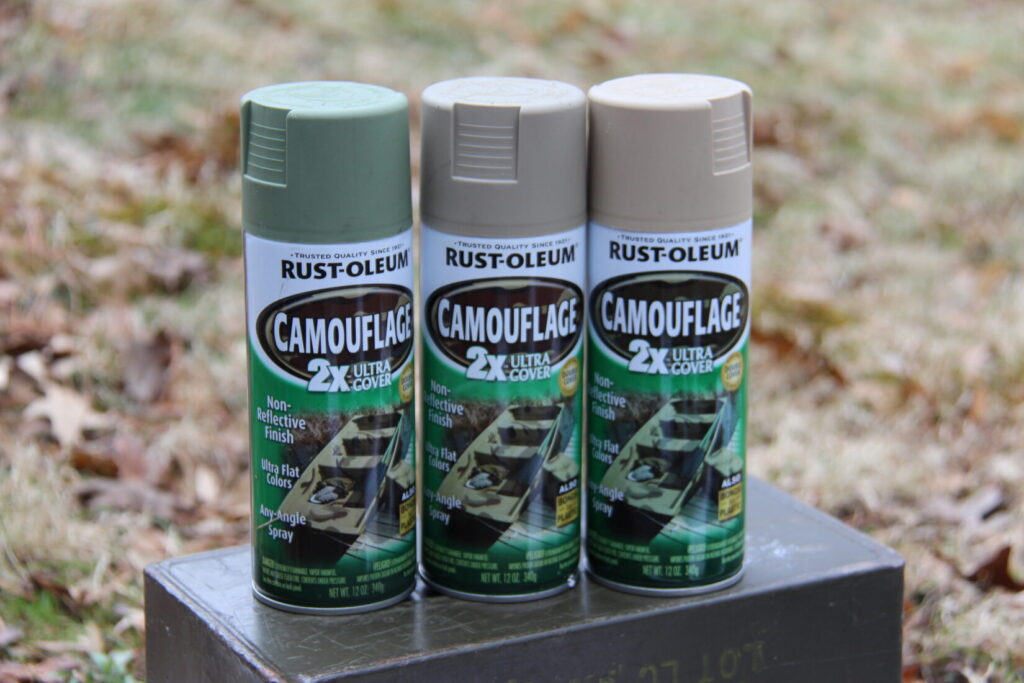
If your 5-gallon bucket is to be stored in the wilderness, you may want to add a layer of camouflage to the exterior with a coating of your favorite Krylon. Start with a light base color and then add darker colors in irregular patterns and use stencils made from leaves or laundry bags if available. Even if the bucket is eventually buried, you don’t want anything that contrasts against the landscape if you’re attempting to blend in and not stand out.
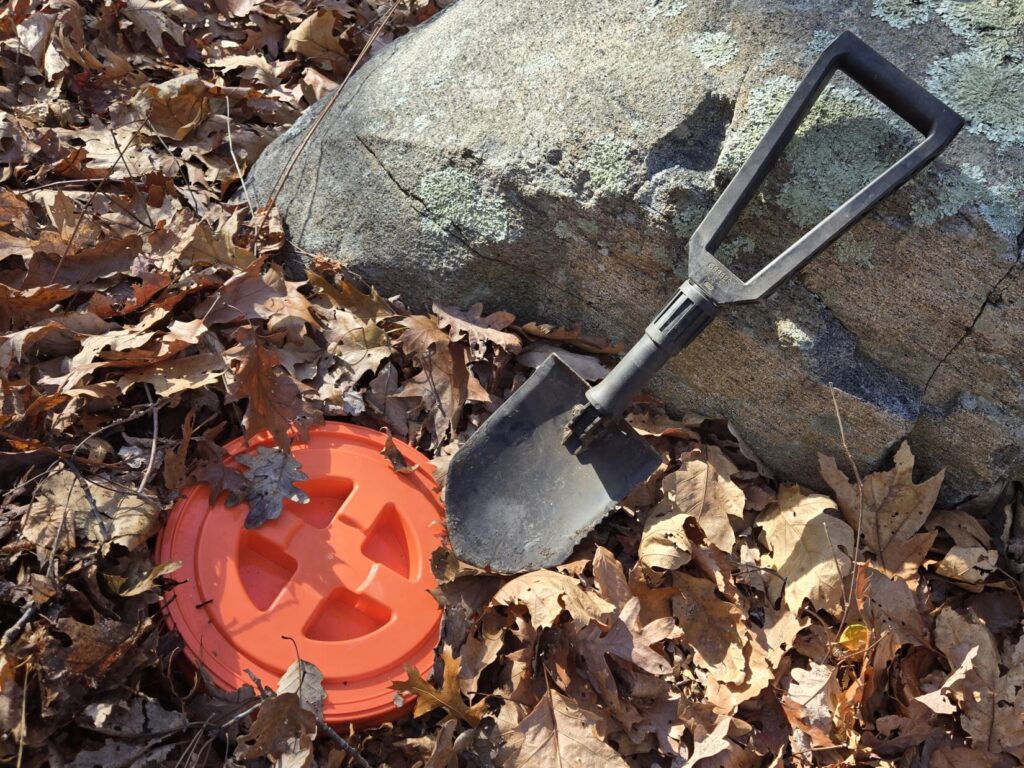
You will want to use multiple buckets or containers for resupply instead of a single large container. This approach honors the light and fast method of resupplying frequently with strategically placed drops.
The Where
Packing your bucket is the first step; burying your bucket is the next. You should identify suitable locations based on your most likely route from work to home or home to your bugout location. These locations should not be heavily trafficked, and making them out of the way is not a bad idea. Keep in mind, where you place your cache must be accessible to you without tools you won’t be carrying.
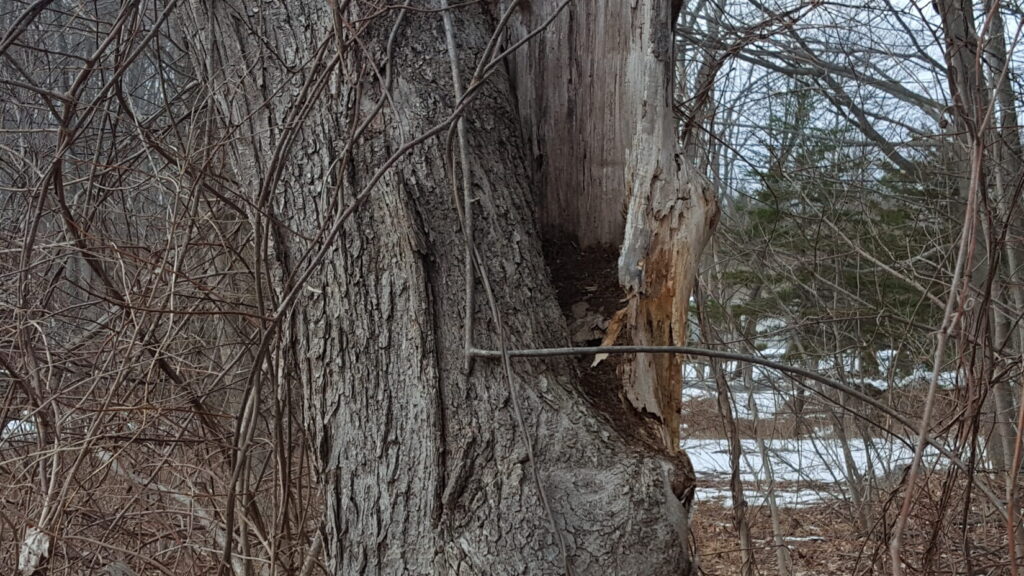
Buckets can be placed in shallow holes and covered over with debris. They can be buried in rock piles or placed inside large hollowed-out logs. Avoid placing buckets in natural lines of drift. That is, where people will want to walk or travel for ease of movement. Buckets should also not be placed where natural hazards are present, like high water, deadfall branches, or poisonous plants.
Wherever you choose to place your cache, make sure it appears the same after placement as it did when nothing was there. Carefully remove the top layer of earth and place it on a tarp. Take a photo of the area before and compare it after. You can use a GPS or hunting navigation programs to mark the location, or you can use old-school fieldcraft to create a natural marker from the landscape.
An old poacher technique is using a piece of old rubber from a tire to mark the location of where a recently shot deer could be found after the coast was clear of game wardens. What worked then will still work now.
The What
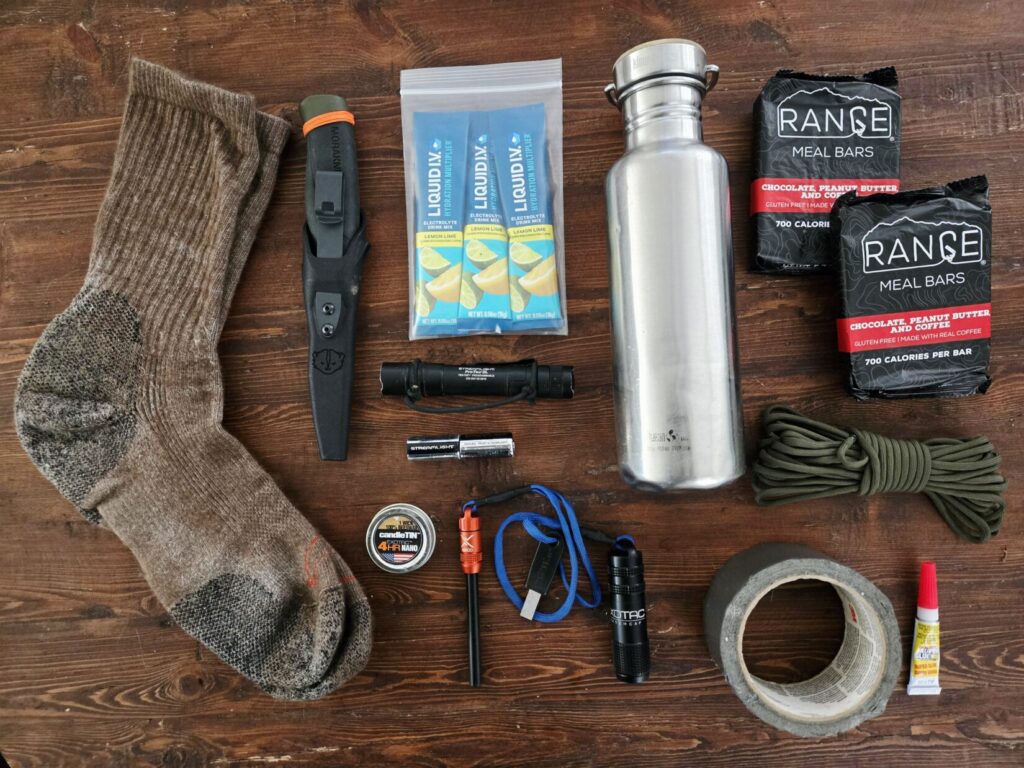
Mission always dictates gear, and training dictates tactics. It’s easy to let your mind wander to images from The Patriot or Red Dawn. While I would love to tell you a hefty supply of fresh powder, lead shot, or anti-tank rockets would be great to pack, the more practical part of my mind suggests resupplying equipment for walking from disaster. Water stored in stainless steel bottles, meal packs, fresh socks, a full set of clothes, and medical gear all fit into the possible and probable categories.
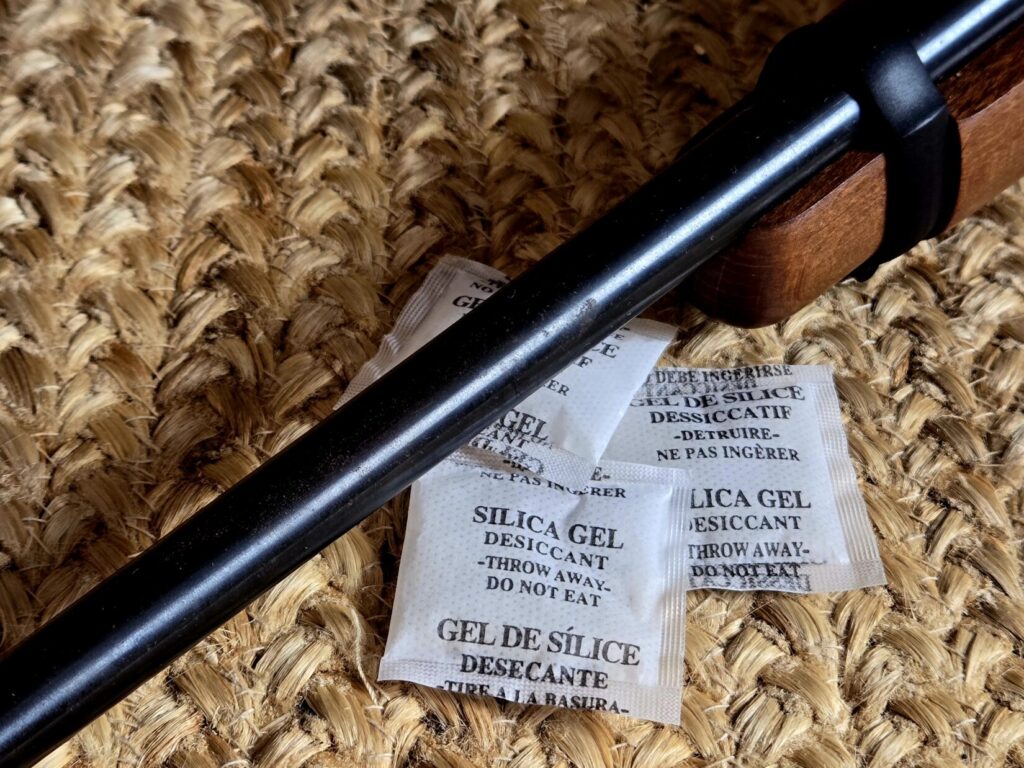
I don’t suggest packing anything that has irreplaceable value and cannot be sourced easily. If you are creating a bugout cache to help you get from point A to point B, think about the actual needs you’ll have. Don’t pack anything with a short-term expiration date, and avoid anything that could be easily ruined by rodents. Vermin will have a harder time chewing through canned foods than plastic wrappers.
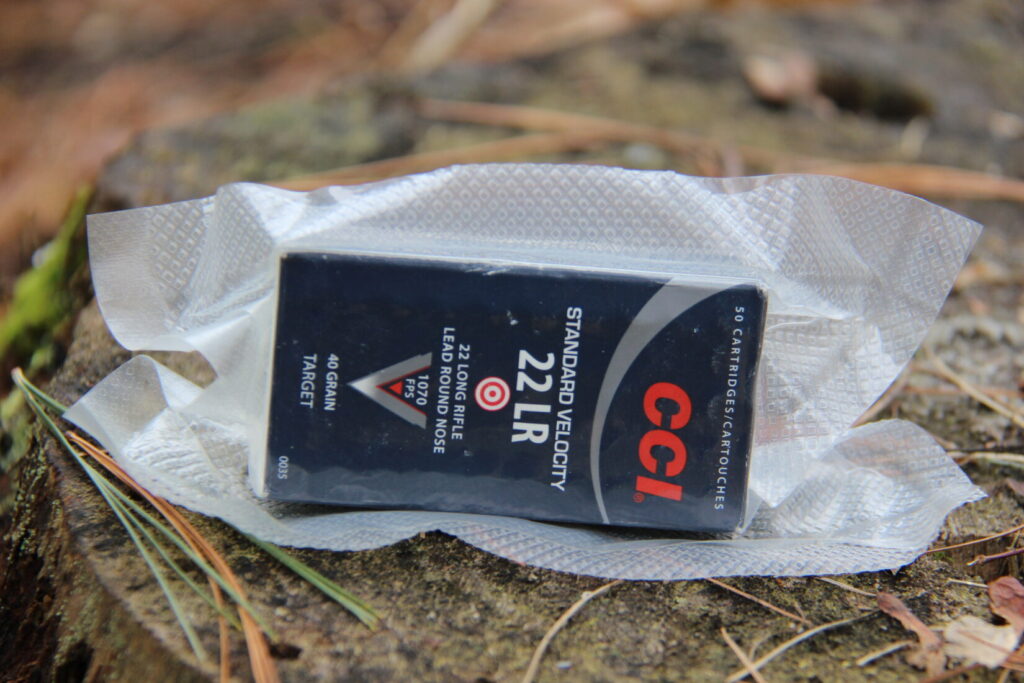
If you want to emulate the long-hunters, bannock mix, coffee, spare rimfire rounds vacuum sealed, and a spare Mora knife, all would be appreciated now if the long-hunters from hundreds of years ago existed today.
The Why
At one point, I had equipment for resupply in five different states across the country where I frequently traveled. I don’t visit all of those areas as frequently, so I’ve pared down my resupply points. It was comforting knowing I had a rucksack in a closet with basic EDC gear or wilderness survival equipment, allowing me to pack light through airports.
Prestaging items is smart in many scenarios. Marathon runners don’t carry water with them; they find it at water points along their run. The military developed the concept of the speed ball with critical ammunition and rations hastily dropped to sustain fighting forces. You may find leaving a bucket of essentials at a trusted friend’s house or a relative’s is comforting in case you are forced from your home for some unexpected reason.
If you have the means, you may even have multiple storage units or perhaps safety deposit boxes. The concept is the same regardless of how the plan is carried out. What are you putting in your bugout cache, and where will you place it? Only you can determine that.