
Shotguns are finicky in a variety of ways, including how they name the variety of cartridge sizes. Today, we are going to examine the big three in American shotgun cartridges and discuss the pros and cons of each option. While we have three options, one is most assuredly the best option.
I use cartridges because with shotguns, we have two options measured in gauge and one in bore: the 12 gauge, the 20 gauge, and the .410 bore. If we gauged the .410, it would be 67 gauge.
Gauge is an odd way to measure things, but essentially, gauge is determined from the weight of a solid sphere of lead that is the same size as the inner bore of a firearm. So, 12 gauge means it would take twelve equal-sized spheres the size of the shotgun’s inner bore diameter to equal one pound. As the number gets smaller, the bore diameter gets bigger. The 12-gauge would be the largest of the three.
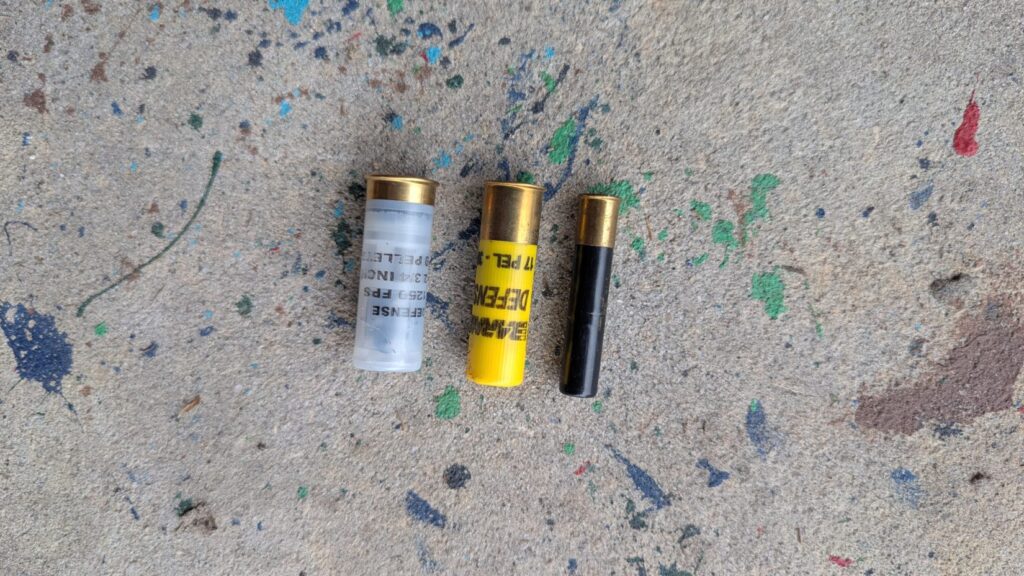
Bottom line up front, with proper load selection, all three of these options can reach coefficient penetration to reach the vitals and stop a threat. With that said, there are limitations and inherent advantages to the options.
12 Gauge
My number one cartridge choice for defensive shotgun applications will be a 12-gauge. This is the most proven and most available option for a defensive shotgun. In terms of firearm selection, there is a vast amount of 12-gauge shotguns oriented to defensive and tactical use.
Beyond firearms, there are also a substantial number of purpose-built defensive shotgun rounds. For our purpose, we want a low-recoil round with projectiles that meet the established 12-inch standard in ballistic gel.
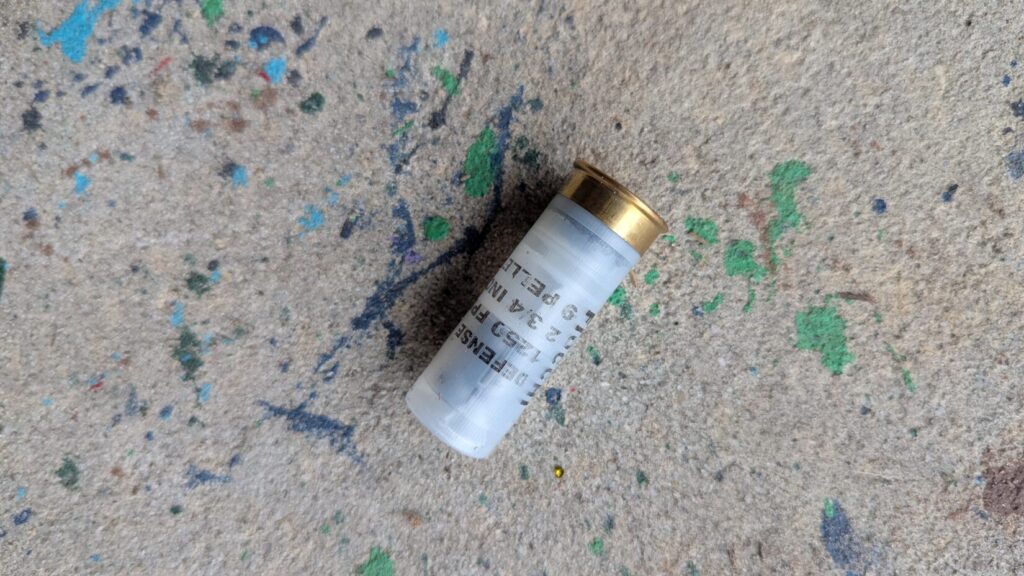
Additionally, because of its commonality, it’s often the cheaper option. You’d think a bigger hull with more lead would cost more, but scale has its perks.
What about recoil? The 12-gauge round does potentially have the most recoil if you do not choose a proper reduced recoil load. However, with the right load, you are getting a lower recoil option than the 20-gauge options.
The 20 Gauge
I used to believe that 20-gauge shotguns offered a great low-recoil option compared to 12-gauge, but in the last year or so, I’ve extended my 20-gauge cartridge experience.
The 20 gauge has the potential to have the least amount of recoil, but the current market doesn’t really support it. There are hardly any defensive-oriented loads, with the Flitecontrol option just coming out in 20 gauge and having more recoil than the 12 gauge version.
Most are sporting loads and are pushing the velocity fairly higher than we need for defensive use. When you toss those rounds into a lightweight 20-gauge frame, the recoil doesn’t feel all that much different than a 12-gauge.
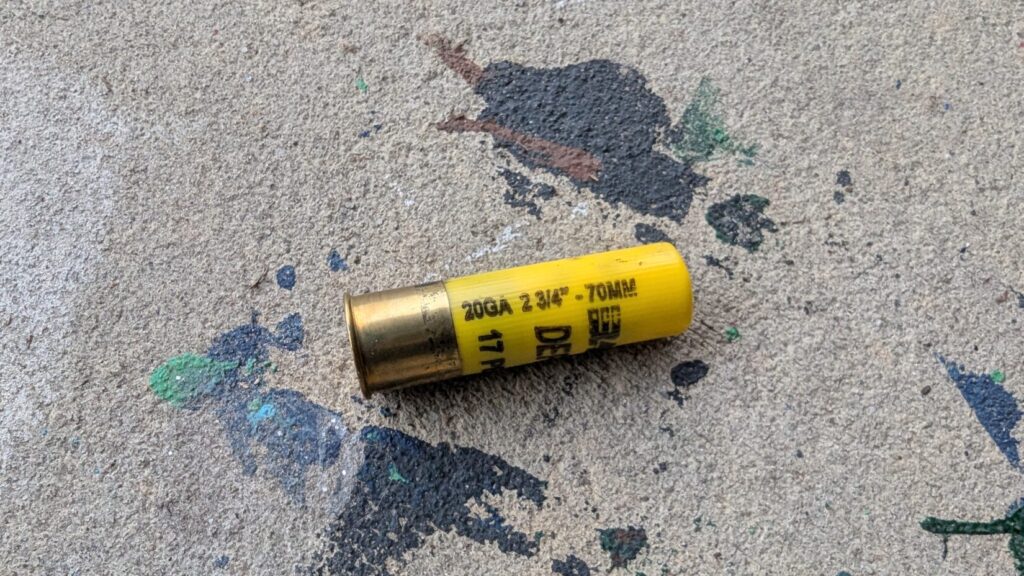
The strength of a 20 gauge isn’t its recoil reduction, but it’s your ability to have a much lighter gun overall. This may change with the introduction of more defensive-oriented 12-gauge loads. What I would love to see is an eight or nine-pellet, low-recoil, copper-plated, buffered 20-gauge load.
If you want the lowest recoil experience with a high level of firepower, I’d suggest a semi-auto, gas-operated shotgun utilizing low-recoil 12-gauge tactical loads.
The .410
The little .410 offers you a very light gun with light recoil. The Taurus Judge more or less saved the .410 and provided a renewed interest in this little shotgun.
The .410 has more defensive loads available than the 20 gauge. Rounds like the Remington Ultimate Defense give you a 3-inch load of 000 buckshot holding five pellets. The 3-inch can feel stout to some, but the 2.5-inch three-pellet load is a real daisy.
The .410 does lack defensive-oriented shogun options. I can only think of the new 590 in .410 or the Mossberg 500 HS. There just doesn’t seem to be an exceptional amount of options. That said, it offers very low recoil.
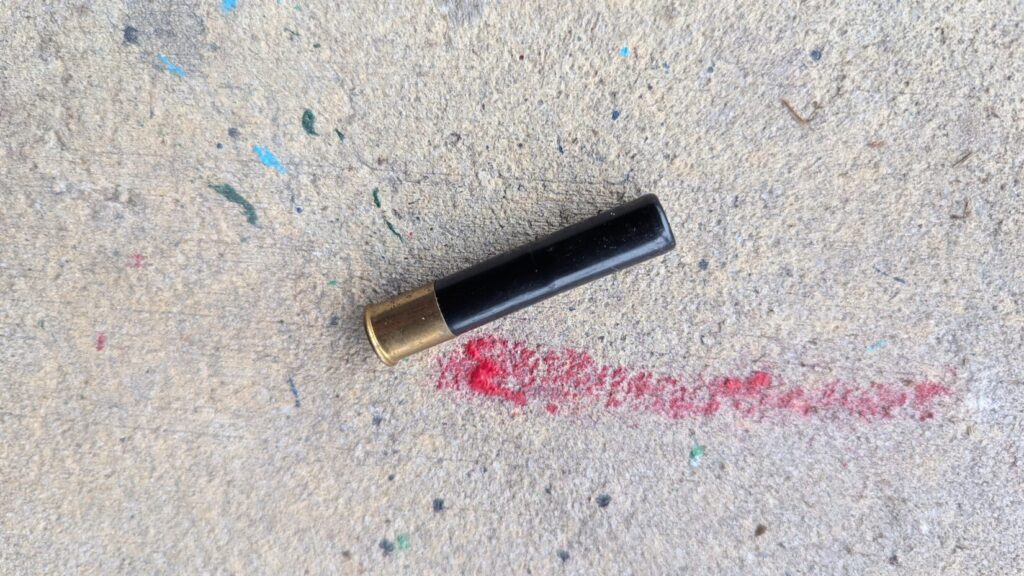
While the .410 cartridge certainly works with the right load, I do have trouble recommending it in the face of other options. If you’re so recoil adverse, you need a .410, maybe the shotgun isn’t the best option for you. We are cutting the payload a bit to keep the recoil low.
Will it work? Sure, but if your recoil tolerance is only capable of accepting the recoil from a .410, a 5.56 carbine, or a PCC might be a better option. Of course, if you’re in a ban state, then a shotgun might just be the better overall option.
Where the .410 does shine well is in the firearm department. The pistol grip only, not a shotgun like the Shockwave. The .410 Shockwave is very lightweight with low recoil. It’s easy to handle compared to the larger gauges. If you wanted to maximize your maneuverability with a scatter gun, then something like the Shockwave in .410 is an option.
Beyond the Cartridge
We’ve talked about the big three, but what about 16, 10, and 28 gauge? The main problem with these three is a lack of modern guns and modern ammo. I adore the 16 gauge and wish it were more popular, but as of now, the options are too limited for me to recommend them, and aren’t worth doing a deep dive for this series.
With that said, I would spend a lot of money on an Ithaca Roadblocker.