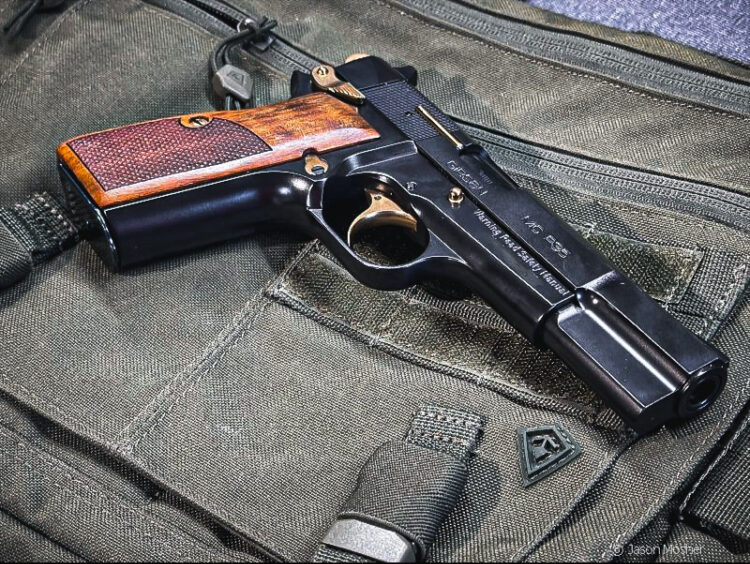
The Browning Hi-Power has the DNA of John Moses Browning, the inventor of the famed 1911 handgun. And yet, the Hi-Power is a legend of its own. This pistol is one of the world’s most historically significant handguns. It is completely intertwined with global history and was used in conflicts across every continent.
The Hi-Power was the final pistol project for Browning, giving it even more significance. He unfortunately died before the design was finalized. Finishing a firearm design that was originally started by John Moses Browning is not just a hard task, but a near-impossible one.
This important task fell on the shoulders of a person most people have never heard of. His name was Dieudonné Saive, a firearms designer from Belgium. Even though his name was never as popular as Browning’s, he invented some of the most famous firearms in the world.
I’ve always had a fondness for the Hi-Power, and have owned a few different versions from various manufacturers over the years.
Who was Dieudonné Saive?
Dieudonné Joseph Saive was a Belgian small arms designer. He was born in Wandre, Belgium, in 1888 and started working for Fabrique Nationale, or FN, shortly after high school. He became a tool designer in 1906.
During World War I, he escaped to England and worked as a machinist for Vickers. After the war, he returned to FN and continued his work.
Browning did a lot of work with FN over his lifetime, and before his death, he spent a great deal of time at their facility. In fact, this is where he was when he passed away in November 1926.
Saive was Browning’s assistant at FN, which gave him an invaluable insight into designing firearms. Their relationship started after Saive designed an experimental high-capacity, double-stack magazine.
Its first testbed was an FN1903 pistol. The magazine was a success, and Browning ended up using it with many of the firearms he designed.
By 1930, Saive was promoted to FN’s chief weapons designer.
The Hi-Power’s Design
The French military started the Hi-Power project in the early 1920s. They requested a new military pistol they called the “Grand Rendement,” or “high efficiency.” The French required a compact gun with a magazine holding at least ten 9mm rounds. Browning took on the job, but he had to design around his prior M1911 patents. The rights to those patents belonged to Colt.
Working in Utah, Browning built two prototypes for the project: a simple blowback pistol and a locked breech, recoil-operated design. Capacity was the point, so both were built around Saive’s new staggered, double-stack magazine.
Browning filed the U.S. patent for the locked-breech version in 1923. But he died in 1926 before the design was finished.
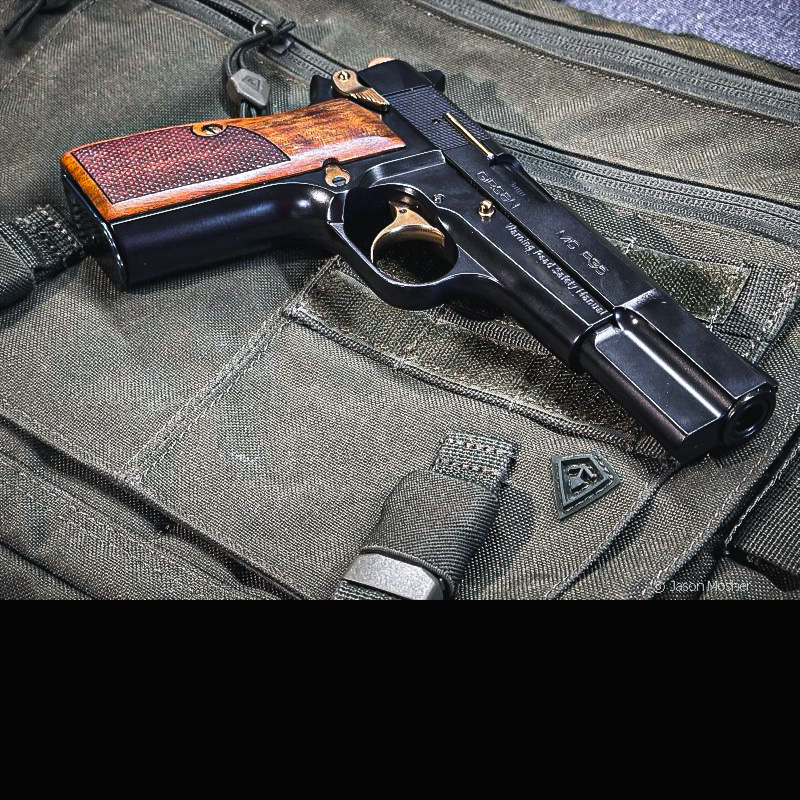
The job of finishing the pistol fell to Dieudonné Saive, who completed and refined the pistol. By 1928, Colt’s M1911 patents had run out, which freed Saive to borrow features from Browning’s earlier pistol. The result was the Saive-Browning Model of 1928.
Saive’s final version had a single-action external hammer and a manual thumb safety. Six more years of refinement had the pistol ready for production by 1934. Its final military name became the GP-35, or Grande Puissance (“High Power”).
In a strange twist of events, the French did not adopt the Hi-Power once it was completed. They instead chose the Model 1935 pistol, also known as the “pistolet automatique modèle 1935A,” for their military. This pistol was chambered in 7.65mm instead of 9mm.
Even though the French declined to adopt the Hi-Power handgun, it would go on to become a legendary pistol used around the world.
The Hi-Power in World History
The Hi-Power was immediately successful despite the French not adopting it. Belgium adopted it for military service in 1935, and other nations like Lithuania and Romania also purchased the pistol.
Its rise to fame, however, came on the heels of World War II. When Germany invaded Belgium in 1940, the Nazis captured the FN plant. The German forces forced the plant to continue production of the pistol, which they renamed the Pistole 640(b).
Meanwhile, Saive escaped the invasion and fled to the United Kingdom. It was probably hard to see his own design being used by enemy forces.
To counter this, Saive helped set up production of the Hi-Power for the Allies in Canada at the John Inglis Company. The pistol was used by British Commonwealth and Chinese forces during the war.
This created the unusual situation of the Hi-Power being used by both Allied and Axis forces, a rare thing to happen.
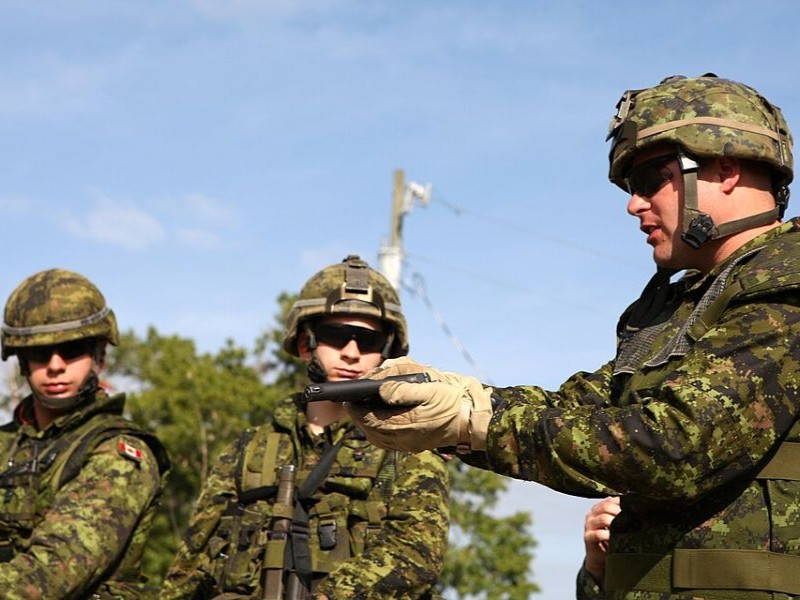
After WWII, the Hi-Power was adopted as the standard military sidearm by many Western nations. More than 50 countries have used it for military and police forces. While the famous handgun is slowly diminishing in active-duty use, many militaries and police forces continue to use it today.
The Right Arm of the Free World
Saive’s success as a designer cannot be attributed solely to Browning, though I’m sure Browning influenced him. He appeared to have a natural gift when it came to the art of invention.
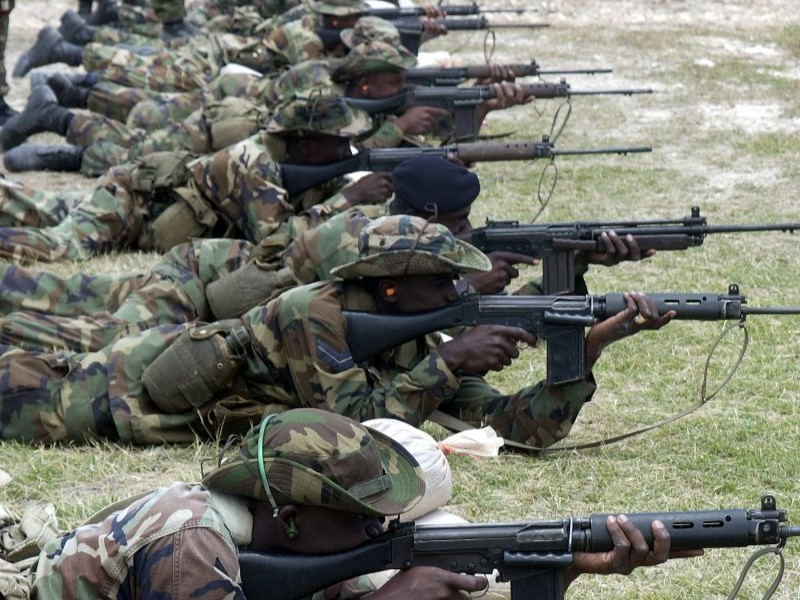
His inventions included the FN Model 1949, a self-loading rifle that led to the widely successful FN FAL battle rifle. More than 90 countries have fielded the FAL. That reach earned it the nickname “the right arm of the free world.”
Some of Browning’s smaller designs went through Saive’s hands, too. The Baby Browning pistol is one he heavily modified.
The Hi-Power may carry Browning’s name, but it’s just as much Dieudonné Saive’s pistol. Add the FAL to his list of inventions, and it’s hard to name a designer who did more to arm the free world with so little recognition.
Nearly a century later, the Hi-Power’s story still isn’t over. In 2022, FN brought it back as the FN High Power, a reimagined, American-made version with 17+1 capacity, and it’s still in America’s lineup today.