
When I first transferred to the agency where I would eventually start a patrol rifle program, we had old shotguns. The average sergeant didn’t want to ‘burden’ every officer by making them carry a shotgun to their car at the start of a shift and back in at the end of the day. They might issue one. They might issue a couple if someone else wanted one.
But it wasn’t surprising, as there was no training, the shotgun setups were less than ideal, and they were definitely not maintained.
The guns weren’t equipped with slings, and the side saddles were so worn that rounds were starting to fall out of them. The shotguns had rust starting to form all over them. When I first transferred there, I got permission to buy slings, but some guys would take them off and leave them behind—likely because they could snag on other equipment in the car if the sling wasn’t properly stowed.
Back then, you had to unload the gun every shift and throw the shells into a coffee can; this constant handling beat up the rims and caused the polymer buffer in the shells to leak out, which eventually built up and jammed the magazine tubes.
To this day, they literally fire no more than 15 rounds per officer, per year at annual ‘training.’
The slow transition to patrol rifles
Several years before Sandy Hook, another officer and I joined a small multi-jurisdictional SWAT team. Over time, that team eroded, and we eventually moved on. The Chief at the time allowed the other officer and myself to keep our SWAT rifles for use as our personal patrol rifles, but that arrangement changed with the tragic events of the shooting at Sandy Hook Elementary School. Suddenly, the demand for a patrol rifle program exploded.
I knew the standard routine for the handgun and shotgun program was to come late (usually an hour or more after the start of the shift), take an hour and forty-five-minute lunch/dinner (often a “liquid lunch”), and leave an hour and forty-five minutes early. All while getting eight hours of overtime, of course, so I decided to step up.
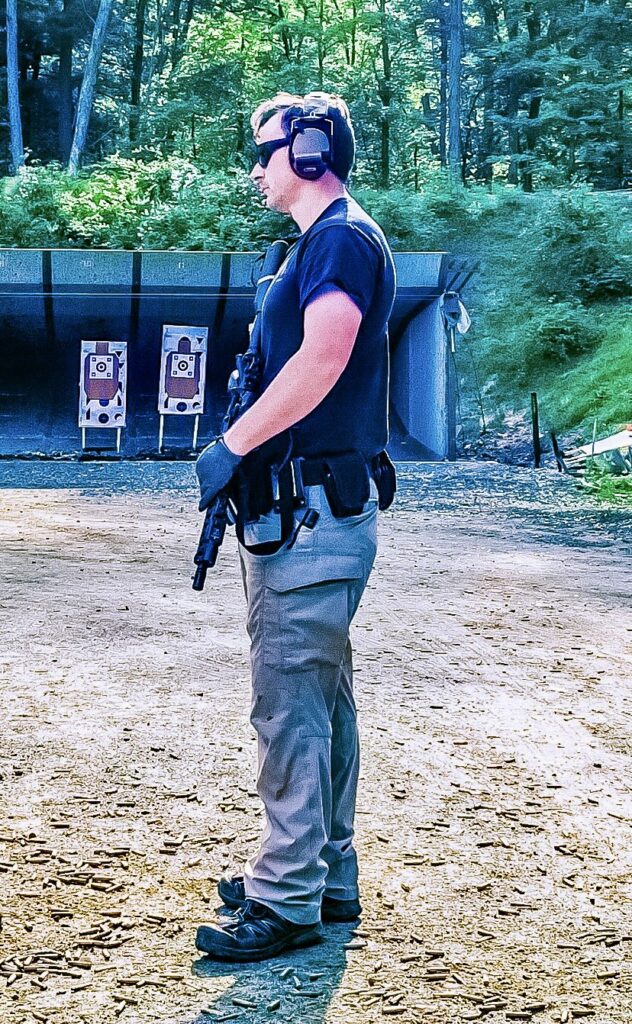
Having attended the FBI Firearms Instructor and Carbine Instructor schools the year before—on my own time and at my own expense—I approached the Chief and volunteered to launch the department’s first patrol rifle program. I wasn’t an assigned firearms instructor at the time and knew I would be stepping on some toes. It was also bound to be an uphill battle from a budget perspective, but I knew I had to strike while the demand for patrol rifles was high following Sandy Hook.
As a Chief, budget is always a concern, and he had six months left in his fiscal year. After some back-and-forth and me really demanding and explaining it was what we needed at a minimum, we agreed to an initial three-day basic carbine course for every officer, followed by a full eight-hour requal once a year.
That conversation occurred in December. Adhering to the phrase ‘strike while the iron is hot,’ and not wanting to lose momentum, I scheduled the first two classes immediately. To accomplish this, I had to get creative and borrow rifles so we had enough to run the courses while waiting for our own order to arrive. The first class was held in January and the second in February; I knew any delay might scrap or indefinitely postpone the project.
Doing the classes in January and February, in New York, came at the price of doing the first class in near-blizzard conditions and the second in a mix of snow, rain, and sleet. Conditions were miserable, but the class was surprisingly well-received and locked us into having a patrol rifle program. It also provided the added benefit of training in harsh conditions, which is not common in law enforcement. So it was well worth it.
upgrading
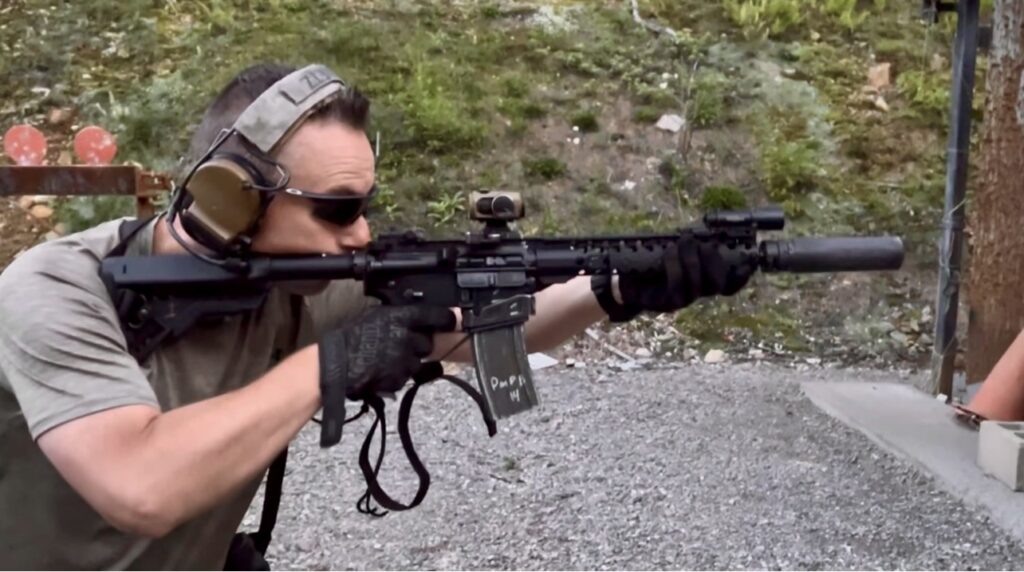
Over the years, I continued the battle to add more rifles to the fleet. I worked to upgrade the older Colt Commandos to the more modern EPR (enhanced patrol rifle) version with a free float rail, upgrade to Geisele triggers, go from Aimpoint T1s to T2s, and add suppressors. I made varying degrees of progress with different administrations, but I never gave up.
Sometimes I had to get creative with budget restrictions by requesting more funding than was strictly necessary. One time, a Chief actually increased my budget request, leaving me with extra funds on top of the cushion I had already built in. At the same time, I found a company that accepted our old upper receivers, lights, and accessories for trade-in credit. This allowed me to do things like upgrade to match grade duty triggers, add ambi safeties and charging handles, as well as newer, better slings.
a constant battle
Far too often, people are so defeated that they refuse to even try. I was told I would never get permission to join the multi-jurisdictional SWAT team, but I did. I was told I would never start a patrol rifle program, but I did. I was told I would never be able to expand the fleet, upgrade the old rifles, or buy suppressors—but I did anyway. ‘You have not because you ask not’ is a quote from James 4:2, and it proved true. Had I believed the bad advice or stopped when one administration said ‘no’ or ‘not right now,’ I never would have made any headway.
Maintaining the fleet and the program
Lifesaving equipment like a carbine must be maintained. I wrote into the policy that officers could not leave a carbine in the car at the end of a shift. I did this to prevent the exact scenario I eventually encountered: a gun with a round in the chamber, left over from its last use, pointed directly at someone’s head (mine)—only to be told, ‘It’s not loaded.’ That negligence cost that individual five days of vacation, and fortunately, it didn’t cost me my life.
As others took over the patrol rifle program and younger, less motivated officers were hired and promoted, carbines were increasingly left in cars in violation of policy. Because I was no longer there to ensure compliance, supervisors stopped enforcing the rules. On numerous occasions, I would get into a car and find that the carbine left behind wasn’t even the one assigned to the previous officer; they had simply played a game of musical chairs with whoever left a rifle in the car from the previous shift.
This created a major accountability issue. Policy required officers to clear their specific, assigned carbine in the clearing barrel at the start and end of every shift, while also verifying that the red dot and weaponlight were functional. That level of maintenance is impossible when the same rifle sits in a car for a week. I lost track of how many times I found a dead optic or weaponlight on a gun left in the car.
Maintenance is also the responsibility of those running the patrol rifle program. Once a week, sometimes more, I would lube each rifle and confirm the optic and weaponlight batteries weren’t dead. That ended when I was replaced by ‘less than enthusiastic’ officers, who didn’t have the knowledge, drive, or experience as instructors to do the job at the level that I did. They simply didn’t seem to care about providing each officer with eight full hours of quality training annually.
There was also no “handover” where I could show these brand new instructors not only how I teach, but all of the administrative work behind the scenes, like checking the zero on optics and iron sights once a year (zeroes do shift), replacing patrol ammunition that gets battered over time, proper cleaning and maintenance of rifles, and so on.
The downfall of the patrol rifle program
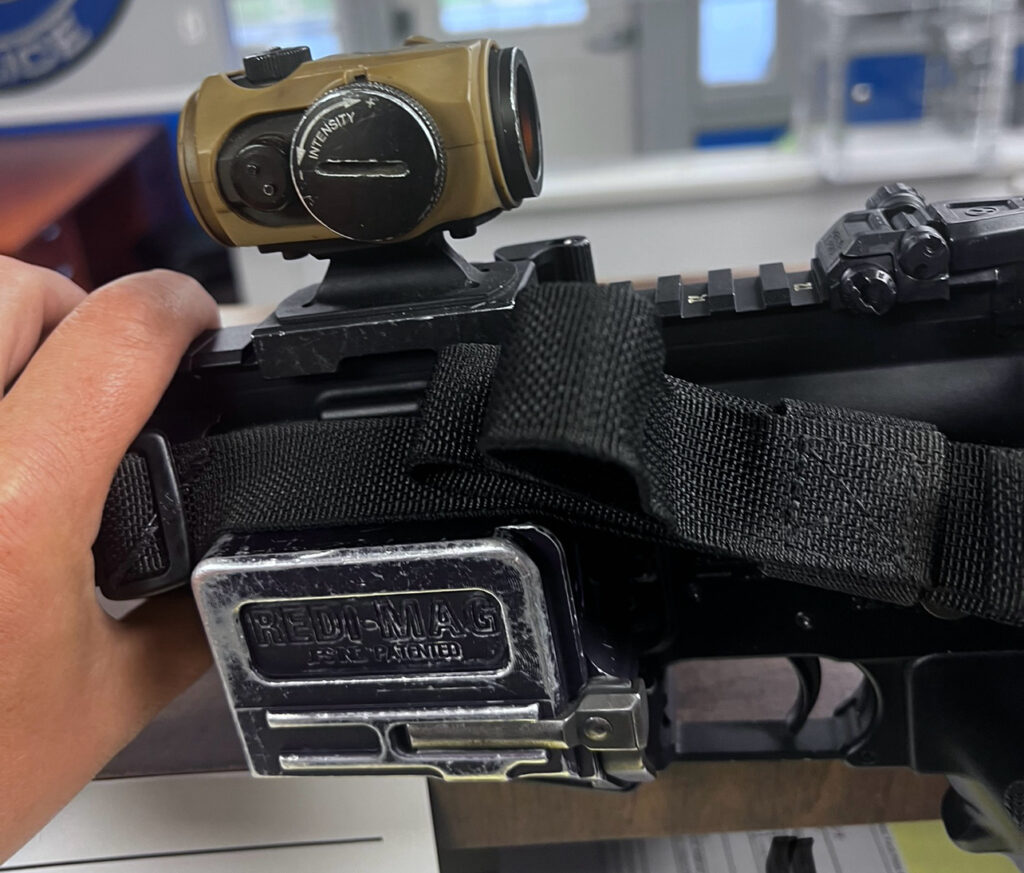
When I set out to start the patrol rifle program, I knew that if the guys who did the handgun and shotgun training started the patrol rifle program, it would not have any value. I also wondered how bad it would get when I retired.
I got to see firsthand how bad it would get, two years before I retired. A sergeant who hated firearms training once looked at a meteorite passing overhead and remarked, “I hope it crashes into the range and puts us all out of our misery!” That same man was eventually promoted to lieutenant and began telling people he intended to end my patrol rifle program. It took him two years, and he went behind my back to the Chief to do it.
When I confronted him, he said: “We are going in a different direction.” He proudly exclaimed that there would no longer be a three-day basic patrol rifle class for new hires. Guys would get one hour of one-on-one familiarization and then be put in the yearly requal class. He also told me that we would no longer train at the 100-yard outdoor range that we had used for eleven and a half years. Instead, we would now go to an indoor 25-yard range. That meant no more shooting out to 100 yards, and that we would stop qualifying at 50 yards and in.
Now, officers would qualify and train only from 25 yards and in. That may not sound like a big deal to people who like to live in the world of statistics. It is easy to say “the average police shooting is 7 to 10 feet.” That logic works until you need to take a 183-yard shot on a suspect actively engaging other officers like this Tacoma officer.
You also have to ask yourself: what is the distance from the front door of a big box store to the back wall? Or what is the longest hallway in the schools in your jurisdiction? The video linked above is far from the only long-distance shot made by a police officer. If you handicap your officer’s training because you don’t like training, you are not a leader. Don’t publicly ask for “thoughts and prayers” when it goes south, knowing that what those officers actually needed was high-quality training in the proper quantity beforehand, and you took it away.
As you can imagine, patrol rifle training quickly devolved into the same old routine: arriving an hour late, taking a lot of breaks and long dinners, and leaving extra early. The Academy range staff noticed the decline and warned me that if my agency didn’t want to train, we could find another range—they already had a waiting list of agencies eager for that time.
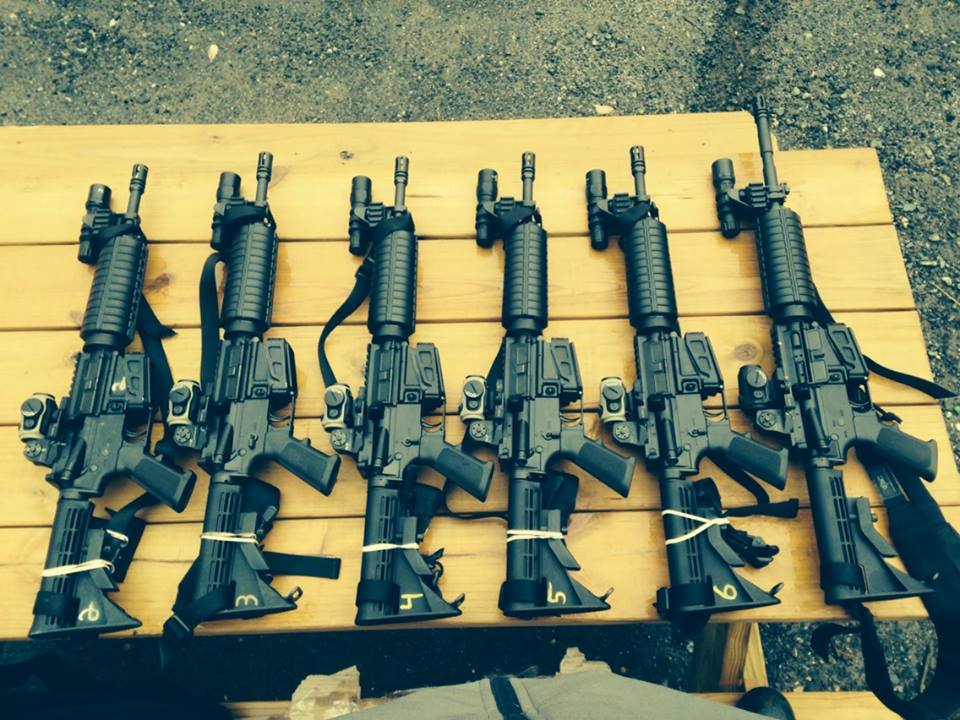
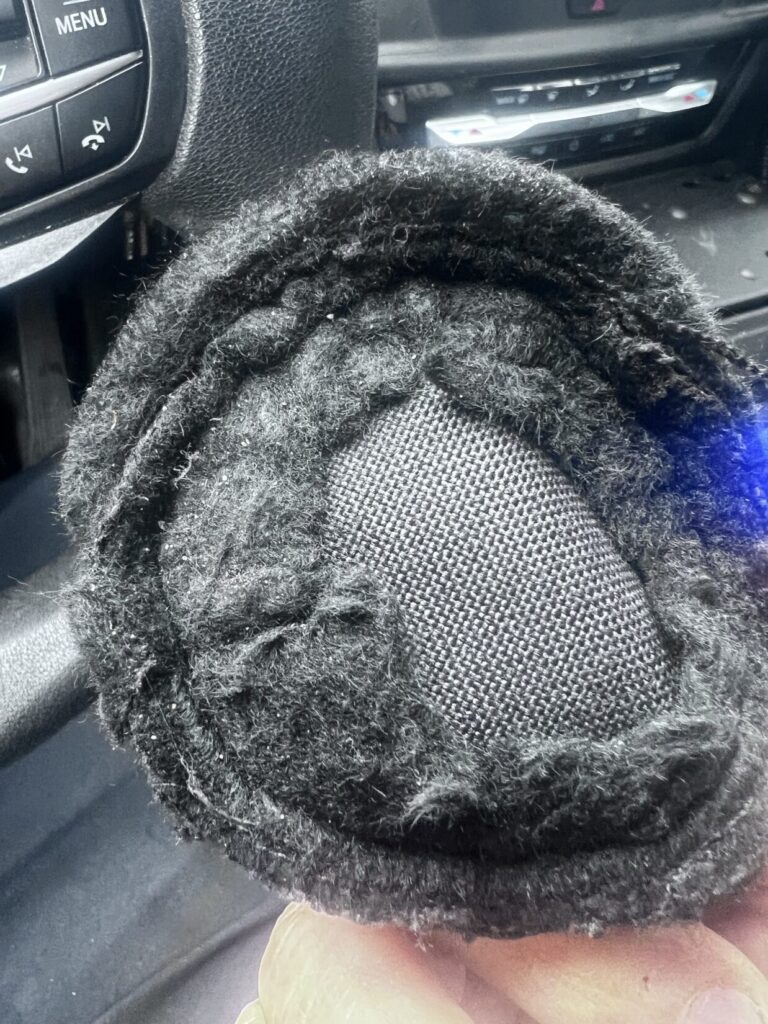
Guns were no longer lubed and maintained. Cheap suppressor covers were purchased that shed fibers on the inside (see above photo), clogging the baffles of the suppressors. An Aimpoint T1 was put on backwards after cleaning a rifle, and the upper receiver marked for rifle 6 ended up on the lower receiver of rifle 3 and vice versa. Some rifles were no longer marked.
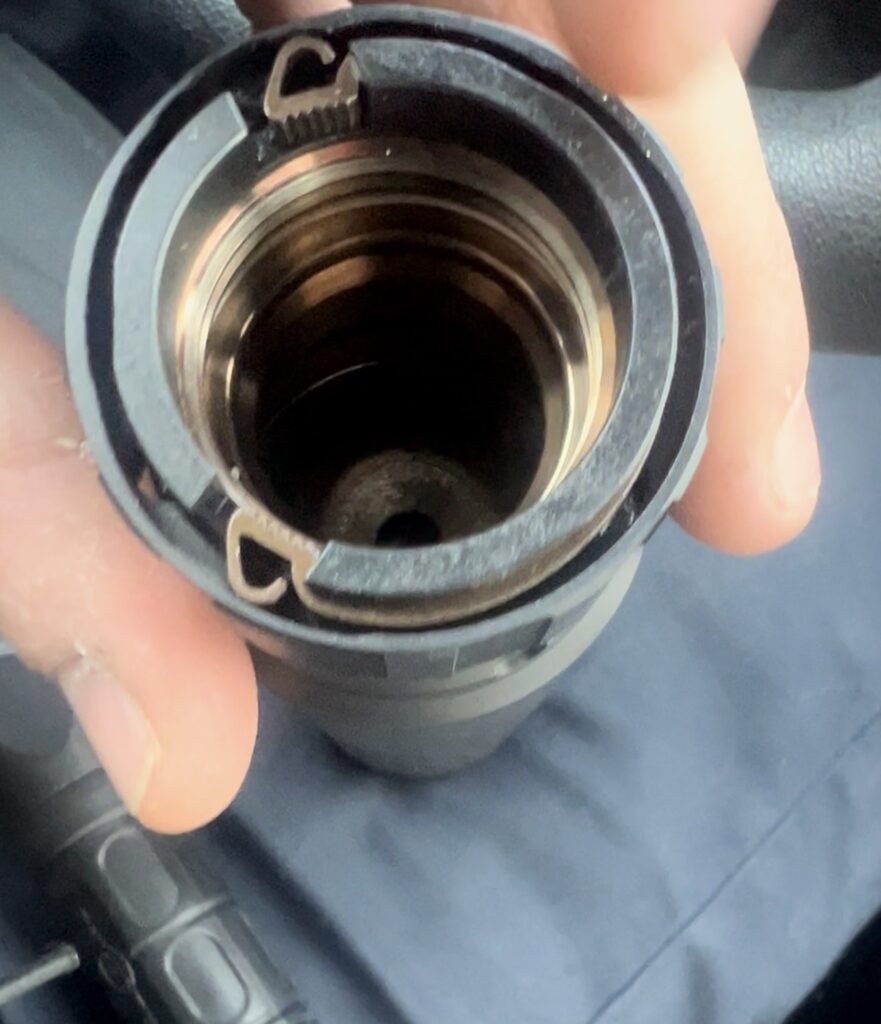
This raises basic questions: why not keep the same uppers and lowers together to see if a problem develops in a particular gun? How does an “instructor,” now in charge of the program, put an optic on backwards? Why did it get removed to clean the rifle? Did he put it back on the correct rifle? He obviously never rechecked the zero after putting the optics back on, nor were the rifles re-zeroed after the suppressors I ordered at the end of my tenure were finally added (see the picture below).
Poor training leads to a poor mindset
Officers eventually seemed to stop deploying rifles on high-risk calls. I did felony stops on murder suspects, suspects wanted for shootings just committed, suspects wanted for menacing people with a firearm, stolen cars, and other serious offenses. No one who backed me up ever deployed a rifle, as in years past. I wrote the patrol rifle policy and made it clear that every officer must be issued a rifle, and any officer can deploy a rifle anytime they see fit.
One day, we had a call for a guy who menaced someone with a knife and a handgun and went inside a large grocery store. As I got out of my car, I loaded and started to sling my rifle and enter the store. A sergeant saw me and yelled at me that I didn’t need a rifle and rifle rounds would overpenetrate the suspect if I had to engage him, endangering everyone. While I understand carrying a rifle into a store will alarm people, it was the right thing and showed how much he didn’t know.
There were easily spots in the store that could require 50 and 100-yard shots. It goes without saying that the rifle is more lethal, more accurate, easier to shoot, can reach out further, and holds more ammunition. I won’t even address the over-penetration myth here.
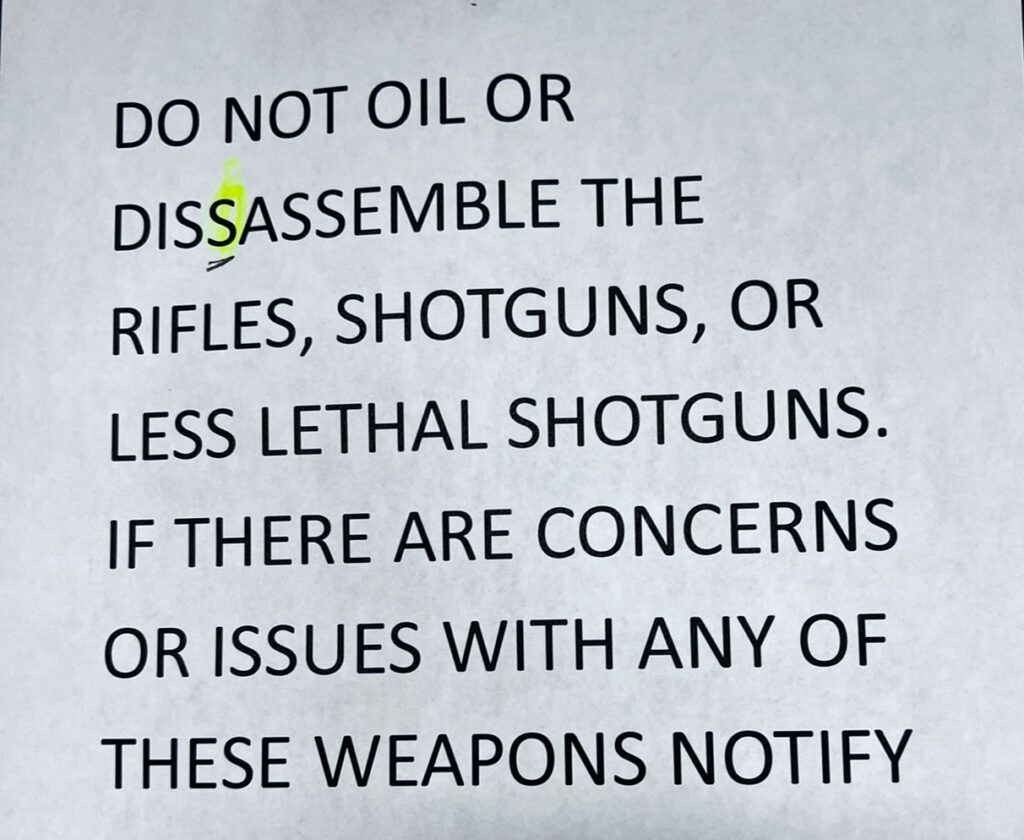
When it came to lack of maintenance and care, I started lubing the rifles myself and noticed the cheap suppressor covers they bought were clogging the baffles of the suppressors. Not to mention the rifles were not re-zeroed after they added the suppressors that I ordered. So I would take the can off, break the gun open, and clean it out. That led to a note (misspelled, of course) being posted advising against maintaining the rifles (See the picture above).
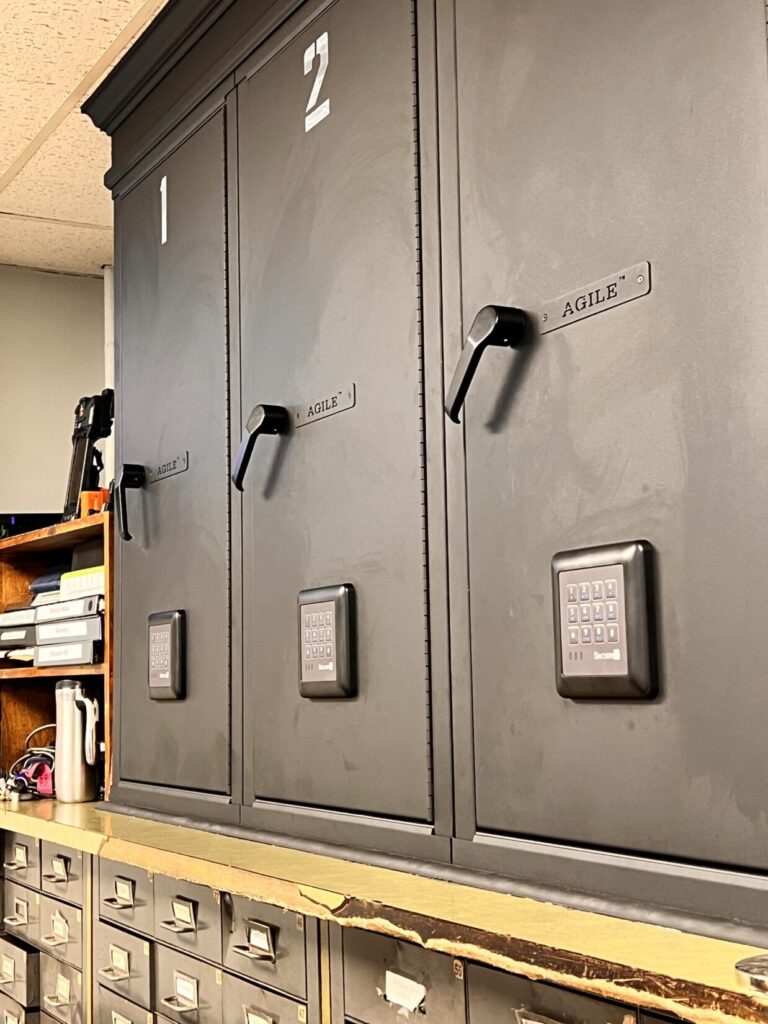
It never ceased to amaze me how the lack of concern for training with, maintaining, and securing firearms permeated that department and other agencies as well. For years, long guns were “secured” in an old bookshelf with a sliding door that was never locked. I replaced that with three lockable gun cabinets with digital keypads. The first day they were installed, one of the new instructors replacing me was very annoyed and asked if we really needed to have a 4-digit code.
Other officers soon joined the bandwagon of not locking the gun cabinets despite the Chief putting out a written directive on it. I had spent over $3,000 to tear out the old cabinet and install new gun lockers, which were located directly across from the desk where prisoners were searched and ankle-cuffed to the wall. Now you were no longer mandated to lock the long gun cabinet, all because people were too lazy to press 4 digits to unlock the locker. It leaves one to wonder: how do you explain that level of negligence when a preventable tragedy finally occurs?
takeaways and encouragement
While an extremely poor “leader” was hell-bent on destroying what guys needed in exchange for what they wanted—less than the bare minimum—and the new instructors lowered the bar in training, all the battles I fought were worth it.
If you are in a similar situation or are contemplating making positive changes in your organization, don’t let anyone stop you. Do the right thing and not the popular thing—especially when lives are on the line. Having confidence in your equipment and training, and more importantly, being able to look yourself in the mirror and lay your head down at night, makes the struggle worth it! Stay Safe!