
I watch a fair bit of bodycam footage and CCTV footage of violent encounters. I see it as education, not entertainment. One thing I’ve noticed is that as soon as bullets start flying, people start moving, and moving fast.
Movement is critical in a gunfight, and today we are going to talk about tactical movement. I add the word tactical to movement because it’s movement that allows you to move, shoot, and survive. As always, the situation dictates. If you find yourself in front of a machine gun nest, your tactical movement is to sprint like hell to cover.
Today, we are going to discuss how to move and how to shoot, why movement is important, and what you can do to train your shoot-and-move skills.
Benefits of Tactical Movement
Moving does lots of things. Moving targets are harder to hit. Movement allows you to obtain an advantageous position, and, most importantly, it forces your threat to react.
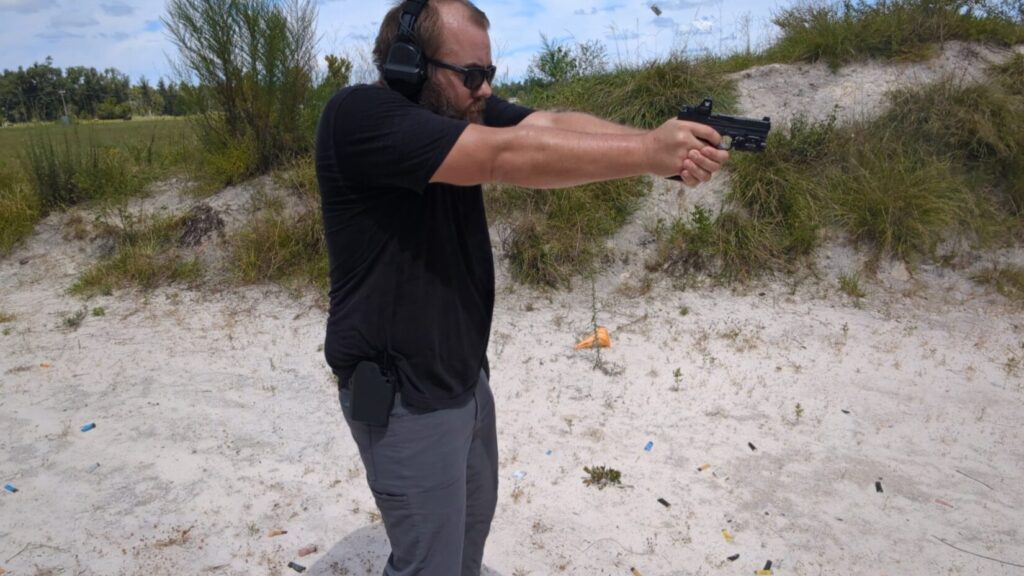
Movement causes your threat’s OODA Loop to reset, forcing a reaction. Action is better than reaction, and movement is action. If you can move, you can cause your enemy to react to you.
Moving is often undertrained due to range limitations and safety rules. We often find ourselves standing fairly still while shooting. The good news is that a lot of move-and-shoot can be trained dry.
Foundations of Tactical Movement
If anyone tells you there is one way to do something when it comes to firearms, I’d be extremely cautious. Outside of safety, many defensive tactics evolve, grow, and change.
With that in mind, I do have some advice on what I believe are the foundations of tactical movement. These techniques have allowed me to move and shoot effectively.
A Floating Upper Body
Movement of the lower body inevitably causes the upper body to move slightly. We want to minimize that movement as much as possible. Safariland CADRE Rich Graham teaches a simple method that I prefer.
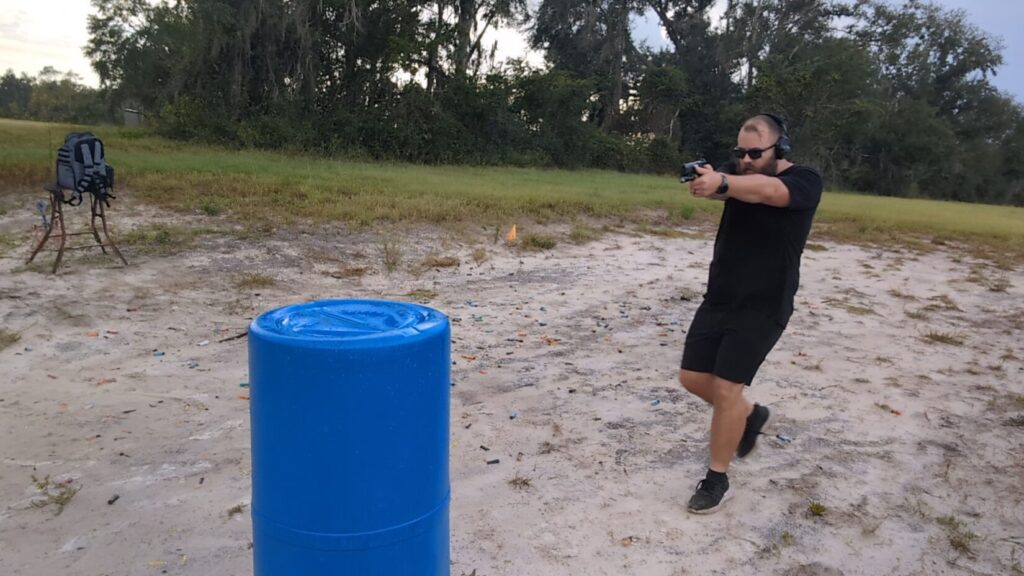
When stepping, you use a rolling heel-to-toe method. It doesn’t have to be super strict or rehearsed; just keep the idea of rolling your footsteps.
What I learned most from Rich Graham was to take short steps with your feet closer together to minimize sway. It feels a bit unnatural, but you’ll notice a decrease in muzzle movement. As you step, keep your knees slightly bent to act as shock absorbers.
A Good Stance
Your stance when moving doesn’t change much from when you’re shooting stationary. You want your center of gravity forward; don’t lean rearward. A forward-leaning posture helps your legs act as shock absorbers.
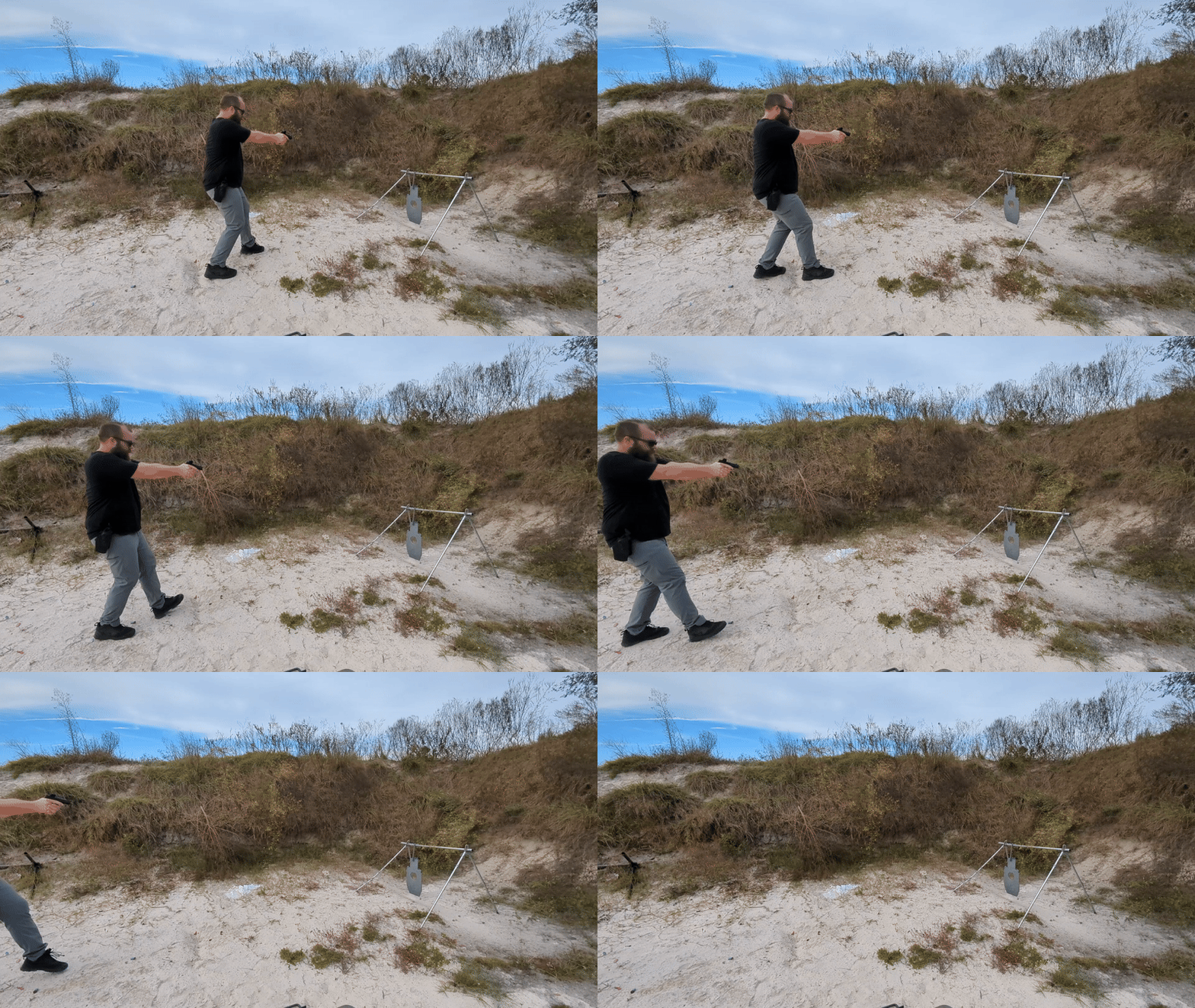
Keep your upper body loose, relax, and purposefully release tension while training. If you practice it loosely, you’ll likely do it loosely under pressure.
A good stance helps you deal with recoil if you have to press the trigger. You can maintain control of the gun while shooting and moving.
A Good Cadence
Avoid making big, exaggerated motions. Don’t duck walk. Tactical movement requires a smooth, almost rhythmic cadence. With short steps, it feels a bit like a shuffle, and that’s fine. As you get better at moving and shooting, you’ll get faster.
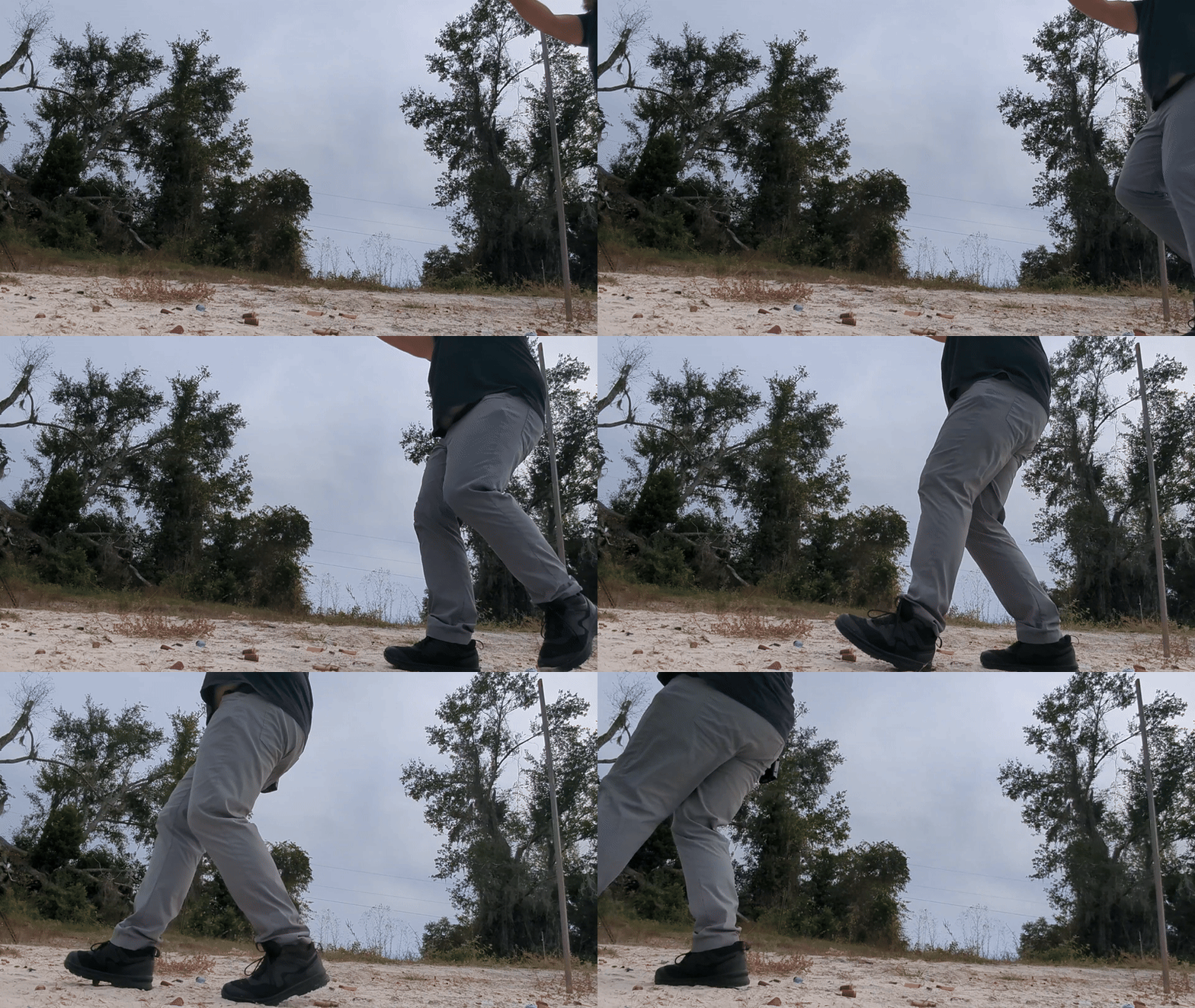
It’s smart to try to avoid crossing legs over each other, especially with forward and backward movement. Do so by leading with the foot facing your direction of movement. If I’m stepping forward, it’s with my forward leg, and I bring my rear leg with me.
Side-to-side movement can be trickier. If it happens, it happens, but attempt to avoid it if possible. It can cause trips or just general instability.
Types of Tactical Movement
The world is a 360-degree battlespace, so movement can occur in all directions.
Forward Movement
Forward movement is used to close on the threat, seek cover, or deal with a linear space. Forward movement should maximize heel-to-toe roll, and you have to control the pace to keep your sights stable and your head from bobbing.
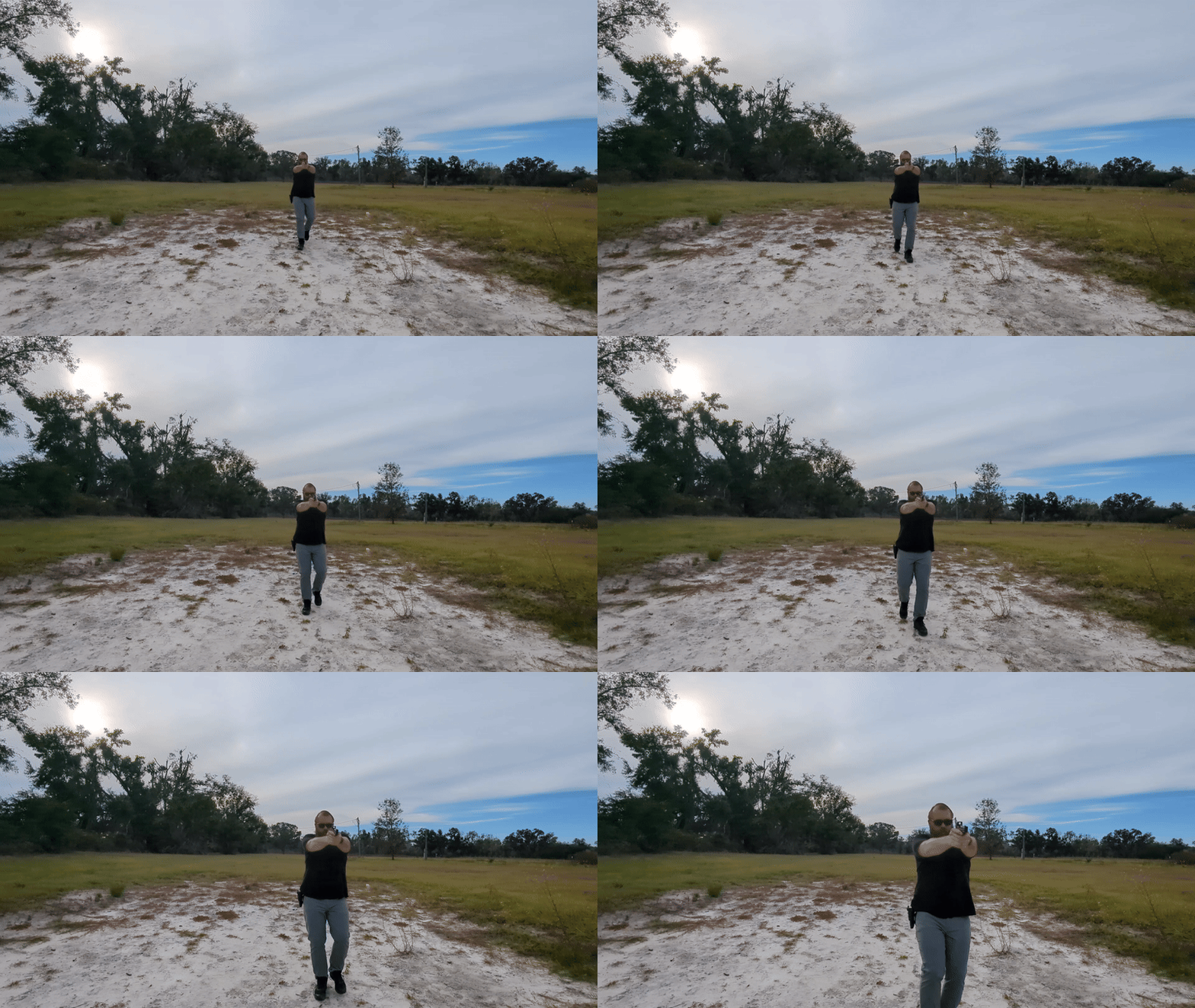
Rearward Movement
Rearward movement can be used to create space between you and a threat, to break contact, or to move to cover. Lead with your rear foot and move without looking down. Use small, fast steps, but maximize stability over speed when possible.
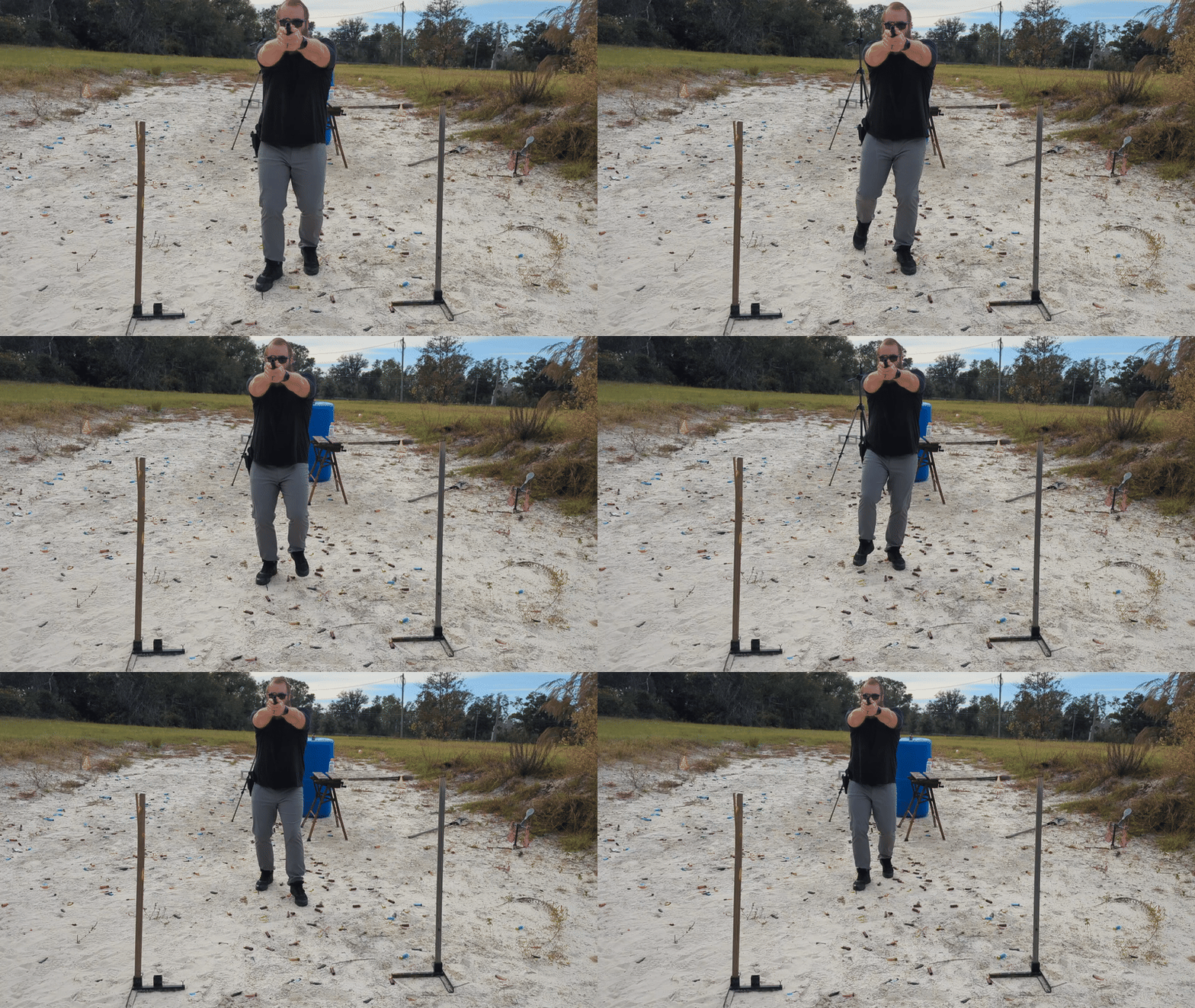
Lateral Movement
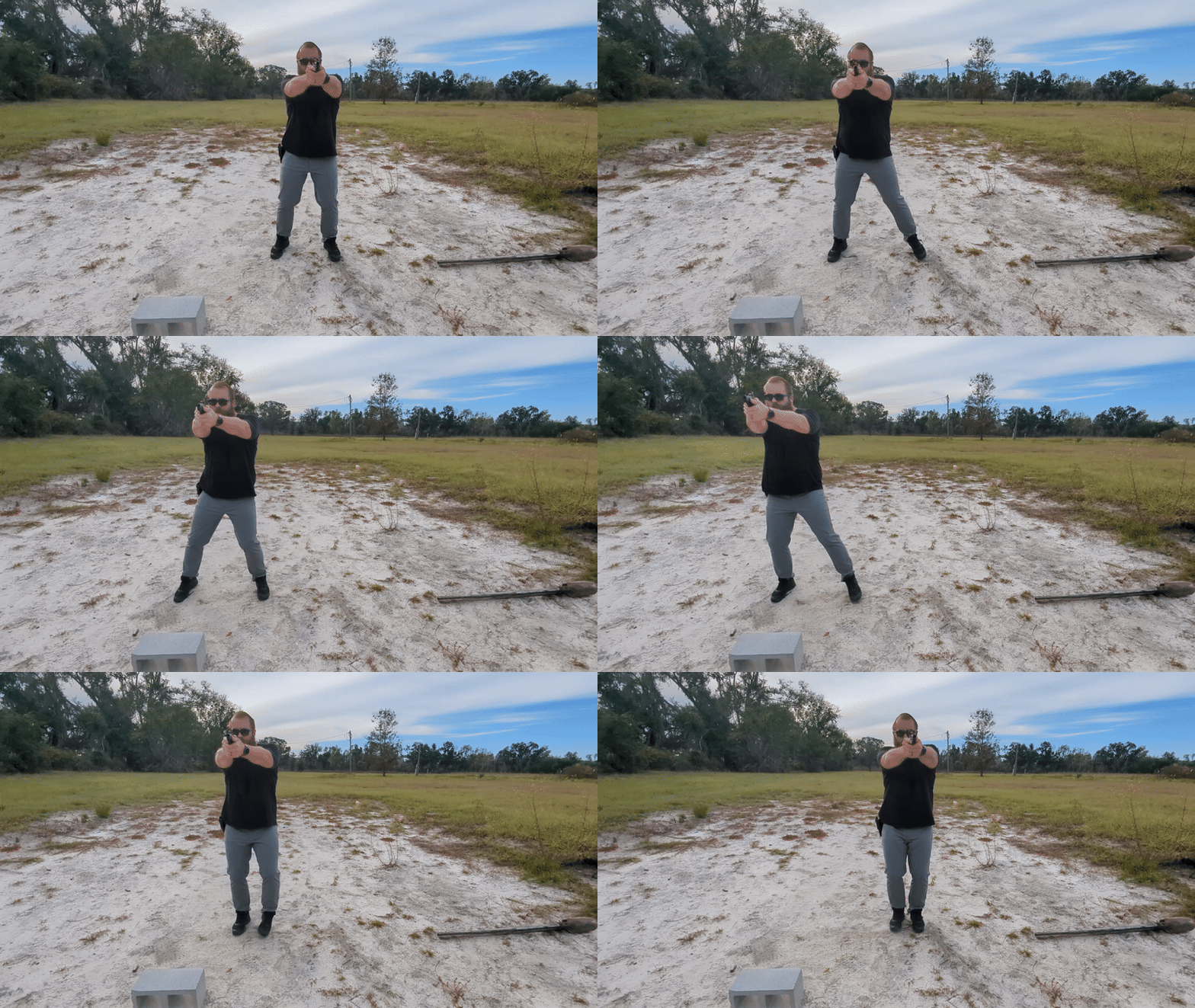
Moving from side to side can help evade a frontal attack or present a new angle to engage the threat. If you’re moving right, lead with your right foot; if moving left, lead with your left foot. Do not overextend and create a large split between steps. It’s a side shuffle that keeps your body position relative to the target.
Pivots
If a threat appears to your side or behind you, you can use a pivot to quickly square up to the target. When I pivot to face a rearward threat, I pivot on my lead leg so it remains my lead leg when I face the threat.
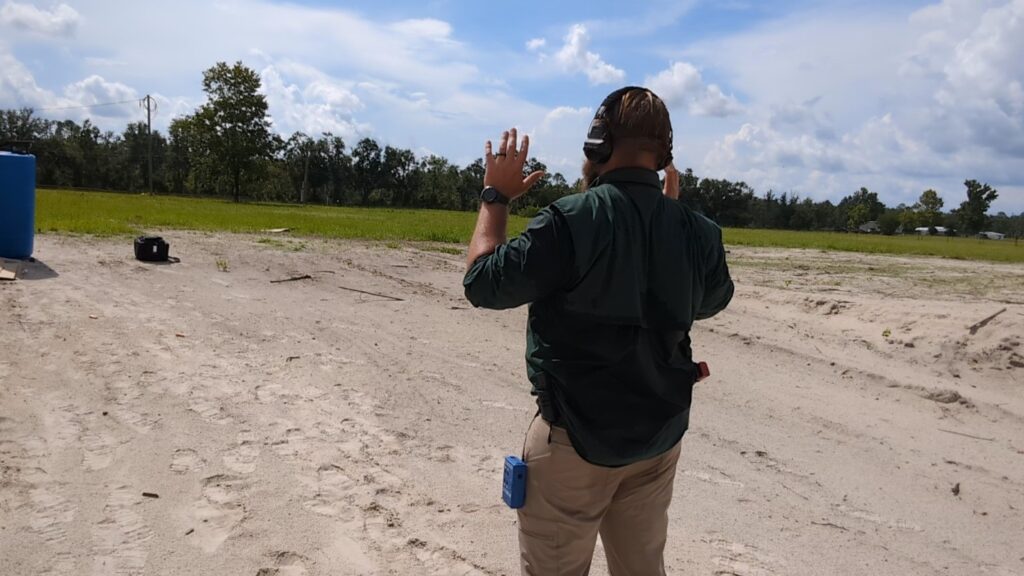
When I pivot to the right or left, I pivot on the foot that is facing the threat. This pivot makes it easy to keep my lead and rear leg stable as I assume this new position.
Cover and Movement
When you’re behind cover, you are forced to move to shoot around cover. When you assume cover, don’t cling to the cover; allow for a gap between you and cover. This gap should allow you to maintain a ready position behind cover.
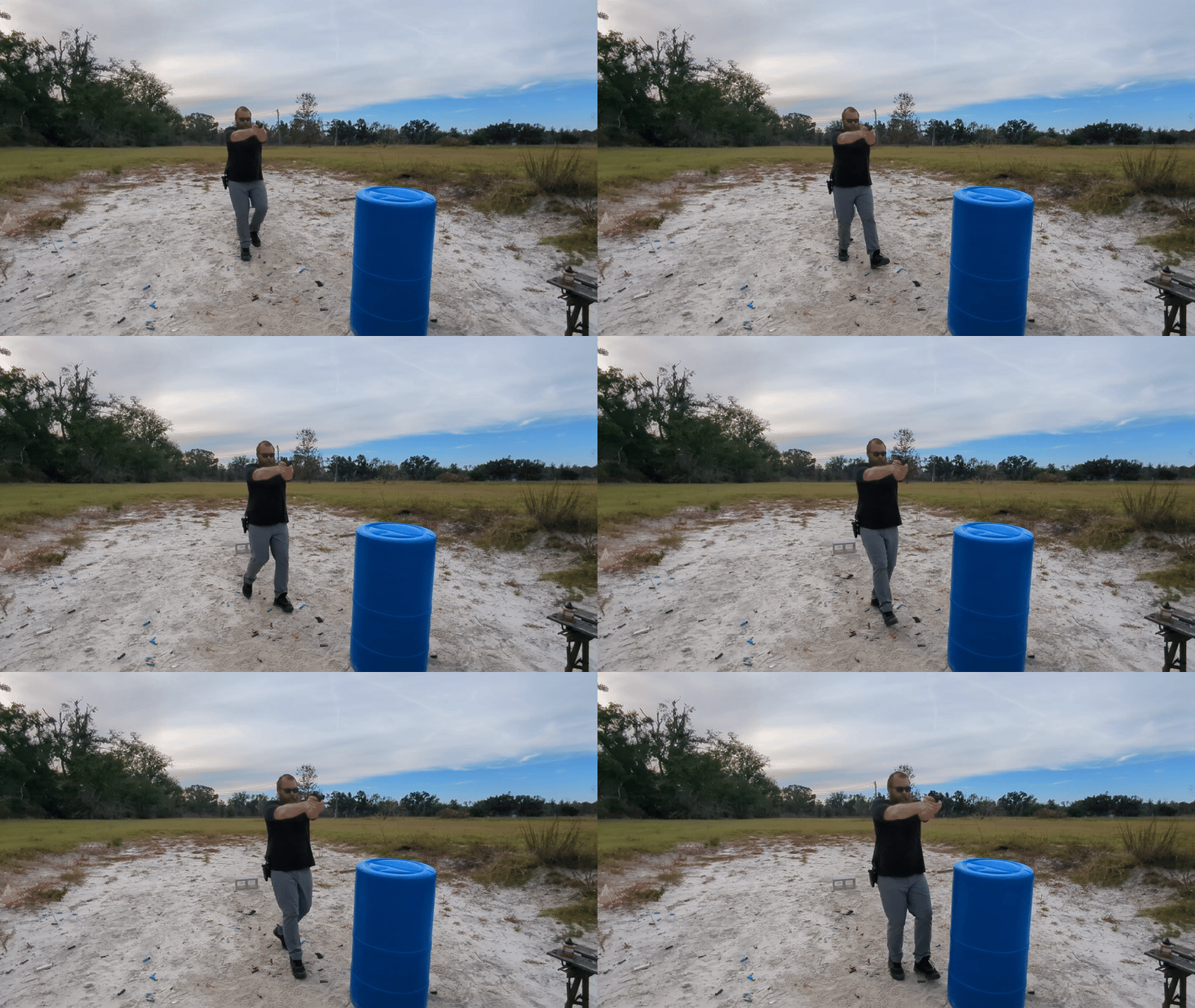
When moving around cover to engage, you want to make use of as much of it as possible. As you use cover, you want to slice the pie. This means taking small, crescent-shaped steps around it. With each step, you’ll see further and further around cover.
This allows you to use cover while searching for the threat. It’s a slow, deliberate tactical movement, with small, deliberate steps. Muzzle and eye lead the way.
Drills For Using Movement
Let’s be very clear. Firearms training is inherently dangerous; adding movement adds a new element of danger. I’d extensively practice these drills dry. Since most ranges don’t allow movement and shooting, your only choice is likely to be at a class or shooting dry.
Add a Step
Take any drill you like and add a lateral step. Shooting a Failure to Stop? Add a step. Bill Drill? Add a step.
Just take a lateral step and execute the drill. This is a basic, easy method to introduce movement into your shooting.
Move Around Cover
Another easy way to practice tactical movement is to work on moving around cover. You can use a dry gun or a blue gun and practice using walls in your home, fences, cars, whatever, as cover, and work on pieing the corner of cover.
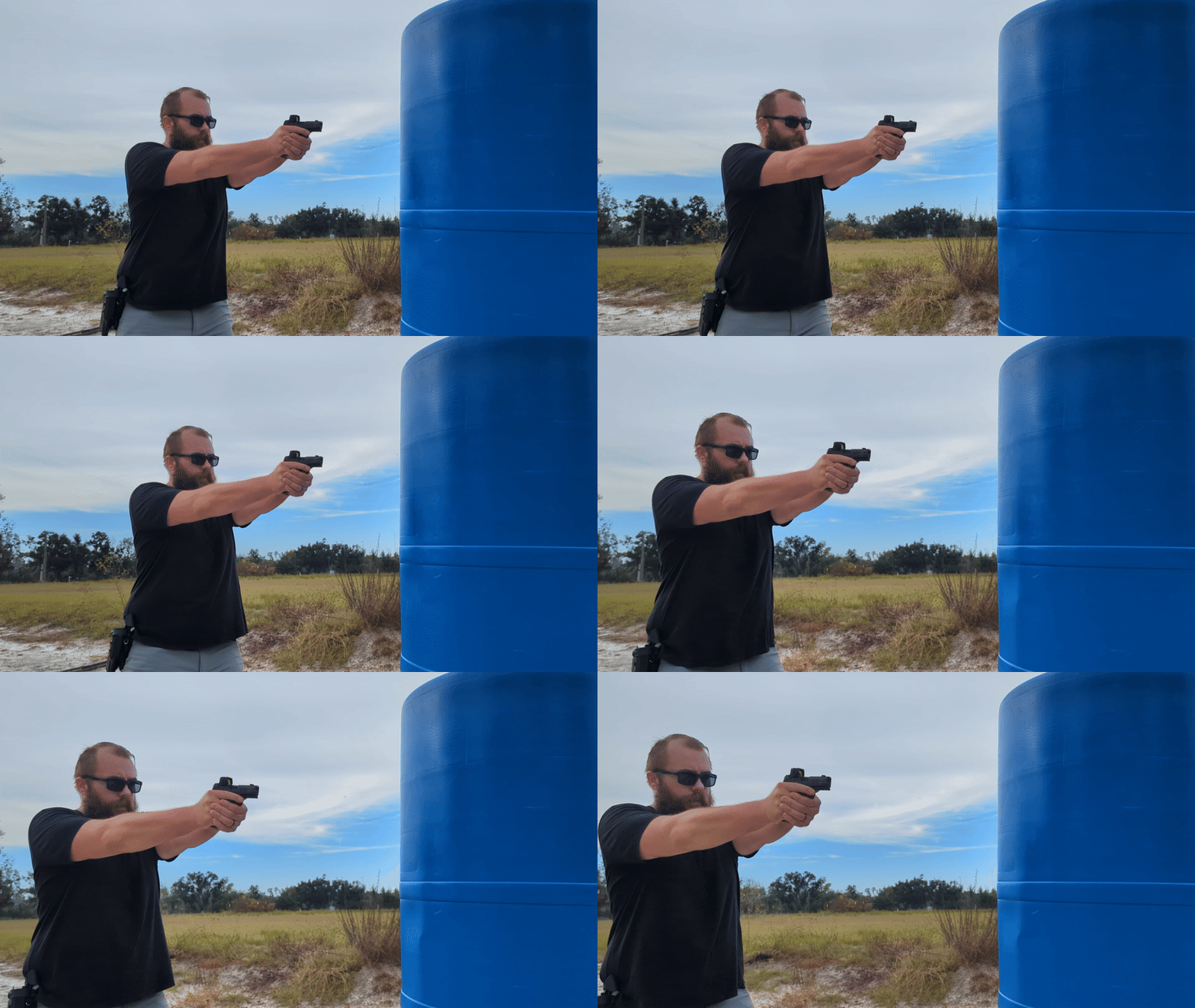
Box Drill
The Box Drill requires four cones arranged in a square. The distance between the cones can vary, but allow at least six good steps between them.
Move forward from a back corner to a front corner, practicing forward movement. Then transition to left or right movement toward the next cone. Next, move rearward toward the rear cone. Now move left or right to the original cone.
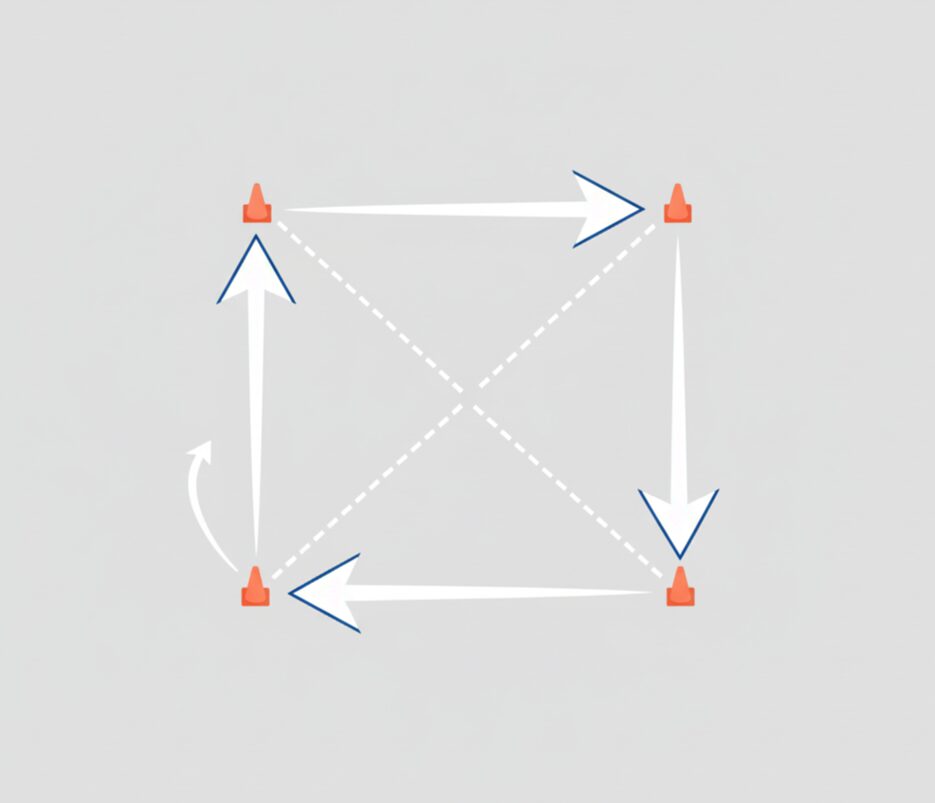
This gives you four different directions of movement to practice.
Mike Seeklander’s Shooting and Moving Multidirection Drill
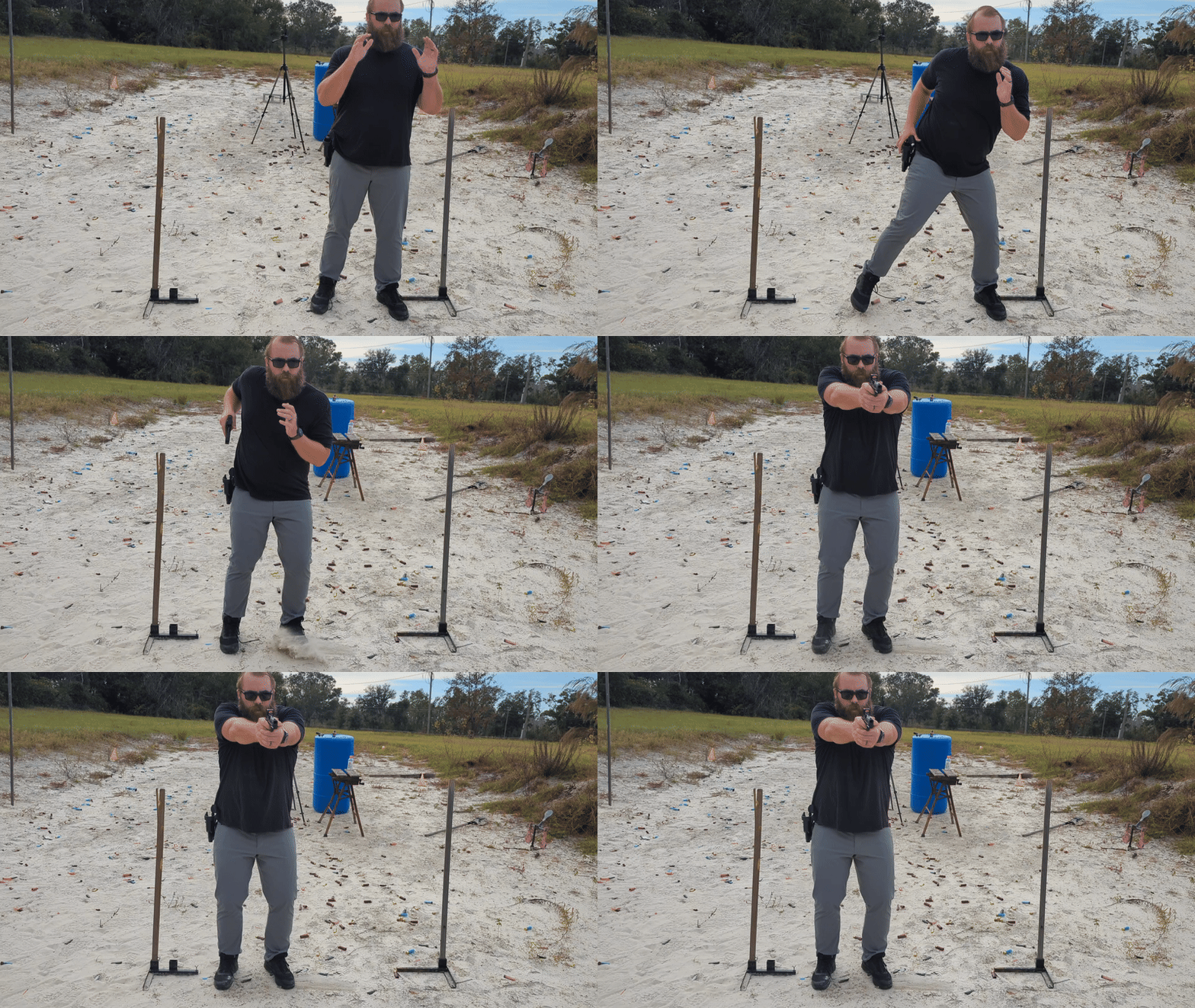
You’ll need two obstacles planted five feet apart. I use shovels or target stands to make movement easier. Shooters will walk a figure eight between the two obstacles, practicing forward and lateral movement while engaging a single target.
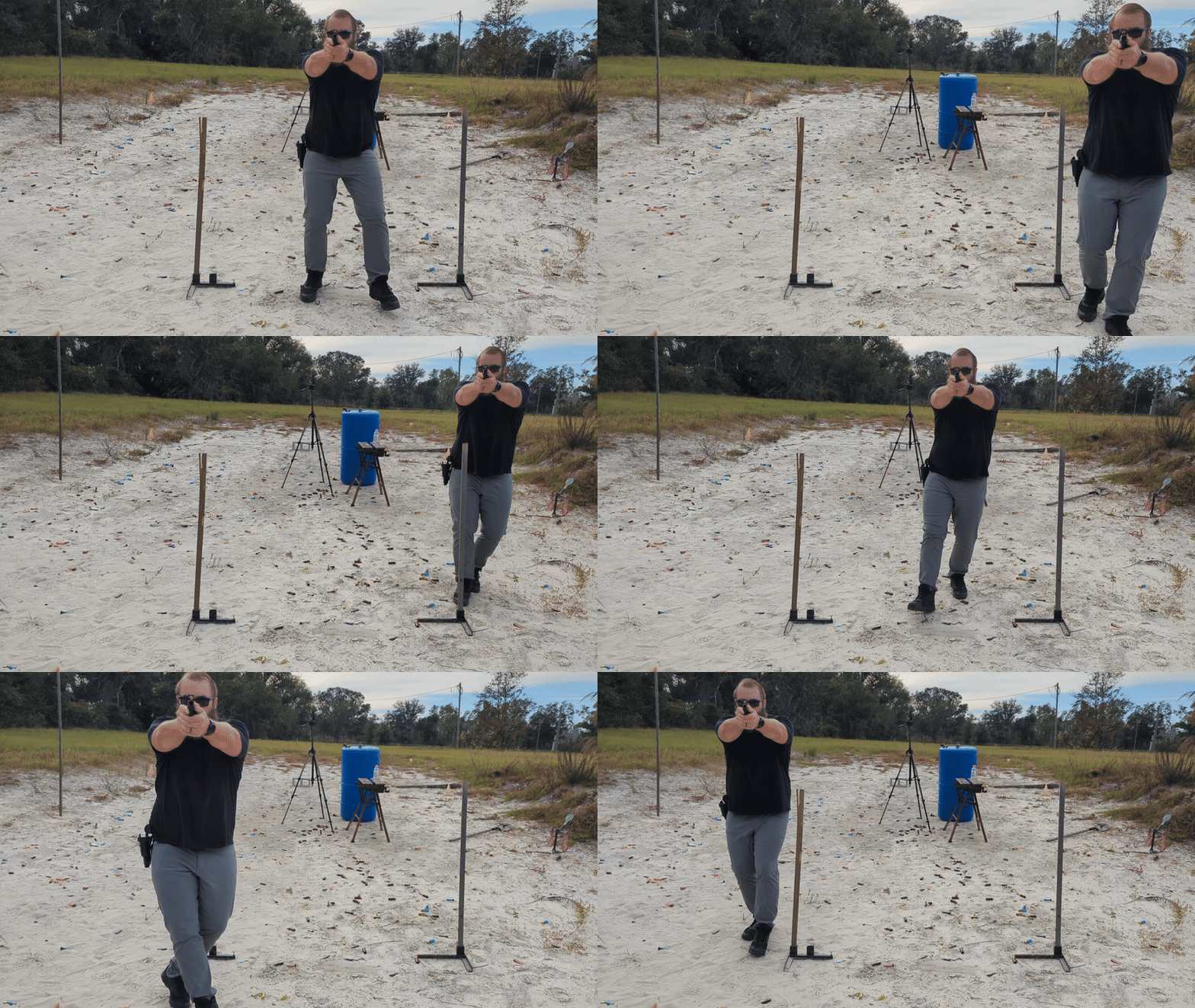
Start in the center, and at the go signal, move forward, then left or right. You’ll work on rearward, forward, and lateral movements. This drill is great live but amazing dry. It’s as easy as setting up two dining room chairs and using a dry gun to practice the technique.
Shoot, Move, and Be Tactical
One thing you’ll have to accept when exercising tactical movement is reduced accuracy. It’s tough to shoot with the same degree of accuracy when moving. Still, if you’re missing a USPA-sized target, slow down.
Aim to move and shoot accurately. Check your steps, and practice dry! Dry fire can be invaluable for tactical movement. Remember, no one stays still in a gunfight, so if your only way to train movement is dry fire, then keep it dry.
Shoot, move, and be safe.