

Being prepared is vital in any situation. This statement is just as true when deciding to take on an off-grid adventure. Two major components to account for in a successful off-grid trip are power and water. A little planning and research can mean the difference between unfortunate circumstances and smooth sailing.
Without water, things can get really bad for you, health-wise. On the flip side, power isn’t just for your vehicle, but you need to take into consideration all the items you need, like a GPS or radio. Just as importantly, how do you manage and maintain the necessary levels that need to be planned for?
POWER
When going off-grid, having adequate power resources is important. Take a second to think about the different gear you rely on while adventuring. How many of those items require a battery of some sort to power their usage? From headlamps to GPS units and beyond, all those items require power, and without power, things can get very inconvenient.
Options
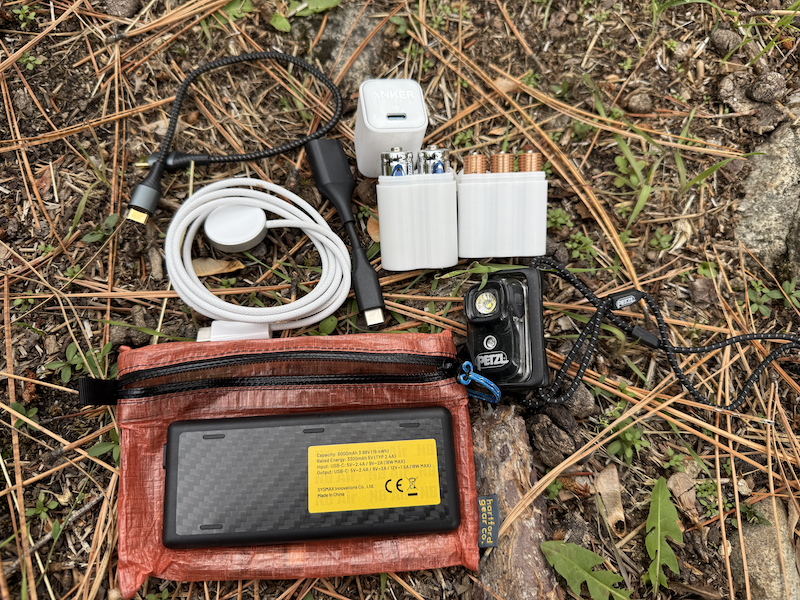
For us, we carry a wide array of battery and power options. From little button to AAA and AA-batteries and even up to D-cells, we make sure to have a mixture of options to power all our units.
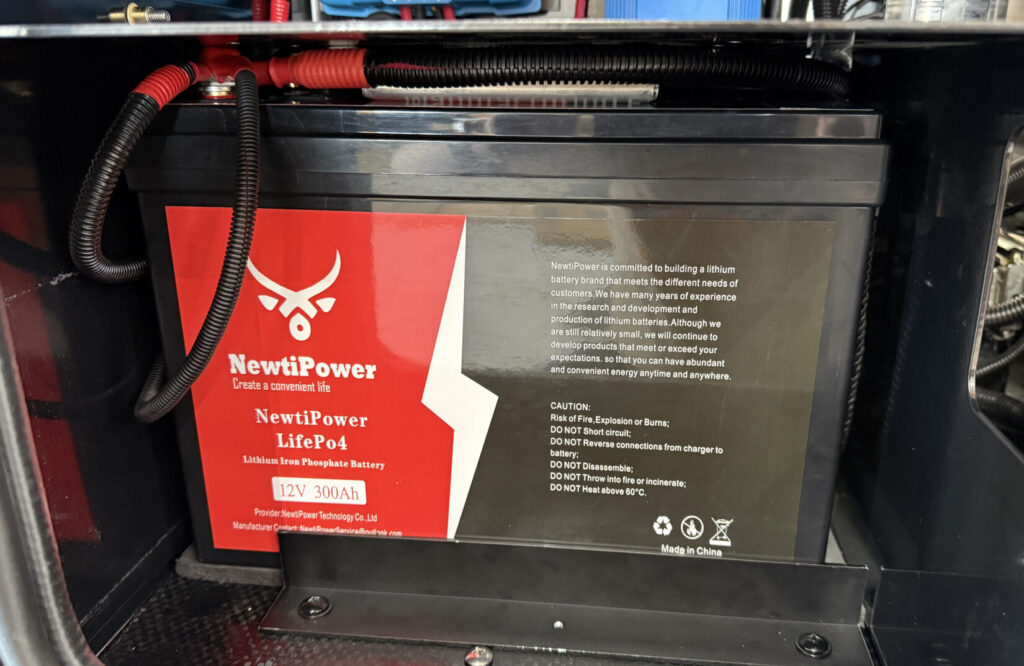
But it goes beyond just those. We also make sure to have small and medium rechargeable banks to help recharge items as needed (like phones or watches), and extra batteries for any radios we carry. As the last option when we head out is our trailer batteries, which we recently upgraded to dual 300-amp-hour lithium. It is more than enough for our needs.
Recharging
On top of having a full set of extra batteries, we always carry options for recharging. We carry various charging cords for the different electronics to complete the recharging options. We tend to use the cords inside the trailer at night or in the vehicle while in motion. Opting for this route, we can help manage how much energy is being used and adjust as needed.
Along with the cords, we also make sure we have other recharging options, like for both shore power and solar. We carry a small solar array to help plus-up our trailer batteries or medium power banks as we can on sunny days (or as the terrain will allow). But we also make sure we carry a charging cord for the trailer if we end up at a front country campground along the way (this option hardly gets used, but we carry it nonetheless).
Monitoring Usage
We keep pretty close tabs on our battery levels when we are out and about. Most battery banks have some kind of indicator on the unit to show how much battery is left, whether it’s flashing dots or an actual percentage displayed. Having a working knowledge of how much of a draw your items take can help you figure out the best way to manage your power.
You need to make sure you consider anything around your camp that could require power—things beyond your GPS or phone, extra things like lights or fridges. For exterior lighting at camp, we generally used low-voltage LED string lighting when necessary, or just use headlamps. The fridge, on the other hand, can be a power hog, and on previous trips we carried an extra battery just for it.
WATER
Some research indicates that you should plan for around two gallons of water a day, per person. This includes uses for drinking, cooking, and hygiene, so that number can be adjusted depending on personal needs and the climate you’re going into.
For instance, where we generally explore, it tends to be much warmer and drier than other areas. For that reason, we tend to carry on the higher end of the recommended amount.
Storage
For storing our water, we have a couple of different devices. As I’ve said before, we have an off-grid style adventure trailer. It isn’t luxurious with lots of amenities, but it does have a large water tank, somewhere around 35 gallons. This is usually more than enough for our week-long trips.
Additionally, we carry anywhere from 3-5 gallons in outside storage if we’re going further out and have our personal water bottles.
Refill & Treatment
Even with our bigger water storage for our trailer, we do need to refill from time to time. Personal preference will play in for this, but how and when you refill is at your discretion.
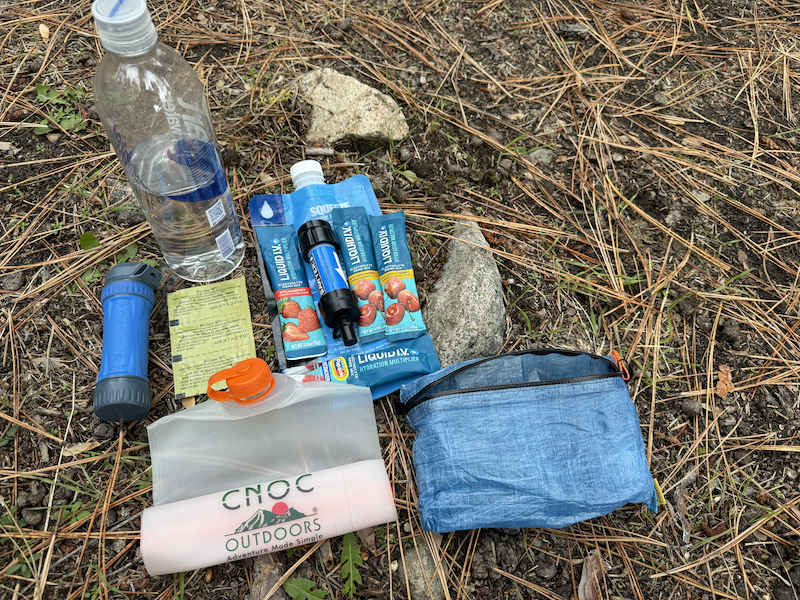
If, for example, you’re out on a trail and need more water, you may opt for filtering from a stream with something like a Sawyer filtration system. However, if you’re lucky enough to be in a location with a water spigot or hand pump, you might get away with not having to filter for your refill.
Again, it’s up to your personal preferences, but treating your water while you’re off-grid should be an included step. Whether you use a filter or purification tablets, having clean water is important.
If you’re refilling from a stream or river, make sure the water is faster-moving and most definitely use a filter or treatment. This should be obvious, but don’t drink untreated water. Even when refilling our trailer, we have a water filter that attaches to the fill hose.
BOTTOM LINE
So, what’s the bottom line? Know your gear, how to keep it powered, and how to stay hydrated. Better yet, stay aware of your power and water levels and have a safe plan to get back to necessary levels if needed.