
By Lanny Oakley
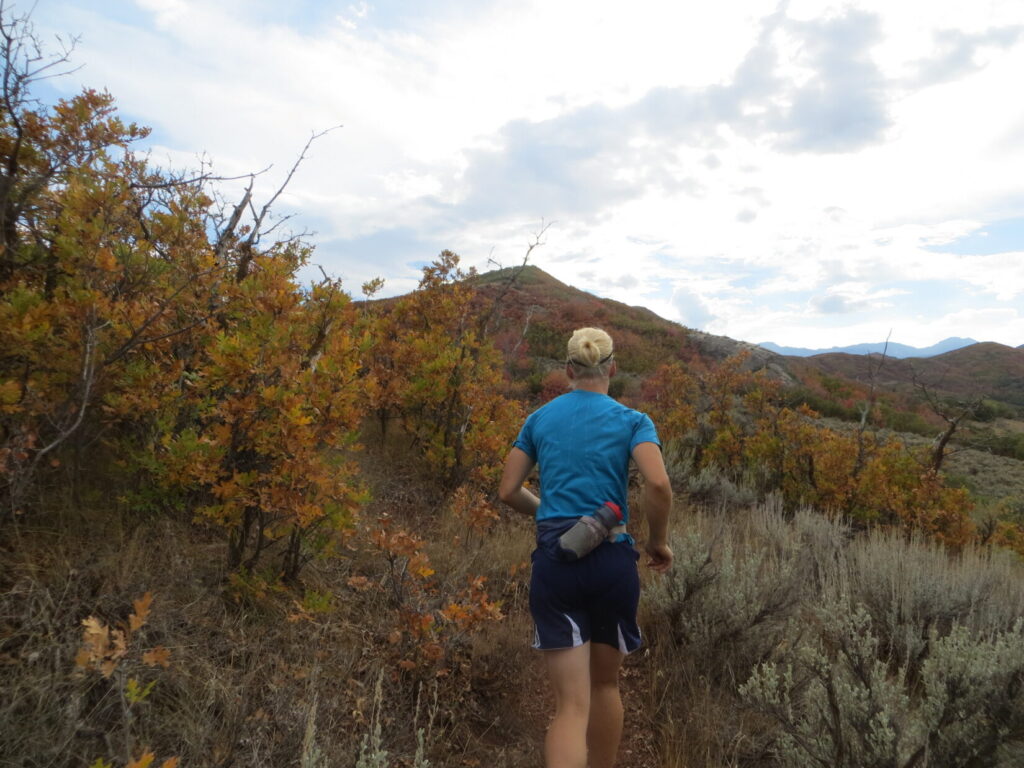
I’ve done some of my best thinking on a run. Before the world stages. Before trick-shooting demos. Before matches. It’s just me, my breathing, and the steady rhythm of feet on dirt. There’s something about the early morning light slipping over a ridgeline that strips everything down to what matters.
Running has always been where I reset—where I remember who I am outside the noise. But here’s the honest truth: I don’t get to clock out of responsibility when I lace up my shoes.
As a professional shooter and a woman who spends a lot of time outdoors, I understand how quickly situations can shift, and I’ve had to wrestle with what preparedness looks like while I’m training.
This isn’t about being paranoid. It’s about being consistent.
I firmly believe in responsibility at the range, in my competitions, and in everyday life. This belief shouldn’t disappear when I’m training.
The Moments That Shape the Decision
There wasn’t one dramatic event that flipped a switch for me when it came to my safety while training. There was no headline or viral story.
It was just a pattern for me.
Pulling into an empty trailhead before sunrise and being the only vehicle there.
Finishing a run at dusk with shadows stretching long across the parking lot.
Hearing movement in the brush that wasn’t wind.
And living in the West, I know something else: not every threat walks on two legs.
We share our trails with mountain lions, black bears, coyotes, stray dogs, and occasionally livestock that doesn’t appreciate surprises. I’ve rounded corners and come face-to-face with wildlife more than once. Most encounters end peacefully. Awareness and space go a long way.
But animals are unpredictable. So are people. Being prepared is not about assuming the worst—it’s about having a healthy respect for reality.
My training schedule often puts me in low-traffic areas at low-visibility times. That’s not fear talking—that’s just recognition of a potential threat. I’m simply being aware and taking action.
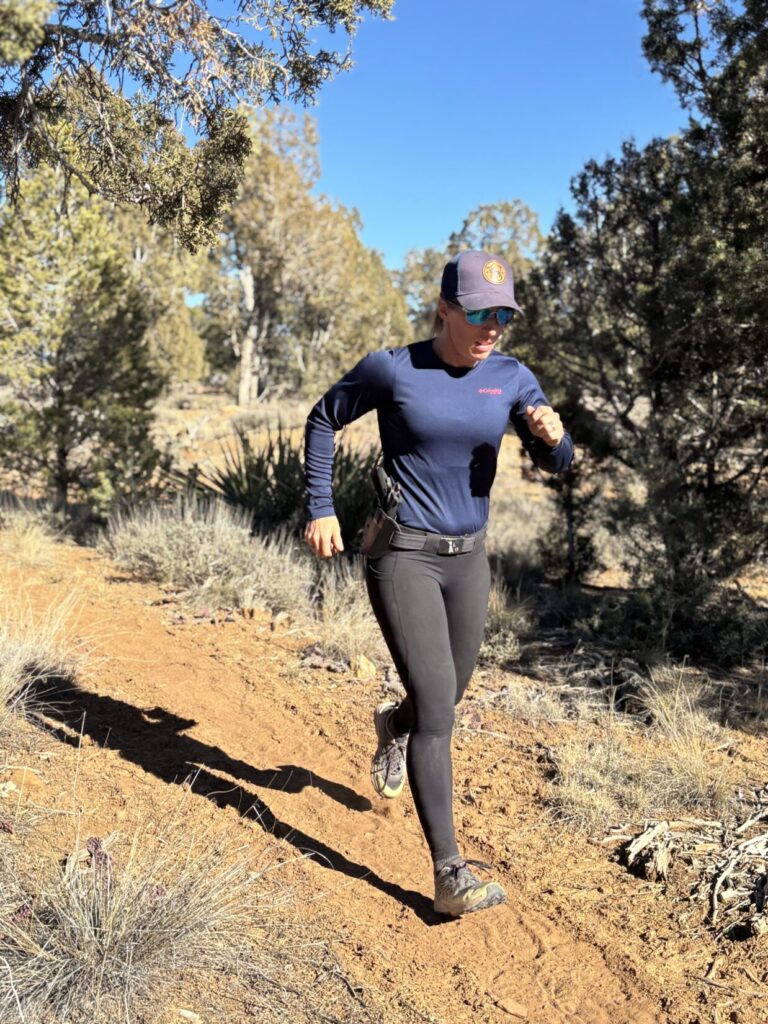
This is when I started testing what concealed carry looks like in an athletic context. I ran hills, sprinted intervals, dropped for burpees, and climbed mountains. I sweated through the summer heat and shivered through the cold morning frost.
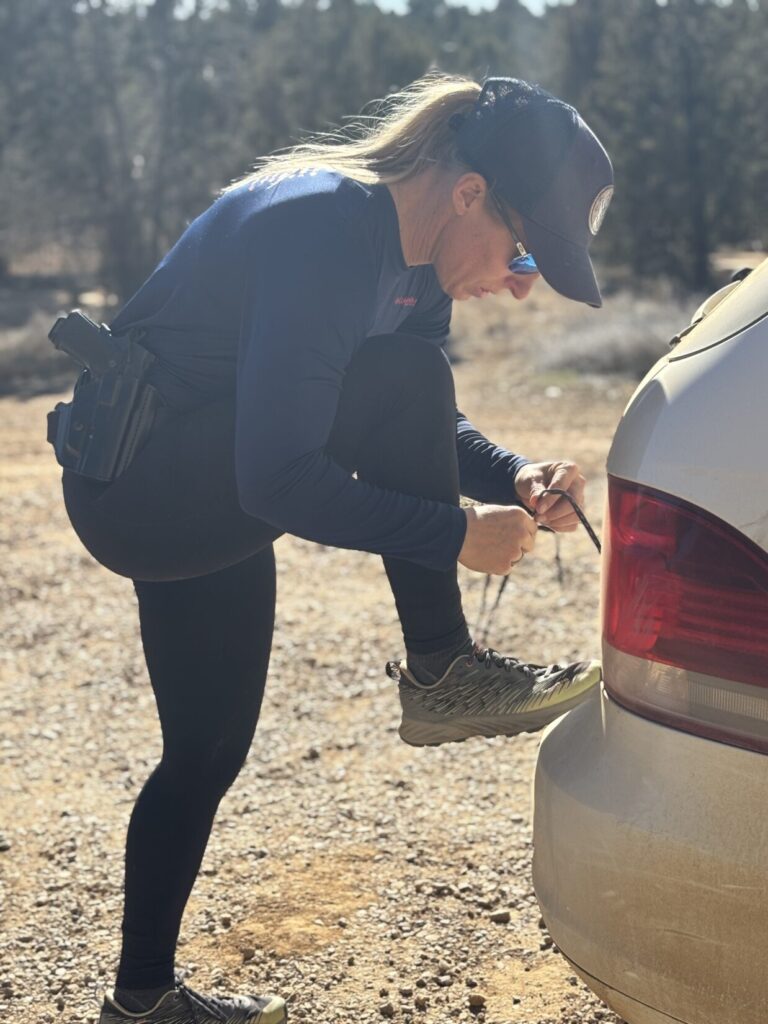
If my equipment shifted, bounced, or distracted me, it didn’t make the cut because if I’m going to carry, it has to work seamlessly.
The Reality of Running Gear
Running apparel wasn’t designed with personal defense in mind. Athletic wear is tight, flexible, and minimal. This creates three primary challenges: stability, accessibility, and sweat.
If your setup shifts during a sprint, it’s not working for you. If sweat compromises your equipment, you need to adjust. If you can’t access it under stress, it’s the wrong setup.
I learned quickly that carrying during a workout isn’t the same as my everyday carry setup. It requires deliberately finding the right equipment that matters and maintaining it. More importantly, training with it matters the most.
Yes, body type matters also. There’s no universal solution that works for everyone. There’s only what works for you after you’ve done some honest testing. I treat testing like I treat preparation for a competition. If it fails under movement, it fails completely.
When Your Heart Rate Is High
One of the most eye-opening lessons came during training. Drawing with a calm pulse on a square range is one thing. Drawing when your heart is pounding from a hard interval is something else entirely.
Your breathing is heavier. Your fine motor skills are slightly diminished. Your focus narrows. That physiological response doesn’t care whether the stress comes from a sprint or an unexpected encounter.
If you choose to carry while exercising, you owe it to yourself to understand how your body performs under physical stress. Elevate your heart rate first—then safely practice your draw. Learn your own mechanics.
Fitness and defense aren’t separate; they should overlap. Training hard becomes an advantage—if we integrate it properly.
Awareness Is Still the First Tool
My firearm is not my first layer of protection. My awareness is.
When I run outdoors:
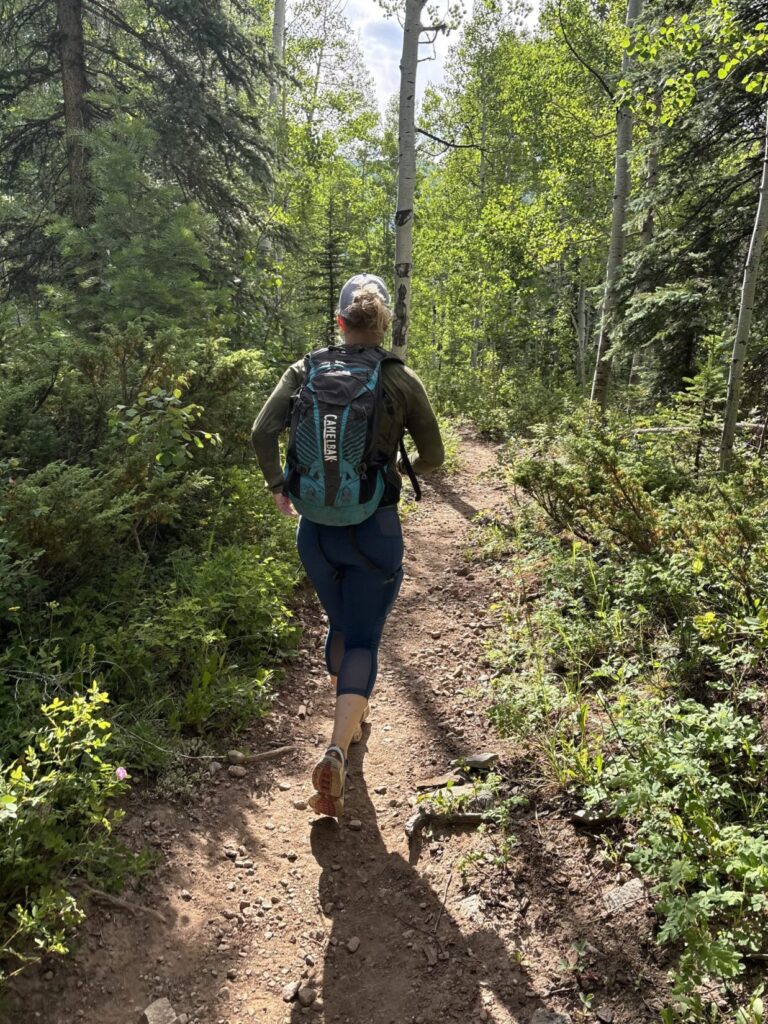
- I avoid wearing earbuds in both ears.
- I vary my routes and times.
- I take note of vehicles and people at trailheads.
- I scan my surroundings.
- I pay attention to signs of wildlife.
- I trust my gut instinct when something feels off.
Preparedness begins long before equipment enters the equation. Most situations—whether two-legged or four-legged—are avoided by awareness, distance, and decision-making.
My Strategy
Carrying during exercise isn’t about expecting a fight. It’s about living aligned with my values. I firmly believe in being capable while also taking responsibility and owning it. I believe strength isn’t loud—it’s steady and consistent.
Some days don’t require me to carry, while some environments don’t justify it. And that’s an important distinction: this decision is situational, not automatic. Trust your gut.
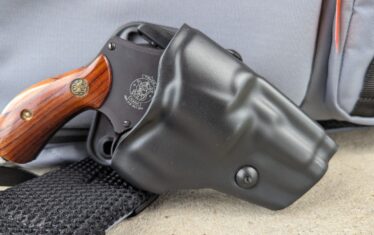
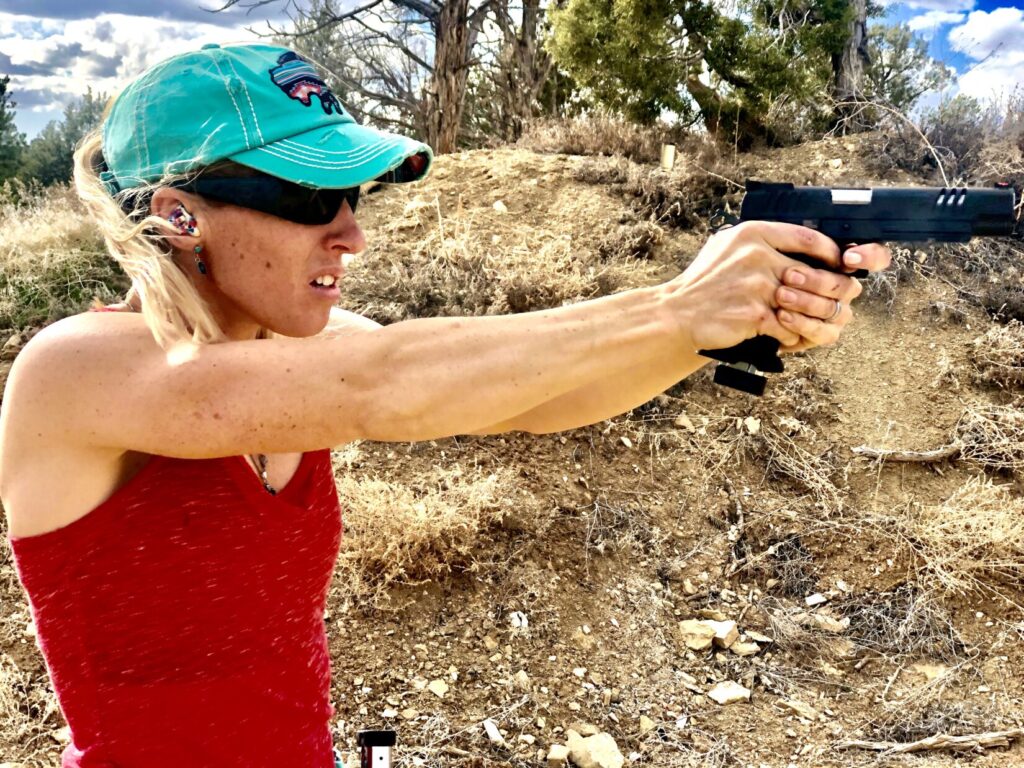
When I do choose to carry, I go all in. I make sure that my equipment is of quality and has proper retention. I train consistently and have immense respect for the law and for safety, because if I’m going to represent this community—whether on a range, in competition, or in an article like this—I want to represent it responsibly.
Final Thoughts
Running gives me clarity. It reminds me I’m strong, capable, and present.
Carrying, when I choose to, gives me confidence—not because I expect danger, but because I respect the environments I’m training in. On remote trails, in quiet parking lots, in wildlife country, in unpredictable moments—preparedness reinforces freedom. For me, that balance—strength, awareness, responsibility—is where real capability lives.
Train with intention.
Move with purpose.
Stay aware.
Stay ready.
-Lanny Oakley