
Congrats, you’ve gotten your approval for concealed carry! But if you’re not already involved in or familiar with the firearm world, you might not know exactly the best way to conceal carry. Between options for different holsters, carry positions, and continuing training, you may not be sure what your next steps should be. And that’s assuming you’ve already chosen your preferred carry gun.
The amount of information out there can be overwhelming, and understandably so. There are a lot of sources, but sometimes you just need a starting point and get yourself some basic info to figure out where to go next.
Here to help as always, I’ll go over the different holster options, positions, extra training, and how to get used to it all. This article isn’t meant to be the end-all, be-all, but rather a good point to get you pointed in the right direction for your next steps.
HOLSTERS
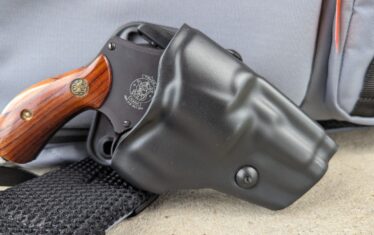
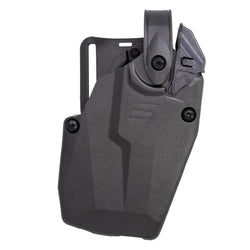
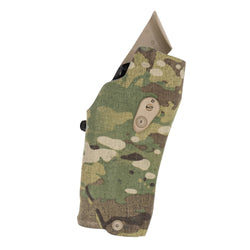
First up, let’s talk holsters. Each person has their own preferences for holsters – materials, positioning, or even retention options. There are three primary options to choose from when it comes to a concealed carry holster. Those are:
- Inside the Waistband (IWB)
- Outside the Waistband (OWB)
- Off Body Carry (concealed carry backpack, purse, fanny pack, etc.)
There are other, less common types (shoulder rigs, ankle holsters, etc.), but by and large, you’ll probably be using one of those three (most likely, in fact, one of the first two).
The names of the holsters explain exactly how they are worn. Inside the waistband holsters are placed between the user’s body and the waistline of the pants, whereas outside the waistband holsters are attached to the wearer’s pants, but the holster sits outside. Simple, right?
Most folks who conceal carry generally wear an inside-the-waistband (IWB) holster. These types of holsters are easier to conceal under clothing, regardless of body type or clothing style. Others prefer the convenience of an outside-the-waistband (OWB) holster, which can be easily concealed under a jacket or sweatshirt.
The last type of holster is an off-the-body type. Some don’t believe this is a safe way to carry; many more acknowledge it has its place (just not their preferred place); and some like it above all other options.
Off-body carry is generally done in a bag, pack, or purse that you have (or should have) close to your person at all times. Think purse, backpack, or cross-body bag. Thanks in no small part to the increasing availability of intentionally-designed concealed carry bags, this option has grown in popularity in the last few years. I’ve used it myself from time to time when the situation called for it.
Materials
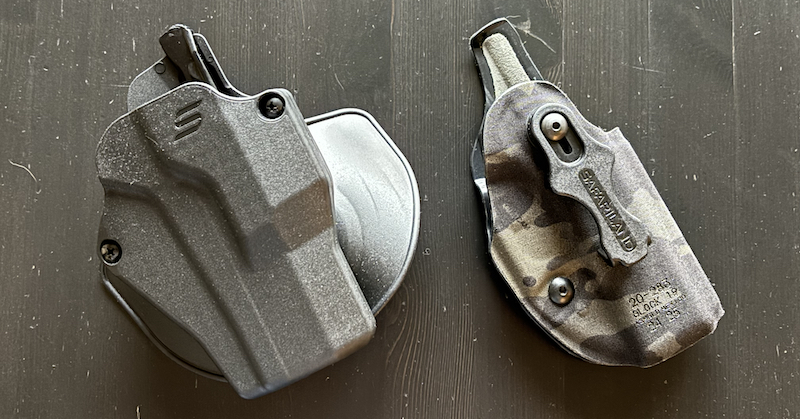
Holsters come in a variety of materials, so there is one to suit your preferences. Many manufacturers offer different combinations of materials, such as leather, Kydex, composites, and hybrids. Different materials have their own pros and cons, but ultimately it comes down to user preference, including price. I prefer a plastic composite holster for its durability and light weight, whereas my husband uses both composite and leather depending on his needs.
Carry Positions
In addition to materials, how you carry your holster will help determine which one you use. Everyone seems to have an opinion on which carry position is superior, but you have to go with whichever is more comfortable for your own draw stroke and ability to conceal.
Knowing your own body and profile will help you out a lot. Phrases like peaks and valleys are often used to describe your body profile, and that refers to the natural dips and high points around your waist that your holster would lie on. Taking stock of where your valleys lie can help identify a good spot for concealment. For example, my body has natural dips between my hips and the midline of my belly. With that, I tend to carry in an appendix position.
Comfort
You’ll need to consider materials, preferred draw, and body composition while making your choice; you have to be comfortable with the whole situation. You could have perfect placement, no issues with weight, etc., but if you’re feeling discomfort or distracted by your chosen method, it will show. Constantly adjusting your clothing or belt will be a dead giveaway when you’re outside your house. What’s the solution? Get comfortable.
Duh, right? But you’d be surprised how often people will go from zero to 60 without going through the other steps.
Wearing your holster around your house, with or without an unloaded firearm, is a great start. This will help you work out any pinch points, make adjustments for draw angle, and get used to the extra weight around your midsection. Do the dishes with the holster, or vacuum, or wear it out doing yardwork. These little steps will go a long way in your overall comfort.
SAFETY
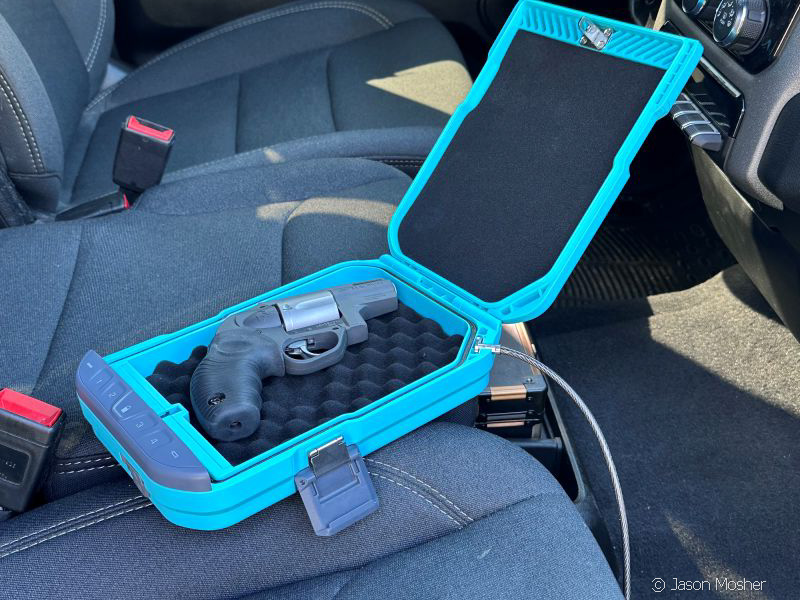
Now that you have the holster squared away, the next step is safety. If this is your first firearm, you need to have a way to keep it safe when you aren’t using for carry. A small keyed safe or even a finger combo safe is a good place to start. But if you’re like a lot of firearm enthusiasts, this might be your first but probably not your last, firearm. If that sounds like you, a larger safe would be the way to go.
Regardless, you don’t need to go too intense, but you need to make sure the firearm is locked up when not in use. This also goes for when you’re traveling or in a car. A smaller safe that locks to a post in your vehicle can be a smart option if you have to leave your gun in the car, which I don’t really support.
CONTINUING EDUCATION
First and foremost, you NEED to know the laws in your area (something that would have been covered in your concealed carry course). Learn those laws and know them forward and backwards. Know where you can carry and where you can’t. And these rules can change periodically, so stay up to date.
That leads me to the next point – keep taking classes and training courses. Your concealed carry education doesn’t end with the first course you take to get certified. Staying sharp with your skills (and any potential law changes) can make a big difference. Every skill you learned in your course is perishable; don’t let that happen. Be a student of the ideals and keep using them. Look for courses with local groups or ranges to start with.
Range Time
Additionally, keep going to the range. Sure, you did well in your certification course, but those skills can fall if not used regularly.
Ideas for drills at the range: draw to target for practicing your precision, practice clearing your gun and getting back on target for times when your gun could malfunction, or swapping magazines and getting back on target for additional threats. A little time thinking of possible scenarios and how to work through them can make a difference.
Drills at Home
Doing drills at a range is great, but you can continue the practice at home. With an unloaded gun, practicing your draws from concealment is a great way to get faster and more accurate. Not only that, but it helps with muscle memory, so if you’re in a situation when you need to draw, you won’t have to think about it and can just react.
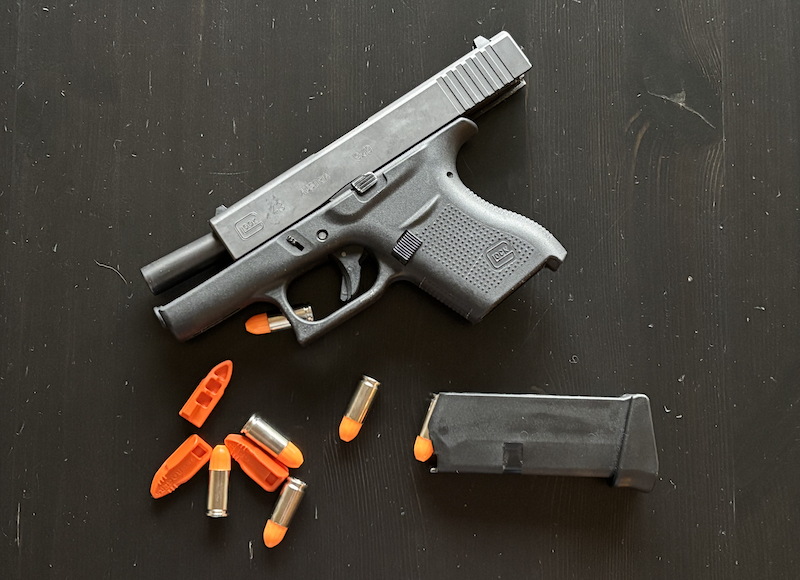
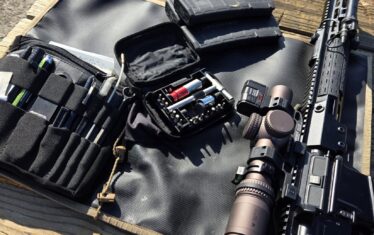
There are drill aids you can get to work through malfunctions at home. The dummy rounds or half-rounds are a good way to practice cycling your gun to clear a malfunction or working on a smoother trigger pull. The last thing you want is to jerk your gun with a trigger pull at a time when you need to be smooth and accurate. I have a recurring dream that my gun will malfunction when I need it most, so overcoming malfunctions is very important to me.
PARTING THOUGHTS
Regardless of what anyone else (including me) might say, you have to find what works for your body, your budget, and your comfort level. Taking the extra time at the beginning to pick the right holster, getting used to carrying a pistol when you’re out and about, and staying proficient enough not to be a liability is paramount.