
On paper, the Ithaca 37 doesn’t sound all that special. It’s a 12-gauge pump-action shotgun with a tubular magazine and an internal hammer. First hitting the market in 1937, the Ithaca 37 shotguns competed against Remington, Winchester, and Mossberg and held their own.
Ithaca isn’t a huge company. In terms of size or firearms design, it was never a titan like Remington or Winchester. Yet, the Ithaca 37 is the longest-running pump shotgun in continuous production, with new models being produced to this day. So, what makes the Ithaca 37 so special?
A Short History of the Ithaca 37
Even the history of the Ithaca 37 isn’t all that fascinating. The Ithaca Gun Company wanted to enter the pump-action market, which was then dominated by the Winchester Model 1897 and Model 12.
The problem was that Ithaca didn’t have a shotgun design to sell. So instead of creating something new, they looked at the Remington Model 17 and decided to make some modifications.
It’s often said that Ithaca simplified the design, making it easier and cheaper to produce. While true, that doesn’t tell the whole story. Remington produced the Model 17 in 20 gauge only, and Ithaca wanted a 12-gauge gun.
Additionally, if you’ve ever handled a Remington Model 17, you’ll realize they are a little fragile. The action bar isn’t particularly robust, the lifter parts are fragile, and the gun is difficult to repair. Grab one and give it a shake; it jitters more than I do after too much coffee.
Ithaca simplified the Model 17 design, but they also ensured the new gun was robust, durable, and capable of taking a modern beating.
Ithaca initially expected the Model 17 patents to expire in 1933, but a patent held by John Pedersen delayed them until 1937. With the Great Depression in full swing, initial sales languished. While Ithaca produced some Model 37s as trench guns for World War II, the company primarily focused on M1911 and M3 SMG production.
After World War II, sales of the Ithaca 37 improved drastically, including sales to numerous police forces and to the military.
Ithaca 37 Features
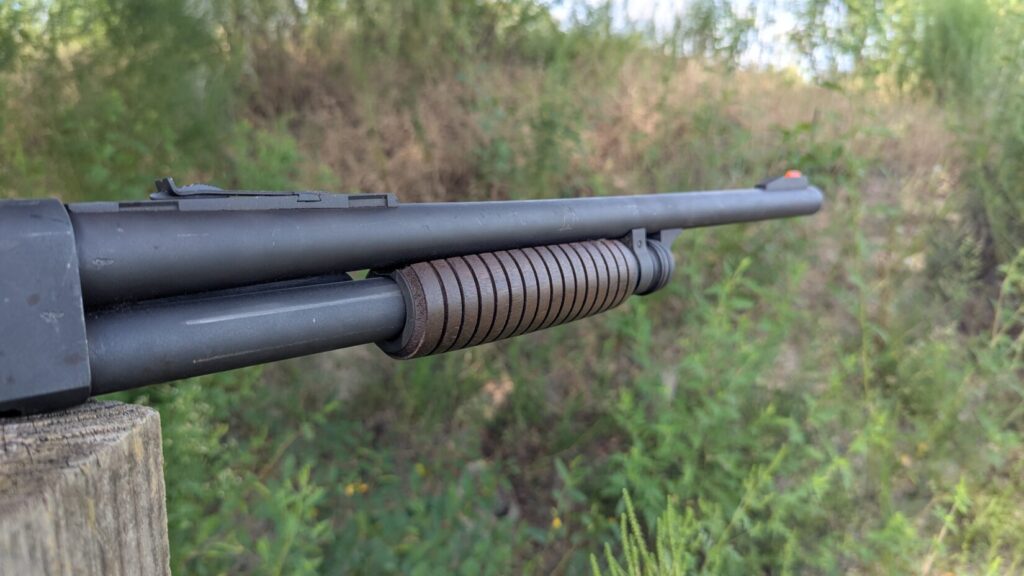
The Ithaca 37 is a 12-gauge pump-action shotgun that came in numerous variants, ranging from deer and bird hunting models to those intended for tactical and defensive use. The variations had minor changes, which included different barrel lengths, sight arrangements, magazine tube lengths, and stock configurations.
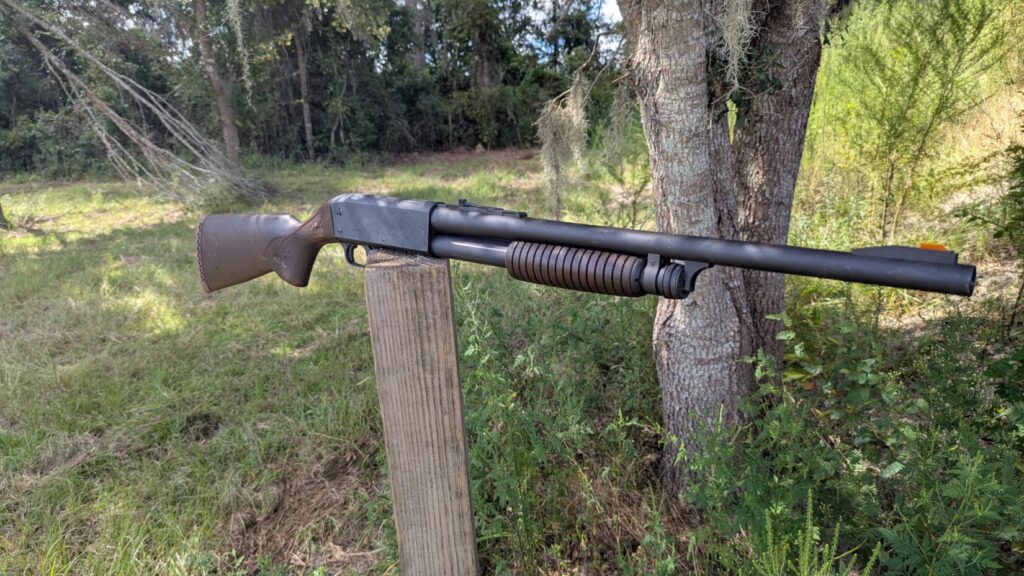
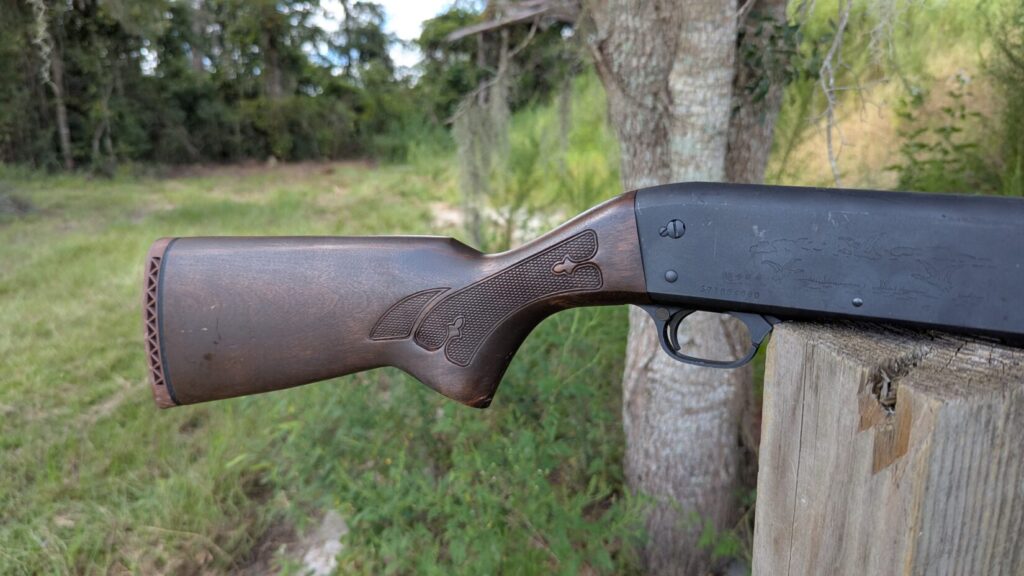
Because the Ithaca 37 lacked an external ejection port, the sides were slick; it’s often described as a slab-sided shotgun. The gun loads and ejects from the bottom. There were benefits to this design, such as allowing left-handed shooters to operate it without getting hit in the face with spent shells.
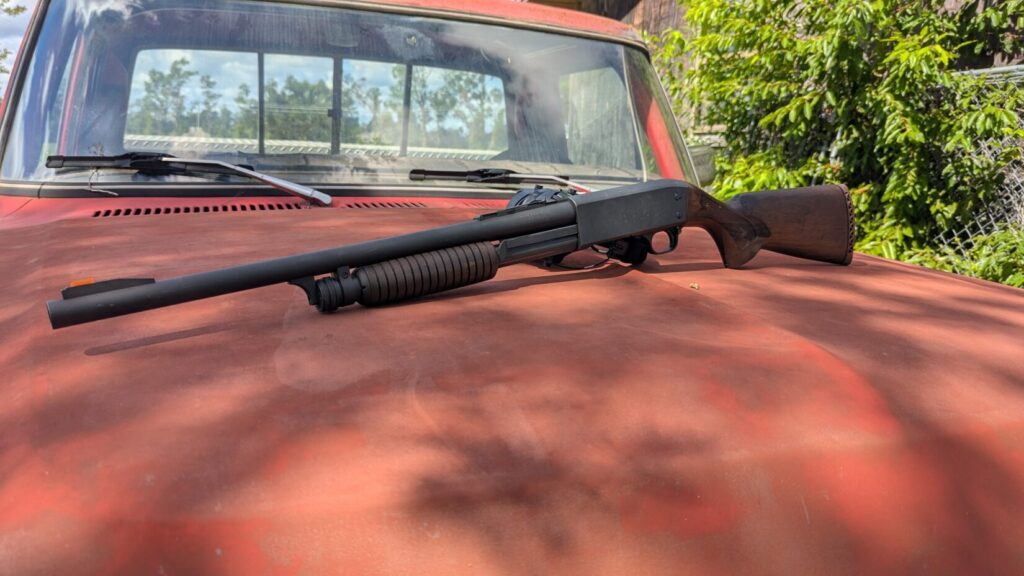
For hunters—specifically duck hunters—the design ensures shells are ejected downward into a blind or boat rather than at their companions. For police and military use, the slab-side design prevents the ingress of dirt and debris compared to a standard configuration shotgun.
Like most shotguns of the era, the Ithaca 37 features a single-action bar. The magazine is fixed, meaning there is no way to extend the factory capacity of the magazine tubes, which typically vary between four and seven rounds.
The Ithaca 37 and A Life of Duty
The Ithaca 37 served as the patrol shotgun for two of the largest municipal police departments, the NYPD and the LAPD, locked in countless police cruisers. These guns were used by rank-and-file police officers, as well as elite police forces.
The LAPD’s SWAT teams employed the Ithaca 37 in the early days of the SWAT teams. The NYPD’s Emergency Service Unit employed the standard Ithaca 37 and a special shortened version known as the Ithaca 37 Stakeout. The Stakeout featured a 13-inch barrel and traded the stock for a pistol-grip-only design.
When the U.S. military needed shotguns, it turned to the Ithaca 37. During the Vietnam War, in particular, the Ithaca 37 saw widespread military adoption.
The U.S. Army issued the gun to the famed Green Berets and Long Range Reconnaissance Patrols, while Navy SEAL teams often preferred the Ithaca 37 over other combat shotguns. Marine and Army infantry, Air Force security forces, and various other units fielded the gun throughout the conflict.
The military, specifically special operations units, liked the slab-side design and the fact that the gun had fewer points of entry for mud, dirt, and water. Vietnam was a rough place for firearms, but the Ithacas remained reliable.
SEALs and the M37
SEALs in particular seemed to enjoy the enhanced reliability of these guns. Because SEAL teams required higher ammunition capacity, Ithaca shotguns were eventually produced with expanded magazine tubes. This began as a post-purchase adaptation by military armorers but later became a standard option from Ithaca.
The SEALs also mounted “duckbill” chokes that would spread shot horizontally rather than in a circular design. This was said to improve the chance of hitting a threat. The duckbill chokes worked, but performed best with Number 4 buckshot.
Chief James Watson, a SEAL point man in Vietnam, loved the Ithaca 37. He carried one during his two tours in-country. His model featured the eight-round tube and the duckbill choke; he also sawed off the stock to make it more maneuverable. He finished the gun off with a one-point sling of his own creation.
The gun left military service when the United States military got tired of juggling a handful of different shotguns. Rather than juggling multiple different platforms, they moved toward a single primary shotgun: the Mossberg 590.
The Ithaca 37 Today
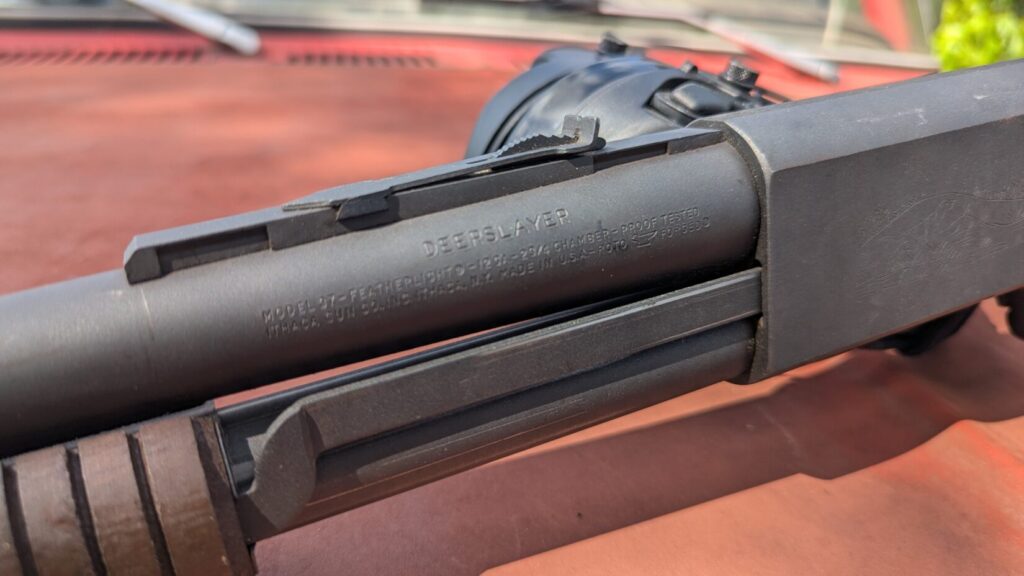
Ithaca 37s remain in production to this day, though the Ithaca Gun Company has changed hands several times over the years. Modern 37s are expensive guns, and the production numbers seem low. However, the company still offers various configurations, including the Defense, Deerslayer, Trap, and Waterfowl models.
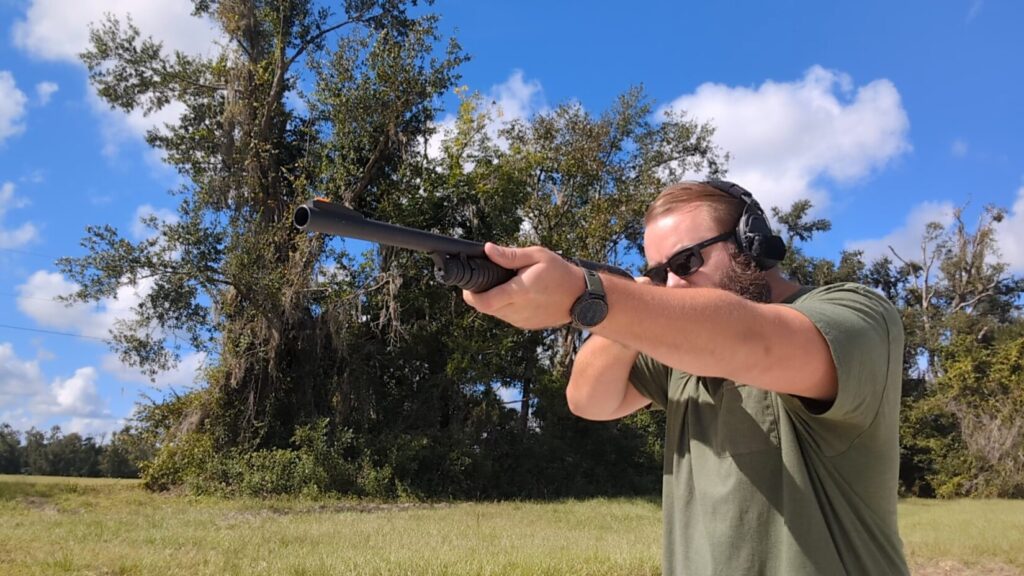
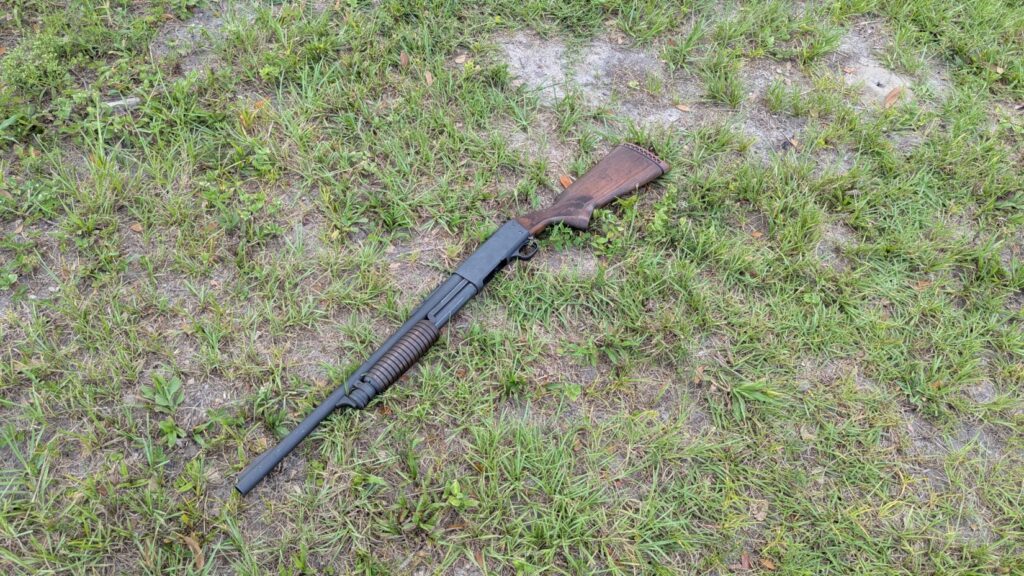
If new production prices throw you off, then you’re in luck. Since the gun has been in production for nearly a century, it’s widely available on the used market. I picked up a Deerslayer model for less than $400 a couple of years ago.
I own piles of shotguns that range from super modern, like the Beretta 1301, to historically awesome classics, like the Winchester 1897. Despite its age, the Ithaca 37 feels and handles like a much more modern pump-action shotgun. It’s incredibly robust and reliable.
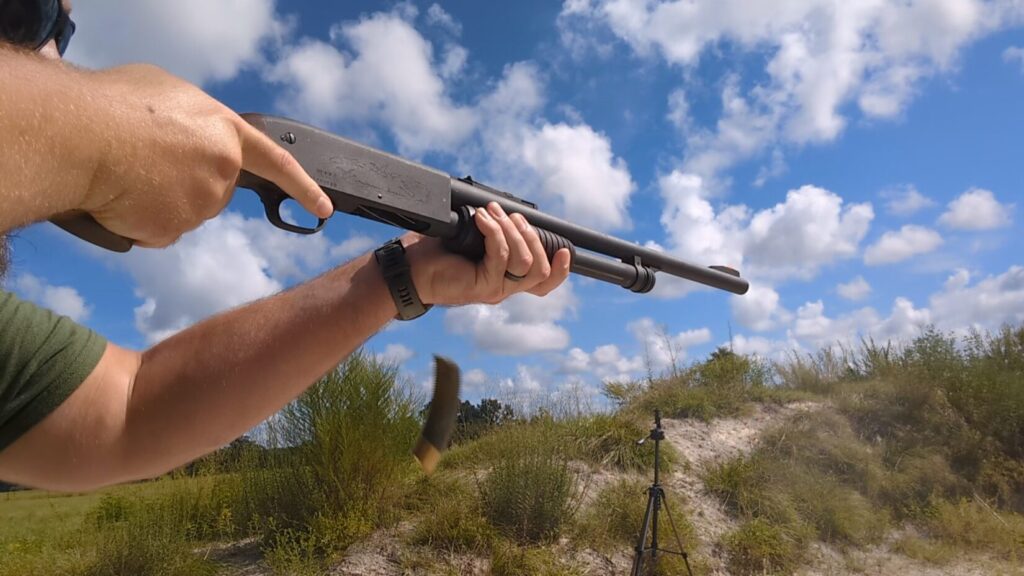
If the gun had twin action bars, it would compete well with the Remington 870 and Mossberg 590. As it stands, the action is smooth and clean, and the gun swings nicely. You can feel the quality of steel construction and its robust design.
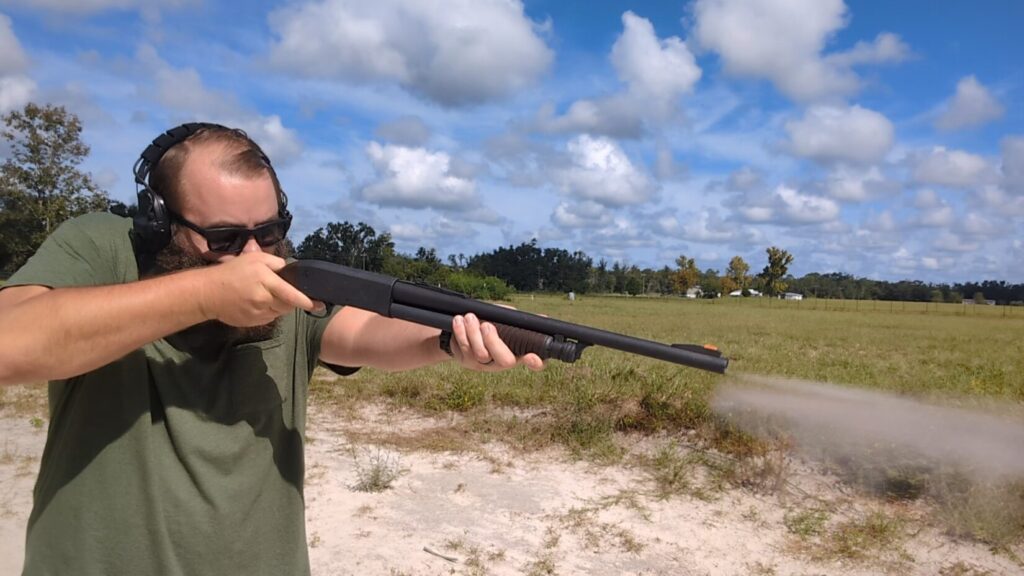
The Deerslayer models feature rifle-style sights, which I adore, and a relatively short 20-inch barrel. This setup makes the rifle light, handy, and maneuverable. Even though the design is older than my grandfather, I would be completely comfortable with an Ithaca 37 in my hands if a fight were in front of me.
The Mighty Model 37
The Ithaca 37 is a proven platform, having excelled in police cruisers, on the battlefield, and in hunting blinds and tree stands across the country. While it might not seem original on paper, its nearly century-long production run and the loyalty it inspires are evidence of its excellence.
If you have an Ithaca 37, hang onto it; if you don’t, grab one. You won’t regret it.