The term “New York Reload” was born during the NYPD revolver days. It refers to the tactic of drawing a second revolver in a gunfight, being faster than reloading an empty revolver.
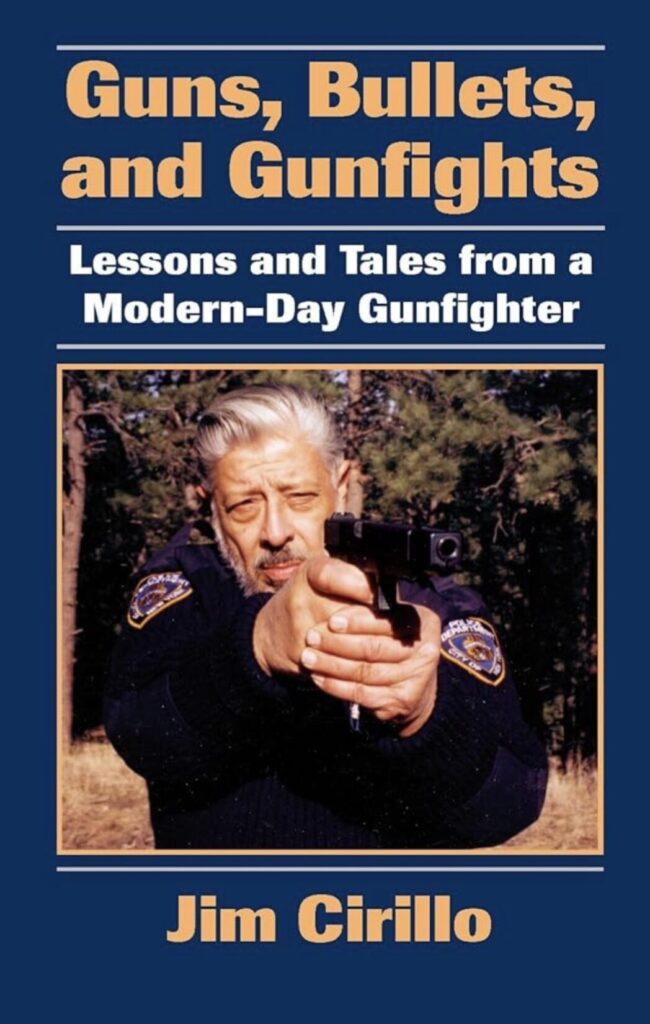
There is a debate on who coined the phrase and came up with the technique exactly. Jim Cirillo, NYPD gunfighter of “Stakeout Squad” fame who had at least 17 gunfights under his belt, is often credited. Sadly, we can’t ask Jim. He passed in a car accident in 2007. However, my brother Ray is friends with Jim Cirillo Jr. and confirmed to me that his Dad did, in fact, create the technique and coined the phrase. Others I have talked to dispute that, claiming it was already a common practice and term among the ranks of the NYPD.
Either way, when I first became a police officer, I was hired by the NYPD. In the academy and mainly at the outdoor range in the Rodman’s Neck Section of the Bronx, we were asked to carry a second gun. Not because it was faster than reloading our issued semi-automatic pistols, but because things go wrong. Even during in-service training after the academy, they begged us to carry a second gun.
What could possibly go wrong that would require drawing a second handgun? Well, just a few years before I was hired, the then NYC Transit Police—prior to their merger with NYPD and NYC Housing Police—had just transitioned from revolvers to semi-automatic pistols. In one notable instance, two transit cops were walking up the steps from the subway to the street level, when two suspects on a motorcycle, one armed with an Uzi, robbed them of their newly issued duty pistols.
The last scenario I will give you is what happened to me when I gained weight and stopped carrying a backup gun because it was uncomfortable. The scenario occurred during a violent struggle with a suspect, while alone in a Bronx backyard, that spanned the force continuum.
At one point, while being choked, I shot the suspect in the heart (fatally), but he grabbed my gun and continued to fight for six to seven seconds, as if I had missed. While thinking that I did miss, the suspect grabbed my duty gun and pushed it away. I immediately wished I still carried my backup gun to pull with my support hand. As we fought over the gun, I fired it to disable it and hit the mag release to drop the mag.
Eventually, he slid off of me, dead on the ground. Had he gotten the gun from me, that could have been a fatal seven seconds for me. I never went out on patrol again without a second gun.
One time carried a Glock 19 to work, forgetting to switch to my smaller backup gun. Not willing to be caught short again, I tucked that Glock 19 in my belt as a backup gun.
My first backup gun
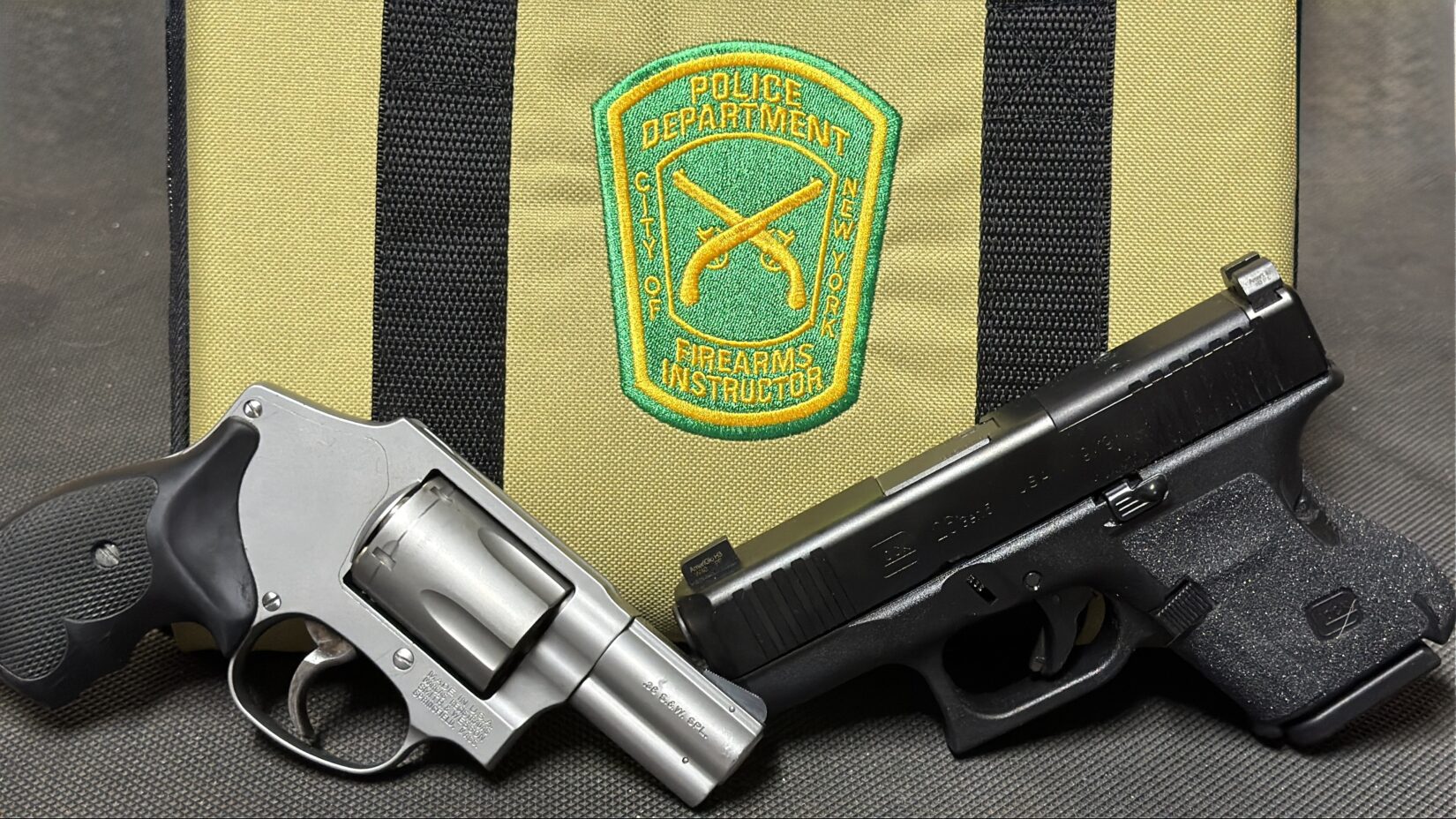
Authorized off-duty and backup guns are regulated by the NYPD by policy, and you are only allowed one. When I got hired, there was a choice of several revolvers. Only two were compact, and only one of those two — a special NYPD SKU S&W Model 640 Centennial — had a good reputation.
With my duty gun being a Glock 19 Gen 2, I really wanted more than a five-shot revolver if things went sideways, but I didn’t have an option. While I carried a speed loader with an extra five rounds off duty, I didn’t want to add the weight to my duty belt of a speed loader, as some officers did.
Many years later, I would return to the 640, right before I stopped carrying a backup.
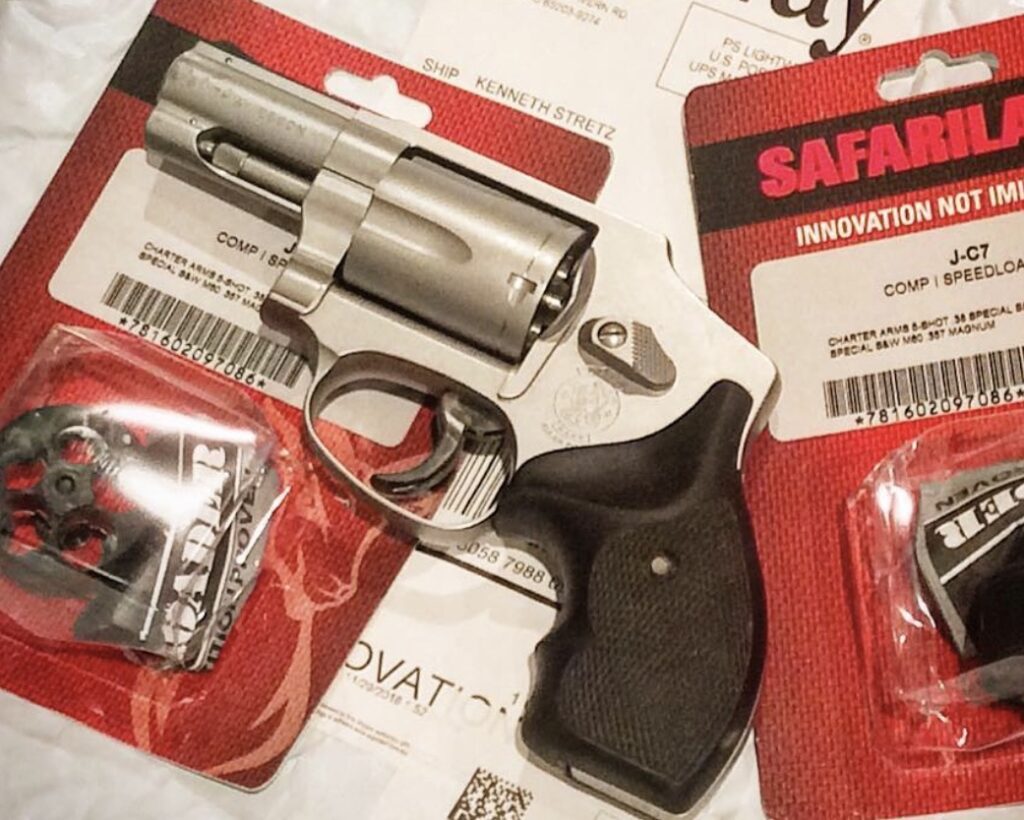
An argument I often heard for a revolver as a backup, and still hear even to this day, is that you can press a revolver up against someone and empty the gun into them, without a malfunction. The same technique can push the slide out of battery on a semi-auto and make it unable to fire. That revolver would have been perfect when I needed it.
Upgrades over time
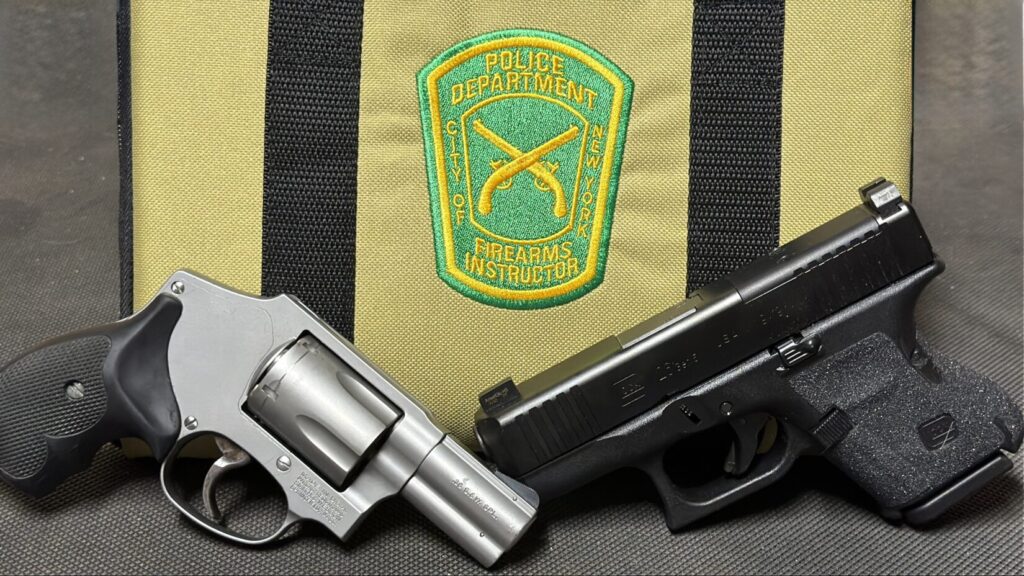
Within a year or two, the NYPD authorized the Glock 26. Not being allowed to have both, I transitioned to the Glock 26 for the comfort of six more rounds, better sights, and the ability to reload with the 15-round magazines for my duty gun, the Glock 19. Even after leaving the NYPD The 26 was my backup gun for a long time, only once in a while switching back and forth to the 640 for different reasons.
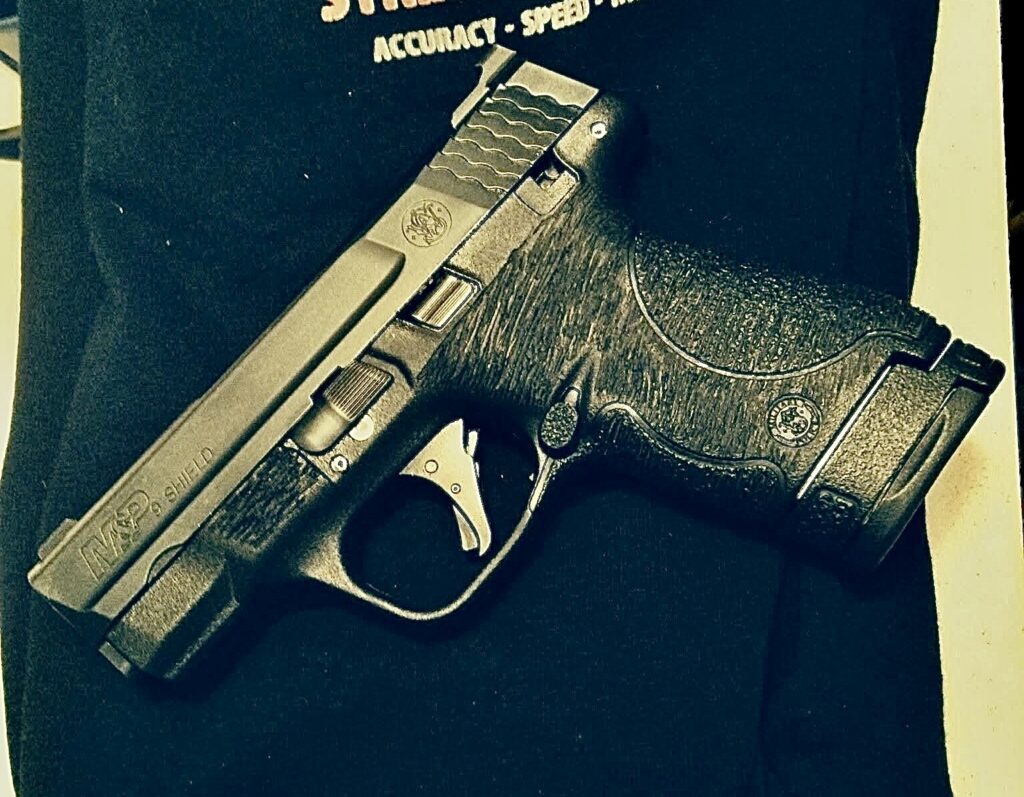
It wasn’t until the S&W M&P Shield debuted that I switched to a different backup gun. With a slimmer profile and a capacity between the 640 and the 26 (seven plus one), it was a no-brainer. As time went on and different companies released models to compete with the Shield, I would cycle through different options. The Glock 43, Sig P365, and HK CC9, in that order, replaced the Shield.
What’s old is new again
Not liking how snappy any of the slimline semi-autos that I carried for a while were in recoil—and noting the reliability concerns surrounding the others—I went back to carrying the 640 for the final year before my retirement. Around the last month or two on the job, my 640 was again replaced by a Glock 26. This time, a Gen 5, as I had sold my original 26 years earlier.
Conclusion
In today’s semi-auto-only armed professional world, drawing a backup gun may or may not be faster than reloading your semi-auto pistol. It just depends on your skill level at doing both and where you carry your backup gun.
What should be clear, however, is that as an armed professional, you should not waver from carrying a backup gun. You don’t want the last six to seven seconds of someone else’s life to be the last six to seven seconds of yours.