
“You’re going to lose your shirt if you sell.”When someone tells you that, you may want to second-guess your decision to let something go. I know people who will never sell a firearm, and then I know those who I call “dolphins” because they are a flipper. As a seller, you don’t want to leave money on the table.
In a recent article, I wrote about the used gun buyer’s market and what to look for. In that article, I explained how to look for a deal. In this article, I’m addressing the other side of the counter. I want to outline some of the tips to help you get more out of your used-gun sale.
The Decision to Sell
You probably know someone who has amassed an impressive collection of firearms. You may know others who are constantly buying and selling, looking to upgrade with the latest model. Getting information about selling from either of these extremes can lead to either holding onto something you should let go of or letting it go for way less than it is worth. Some people sell because they are cash-strapped, and these people are often the ones to lose that shirt previously mentioned.
Your decision to sell may just be from the firearm losing that lovin’ feelin’. Think of the first firearms you purchased compared to your preferences now. I’m sure there were trends you followed in your younger years that you’ve since abandoned. I’m also sure there are classic firearms that never go out of style.
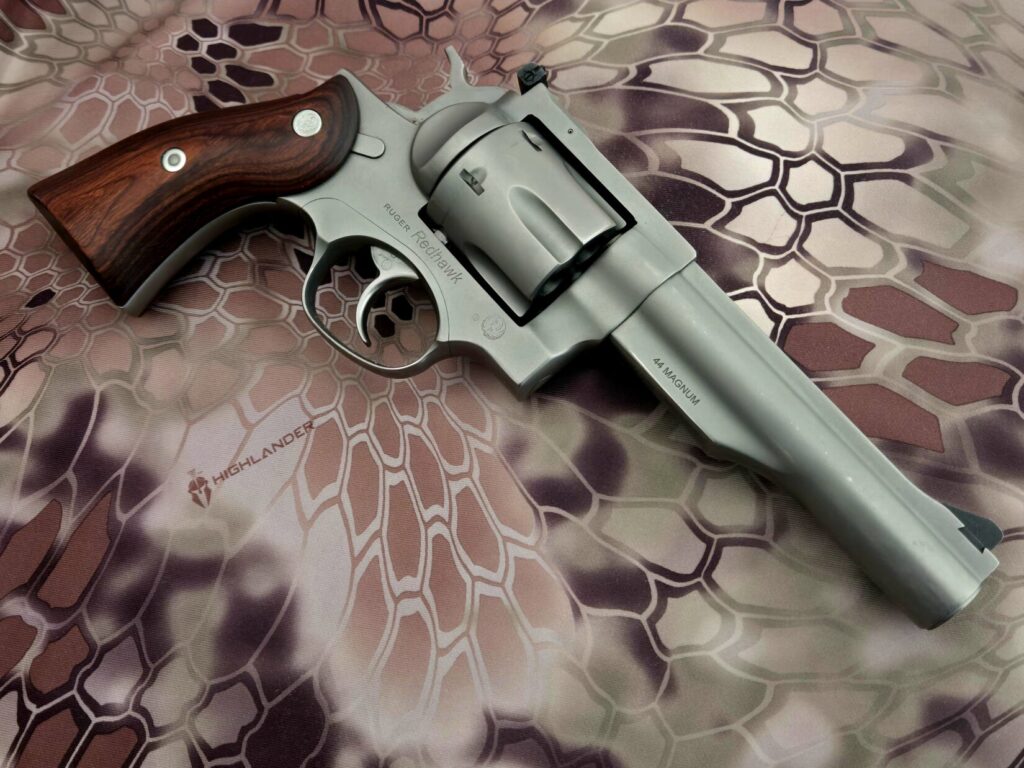
If you view firearms as investments, you can hold onto them or purchase low and sell high. The latter is best after you wait for the used gun market to reflect the demand for something. Take a look at the recent prices for SKS rifles that once sold for $80. There are many reasons to sell firearms, and they’re all personal. If you end up in a better position than when you started, they are fine with me.
Reasonable Pricing
If you’ve made the decision to sell, you need to figure out what a reasonable selling price is. You may remember what you paid for that firearm when it was brand new, but that number is likely not the same number now that you’ve owned it. This is true even if the firearm is unfired and still in the box.
In some circumstances, you may have a limited run or collectible that will fetch a higher premium, but if your firearm was widely produced or distributed, it’s likely going to depreciate in value. Look online at the web-based stores to see if you can find any comparable guns for sale. Online is often the best place to find a good fair-market value compared to a printed book that is locked in once it is published.
It may be difficult to separate your emotional connection to a firearm from the idea of treating it like a good to sell. What you carried or looked at with such reverence is just a gun you need to sell. Don’t be surprised if you are told the firearm you held in high esteem is valued for less than what you want for it. Also, don’t be surprised by seller fees, consignment costs, etc.
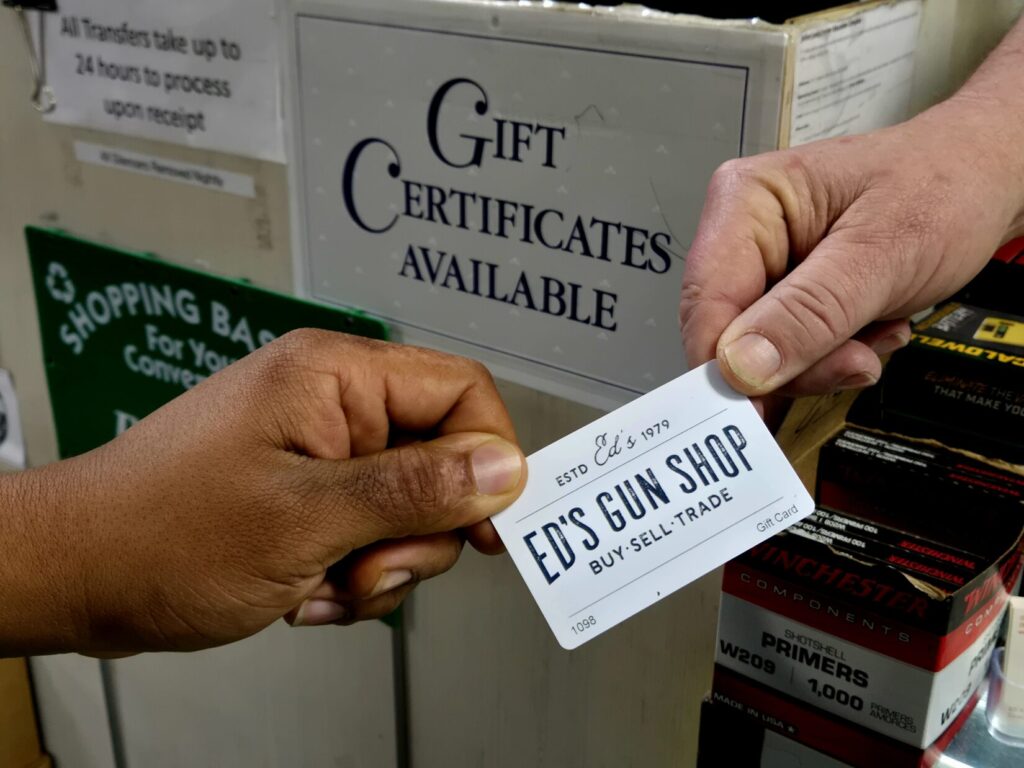
Just like trading in a vehicle at a car dealership, you may find you will get a better price for your used firearm if you sell it for store credit. Keep the funds in the gun shop, and you might do better than cashing out and walking out the door.
Prep Your Firearm
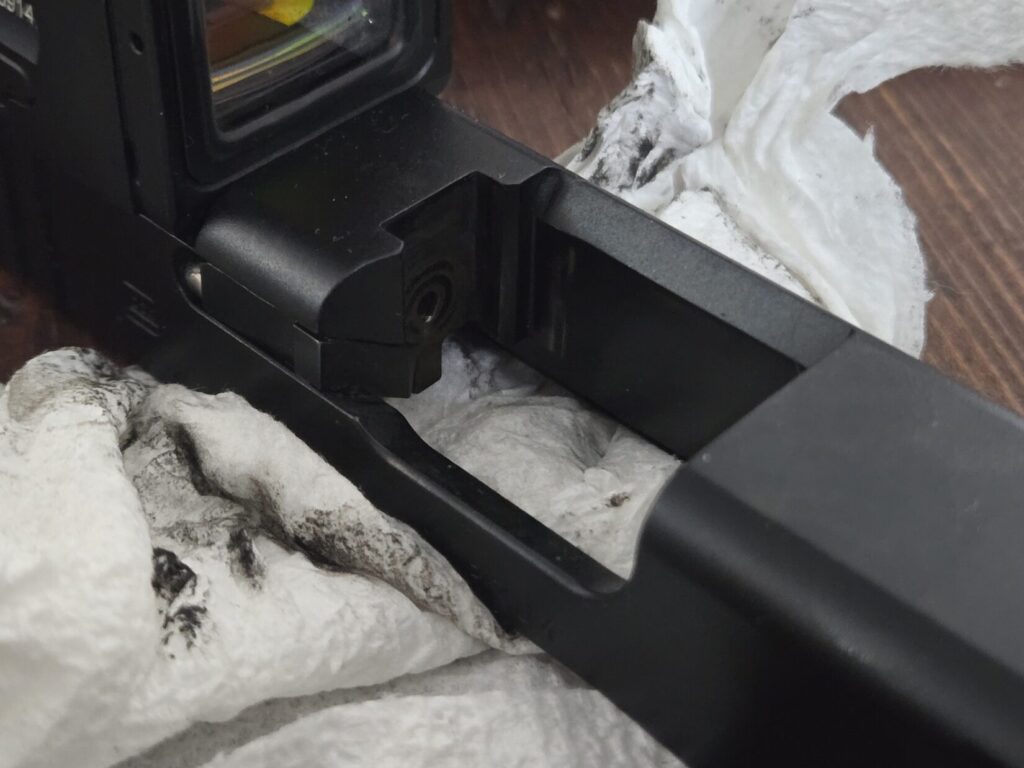
Place yourself in the shoes of the buyer. If you were to examine your firearm, what condition would it be in? Prior to selling your firearm at a store or online, thoroughly clean it. Remove excess carbon buildup, any witness marks you made with a paint pen, or any other evidence of use. Light rust should be removed, and if your wooden stock is looking dull, rub it down with some tung oil. If a buyer field strips your firearm at the counter, they shouldn’t find dust bunnies.
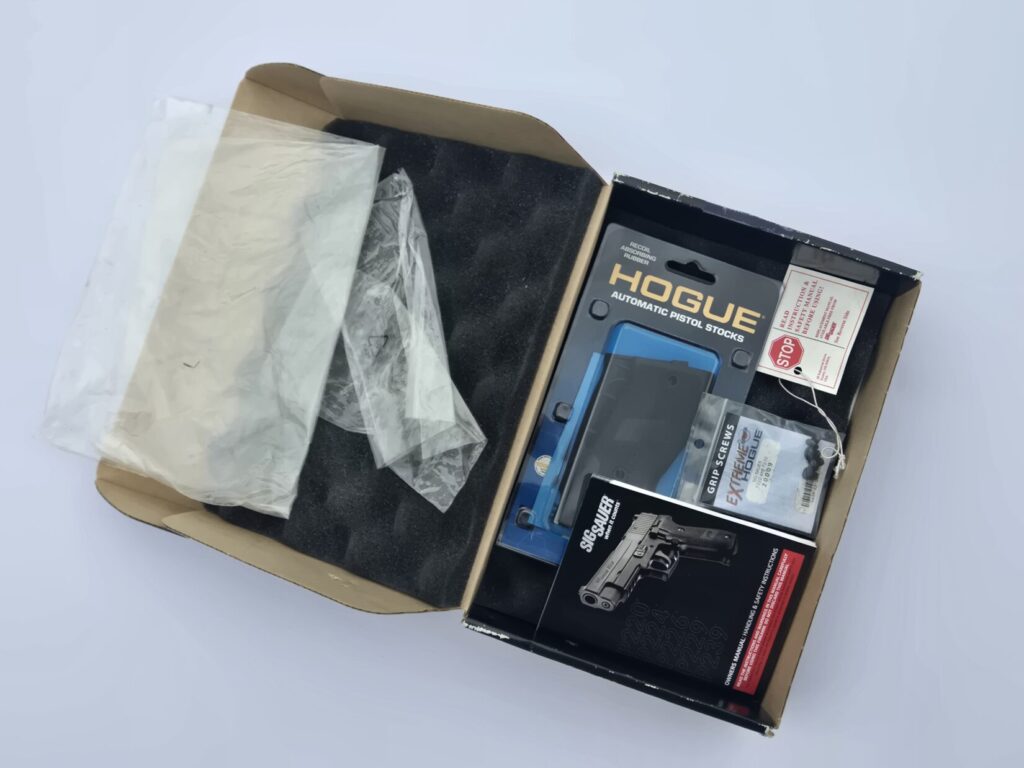
Before selling your firearm, compile any original documents and manuals that came from the factory. The same is true for the factory box, any cable locks, and cleaning accessories. While it sounds crazy, even the original plastic bag some firearms come wrapped in may help you secure a better selling price. The goal is to make the firearm look as close to new as possible.
One statement that shouldn’t have to be mentioned, but needs to be mentioned is, make sure your firearm is unloaded when you bring it to the store. Ask anyone behind the counter if that has ever happened, and you’ll be shocked to hear the answer.
Accessories
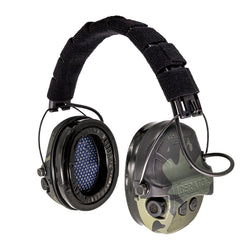
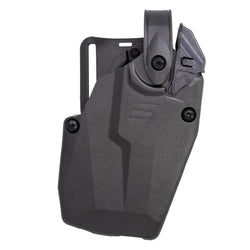
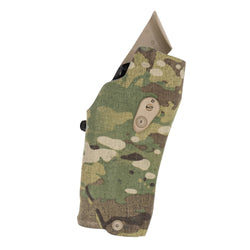
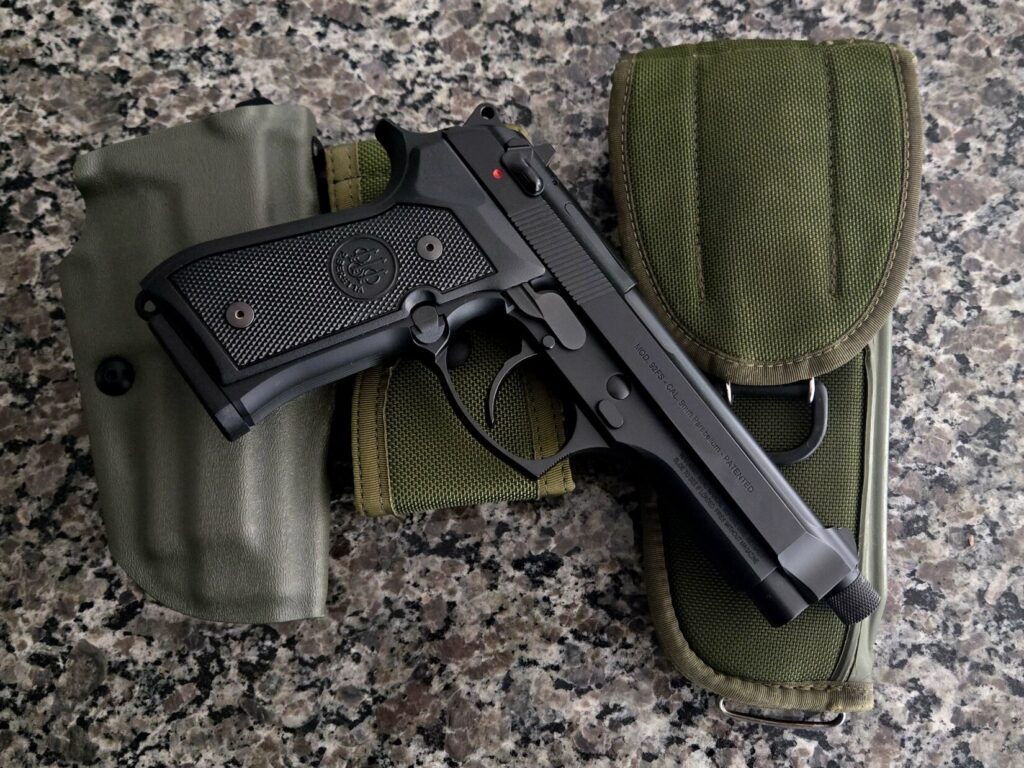
When you sell a firearm, accessories can help make the deal. A pistol sold with a quality holster or one that is hard to find is more attractive than one without. The same is true of a rifle with additional magazines.
Some accessories that typically are a pain point for the consumer will ease the decision to buy if they are built into the cost. Keep that tactical light mounted or include an expensive sling. If you can sell the parts separately and make more from multiple sales instead of one, you should.
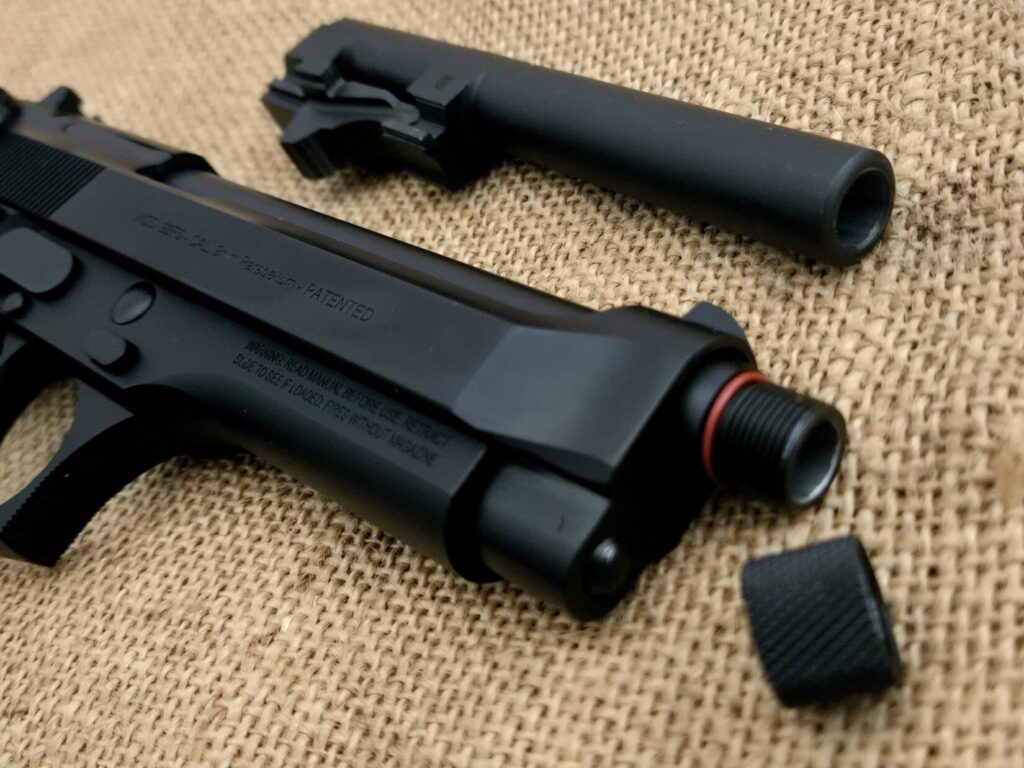
Sadly, if you have a firearm that has been modified by a gunsmith from its original form, the cost of the gunsmithing probably won’t be recovered in the sale. The same is true for custom finishes.
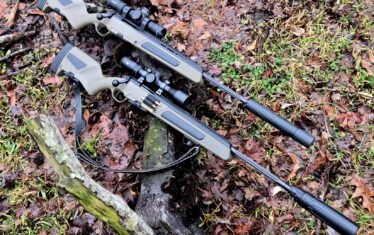
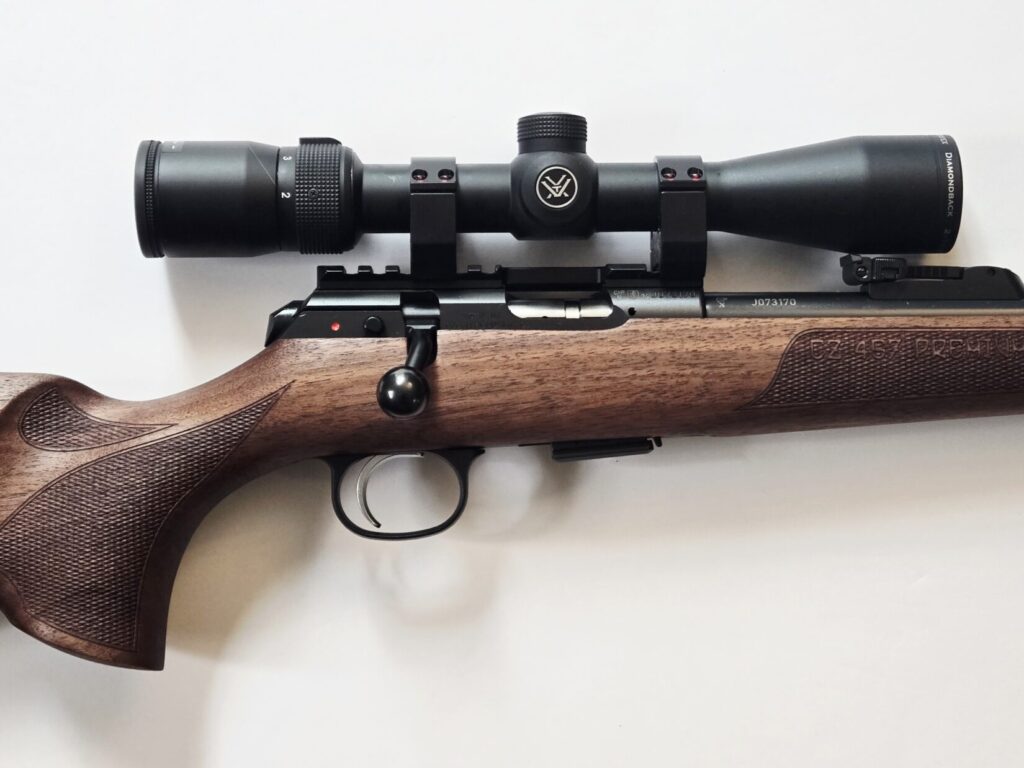
Hunting rifles and precision rifles are often best sold without optics. A $2000 rifle optic may only be valued at half price or less. You may want to hold onto that optic for another rifle or sell it separately with the rings if they will fit another rifle with a similar mount. If you have ballistic data or a sample target, include that.
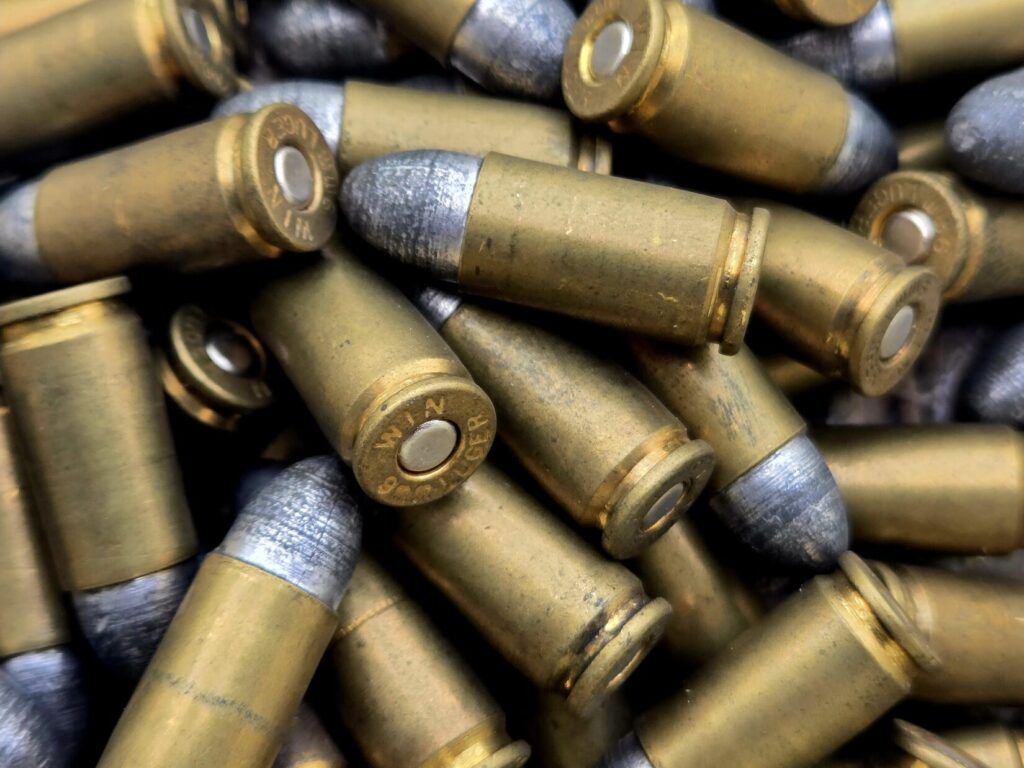
For liability reasons, you likely won’t find many stores that will resell the ammunition you purchased for your rifle. The store doesn’t have any way to verify that the ammunition isn’t reloaded or safe. In the case of a much older classic firearm, including an older box of ammo—typically sold as display only—may increase the value of the sale.
Online Sales
You could have the best bait in the world, but you won’t catch a fish if it doesn’t see it. Ever since the dawn of the internet, firearms have been sold online through different channels. If you are able to sell your firearm through the internet, do it. There are countless potential buyers it can reach, and it is well worth the effort.
The key to selling your firearm is getting plenty of eyes on it, and unless your local gun shop is a hub for sales and a destination for buyers, you may want to put it online.
Online sales used to be a gamble as photo quality was grainy. Now, the average cell phone takes as good a photo as professional cameras did years ago. Even with a quality camera, you can make mistakes that will lose you a potential buyer. Find good lighting. Natural is best, and avoid any bright spots or dark shadow lines. Look at photos that stand out to you and attempt to recreate them. Indirect even light is the key.
Also, don’t skimp on photos of important details. Learn to take a quartering shot instead of a flat photo with no depth. Good photos can sell a worn firearm.
Be Patient
Once your firearm is placed in the gun store display case or online, it becomes a waiting game. Don’t let your expectations for a quick sale force your hand to lower the selling price if you know it is worth it.
Sometimes, your firearm is in the right place at the right time, and sometimes it isn’t. You can’t expect a large-frame pistol to sell as quickly in the summer as you can in a season when smaller concealed-carry guns are sought after. The same is true for hunting rifles outside of hunting season.
Another factor you have to consider as a used gun seller is the demand. Not everyone will have the same interest in your firearm as you once had. Sometimes, a particular firearm is not wanted, or there has been bad press surrounding it. Decades ago, there were some firearms that were made with stocks that had been kiln-dried with salt, leading to heavy corrosion. Since then, other firearms have had similar controversial notes, making buyers skeptical. Some will buy regardless but it is just a matter of time.
Special thanks to the staff of Ed’s Gun Shop in Vass, NC, for their assistance in the photography and research for this blog.