
One of the most profound statements I’ve ever heard came from my friend Dan Luna. “There’s always you, your opponent, and the environment.” Given Dan’s background as a former Navy SEAL, PhD-level thinker (He’s literally Dr. Dan Luna), and a man with plenty of real-world experience, his words carry weight, and I value them.
Spend any amount of time in cold weather, and you’ll quickly realize that nature always has a say. The concept of cold or adverse weather playing a role in any conflict is universal, whether you are an elite naval special warfare operator in a frozen foreign land or a family man protecting the most valuable people in his life on a cold holiday streetscape in the city.
We can’t assume temperatures will be temperate or ideal when we need to pull our pistol to defend ourselves. We need to train for cold weather if we want to truly understand our capability in different conditions.
Additional Garment Clears and Presentation
Most cold-weather outerwear is zipper-front access; save, of course, for anoraks that are pull-over designs.
Cold-weather tops are typically cut longer than mild-weather jackets to cover the gap that can present itself between the pants and the top. The clothing we wear in cold weather requires us to train, accessing our pistol differently than your typical T-shirt clear.
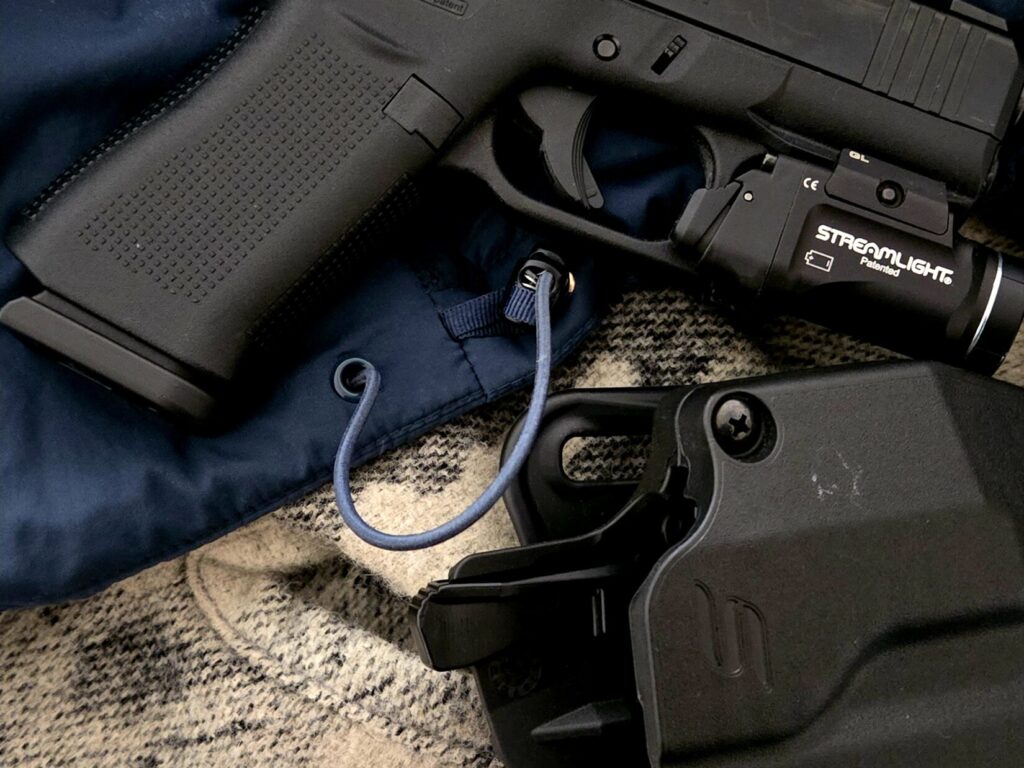
We don’t need to step foot outside to practice clearing our jacket and achieving a master grip. This can be practiced dry in the comfort of our home. While we practice reholstering, we can assess the garments we wear to make sure they don’t have any draw cords that can be consumed by our holsters, creating a potentially dangerous scenario.
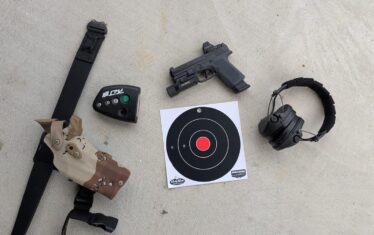
When we practice dry fire with heavier clothes on, we can note the freedom or lack of freedom of movement they give us when we present the pistol sight(s) on target. If we have kept track of our baseline data from warmer weather, we can also use a shot timer to see how clothing affects our times.
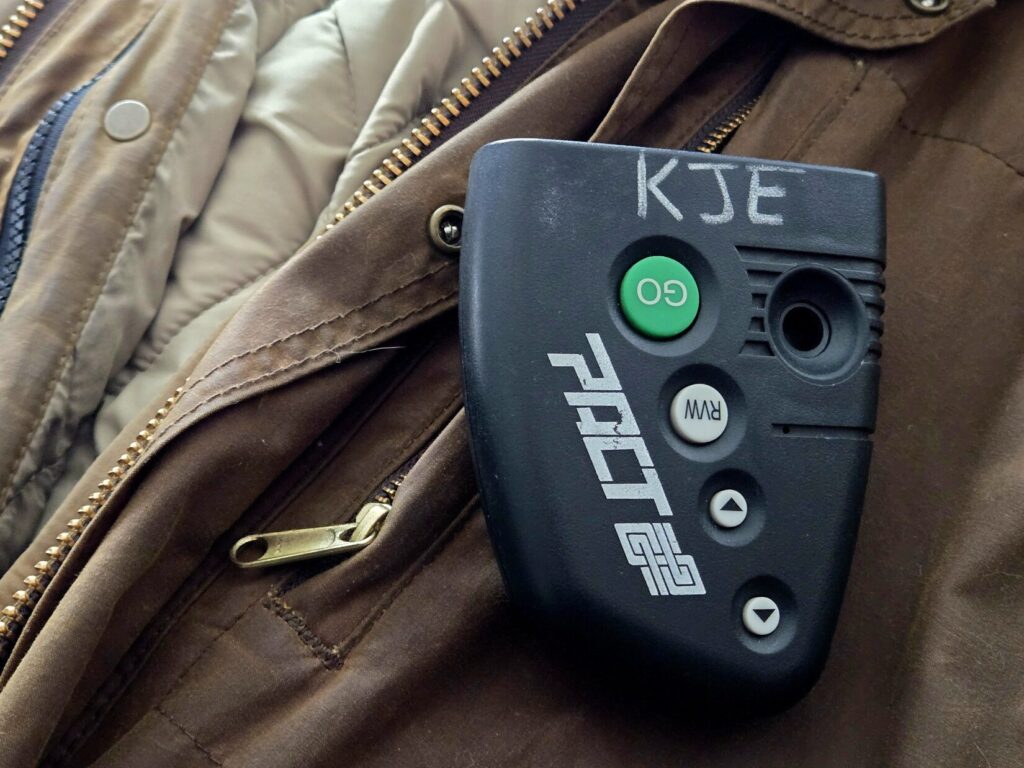
Malfunction Drills and Control Access
Everything works, until it doesn’t. Cold has a way of working its way into our bodies and into our gear. In the late 2010s, I attended Cold Weather Carbine at the SIG Academy in Epping, NH. Simple drills done in warmer weather were disrupted by the constant discomfort of the cold.
Movement was slower as bodies were stiff. The grip strength and dexterity needed to access safeties, bolt releases, and mag releases were compromised. When fingers are stiff and numb, it’s hard to get tactile feedback when pressing buttons and levers.
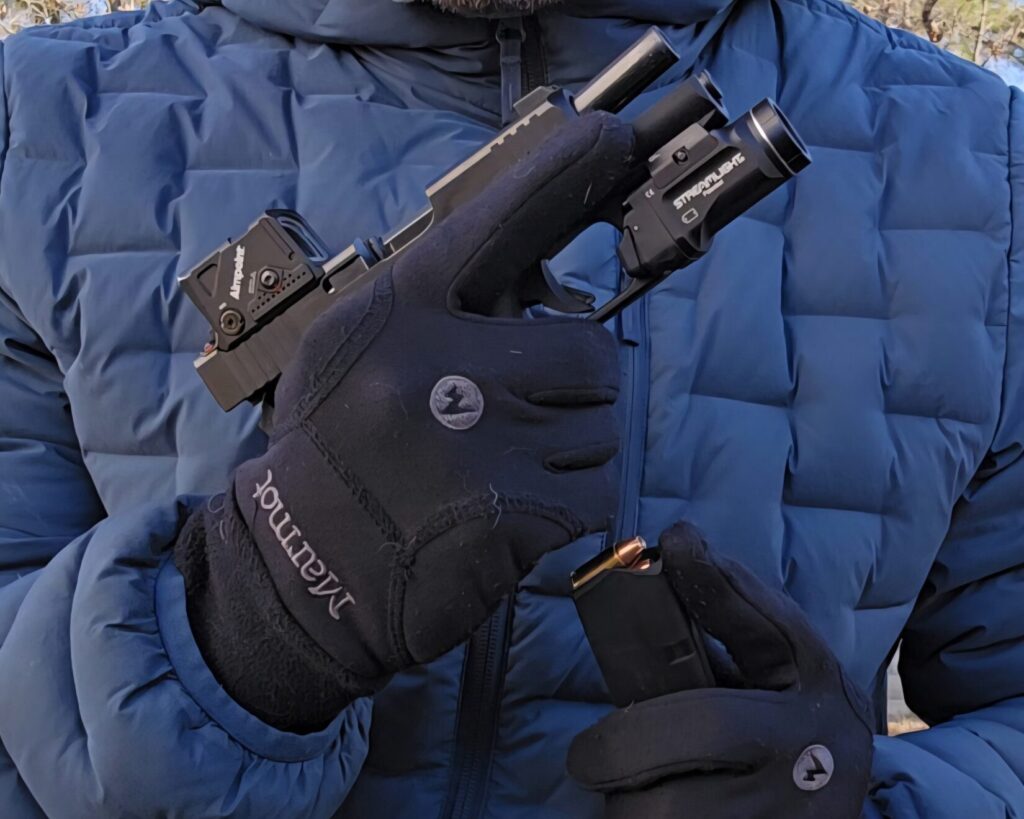
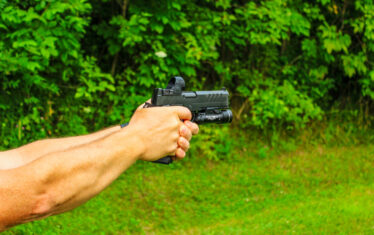
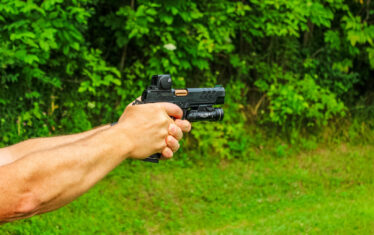
Stoppages are also affected by the cold and what it does to the body. For red-dot equipped pistols. Immediate action is tapping the magwell, racking the slide, and pressing the trigger. While there are many ways a slide can be racked (grabbing front serrations, rear serrations, power stroke, etc., etc.), the way that works exceptionally well with cold fingers is pressing the front of the optic against the vertical palm of the support hand. Solutions like this need to be worked through, and training is the way.
Gloved Hands
Gloves make sense in cold weather, and mittens are even better, but the latter are much harder to use with a pistol. In extreme cold, I’ll wear a combination of a wool glove inside a leather mitten, and much like a hockey player ditching gloves to throw hands, I can do the same if I need to use a pistol.
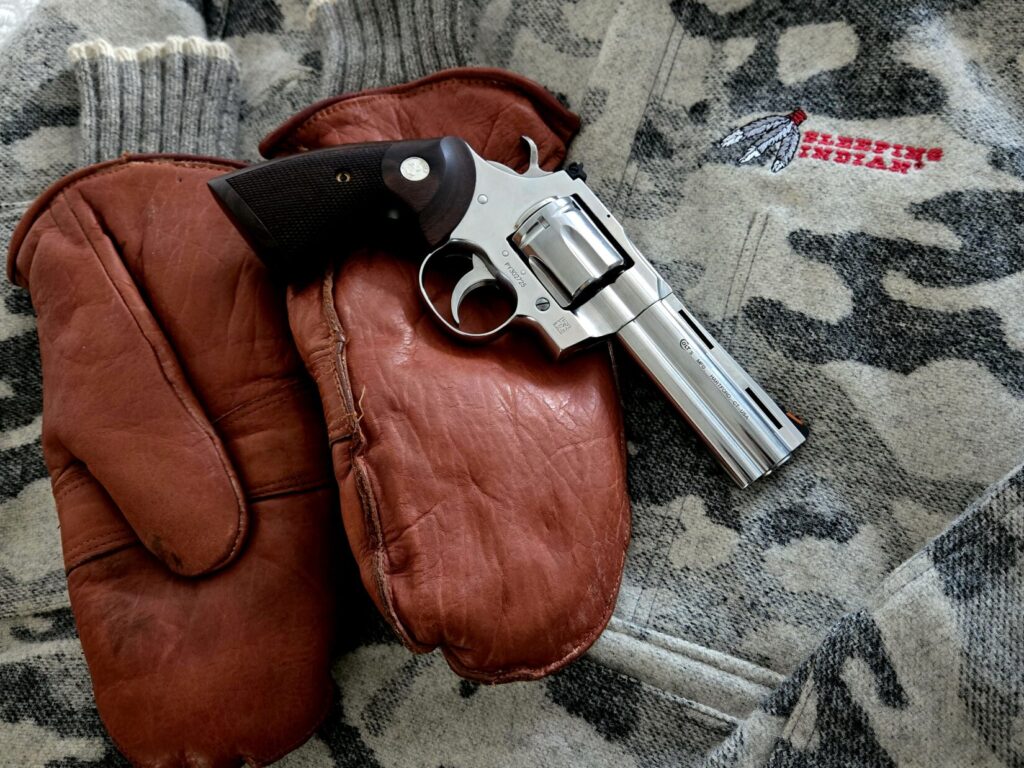
This practice can be drilled at home and at the range with dry fire or live, but realize you may get some looks if you do it in front of others.
Gloved hands present multiple problems. Gloves that are oversized may catch in moving parts or pinch points on firearms. Gloves also can be difficult to get into trigger wells, or they may create negligent discharge problems if the user can’t feel where their finger is on the trigger.
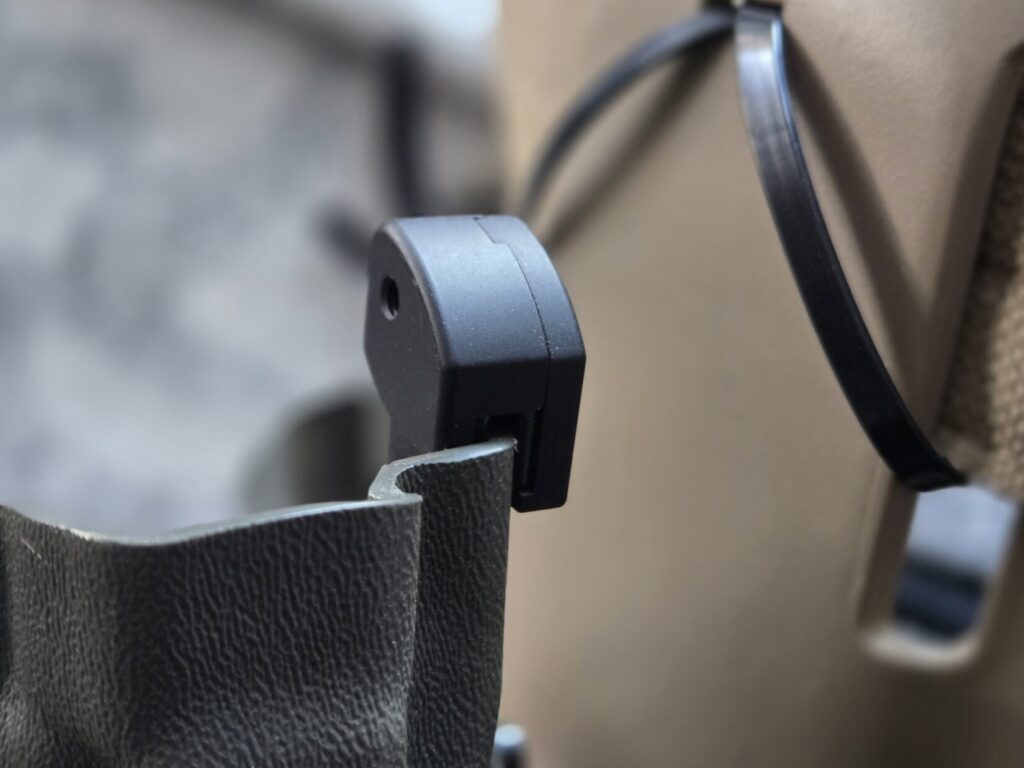
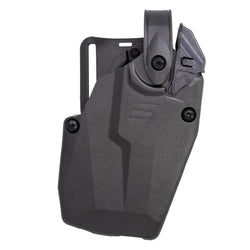
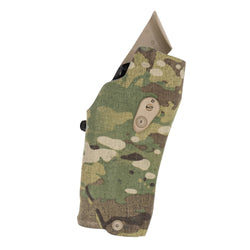
Most civilians rely on concealment as their first level of weapons retention. Armed professionals carrying more overt do not have this luxury. LEOs should practice working their pistols out of the holster with gloved hands on ALS release buttons. There are aftermarket attachments that can be added to create more surface area and these may help with gloved-hand use.
Trauma Care
Educated shooters keep a tourniquet handy. There is no doubt that you should carry gear to address trauma needs if you carry equipment that can create trauma. If you end up in an altercation where bullets are flying both ways, you may need to apply a tourniquet to yourself or a loved one.
Since cold-weather clothing can cause negligent discharges, you may also need to apply a tourniquet to yourself in accidental scenarios.
Keep in mind that bulky clothing can cause problems with trauma care. A large puffy jacket can conceal blood loss as the fill can act like a sponge and hide massive bleeding. Also, heavy clothing may make it difficult to perform a patient survey and run through the M.A.R.C.H. protocol.
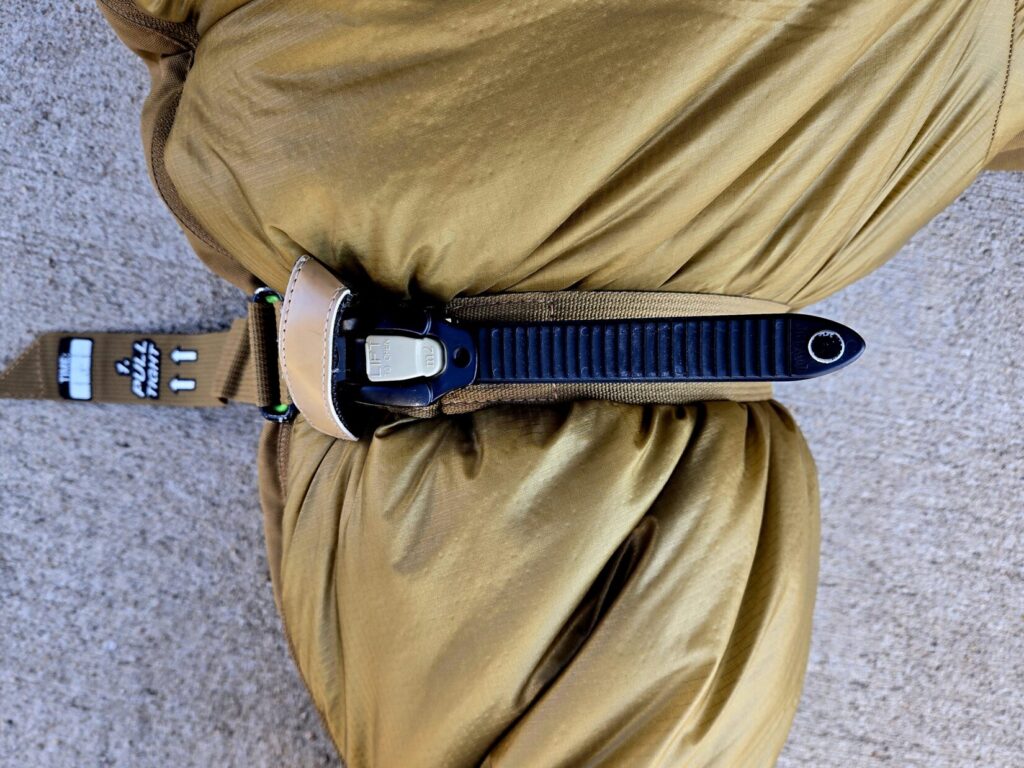
Make sure you can properly occlude blood flow with any tourniquet you carry, and that application over heavy clothing won’t stop you from saving someone’s life.
While there is no priority of one letter over another in M.A.R.C.H. as any can present immediate concern, I want to draw attention to the “H.” Extreme blood loss can lead to hypothermia and when the ground is colder than other seasons, you really need to train to find ways to keep a patient warm and protected from conduction cooling if they are on the ground.
Ballistic Tests
One of the ways we can train is by understanding how our ammunition performs through different mediums for better awareness. You’ve probably heard certain ammunition will or will not expand, will or will not get clogged up with clothing, and will or will not have the overall terminal ballistics we want. You can rely on what others tell you, or you can find out for yourself with clothes purchased from a thrift store.
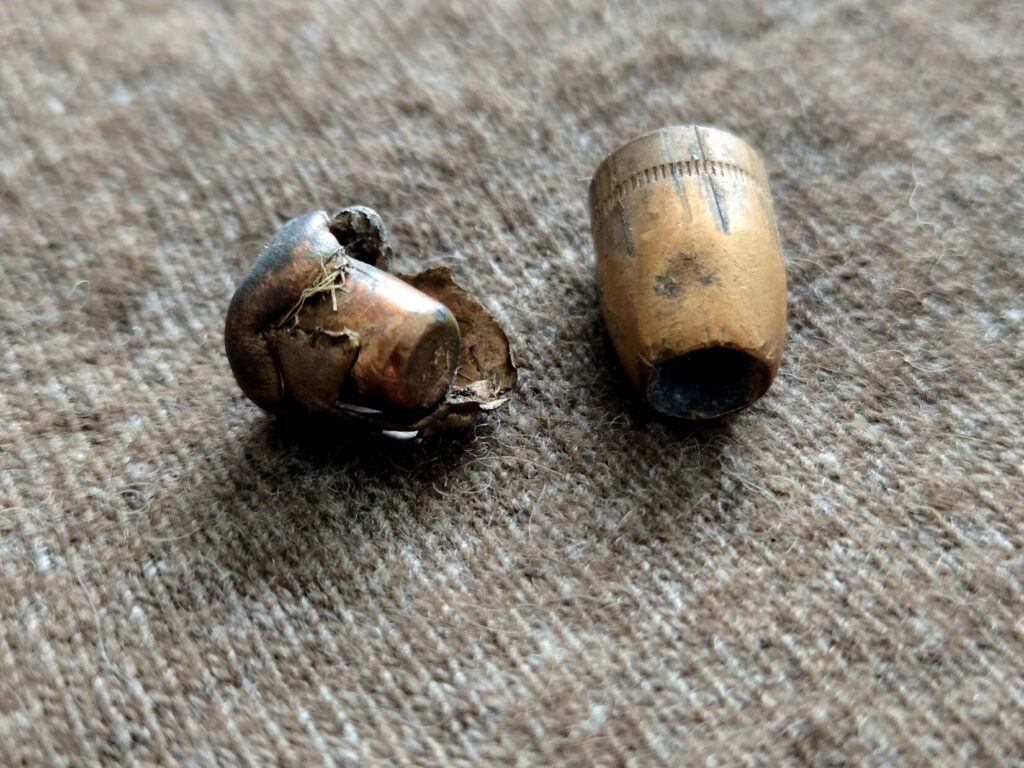
Similar to the testing done on popular YouTube channels, different penetration test mediums can be layered in front of a safe backdrop. While nothing will perfectly simulate what your rounds will do against a realistic threat, you can test how well the ammunition penetrates and expands. You can test your ammunition against denim, leather, wool, and so on.
Based on your testing and what you dig out from the target (if you can recover rounds), you may decide to carry a different ammunition or caliber in a different firearm.
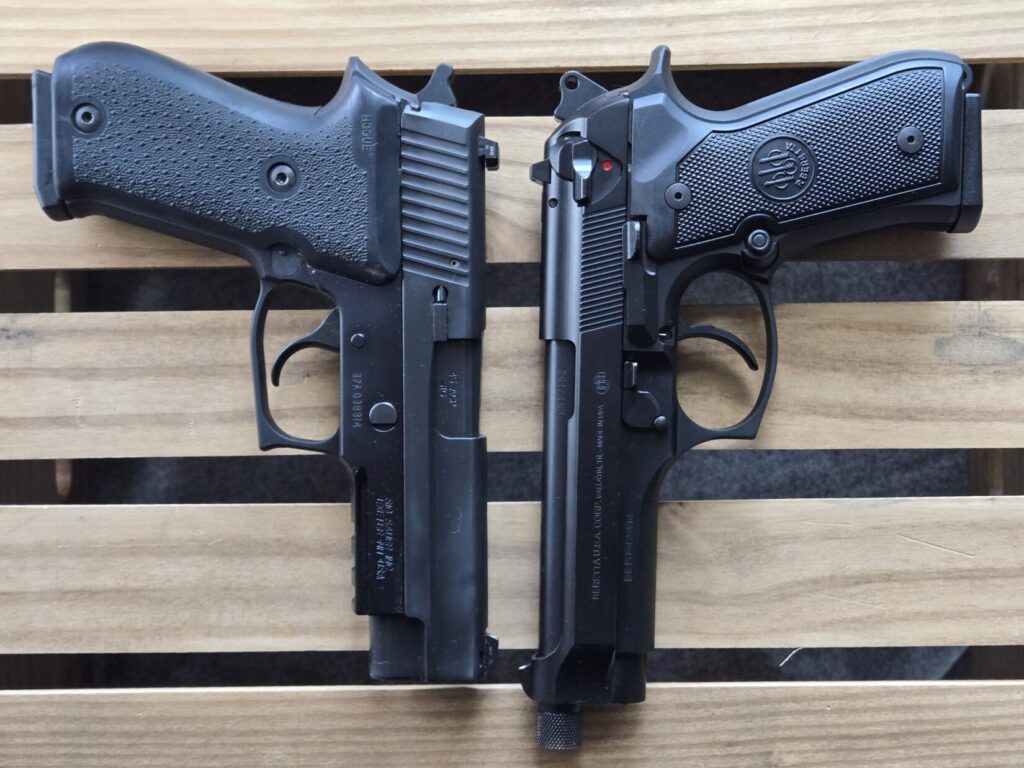
There’s another great expression to remember: “There is no such thing as bad weather, just bad clothing.” I don’t know who can be credited with that one, but it is just as true as my friend Dan’s advice.
Just like there is appropriate clothing for cold weather, there are appropriate ways to train for that weather, too. Become educated in your kit and how it performs in all environmental conditions.