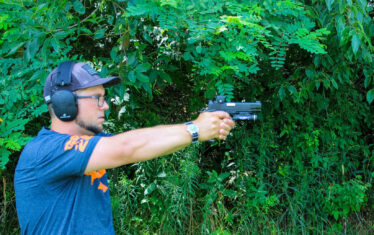
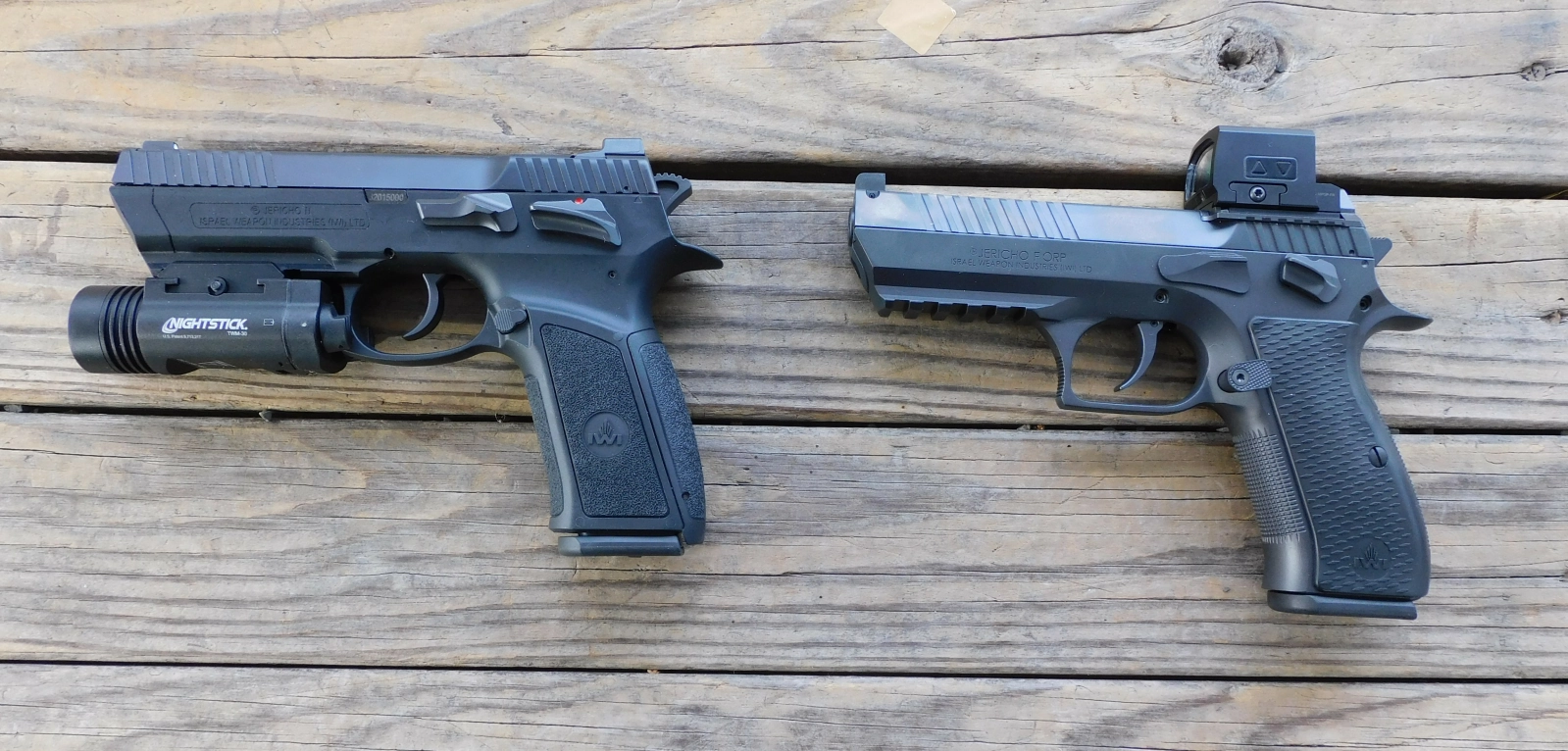
Pistol optics have been around for years. Hunters have mounted miniature scopes on big bore revolvers for decades now. Those optics are essentially scaled-down long-eye-relief rifle scopes, using the same principles as their larger counterparts. Like rifle scopes, electronic red dot optics were first used on long guns. But time and technology eventually allowed their development for handguns.
New technology is never completely new. It evolves from earlier implements. Saying that supercomputers can trace their development back to the first stone knife isn’t hyperbole. It’s fact. That rifle-mounted red dots would evolve into pistol optics wasn’t a matter of “if,” but of “when.”
Like anything else, pistol red dots took a while to catch on. Shooters doubted their reliability and even their necessity. Most pistols weren’t adapted to mount an optic, meaning extra work and expense to even make it possible.
But most shooters love innovation, and the products and availability kept improving. High profile professional shooters began featuring optics on their guns. The gun industry itself started providing optic-ready models, and holster companies followed suit. Optic-equipped pistols stopped looking strange and achieved general acceptance.
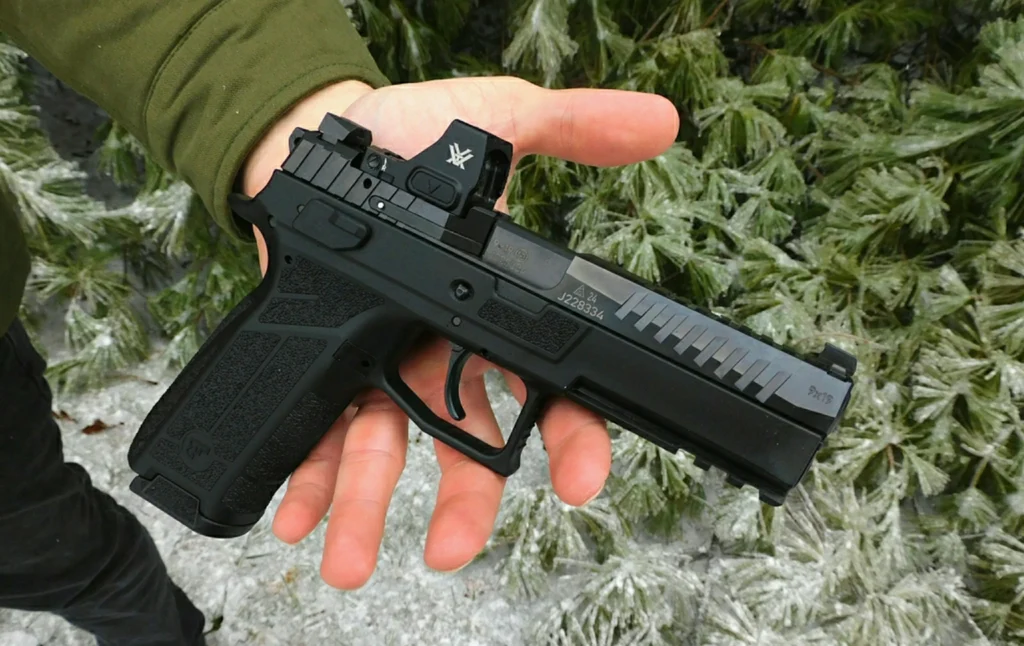
What once seemed like a gimmick is now the norm for many shooters. I am decidedly old fashioned. Even when I accept new trends, implementation is slow because I want the technology to mature. And so it was with pistol optics. But now I won’t buy a new semiautomatic pistol that isn’t optic-ready. Here’s why.
Pistol Optics: Early Doubts
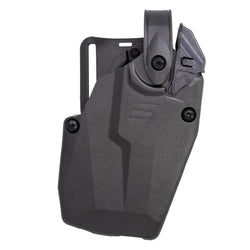
My doubts about pistol optics probably mirrored those of many other folks. Electronics can fail, where iron sights can take a beating if properly installed. An optic enlarges the gun’s profile and potential carry imprint. It might snag on the draw. Compatible holsters were hard to find, if you could find them at all. Many, even most, handguns weren’t cut for an optic. And my personal favorite, the various footprints were, and still are, a pain in the butt. Those are just the hardware concerns.
It was obvious early on that presenting the pistol so as to acquire the optic’s reticle would require a slight change in muscle memory. Eyes must also be trained to acquire the reticle properly. It frankly seemed like a lot of extra work for what might be a questionable gain. I was also concerned that I might become dependent on the electronic reticle, thus eroding my skills with iron sights.
Finally, optics cost money. Competition has lowered the price for a quality optic, but you’re still going to spend at least $300, and prices can go much higher.
I should note that Amazon and other places offer cheap optics. But remember that you reach a point where you get what you pay for. Pistol optics take a beating from recoil and the cycling slide. Cheaper optics have weaker housings, and the interior solders are not as robust. They will likely fail you sooner than later. So, you will have to spend some money for a reliable product.
Changing My Mind
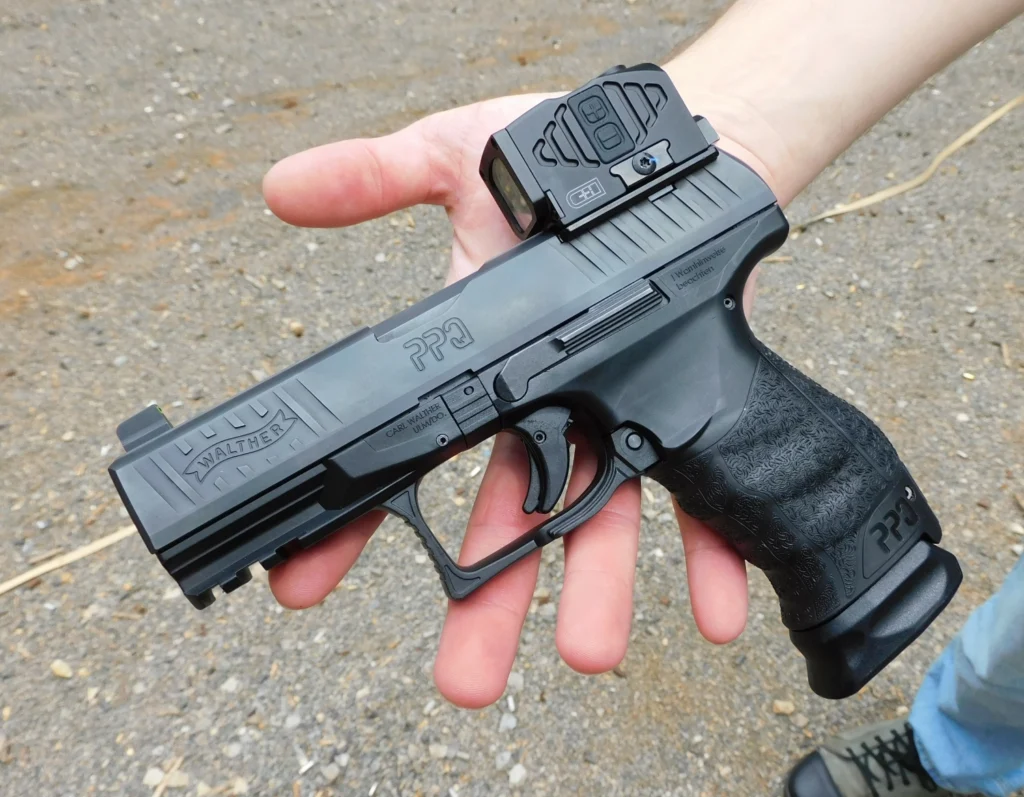
My job requires me to test various products, including pistol optics. So, I have a dedicated test pistol that can handle any accessory. Testing those optics gave me the opportunity to move beyond my initial reservations. All my concerns were valid, but the adjustment wasn’t as difficult as I expected. Honestly, the hardest thing was training my eyes to look for the reticle when presenting the pistol. Even that didn’t take long, though it did require a couple hundred repetitions.
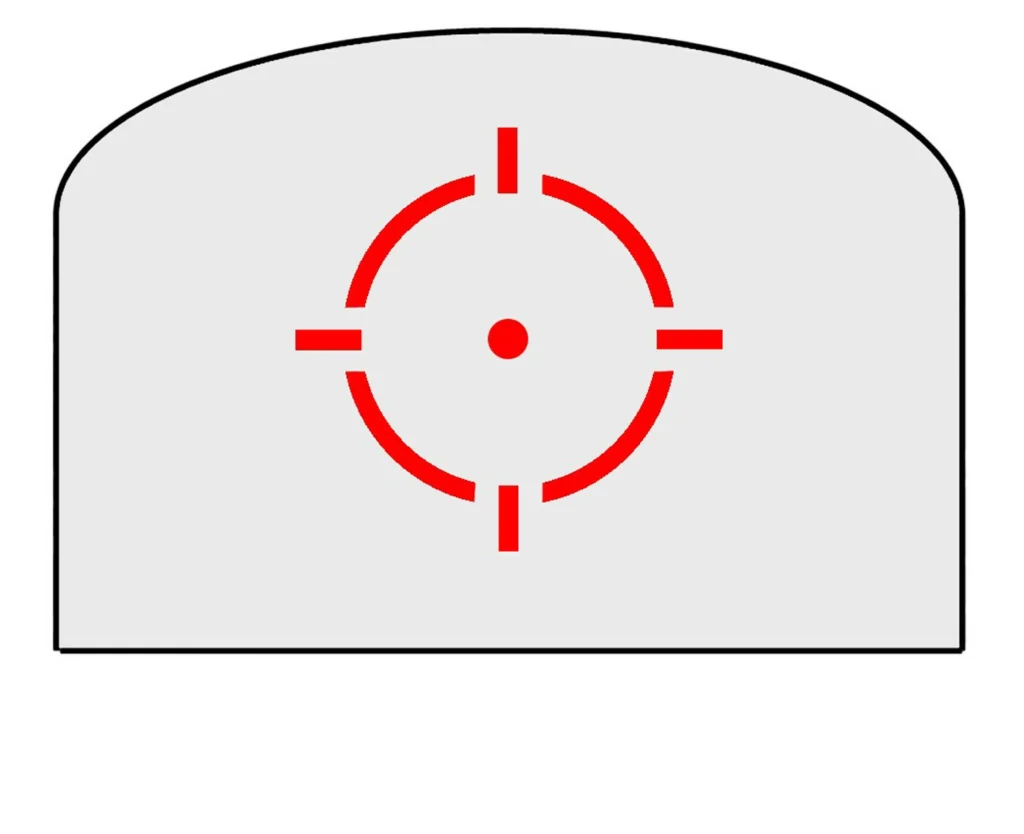
I began differentiating between features that I liked better than others, like the bullseye reticle over the simple red or green dot. My developing skills also revealed a glaring reality: I shoot much better with an optic than without one. My vision began deteriorating in my mid-teens. It now resides in the 20/200 range. I can see the front iron sight when I present a pistol without glasses or contacts, but it’s more like seeing a consistent blur with no air gaps than differentiating between the front and rear.
But an electronic reticle stands out, especially the bullseye reticle. Without my glasses, it’s a big red blob, to be sure. But I can place a big red blob center mass on a target. The simple dot works if I punch up the brightness, but I like the bullseye better. That’s important if I hear a bump in the night and have to choose between reaching for my glasses or my nightstand gun.
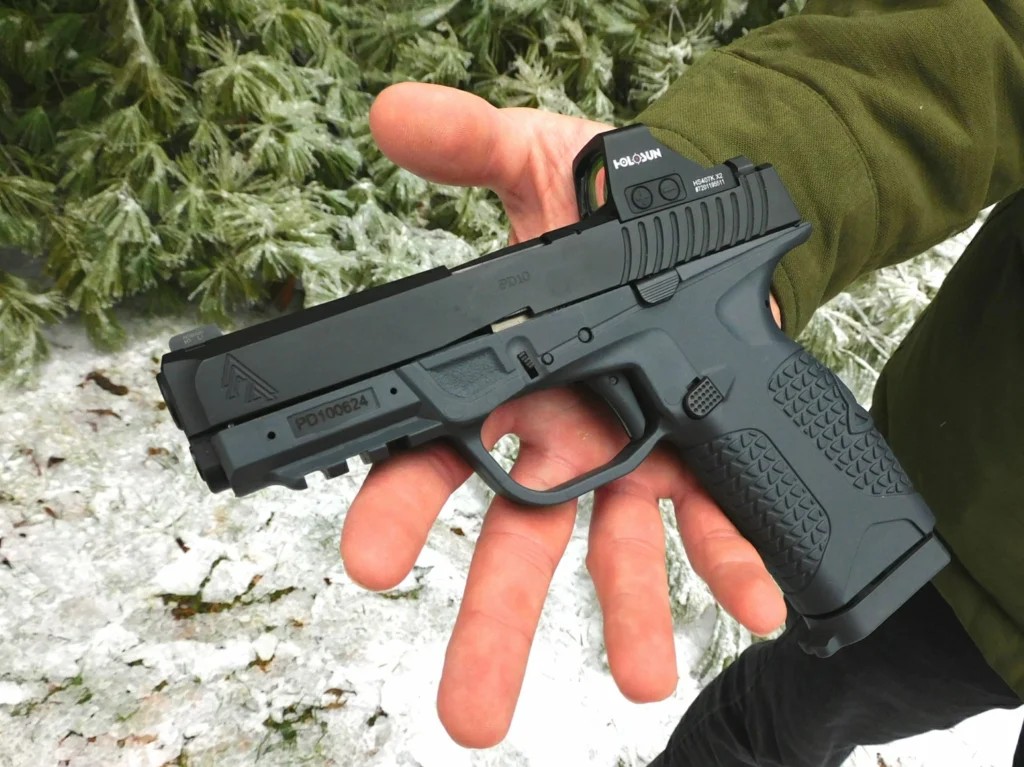
But even with my glasses, the electronic reticle dials me in better than iron sights. I found that I like being able to see through the reticle to the target, rather than having it partially obscured by the front iron sight. I eventually had to admit that I’m better with an optic than without one.
Pistol Optics Considerations
Pistol optics have come a long way in just a few years. I tested my first examples in late 2021. They were obsolete just two years later. They still work, but newer models are more robust and more versatile. Not to mention that those older optics’ mounting footprints aren’t compatible with most pistols and changing the battery is a pain.
The footprint is my biggest issue with pistol optics. Try to buy an optic that matches your pistol’s direct mount footprint, if possible. I have a couple guns that require a plate no matter what, but direct mount is where it’s at. I wish the industry could just settle on a universal footprint, but I know that’s wishful thinking. We can’t even get a universal accessory rail. Check the footprint before you buy.
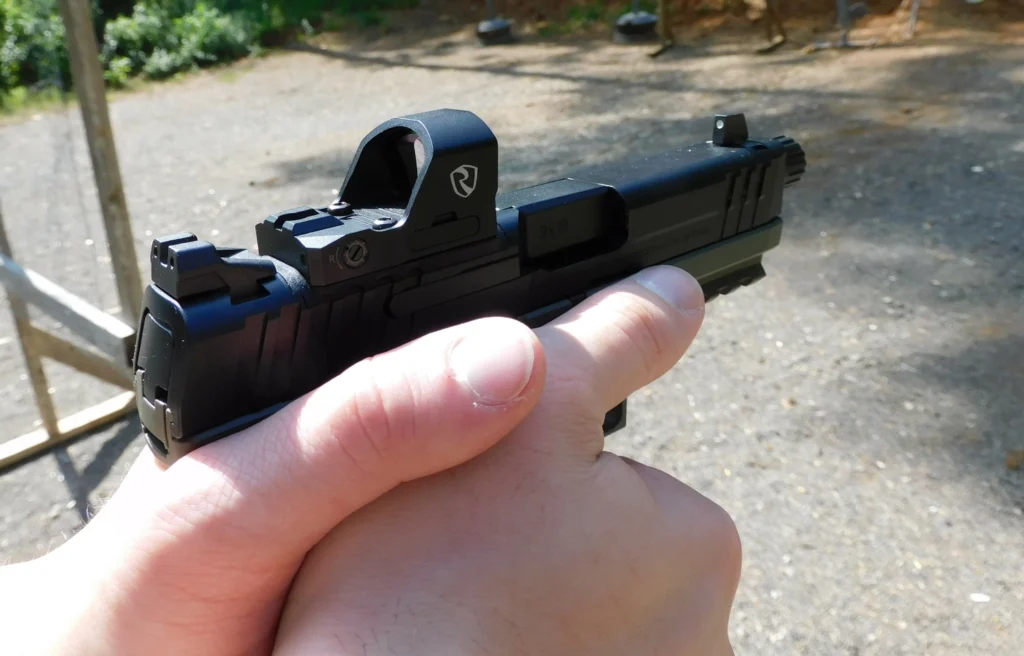
Let’s return to direct mounting. A plate raises the optic a bit, sometimes causing the optic’s housing to obscure your pistol’s iron sights. That’s a problem because, as we should all know, electronics can and do fail. And it will usually be at the worst time. I will not mount an optic on a pistol if I cannot also use the irons by looking through it. It’s just non-negotiable. Many optics feature a built-in rear notch that helps, so long as you can see the front sight. Or maybe you can add taller sights. I’ve done that too.
Either way, you need to practice with your iron sights while the optic is mounted. The time will come when you present the gun and the reticle isn’t there. Maybe it failed. Maybe the battery died. Or maybe the brightness setting is off. Whatever the reason, you must be able to transition smoothly to your irons and hit your target. That requires practice. Do it.
Final Thoughts
Not all of my handguns wear an optic. Many can’t. That doesn’t make them any less effective, but it does impact their roles in my system. I have reached the point, however, where I will not buy a newly-manufactured semiautomatic pistol that isn’t optic-ready from the factory. Fortunately, most new guns can mount an optic, so it’s not much of a concern.
I might not equip every pistol with an optic. In fact, I almost certainly won’t since optics aren’t cheap. But I want the ability to do so if I choose. It just comes down to capability on modern handguns. Prices keep going up. Those prices should include as much capability and versatility as realistically possible. I’m just not going to pay new gun prices for a less-capable pistol.
So, I went from resisting handgun optics to grudging acceptance, and finally to my current mindset for one overriding reason: I shoot better with an optic than without. It’s that simple. My concerns are still valid, but education and experience have taught me to mitigate them.
It’s easy for me to be Fudd-like and reject evolving technology. I do it all the time, and not just with guns. But the world doesn’t care, and I’m ultimately hurting myself. I’ll never be Jerry Miculek or Jelly Bryce. Or even close. I lack the ability and the ammo budget. But I can take steps to maximize the ability and skill I do possess. Adding a pistol optic helps me do that.
Maybe a pistol optic doesn’t work for you. Nothing wrong with that. Shooters have been getting along just fine without them for a long time. But if you’re considering buying your first red dot, I hope I’ve given you a few things to consider in the process. Happy shooting.