You’ve heard the expression “if these walls could talk.” I think that expression can be modified for any historical artifact. Sometimes you can’t help but ask that question when you hold something in your hand.
You probably have a relative who passed down a firearm to you, or know somebody who has received one from someone significant who once owned it. That firearm has a history, and there is certainly a tale behind the gun. This story touches upon all of these ideas as I explain a revolver that was handed over to me, from someone who made quite the impact in the survival community from which I came.
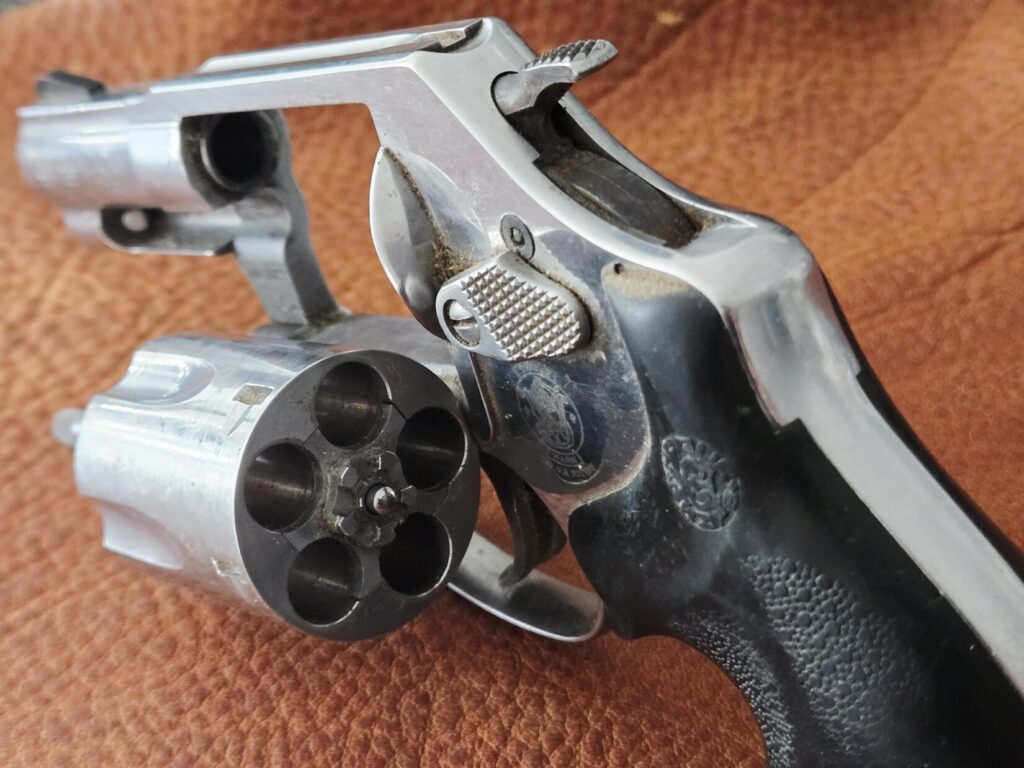
This is the story of the Old Man’s gun: a Smith & Wesson model 60 from my late mentor Marty Simon.
The Man behind the Gun
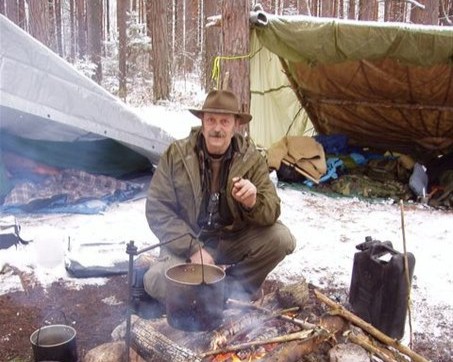
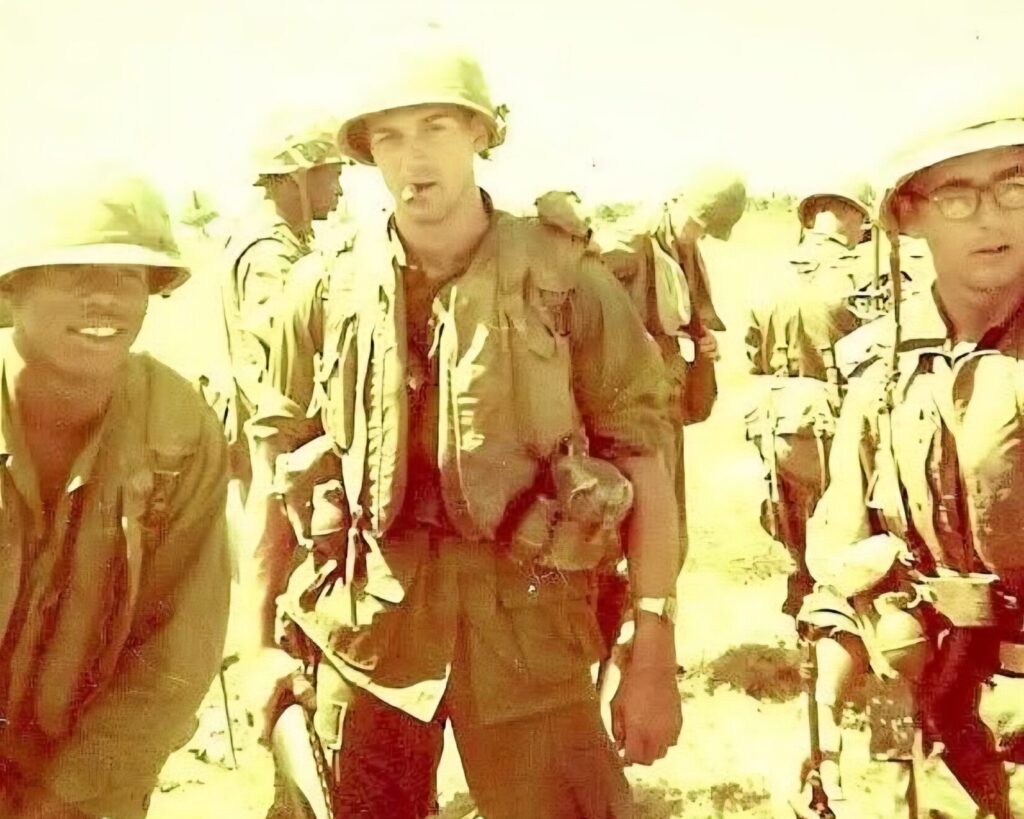
Marty Simon was born in New Jersey and relocated to Chateaugay, NY. He was a lifelong outdoorsman and recipient of the Order of the Arrow in the Boy Scouts of America. He was a Vietnam combat infantry veteran who spent a full career in the military and retired as a Sergeant.
It was Marty’s time in the military and his time in the jungle that led him to develop a great trust for wheel guns like the .357 Smith model 19 and eventually the Combat 66 and this 60. It didn’t matter if it was the high humidity of the summer in the north woods or the bone-chilling cold of the winter; that revolver was with him in the field.
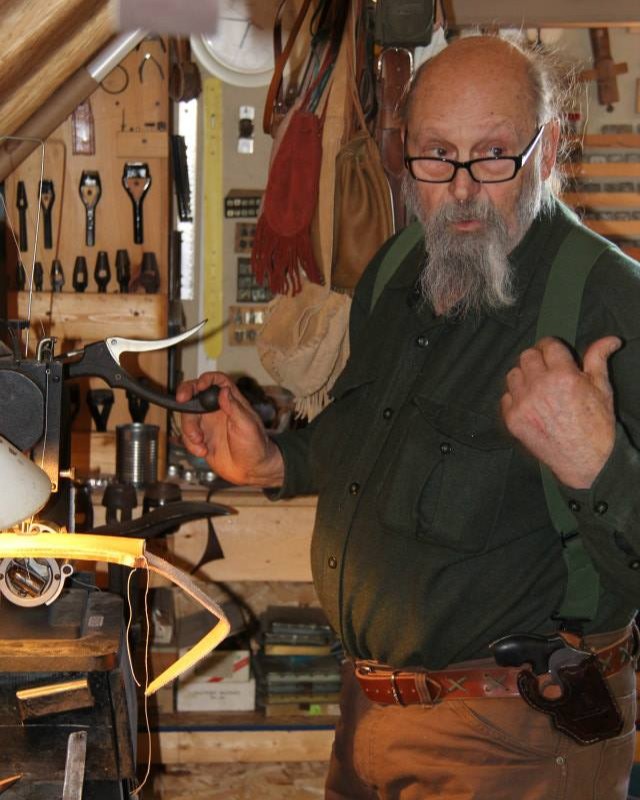
Upon retirement, Marty worked a number of jobs, including running a leather shop and eventually opening up the Wilderness Training Center, a full-time survival school. This school was started after pilots requested survival training that they were not receiving in pilot preparation.
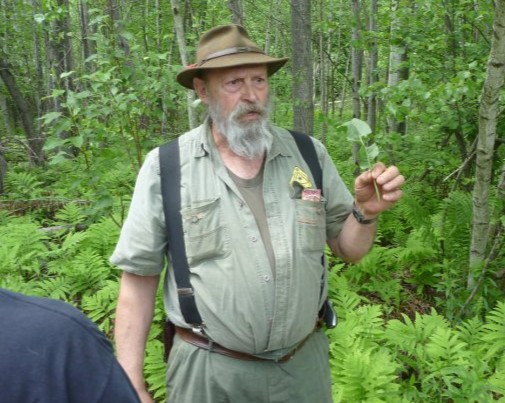
Eventually, the Wilderness Training Center was renamed the Wilderness Learning Center, and Marty carved out a name for himself as the foremost expert in edible and medicinal plants.
Marty blended modern survival skills with traditional bushcraft and primitive skills. It wasn’t uncommon to have a class including primitive weapons as well as his preferences for game getters like the Springfield M6 Scout and Marlin Papoose.
He was a nature lover and loved spending time with his wife and their dogs. Toward the end of his life, he was a full-time homesteader. He ultimately passed on May 11th, 2020, after a battle with cancer.
Adventures with the Gun
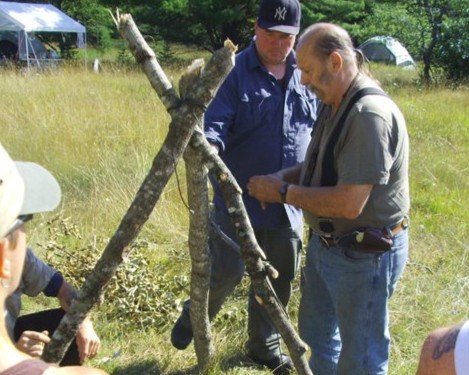
Marty and the extended family (students and instructors) from the Wilderness Learning Center would regularly take on survival challenges with different themes shaping the event parameters.
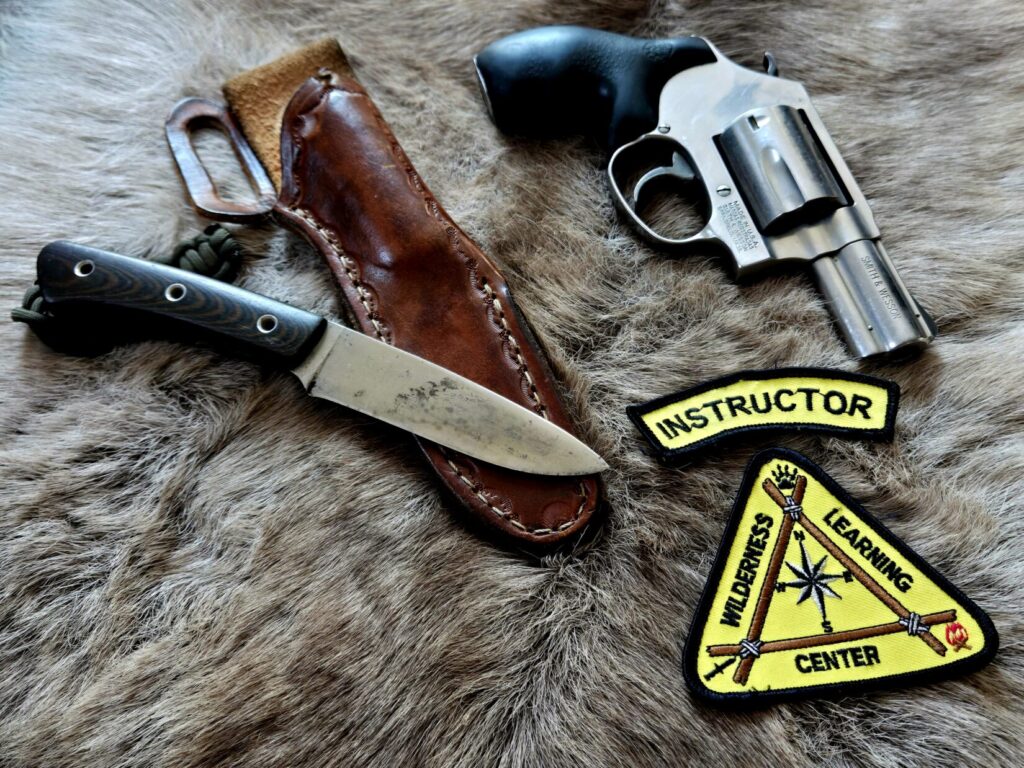
While the WLC was located on the US-Canada border, there were many courses that Marty took on the road to teach. With him at all times, his Model 60. Marty loved the simplicity of the five-shot J-frame as his sidearm, which he carried primarily crossdraw in a homemade leather holster. He preferred crossdraw because he was able to balance the weight of the gear on his belt with his knife behind his right hand side, which he accessed regularly.
Easily concealed and comfortable to carry, the revolver was with him everywhere he went. If someone was foolish enough to test him, and if the 1000-yard stare he had didn’t dissuade them, that revolver was well tested and trained.
He tested hardcast rounds in seasoned hardwood, and upon examining the penetration they created, he never felt undergunned. Marty would carry spare rounds in a 6-shot MTM Case Guard.
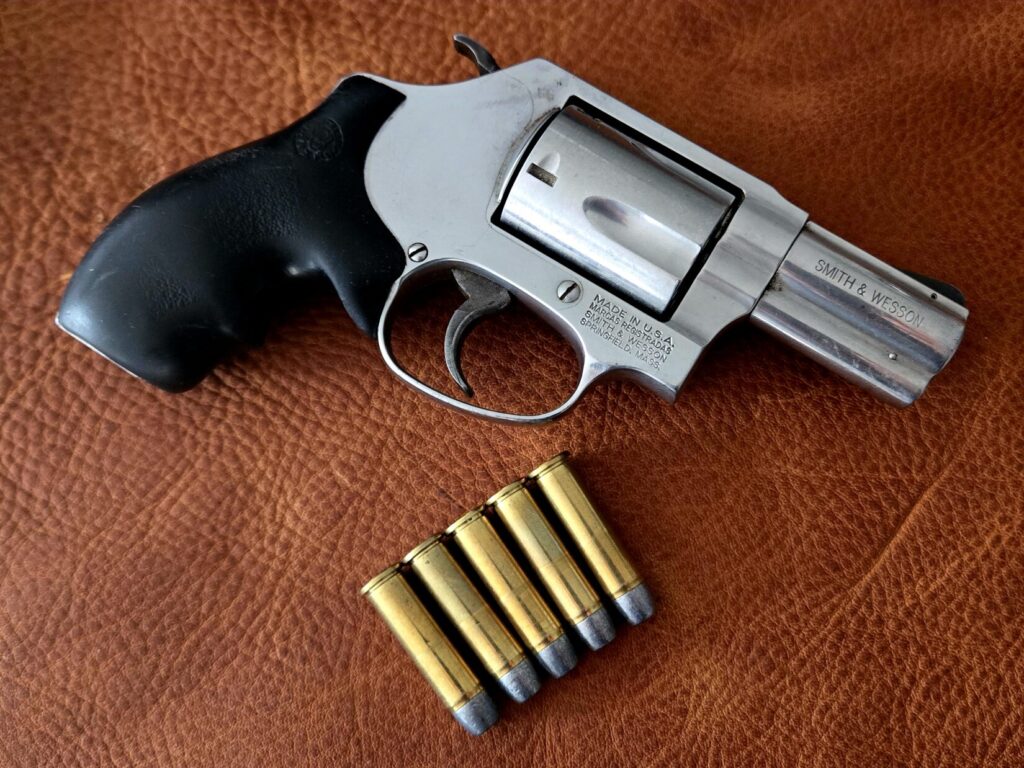
His daily carry included his wallet, a Bark River Fox River that was the official WLC school knife, ferro rod, and some basic essentials, with one item conspicuously missing. He was not a fan of cell phones and only had one for emergencies. Calls from Marty came in from his landline.
During the 2015 Dannemora prison escape, which occurred about 30 miles away, State Police came to Marty’s front door and asked if he saw anything. They made reference to being careful and then noticed his crossdraw handgun on his belt. They smiled and remarked he could probably take care of himself if something came up.
With property right on the US/Canada border, Marty frequently encountered trespassers on his land and poachers in his woods. With his experience in Vietnam and knowledge of the land, he always had an upper hand.
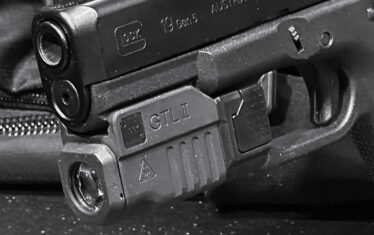
On many occasions around the fire, Marty would draw attention to my preference for carrying a Glock. While it never happened, he often joked that we should attach 550 paracord to our respective handguns and drag them through a swamp and see which would be more reliable. While both revolvers and Glocks are supremely reliable, I regret we never followed through with this test.
Changing Hands
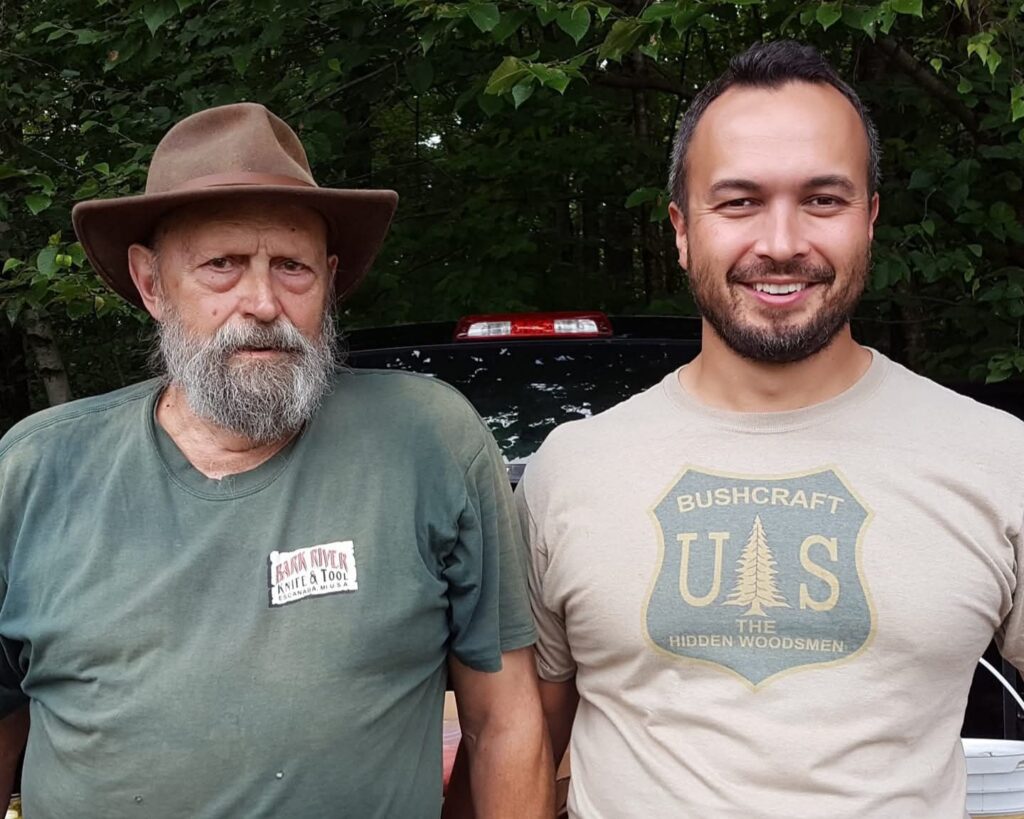
Marty was my mentor in wilderness survival, and I served as the Lead Survival Instructor for the Wilderness Learning Center from 2007 to 2012. Many students and friends remarked that I was like Marty’s adopted Filipino and Polish son. He definitely was like a second father, and having his blessing in many of my endeavors meant the world to me.
After Marty passed, the semi-annual campout later that year was a celebration of his life, but somber at the same time. Speaking about him by the fire that night was challenging for me as I choked back tears. Words didn’t feel suitable to express what we were all feeling.
Not long after Marty passed, many of his firearms were left to a mutual friend who transferred them to his name. This friend transferred Marty’s revolver to me, and it now resides in my collection.
Every once in a while, I pull out that stainless wheel gun and examine it. It still has dust and debris around the old, worn Hogue Bantam grip and in between the sight channel. I have never shot it since acquiring it, but I might make shooting it on the anniversary of his passing a regular tradition.
About a year ago, I was reunited with Marty’s personal knife that was left with another mutual friend for safekeeping. As the story goes, Marty told him to give it to me when I became “more seasoned.” Thank you, Marty.
I’ve never liked the expression “My old man” when kids spoke of their fathers. This blog is called “the Old Man’s Gun” because Marty used the handle “Oldmanmarty” on online discussion forums like Bladeforums and Hoods Woods.
In fact, the late “Doc” Ron Hood, who inspired many outdoorsmen in the 90s with his Woodsmaster DVDs, would often go back and forth with Marty to argue over who was older and wiser. Marty was 79 when he passed, but he was more active than men half his age. “Old man” isn’t a rub, it’s a tribute.

There’s an expression, “When an elderly person passes, a library closes forever.” Marty was a source of knowledge, inspiration, and trusted experience. I’m happy to carry on sharing Marty’s teachings in my own courses, books, and blogs like this one. He left very big boots to fill, and I think about my late friend every time I crack a joke in class that he liked or bring up a story to provide context to the skills I teach.
I don’t like thinking of how many firearms change hands every year when someone crosses over, and their story ends there. Marty’s story lives on in this blog and the stories linked to his kit.
If you have a firearm that belonged to someone close to you, consider writing down the history and keep their name alive by telling their story next time you go to the range.