
2026 marks the 190th anniversary of the Battle of the Alamo, a defining moment in Texas history and in the history of the United States.
In the early months of 1836, the town of San Antonio de Béxar sat quiet beneath a pale winter sky. The Texan Revolution had been simmering for months, and the capture of the town the previous December had given the rebels a foothold in the region. Yet the victory felt fragile.
Rumors drifted northward that General Antonio López de Santa Anna was marching with a large army to crush the rebellion. Inside the old mission compound known as the Alamo, a small garrison of Texan defenders worked steadily to prepare for what they feared was coming.
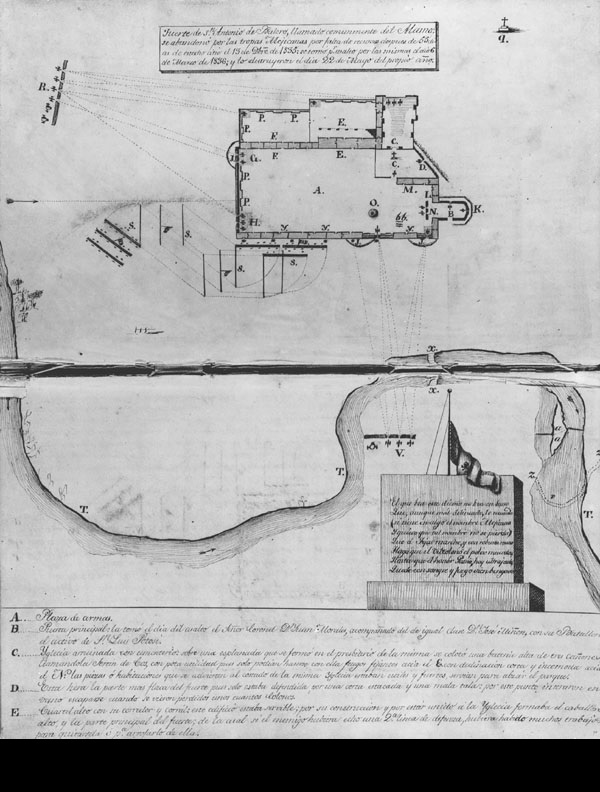
The Alamo was never meant to be a fortress. Its thick adobe walls and long barracks had once housed Franciscan missionaries and their converts. But its position at the edge of San Antonio made it a natural defensive point.
The defenders, numbering fewer than 300, mounted cannons on platforms, patched crumbling walls, and stockpiled what little ammunition they had. They were a mix of volunteers, regular soldiers, and Tejanos who opposed Santa Anna’s centralist policies. Despite their differences, they shared a sense that the fate of Texas might hinge on their stand.
The Siege Begins
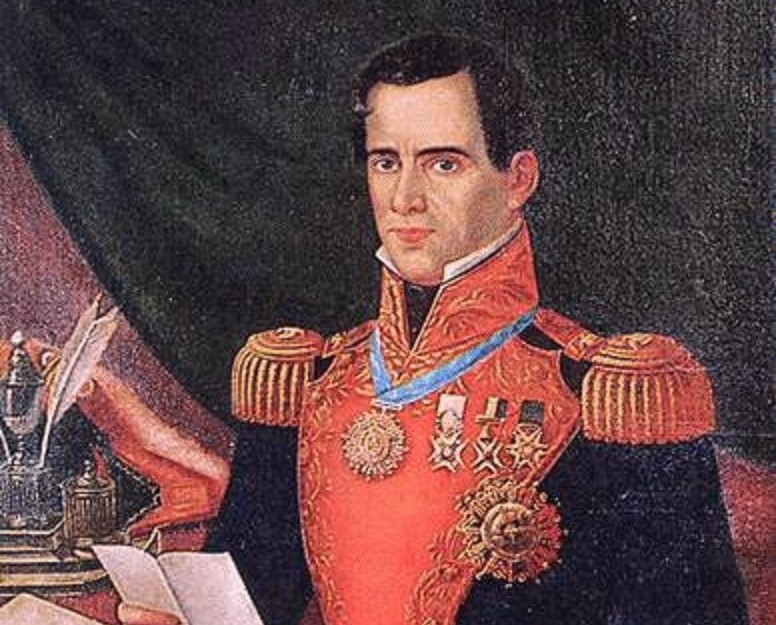
On February 23, 1836, the calm broke. Dust clouds rose on the horizon as Mexican cavalry approached the town. Scouts galloped back to the Alamo with urgent warnings. Within hours, Santa Anna’s vanguard entered San Antonio, and the defenders retreated fully into the mission compound. As Mexican troops took positions around the town, a red flag was raised from the church tower, signaling that no quarter would be given. The message was unmistakable. Surrender was not an option.
Inside the Alamo, the defenders braced themselves. They had hoped for more time to prepare, but Santa Anna’s rapid advance had caught them off guard. The Mexican army, numbering between 1800 and 2500 men, quickly surrounded the mission. The siege had begun.
Leaders Under Pressure
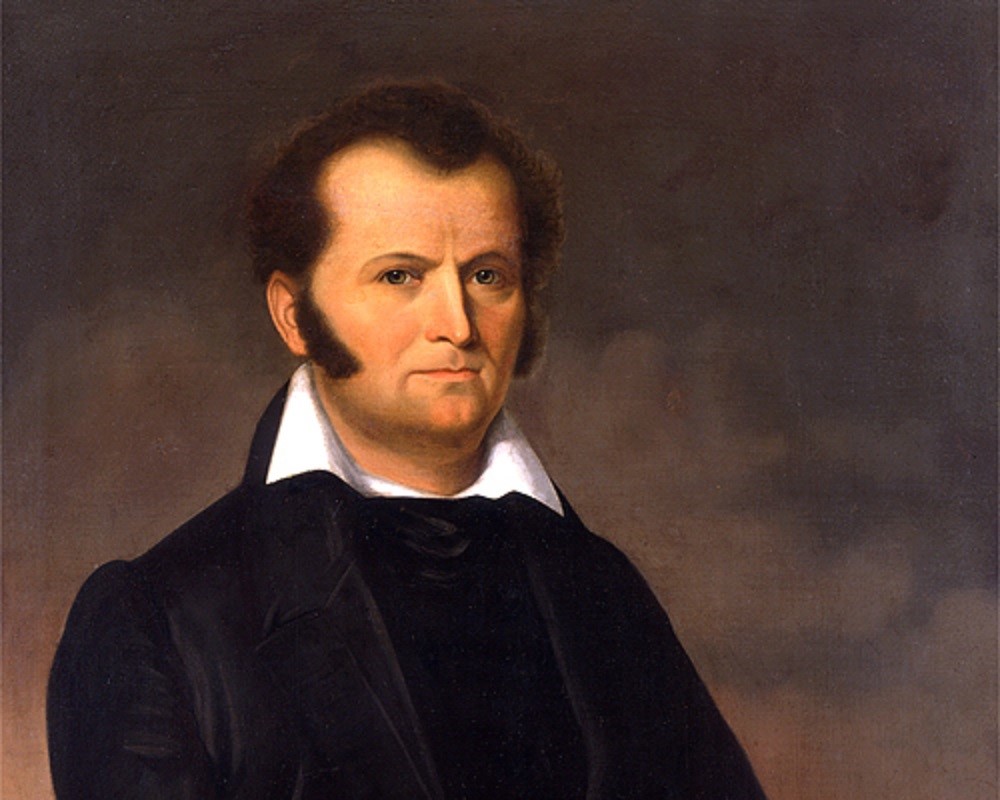
Command of the Alamo was shared between two men whose personalities could not have been more different. James Bowie, known for his frontier toughness and political connections, commanded the volunteers. William Barret Travis, a young lieutenant colonel, commanded the regular soldiers. Their early disagreements over authority created tension, but the crisis soon forced cooperation. When Bowie fell seriously ill only days into the siege, Travis assumed full command. Bowie, bedridden but determined, continued to advise from his quarters.
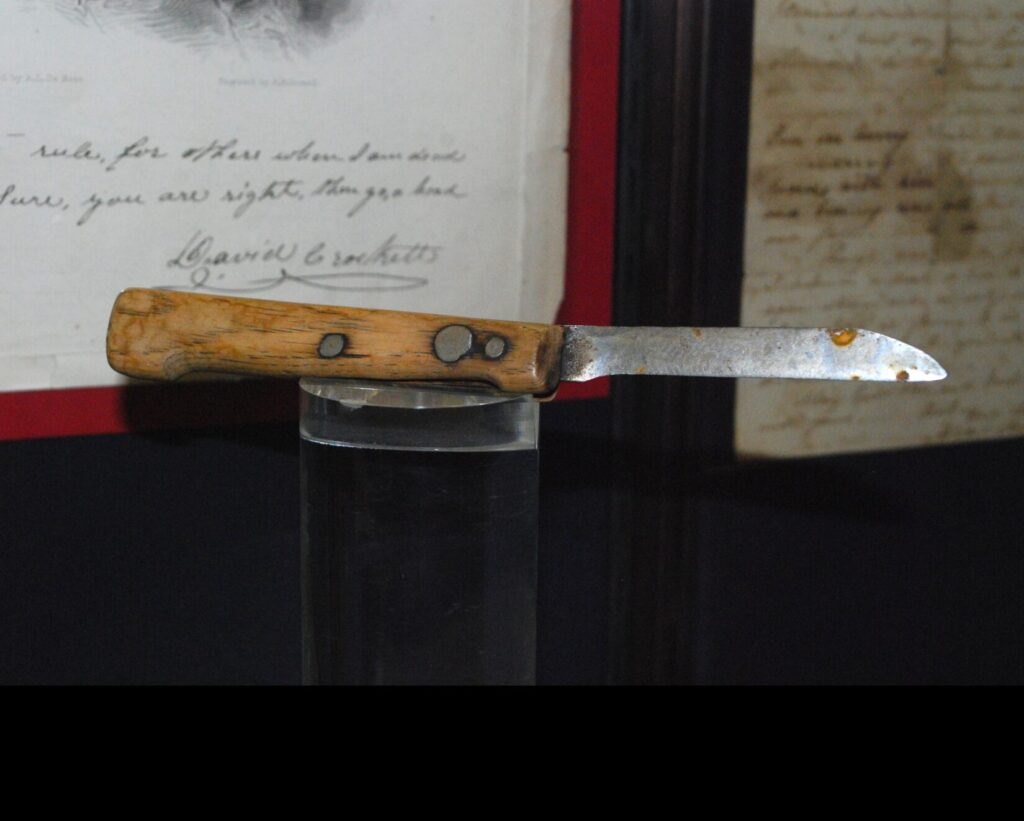
Among the defenders was Davy Crockett, the former Tennessee congressman whose reputation as a marksman and storyteller had spread across the frontier. He arrived with a small group of volunteers and quickly became a steadying presence. His men took positions along the palisade, using their long rifles to harass Mexican skirmishers who ventured too close.
13 Days of Resistance
Santa Anna’s forces began a relentless bombardment. Day and night, cannon fire shook the mission walls. The defenders patched damage as best they could, repositioning artillery and rationing their limited supplies.
Travis wrote repeated appeals for reinforcements, including his famous letter of February 24, in which he vowed never to surrender or retreat. His words were defiant, but the reality was grim. Only small groups of volunteers managed to slip through the Mexican lines, and their numbers were far too small to shift the balance.
Inside the Alamo, the defenders settled into a harsh routine. They slept in short shifts, repaired fortifications, and kept watch from the walls. Food grew scarce. Water had to be rationed. Yet morale remained surprisingly steady. Many believed that their stand, however desperate, might delay Santa Anna long enough for the Texan government to raise a larger army.
Outside the walls, Santa Anna tightened his grip. His troops dug trenches, moved artillery closer, and cut off all escape routes. The bombardment intensified. Mexican buglers played throughout the night, a psychological tactic meant to wear down the defenders. Still, the Texans held on.
The Final Assault
By early March, Santa Anna had grown impatient. He had expected the Alamo to fall quickly, and the prolonged resistance frustrated him. On the evening of March 5, he ordered a full assault for the following morning. His officers prepared their troops for a coordinated attack from multiple directions.
Before dawn on March 6, the Mexican army moved silently into position. The air was cold and still. At around 5:30 a.m., the bugles sounded. The assault began.
The first waves of Mexican infantry advanced across the open ground toward the Alamo. The defenders responded with devastating cannon fire and musket volleys that tore into the attackers. For a moment, it seemed possible that the Texans might hold. But the Mexican troops pressed forward, climbing over fallen comrades and pushing toward the walls.
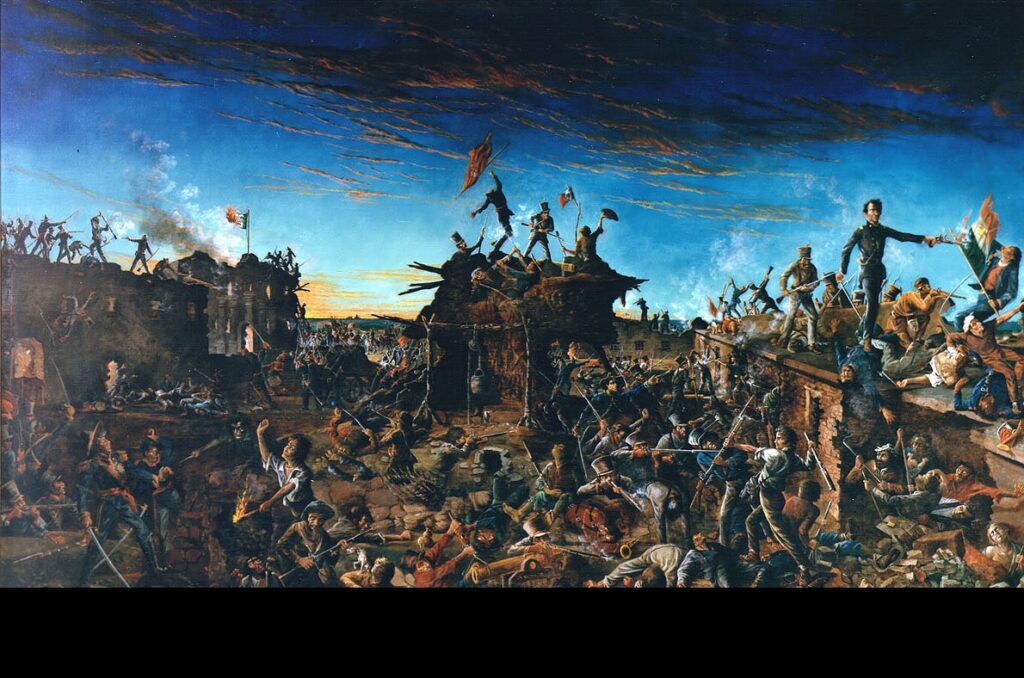
At the north wall, the weakest point of the fort, attackers managed to scale the defenses. Once the breach opened, the battle shifted rapidly. The defenders fell back toward the courtyard, fighting room by room. Travis was killed near the north wall while rallying his men. Bowie, too ill to stand, fought from his bed until he was shot. Crockett’s final moments remain debated, but all accounts agree that he met his end with determination.
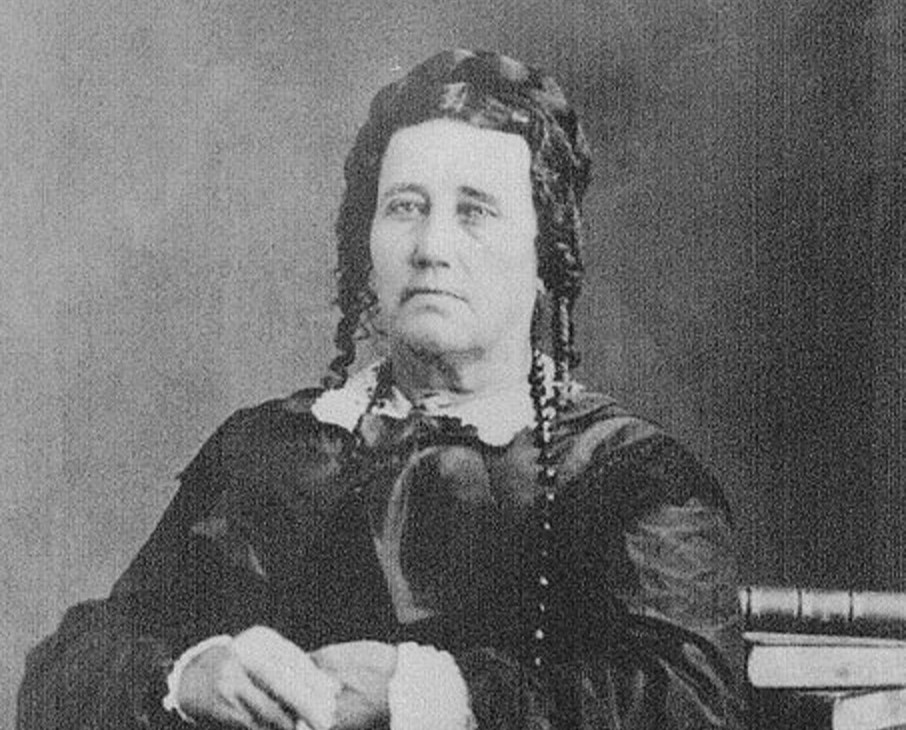
The fighting lasted little more than an hour. By sunrise, the Alamo had fallen. Almost all the defenders were dead. A few noncombatants, including women, children, and enslaved people, were spared. Santa Anna surveyed the scene, believing he had delivered a decisive blow to the rebellion.
A Defeat That Sparked a Revolution
Instead of crushing the Texan cause, the fall of the Alamo ignited it. News of the defenders’ deaths spread quickly across Texas, stirring outrage and resolve. Their sacrifice became a rallying cry. When Sam Houston’s army confronted Santa Anna at the Battle of San Jacinto weeks later, Texan soldiers charged into battle shouting “Remember the Alamo.” Their victory secured Texas independence.
Enduring Legacy
The Alamo has been retold in countless ways, often wrapped in myth, but the core of the story remains grounded in history. A small, determined group of defenders held out against overwhelming odds, not because they expected to survive, but because they believed their stand mattered. Their resistance became one of the defining moments of the Texas Revolution and a lasting symbol of courage and sacrifice.
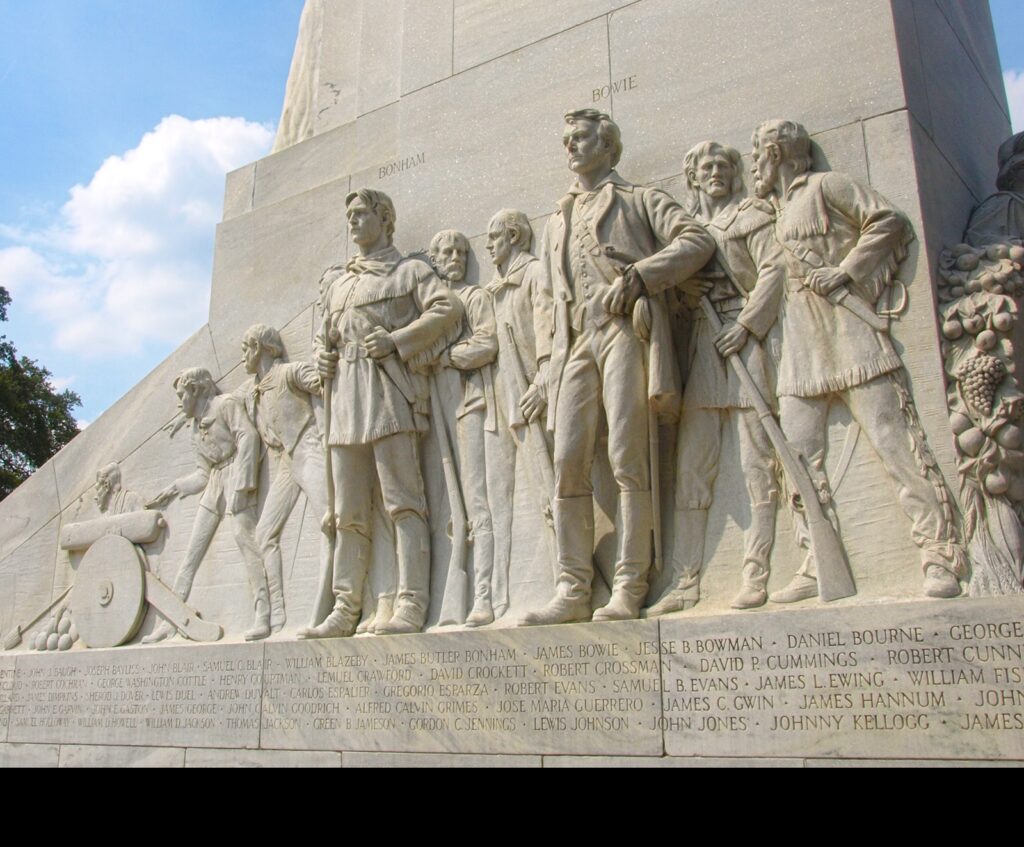
Today, the Alamo stands in the heart of modern San Antonio as one of the most visited historic sites in the United States. The surviving chapel and long barracks have been preserved as a museum complex that interprets both the 1836 battle and the broader history of the mission era, the Texas Revolution, and the diverse communities who shaped the region. Visitors walk the same courtyard where the final fighting took place, view artifacts recovered from the siege and learn about the defenders and the Tejano families who lived through the conflict.
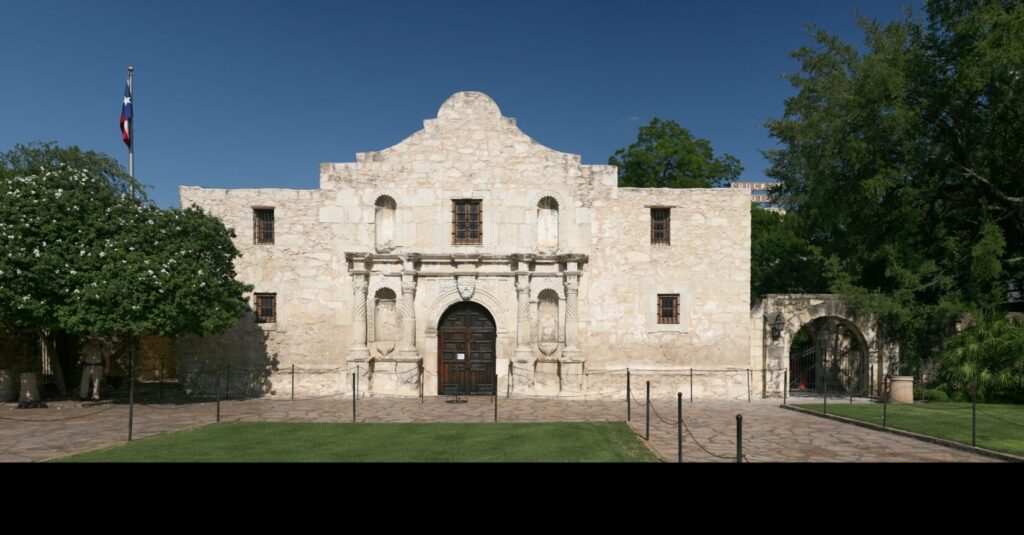
The site continues to spark discussion about memory, identity, and the ways history is told. More than a symbol of sacrifice, the Alamo today serves as a place of education and reflection, reminding visitors that the events of 1836 were part of a larger and more complex story of Texas and its people.