So, you got your shiny new concealed carry permit. You’ve taken any required training, likely purchased a gun and holster, and you’re ready to carry, right? Maybe. Strapping a firearm on your hip can feel intimidating.
You’re carrying a handheld device that uses small explosions to propel a projectile at a speed faster than sound in most cases. It’s a deadly serious tool, and if you’re anxious, don’t worry—that’s completely normal. You’d be crazy not to be a little nervous when you start carrying concealed.
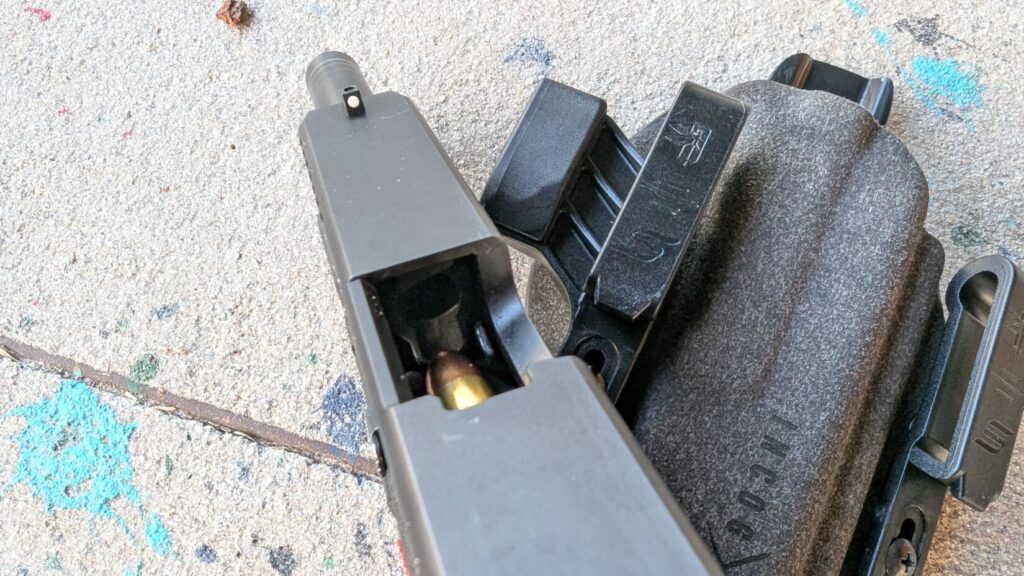
I served in the military, deployed overseas, and carried numerous firearms professionally. But for some reason, when I got that concealed carry permit, I felt a little nervous to strap on my first carry gun, a Bersa Thunder.
A lot of this fear and anxiety might lead someone to carry with an empty chamber. They feel it’s safer, and they’re less likely to have a negligent discharge. While I understand the fear, I don’t agree with it.
Easing Locked and Loaded Anxiety
The problem with carrying with an empty chamber is that it reduces your ability to defend yourself. Drawing the weapon and racking the slide doesn’t seem like it takes that much time or effort. That is true when you are dry-firing or practicing on the range; it feels easy.
A defensive encounter is an entirely different beast. It moves fast—fast enough that a lot of people strive for a one-second draw-to-first-shot time. That’s fast, and getting that kind of speed while needing to rack a firearm is impossible.
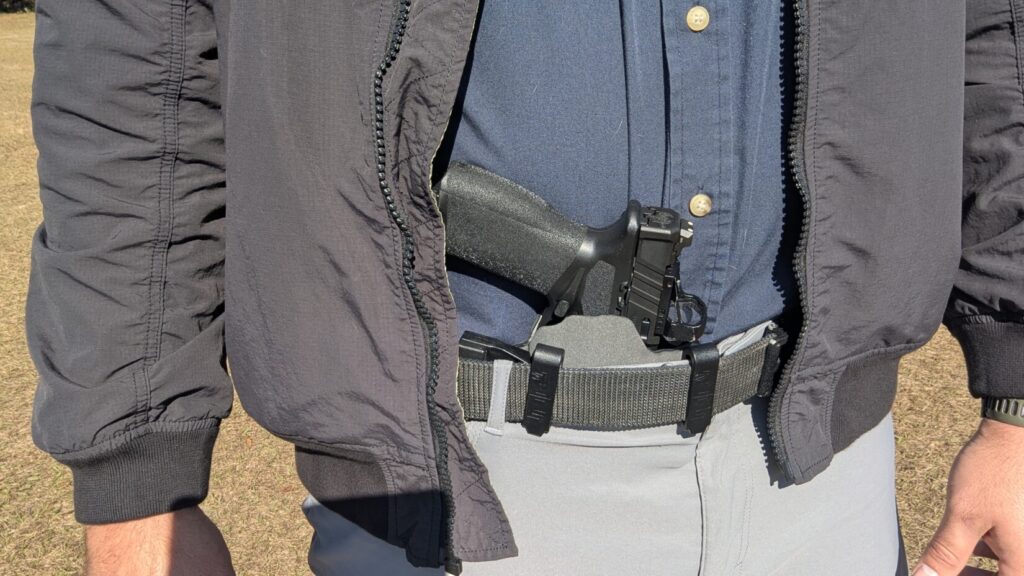
Empty-chamber carry slows you down, but it also assumes you’ll have both hands free in a defensive encounter. You might already be in a physical fight, using your hands to defend yourself. Your support hand might be holding a child back, or it might be carrying something you now need to drop to draw and engage.
The Hidden Risks of Racking Under Stress
You also run the risk of a malfunction when you rack the slide. You might not fully rack the slide, effectively short-stroking it, or you might fail to cleanly release the slide and guide it forward, creating a potential failure to feed. In a high-stress situation, fine motor skills degrade quickly, and you might not do things perfectly.
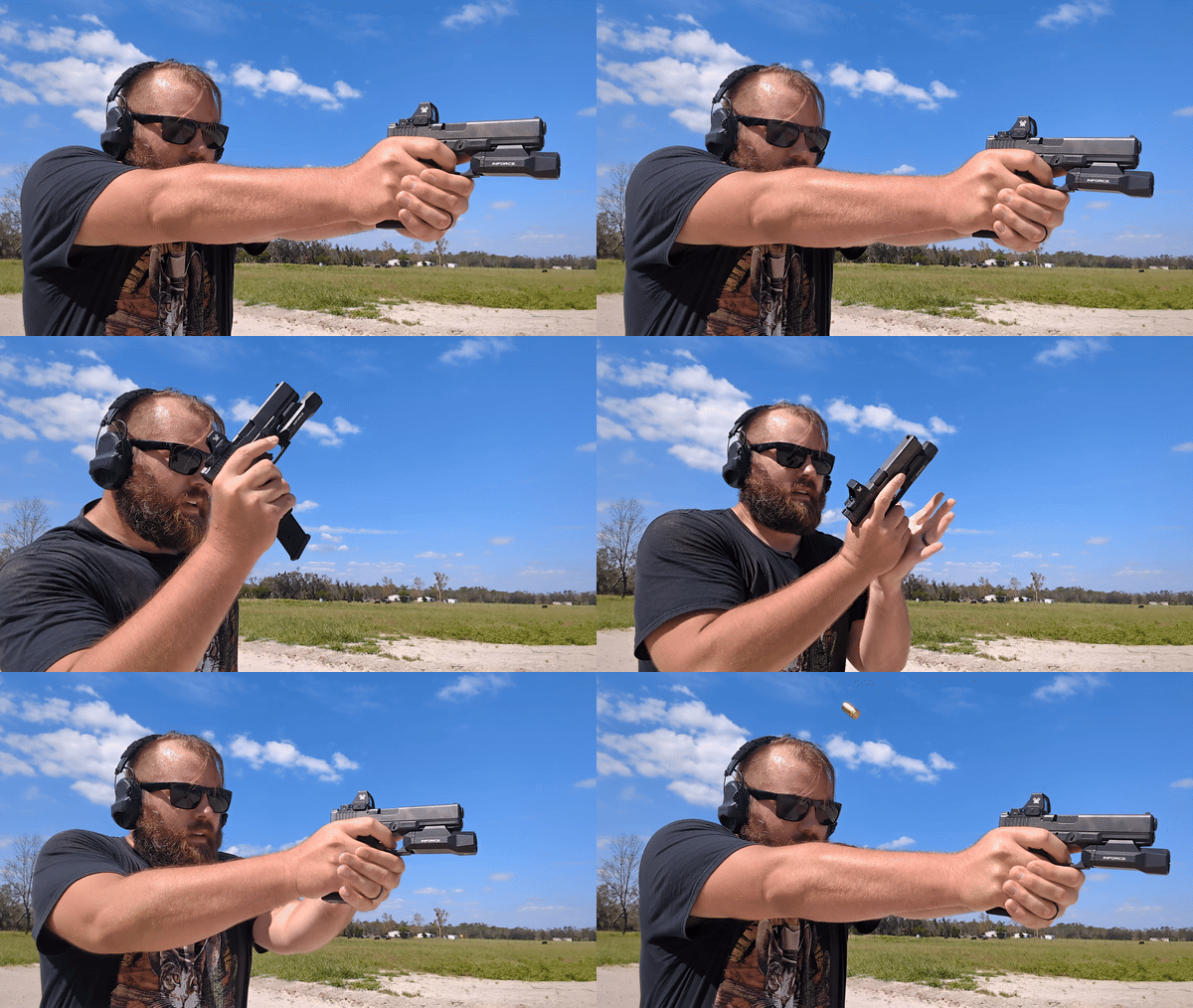
The analogy I like best is that carrying with an empty chamber is akin to trying to put your seatbelt on right before a car crash. That’s not likely to work out all that well, and carrying with an empty chamber adds a new degree of complication to a simple process.
How To Feel Better About Being Locked And Loaded
One of the easiest ways to feel better about carrying a loaded gun is to just carry it. Carry it around your house—unloaded even. Here’s what I want you to do: cock the gun. Have the trigger live (the action reset), but the gun empty.
Strap it to your body in your chosen holster and get used to it being on your hip. Carry it around the house all day, and at the end of the day, before putting it in your safe, observe the trigger. Did it go off?
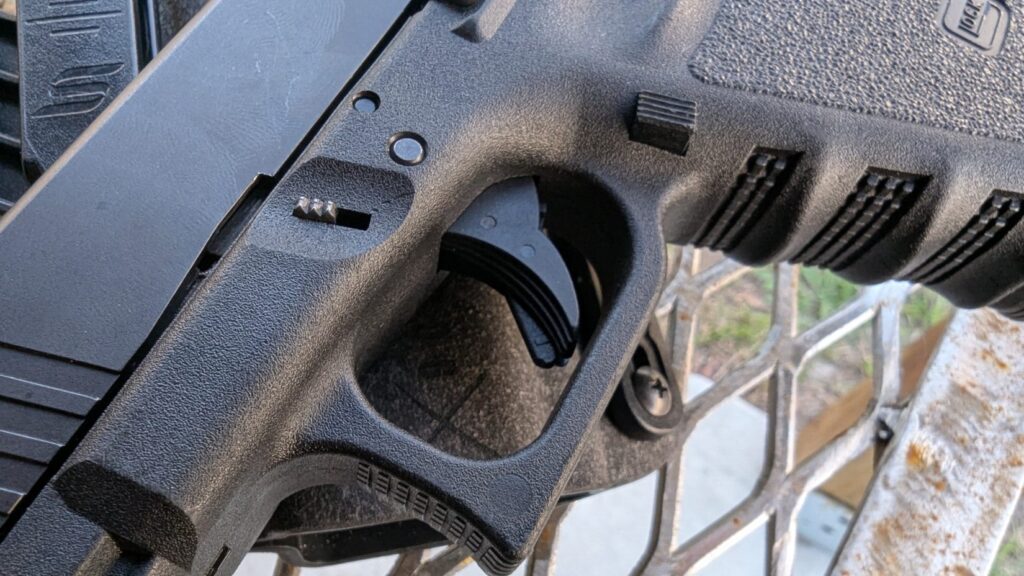
Did the striker or hammer fall? It’s unlikely, and if it did happen, you need to do a drastic gun and gear check. Modern guns have a multitude of internal safety measures to ensure they will only fire if the trigger is pulled.
When a modern firearm goes off without a trigger pull, it becomes a big deal very fast. There will be dozens of videos, articles, and more put out about the firearm. Recalls will be issued, and you’ll know if your gun has a problem.
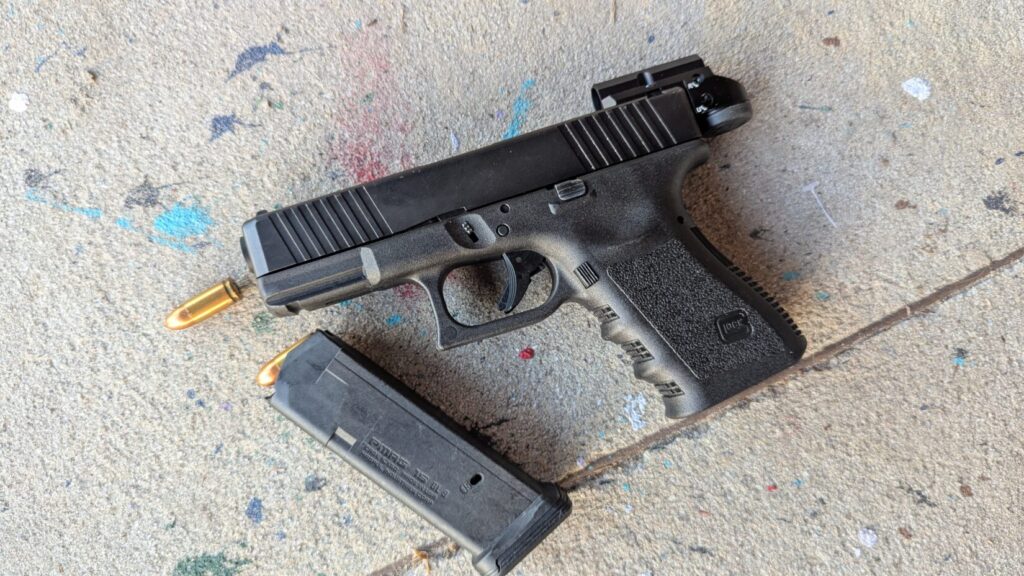
Getting used to the gun on your hip is the easiest way to get over the anxiety of carrying a loaded and chambered firearm.
Get a Good Holster
If we have a modern handgun, we can trust that the handgun will not fire unless the trigger is pulled. How do we prevent the trigger from being pulled when your firearm is holstered? Use a good holster.
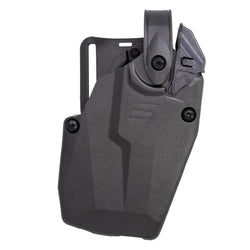
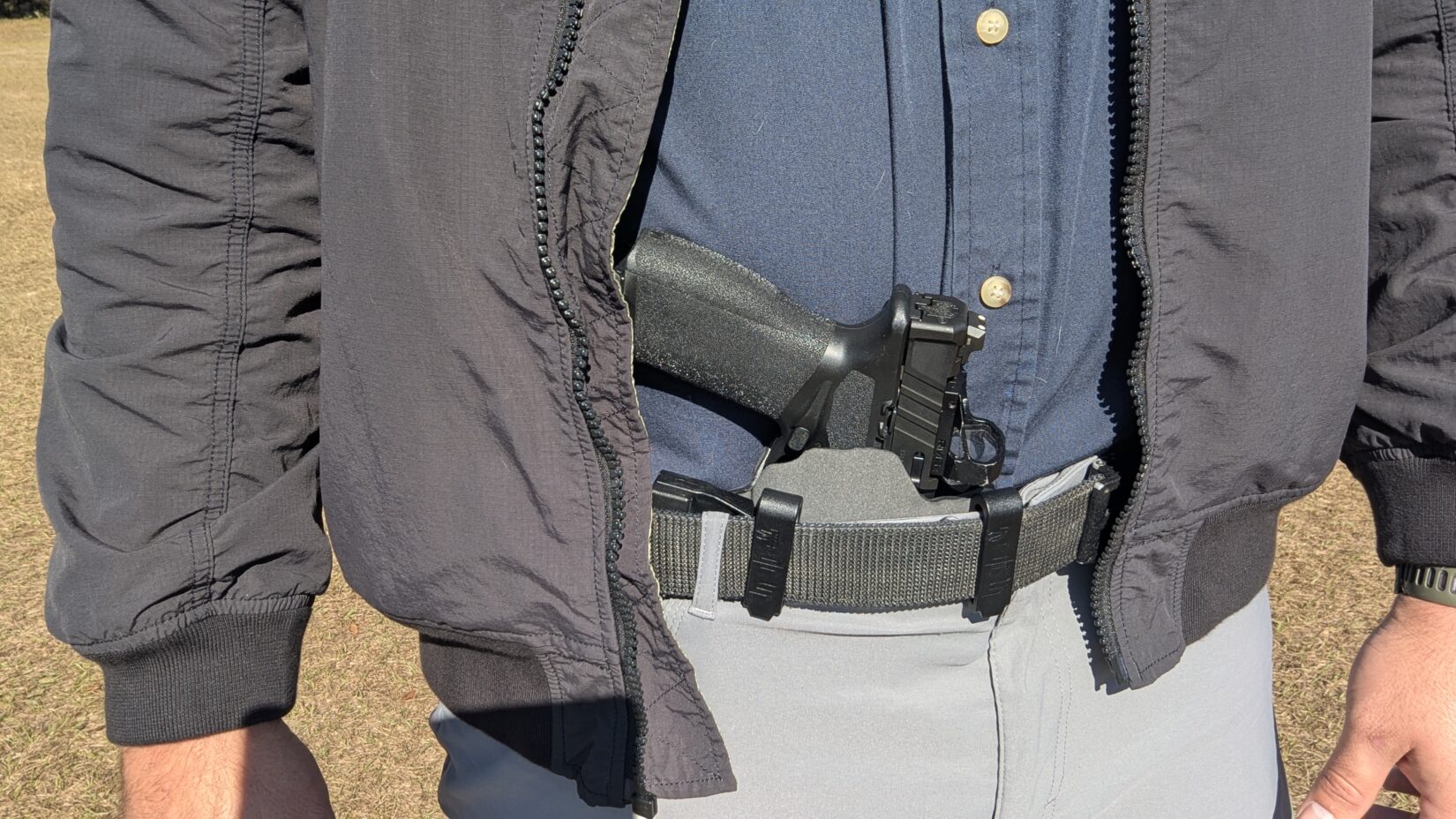
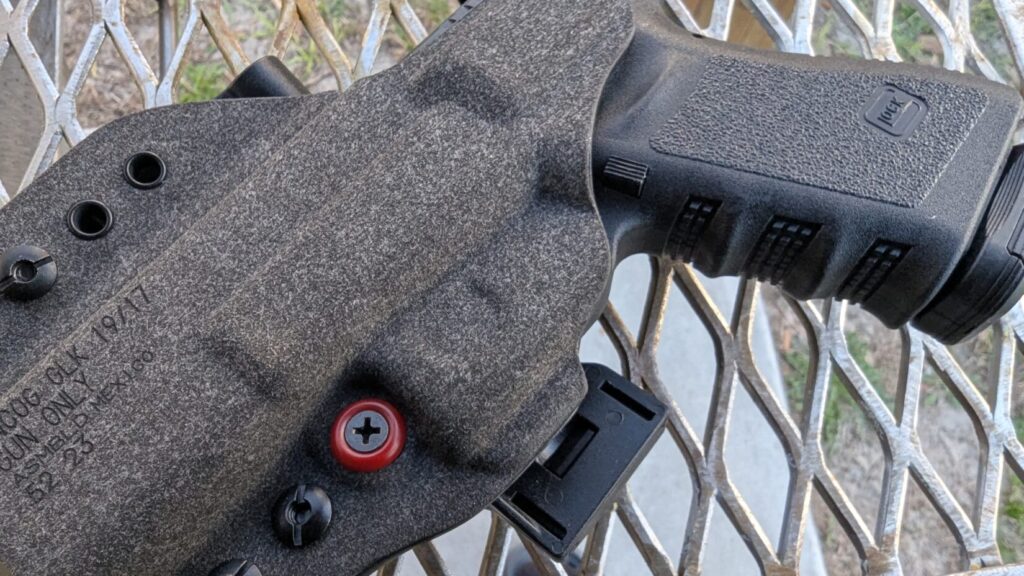
The most common mistake new concealed carriers make is investing in cheap, crappy holsters. Good holsters, like the Incog X, are made from durable materials and molded around the gun to protect the trigger. They fully encompass and protect the trigger and are designed to ensure nothing touches the trigger.
Modern holsters, purpose-built for your gun and made from modern polymer, are the way to go. A good holster will ensure your trigger cannot be pulled when it’s sitting on your waist.
Train, Train, Train
Training under the eyes of a supervised instructor will be extremely beneficial in getting over your fear of firearms. Knowing how to use a firearm will help ease your anxiety massively.
As you master shooting, reloading, holstering, drawing, and beyond, the anxiety over the firearm will slowly disappear. In fact, after a few hours of instruction, your fear will likely disappear. When you start making hits, seeing improvement, and handling the weapon competently, it becomes a lot less mystical.
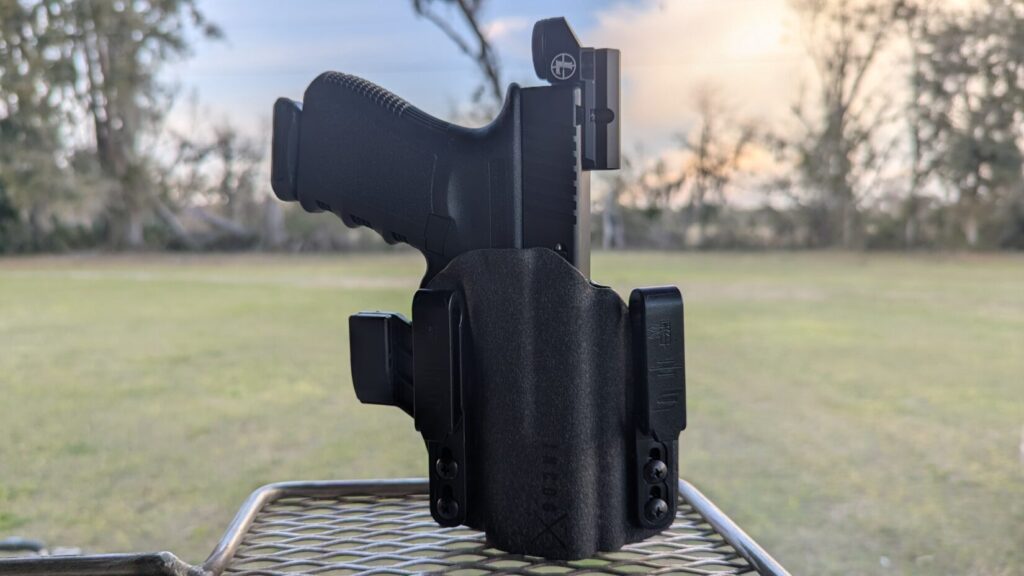
To complement training sessions with an instructor, you should dry fire your firearm. Completely clear the weapon and store all live ammo in a completely separate room. Then practice dry-firing your weapon to reinforce that training.
Additionally, range trips without an instructor are required. If you’re not sure what to practice, just work on shooting tinier and tinier groups into smaller and smaller targets. You can work on the fancy stuff later.
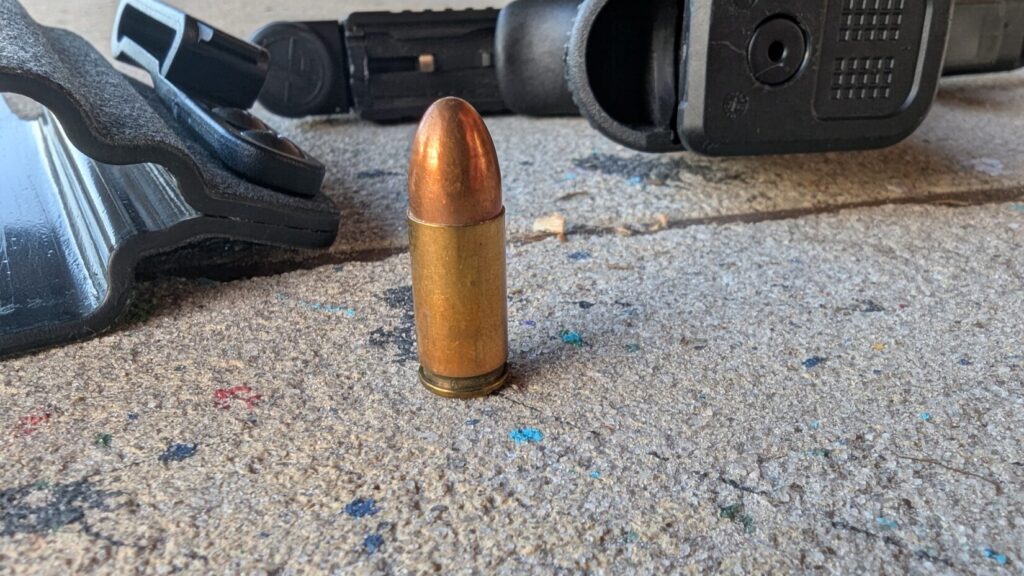
We want to be comfortable with the firearm and its function. While it seems odd that shooting the gun at a range will ease anxiety about carrying it, I promise it will. I’ve never seen someone who can shoot competently carry with an empty chamber.
Carry At the Ready
If you’re carrying a pistol that’s even remotely modern in a safe and well-made holster, your firearm can have a round in the chamber and be completely safe on your waist. Intimidation and anxiety are normal, and you shouldn’t be shamed for wanting to be safe.
Carrying and learning to use that firearm will be the best way to ease your anxiety and give you a healthy respect for your firearm. A little learning will go a long way when it comes to packing a piece on the daily.