
I think we all can remember a time when we didn’t feel dressed properly for an occasion. Maybe you showed up to an event underdressed when everyone was walking around with suits and ties. Maybe there was a time when you were expected to get down and dirty in one way or another, and you didn’t bring the right boots. Not having the right clothes for the environment can ruin a day.
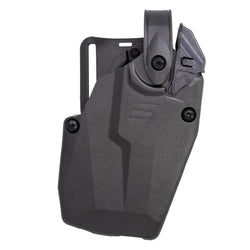
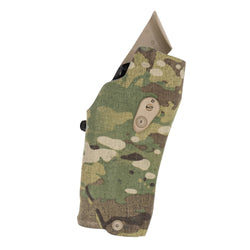
On the firing line at a shooting course, you’ll see all manner of outfits. Some will come as they are and wear their usual clothes with concealment gear, while others will go full cosplay with plate carriers, $500 pants, and the most overt holsters.
What you wear is a personal choice, but there are some recommendations from head to toe that should drive your decision-making process. The right clothes will let you focus on the instruction, instead of the distraction of not being dressed for the occasion.
Range Eye Protection, Hearing Pro, and Headwear
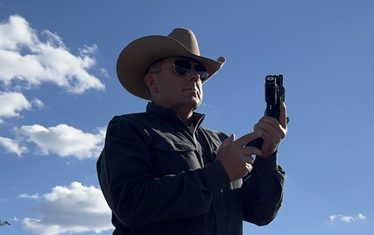
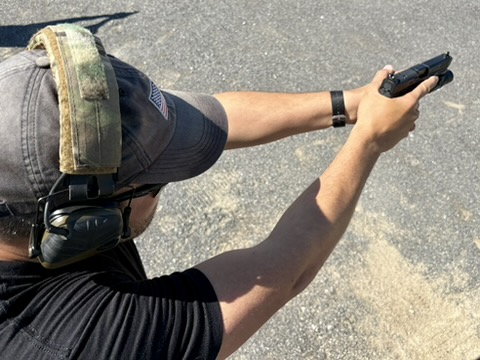
These three recommendations should always be considered together. Many schools want students to wear a hat with a brim to prevent ejected cases from lodging between eye protection and skin. A baseball hat works well with over-the-ear muffs, and those without a button on top will be more comfortable using that hearing pro than those with.
Eye protection should be true eye protection that is ANSI rated and wraparound style. Having an interchangeable lens color system will let you swap out shaded lenses for clear ones when courses are run indoors. Amber or yellow lenses can be installed in overcast conditions.
In warm weather and in high sunlight areas, a boonie-style hat makes sense for neck protection, but over-ear hearing protection and wide brims don’t work well together. In-ear hearing protection, like simple foam plugs or electronic ear pro are my preference in warm weather.
Shirts and Pants
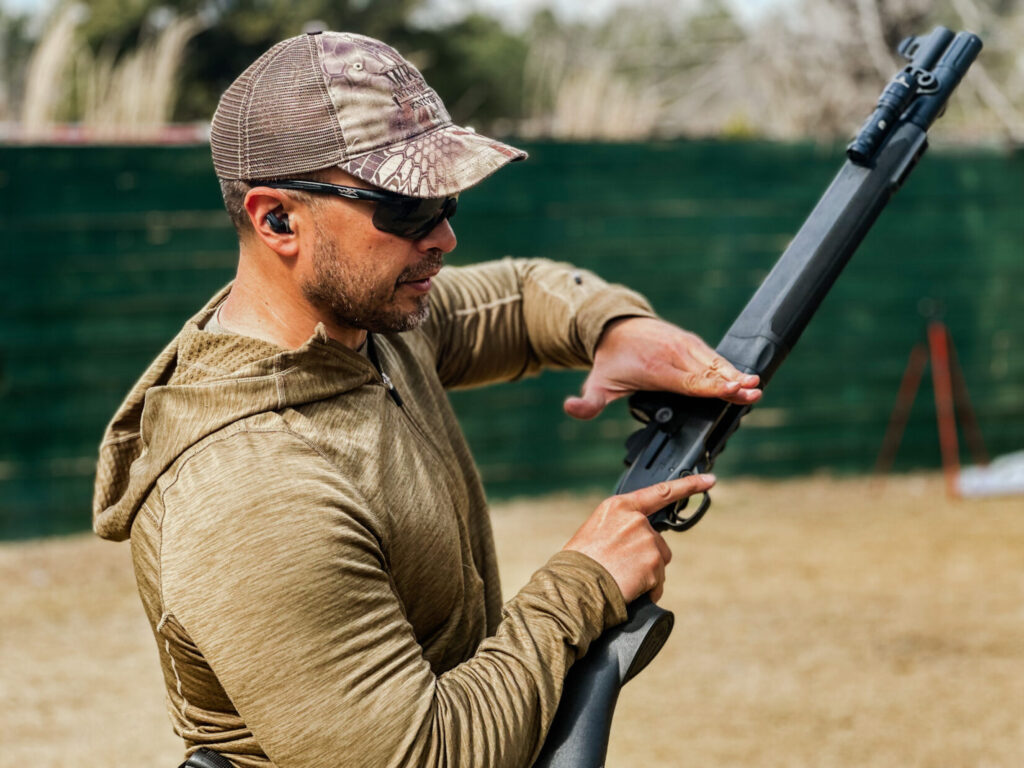
Choose tops and bottoms based on the physical activity expected. Athletic clothing options with synthetic blends work well as they allow for freedom of movement. Avoid overly baggy clothes or those meant for lounging around the house. Dress professionally and make sure you have belt loops and a proper belt to support the holster you are wearing.
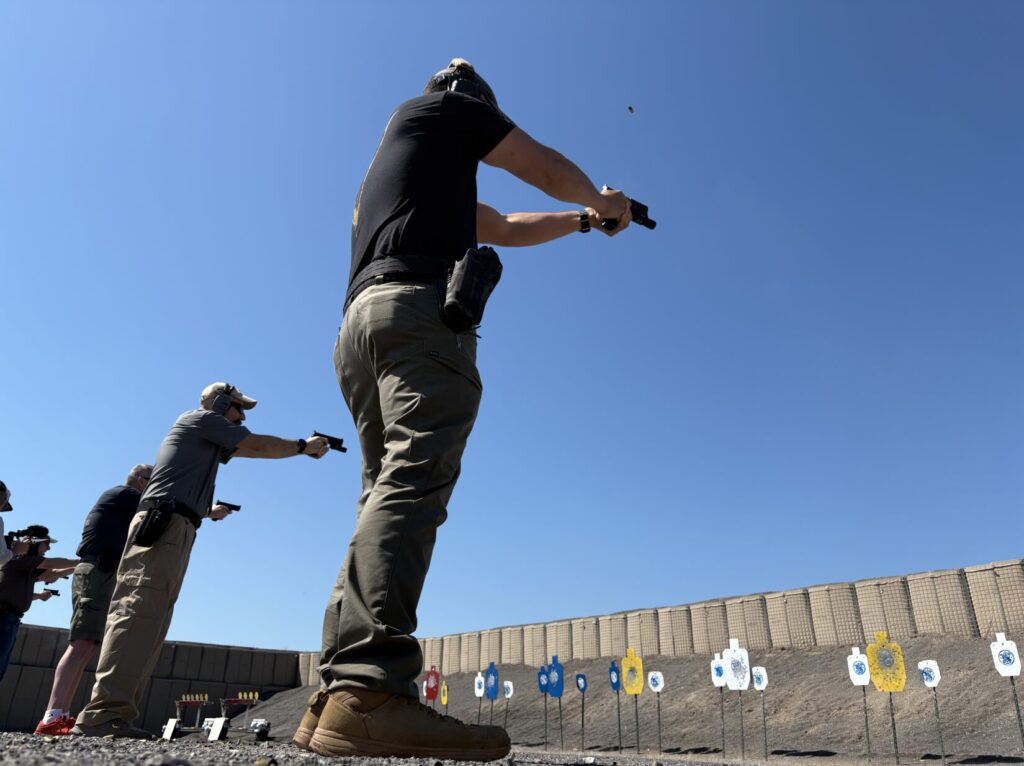
Short sleeves on shirts and shorts are great in warm weather until you end up shooting from kneeling or prone positions. In those cases, you’ll want to have some protection from gravel and stone underneath you.
If you are in a course with drawing from concealment on the plan of instruction, bring a combination of shirts that will let you practice different types of garment clears.
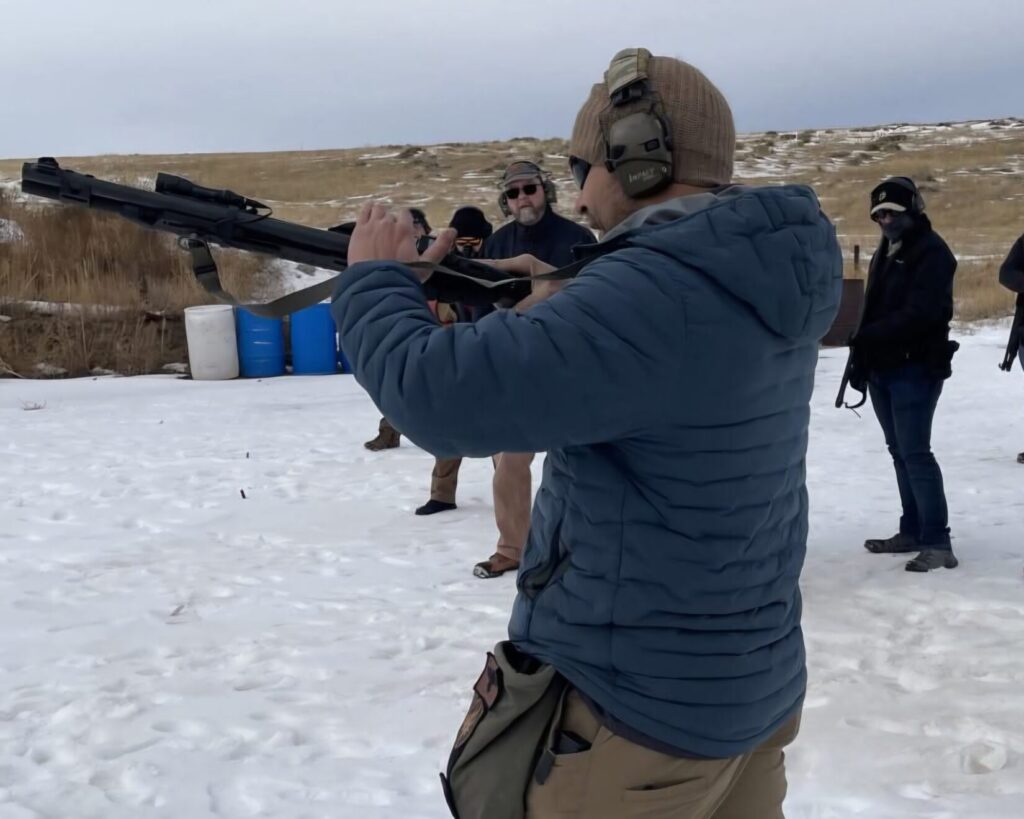
As the temperatures drop, think about layering and remember that your garment clear should only require defeating one layer of clothing, which means tucking in your shirt.
Range Footwear: Choosing Boots and Socks
The typical shooting class will involve standing for long periods of time and moving to the backstop and back to the firing line. The range where it is held may be hard concrete, which can be painful on the back, or it can be loose gravel with plenty of spent shells, creating a slipping hazard.
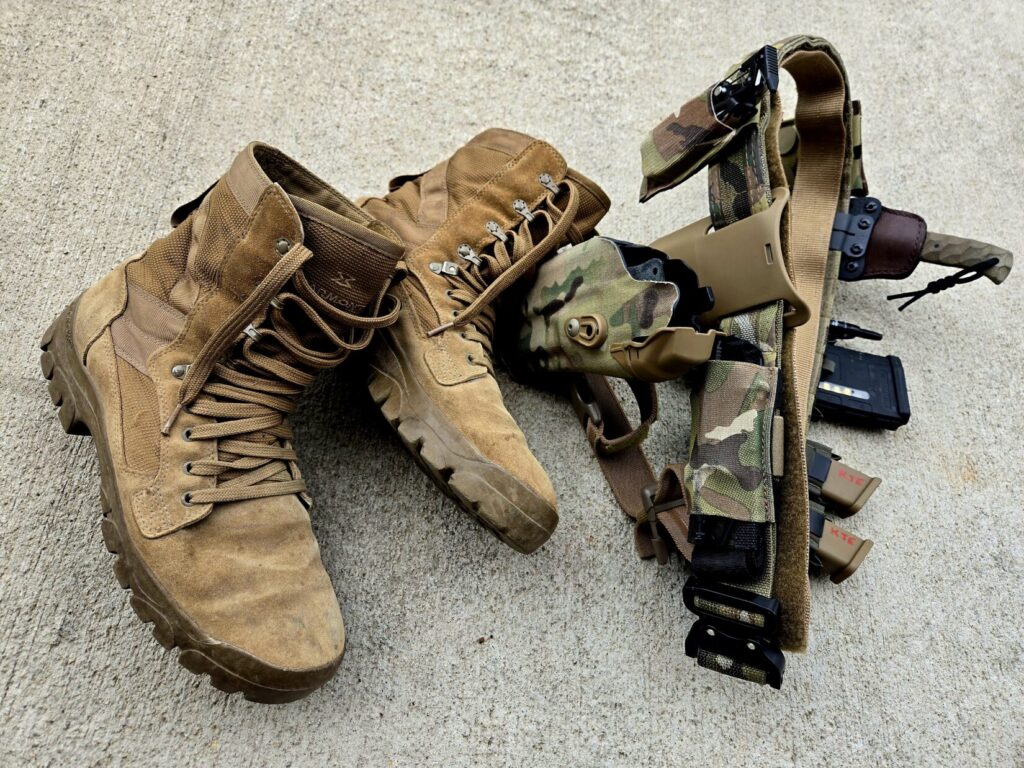
An uncovered range can also be dusty or muddy, depending on the amount of rain and sunlight. Your footwear needs to match the condition, and it should be both comfortable and well broken in. Jungle boots breathe well, but aren’t the best option if you are trying to keep your feet dry in the rain.
When considering footwear, also consider what socks should be worn. You’ve likely heard “cotton kills.” There are wool and synthetics that will dry faster. I’d recommend packing a couple of pairs of socks per day of training and swapping them out during your lunch break for your feet to feel the best back on the line.
Why You Need Spare Clothes
Here in North Carolina, the training we offer at Obsidian Spear Group can be pretty physical. Sometimes the training becomes a physical feat just standing around as your body works to stay cool in the high temps and high humidity.
At lunch or after class, it doesn’t hurt to have a spare dry set of clothes to change into. Wearing the same sweaty, dusty, and nasty shirt out to lunch won’t win you any favors with locals if you walk into their diner stinking like an animal. If you intend to carry concealed to that diner, you may want to throw on an extra cover garment over the training shirt you’re wearing to make sure it stays concealed.
Spare clothes keep you fresh and make you feel good about yourself. Not being able to change your clothes on a multi-day course slowly drains you, and the effects add up over time. It’s better to start the day off in a clean and dry set of clothes rather than wearing the same outfit over and over.
Rain Gear for Firearms Training
Assume the heavens will open up. You can’t control the rain, but you can pack for it. Precipitation will destroy paper backers and targets, and it can also kill your morale.
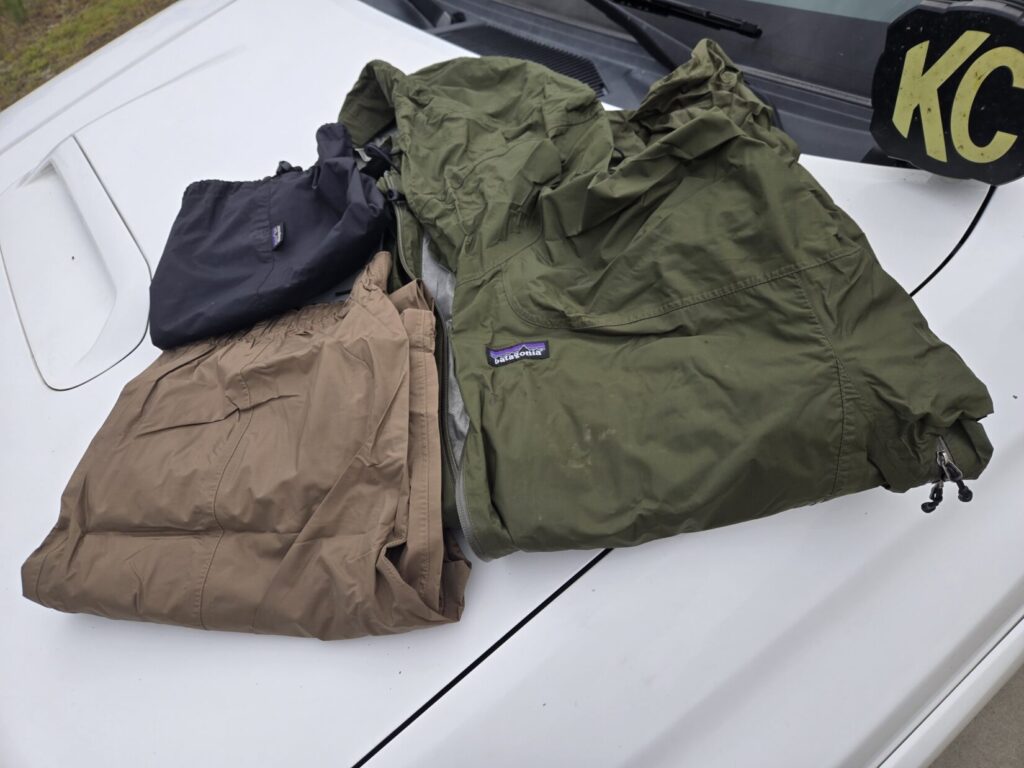
If you want to be unbothered by the rain, pack a legitimate rain jacket and pants combination and make sure the hood on your jacket is functional. You may have the temptation to wear a poncho, but ponchos are best used when you are stationary, and they are truly meant for wearing with a set of rain pants.
Speaking of rain pants, when you wear them, ensure the bottom of your pant legs extends over the top of your boots, or you will funnel water into them. If it is raining and cold, make sure you have a good synthetic layer to put between your baselayer and your outer layer that gives you some standoff from the cold.
If you have the opportunity to dry out your rain gear during a course, take it and don’t forget to maintain your firearms and kit while you are at it to avoid rust from forming.
Range Accessories
Certain accessories make sense in certain environments. Winter hats may be needed for extreme cold, along with insulative gloves. Using firearms with gloves will help expose the differences in your grip and the way you function your firearm controls.
In warm and dusty weather, you may elect to wear a neck gaiter that can double as a face covering. Not only will it keep the dust out of your mouth, it will also protect you from the sun. Also, while not quite clothing, consider sun block an essential on very high UV level days and insect repellent a good addition to the range bag when mosquitoes are present.
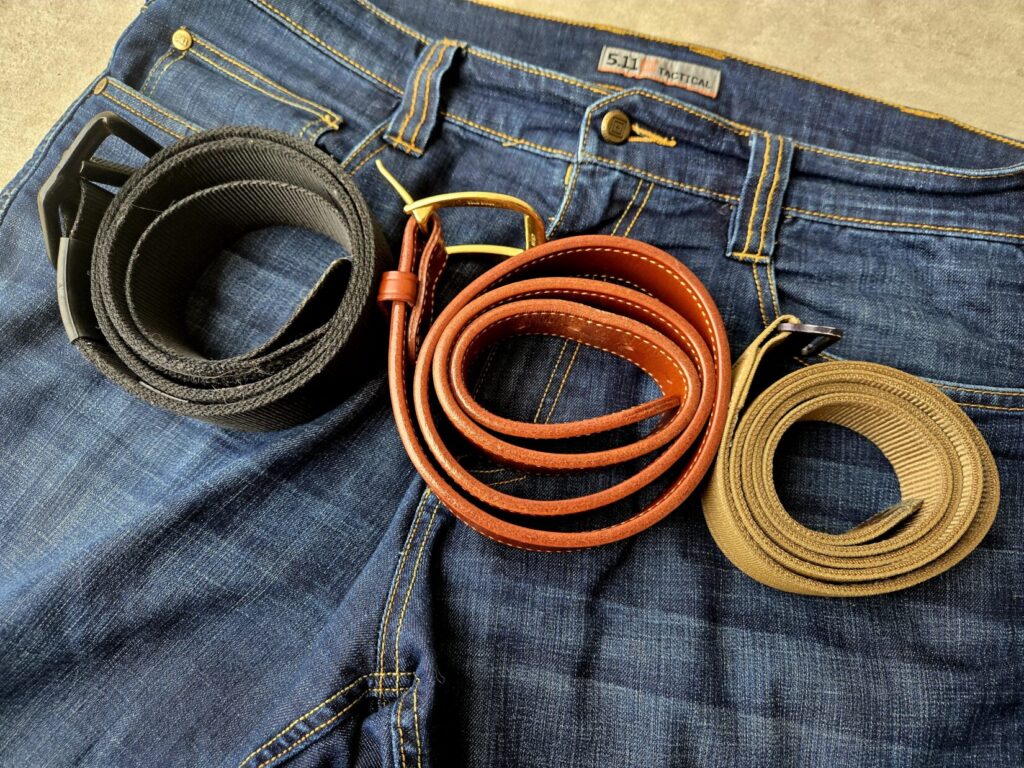
Other accessories worth considering are knee and elbow pads for courses that teach alternative shooting positions. Your belt also matters. Make sure it works with your pistol belt if you wear one. If worn on its own, make sure it can support your firearm.
Many shooting programs will offer a suggested packing list for courses, and it is recommended that you follow it. Depending on the curriculum, you may be asked to avoid jackets and apparel with draw cords that could present a reholstering concern.
Monitor the weather conditions the week leading up to the course and the morning of. Simply knowing what to expect will help you pack the right clothes for the day. Worst-case scenario, you over- or underdress and have an unforgettable experience that will temper your understanding of what to wear next time.