

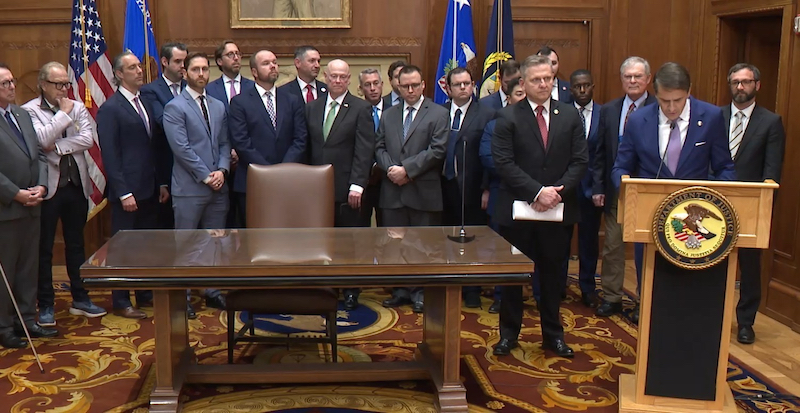
The end of April 2026 rather quietly brought some big news and changes to the ATF. The last week of the month finally saw the Senate confirmation of the new ATF Director, Rob Cekada, then just a few moments later, there was the signing of an ATF regulatory reformation package, which includes 34 proposed rule updates and changes, as a part of what ATF calls the new era of reform.
NEW DIRECTOR
First things first, let’s do a quick recap of the new ATF Director, Rob Cekada. He has been with the ATF since the early 2000s, working his way up through successive advancements along the East Coast ultimately leading to his placement as the Deputy Director of the ATF.
From there, he received the nomination for the Director of ATF and has now been confirmed by the Senate. He has a solid background and is said to be the first pro-2A director in the agency’s history. Cekada has helped formulate changes within the reform era currently happening at ATF.
REFORM PACKAGE
Since early 2025, ATF has been taking a proactive role to change how they deal with individuals and the industry, in what they call the new era of reform. With new leadership and working closely with industry, the agency has been making common-sense changes to help streamline and modernize regulations. The agency’s commitment to transparency, partnership, and accountability means this reformation package is a big one.
This package is the largest pro-gun reform in the history of the ATF, with 34 proposed rules to be promulgated. This is huge news for both private citizens and industry. Broken up into five different groupings (Repeal, Modernize, Reduce Burden, Clarify, and Align), the ATF is making big strides to clean up regulations and reduce the overreach it used in the past.
Want just the broad strokes for the package? The ATF released a group of proposed changes and updates that streamline everything from regulations to forms, changed certain rules for dealers, revised processes to make specific processes faster, and many other things.
Some of the rule groups will mean more to different demographics, so we’ll briefly go through the groups and break them down. A full breakdown of each item can be found on ATF’s website, complete with the rule number, if you want to see all the details.
Repeal
This group deals with fixing errors in language that failed judicial review or didn’t meet the intended outcome. Things like removing the 2023 language for the Stabilizing Brace rule and removing the Bump Stock from the definition of a machine gun in accordance with the National Firearms Act and the Supreme Court decision.
For FFLs, it refines regulations that define “Engaged in Business” and brings it back in line with the statutory language provided by Congress. Additionally, it removes the requirement for FFLs to have signage regarding the Youth Handgun Safety Act of 1992, something that is long overdue.
Modernize
The Modernize group of changes deals directly with updating compliance and recordkeeping to line up with current technology and business practices – think electronic records instead of paper.
In this group are changes that allow FFLs to keep electronic records, reduce actual necessary paperwork, and specify how long they have to maintain those records after the fact. It also allows dealers to utilize the ‘eZ Check” verification for transfers between dealers.
This section also deals with changes to the Firearms Transaction Record Form 4473, making it a smoother process for law-abiding citizens and businesses.
Reduce Burden
This section includes removing cumbersome administrative requirements that could impose costs and has a couple of really good points in it.
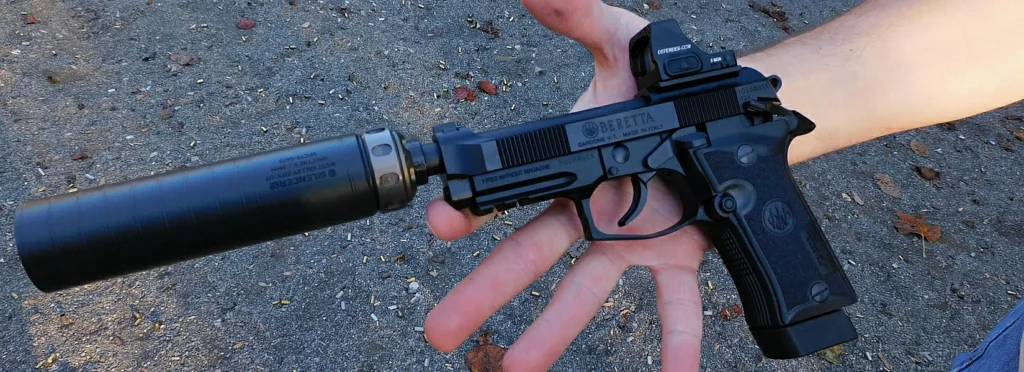
First off, the proposed change removes the requirement to notify CLEO of an NFA application. There is also a change to allow for a joint registration of an NFA item by spouses, rather than having to go through the trust route, which would grant both spouses legal ownership of the item.
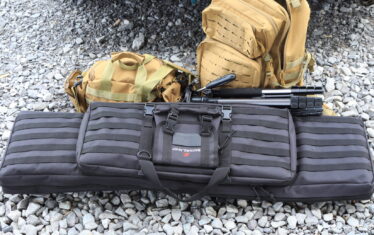
Not only that, but there is a change to the Interstate Transport, with the new verbiage allowing for legally possessed items to be transported short-term within the United States without having to notify the ATF and wait for the agency’s approval.
Along those same lines, there is a clarification for interstate travel with items that help clear up confusion or potential issues when traveling through firearm-unfriendly locations and spells out requirements for securing those items.
Clarify
The Clarify section addresses language in 12 different sections to give clear guidance for the public. A lot of these involve updating language and terms to have more definite meanings and lessen potential grey areas.
This group is quite large and encompasses a lot of minor things, but a few things to point out are the importation of training rounds and more clarification for straw purchases.
Align
This last group deals with aligning text to match what is done through statutory changes, judicial rulings, or updates from partner agencies. This includes officially codifying the use of a NICS background check as a part of the NFA application process, something that is already done.
There are other items for imports, like removing a static list of prohibited countries and making it a dynamic (think evolving) list, conforming references in alignment with those of the Department of State and Commerce. But the big one in this section is the reduction of the tax remittance on certain NFA items in accordance with the One Big Beautiful Bill Act of 2025, making the verbiage reflect the changes from that bill.
Take Away
What’s the big takeaway from this massive reform package? The ATF is trying to keep up with the industry and not be the burden it once was. The ATF is trying not to be the bad guy anymore and intends to keep it that way for the future.
It’s a great start for sure, and there are more changes rumored to be coming. Something to keep in mind is that these are proposed changes and are open for public comment during the open comment period. But they will likely withstand legal scrutiny given the straightforward approach to the changes.