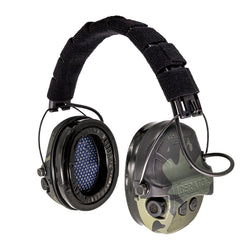
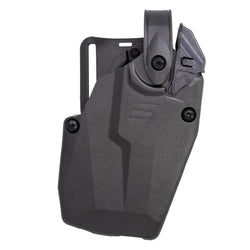
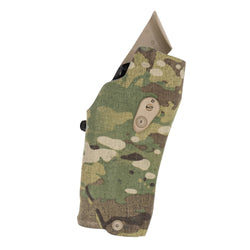

Safariland holster names are a mix of letters and numbers. It’s a logical system, given their broad range of holsters, security mechanisms, and fitments. With Safariland, acronyms typically refer to security and retention devices, which we’re focusing on today as we dive into the discussion on ALS vs GLS.
ALS and GLS are both acronyms for retention systems. ALS stands for Automatic Locking System, and GLS stands for Grip Locking System.
Both systems require a dedicated hand movement to free your gun, and both are produced for a wide variety of guns in a wide variety of styles. The big difference is the definitions. The GLS offers a security device, but the ALS offers true retention. That’s exactly why we are discussing the ALS Vs. GLS systems.
Why does Safariland produce two different systems? Which is better? Which is faster? Does one offer more security than the other? We aim to answer those questions today to help you find the best holster for your needs.
How the GLS Works
The GLS system locks your gun into the holster via the trigger guard. As soon as the gun is inserted into the holster, it automatically locks. The Grip-Lock System locks over the trigger guard and secures your gun inside the holster. The GLS lever sits on the rear of the holster, facing away from the end user.
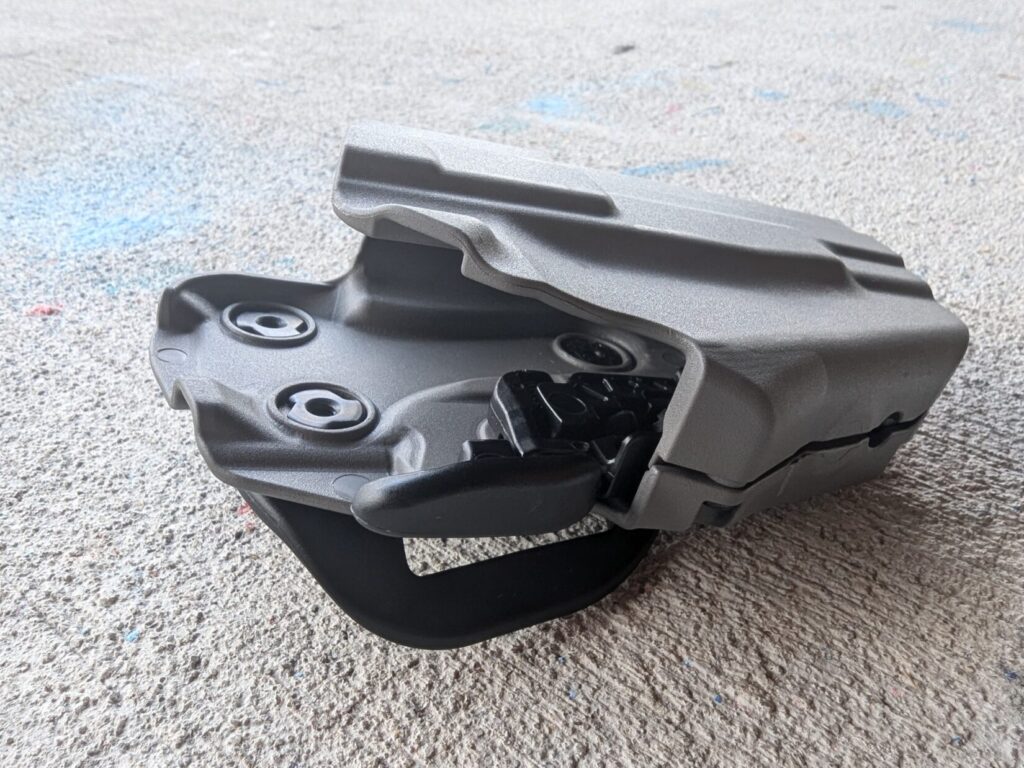
A small lever sits right behind the gun and underneath the grip. To deactivate the GLS, you simply need to establish a good firing grip on your gun. Your middle finger will press the GLS lever inward with a natural grip, releasing the gun. You can then draw it upward and from the holster as necessary.
How the ALS Works
The Automatic Locking System engages the gun at the ejection port. As the name implies, it automatically locks the gun into the holster. The ALS system uses a simple lever placed at the top of the holster, and the user simply has to use their thumb to pull the ALS rearward to unlock the device.
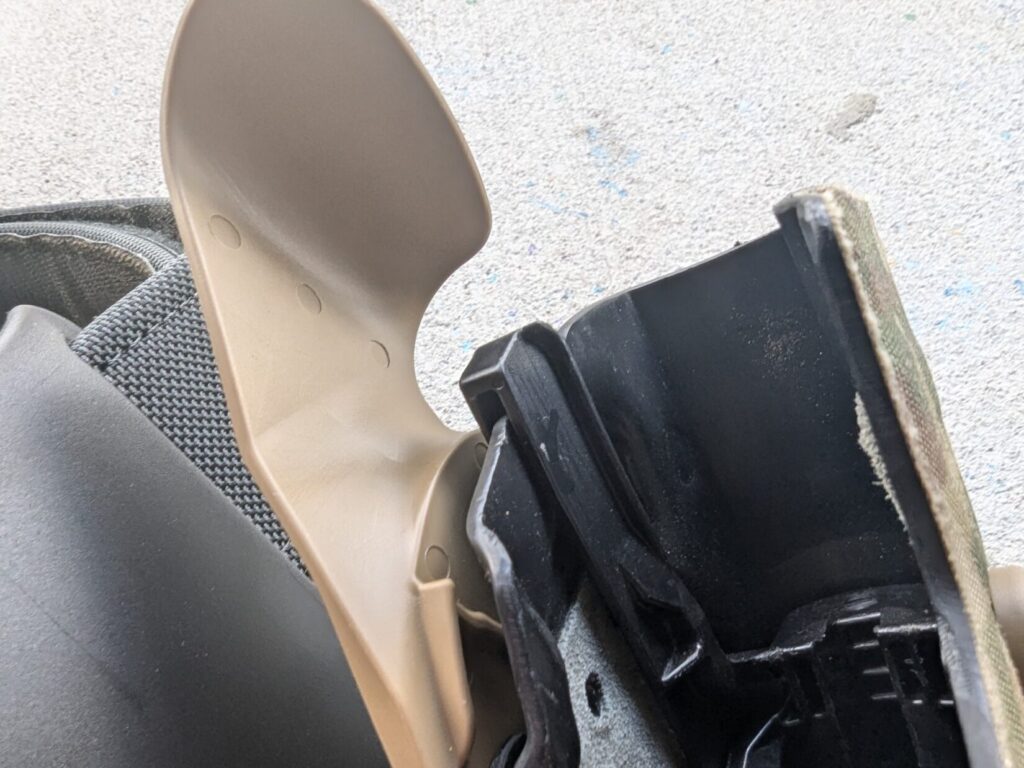
Your thumb naturally falls where the ALS sits, but it’s not deactivated by grip. It does require a conscious rearward motion of the thumb to free the gun. Once free, the gun can be easily drawn and put into action.
Retention Matters
Holster retention definitions vary depending on who produces the holster. Safariland’s system is simple and provides very robust definitions of security.
With Safariland, each hand movement equals one level of retention. GLS and ALS systems both count as one-hand movement, but only the ALS system qualifies as a true Level 1 retention.
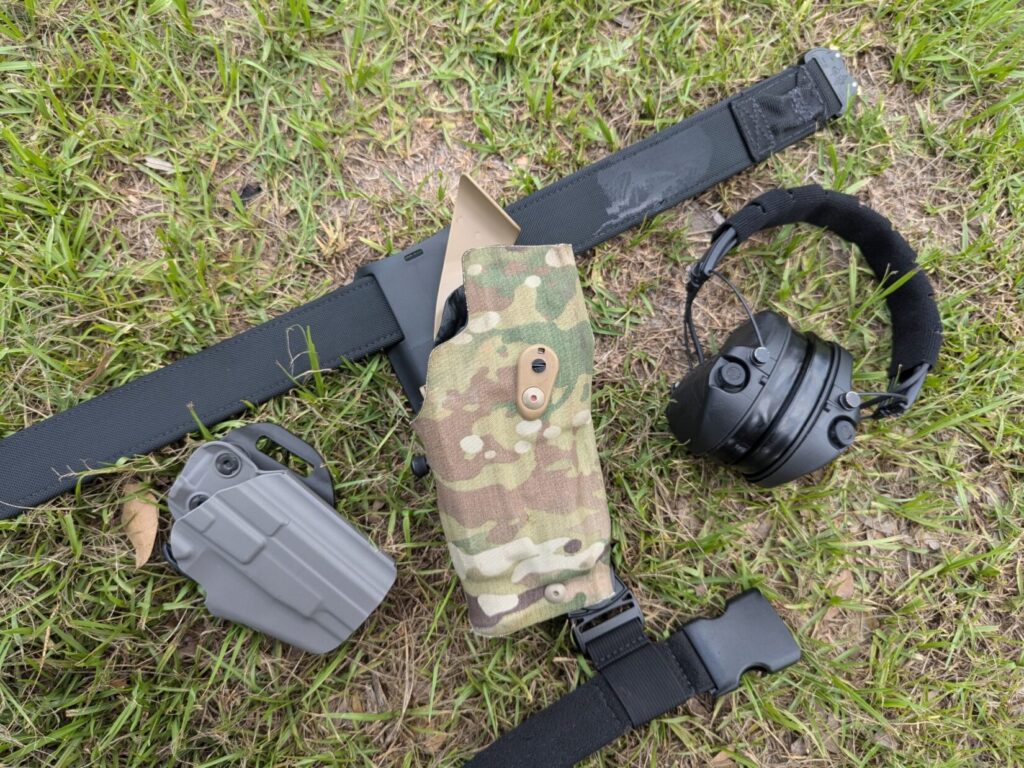
Safariland has a specific definition for retention, and each level coordinates to one hand movement, with the holster on a duty mount, on a duty belt.
The GLS does not use a duty mount to mount to a duty belt, so it’s considered a security device.
Knowing the proper retention is critical when shopping for holsters. GLS and ALS both require you to defeat a device, but the difference is notable.
Getting the Gun Up and Out
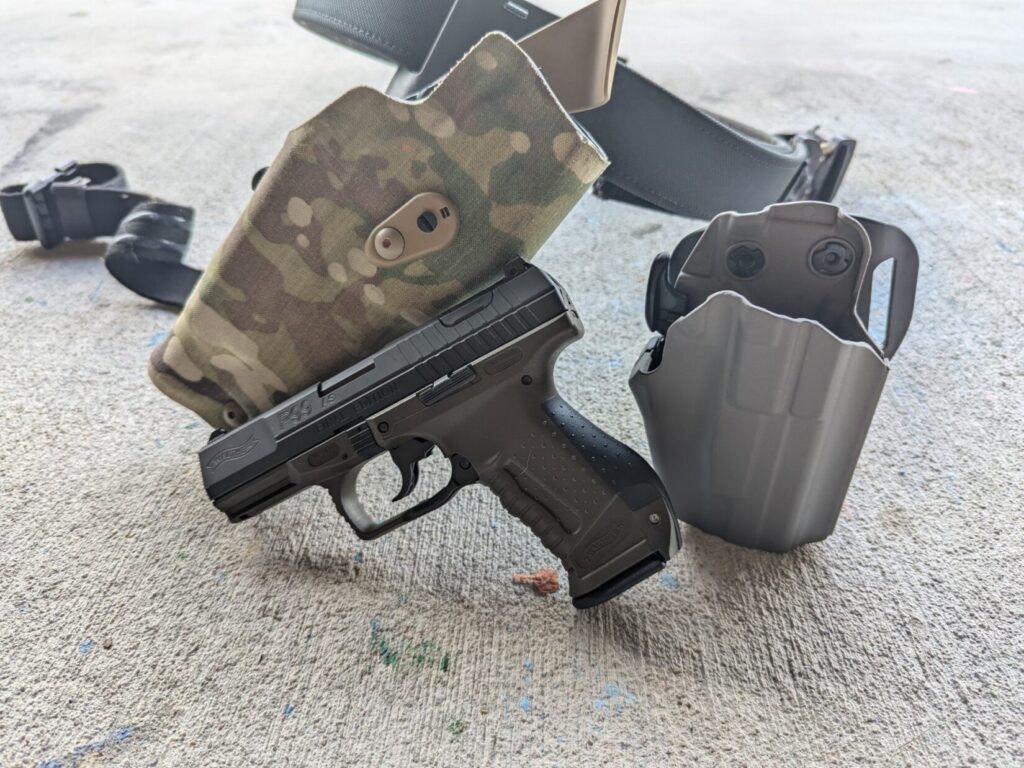
Which system is faster? Well, it’s not quite so simple. Other factors to consider include gun size, holster position, and more. An ALS duty holster will likely beat a GLS IWB rig. I grabbed a Walther P99, a 6354RDSO, and a 578 GLS Pro-Fit holster to compare. The gun fits both holsters, and both are belt-born OWB rigs.
To be fair, I have spent a lot of time with the ALS, including formal training classes and competition shoots. I’m very used to finding that nub and flicking it rearward to free the gun. I’m new to the GLS system, but it is very simple to use.
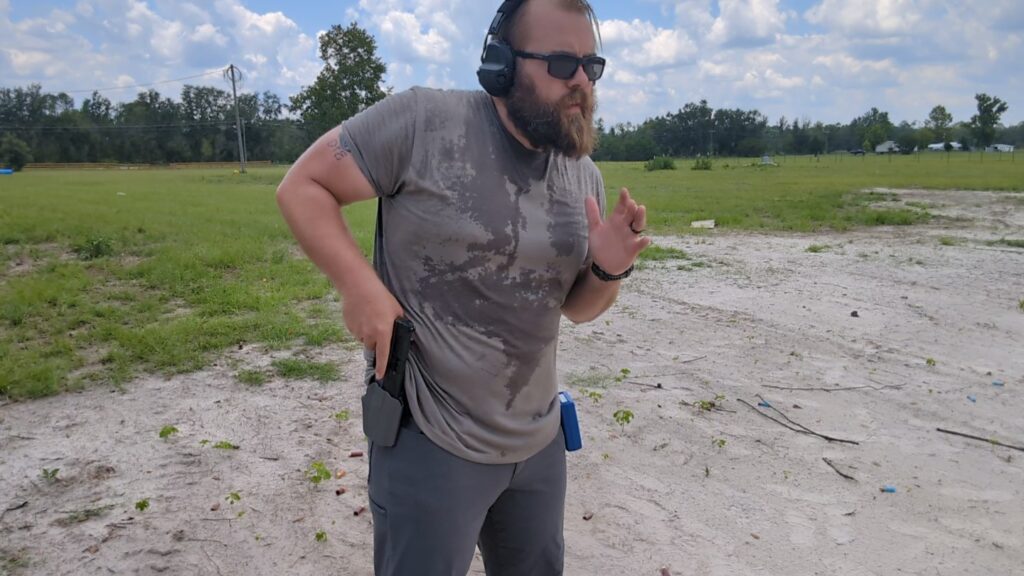
The shot timer doesn’t lie. At first, my comfort with the 6354RDSO gave me a slight advantage. Drawing and getting a single shot on target in 1.5 seconds was easy. My time dived into those 1.3s and 1.2s.
I struggled a bit with the 576 GLS at first, and if I was fast, I got to 1.5 seconds. I had a bad habit of trying to flick a nub that wasn’t there with the GLS. My muscle memory worked against me.
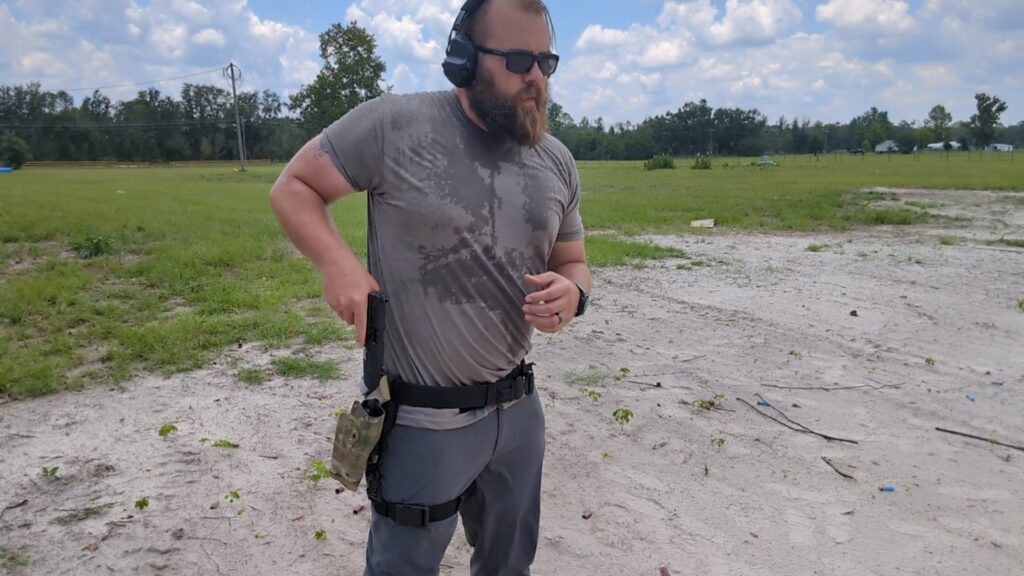
Luckily, I eventually got over that, and I found that drawing from the GLS resulted in consistent sub-1.5 draws. It’s as simple as grab and draw.
I realized I could go just as fast with the GLS. Grab, pull, orient, and shoot made the GLS quite quick. The 6354RDSO had the benefit of sitting further from the body, which allowed it to keep up with the GLS.
So Which is Faster?
Ultimately, I didn’t see a huge difference in speed between the two. Both are capable of a quick draw and are easy and ergonomic to use. If you’re new to the ALS and GLS systems, I think the GLS will be faster for new shooters, but a trained user is less likely to notice a difference.
Security
The difference between a retention device and a security device seems small, but it’s an important distinction. Retention is a part of security, but there is more to it than that.
The ALS system offers more security when it comes to grabs since it’s also mounted to the duty mount and the duty belt. Grabs refers to an opponent trying to take the gun from the user.
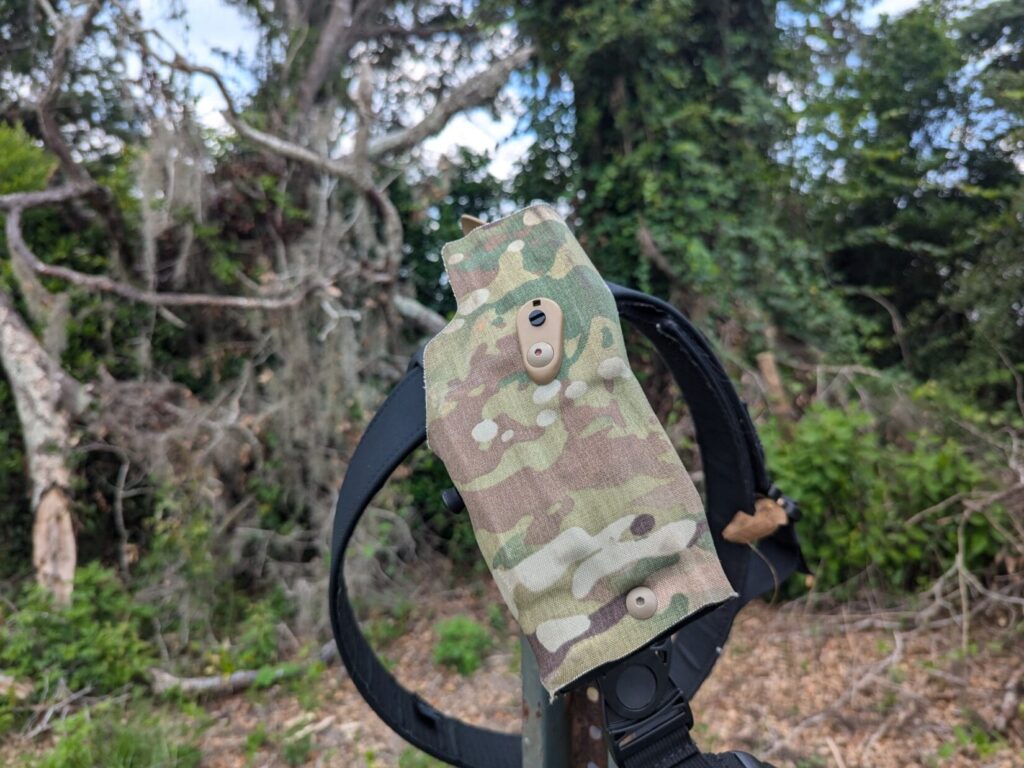
A law enforcement friend of mine who uses an ALS holster every day came over to help me test the two holsters. His job was to take the gun. We did both soft and hard takes with and without resistance. With resistance, he wasn’t able to get either gun.
We didn’t take it to the ground or work in strikes, but with simple resistance, he wasn’t getting the gun. Without resistance, the ALS was tougher to access. The placement of the ALS nub makes it difficult for an aggressor to access.
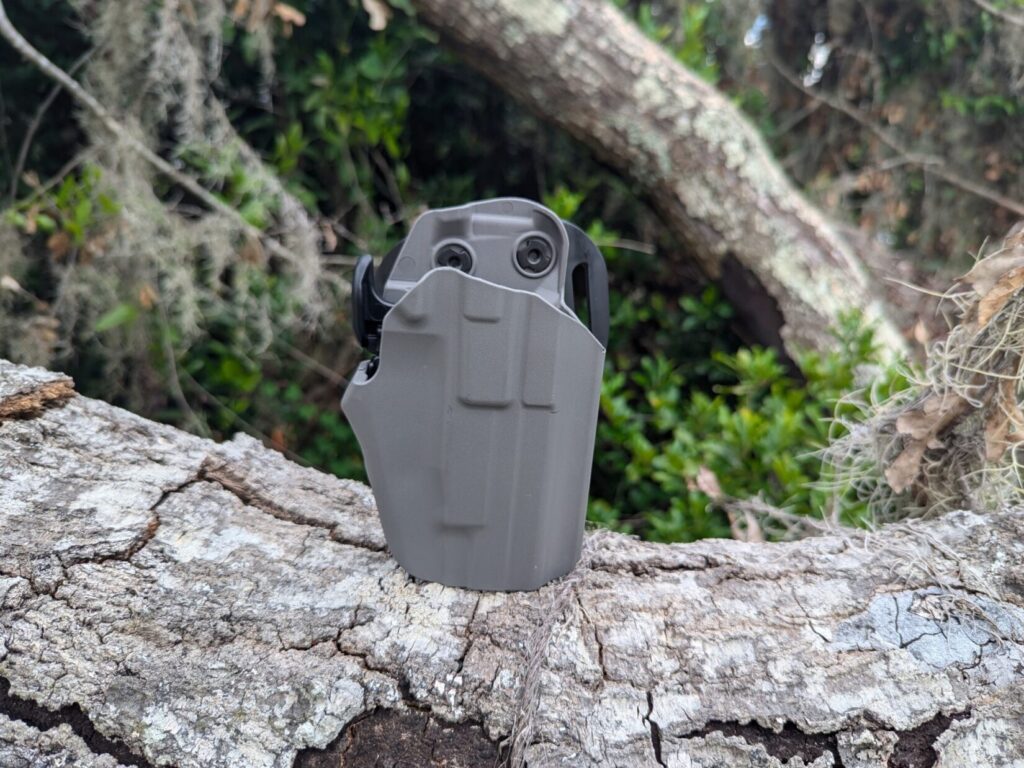
The ALS design also works as a simple guard device that blocks the nub. Shooters can choose to pair the ALS nub with the SLS hood to raise retention to Level 3. The GLS system doesn’t offer any additional systems.
Accessories
The ALS also allows the user to use more accessories than the GLS. Both styles of holsters can work with optics on handguns, but the ALS takes the lead by allowing you to use lights. All sorts of lights, lights big and small. Since the GLS system attaches to the trigger guard, you cannot use lights.
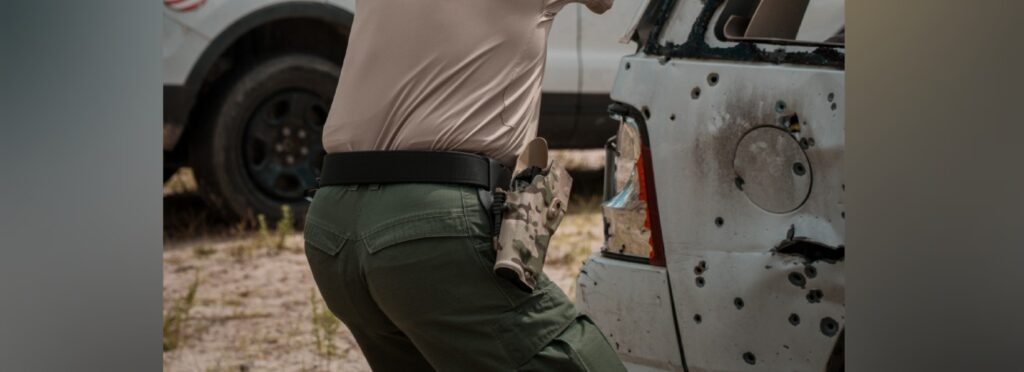
The GLS and ALS systems can use various attachment methods, including QLS attachments, paddles, and belt loops. However, ALS holsters are compatible with MOLLE adapters, thigh rigs, and mid-height belts and adapters. Ultimately, the GLS holsters lose out on accessories and modularity.
Firearm Fit
The biggest advantage of the GLS series of holsters is that it works with over 100 different guns. My 576 GLS works with the slim-frame Walther PPS and the beefy Glock 20. The gun can work with the long-slide Glock 34 and the shorty Walther PP9C. Its trigger lock design makes it compatible with a ton of different guns.
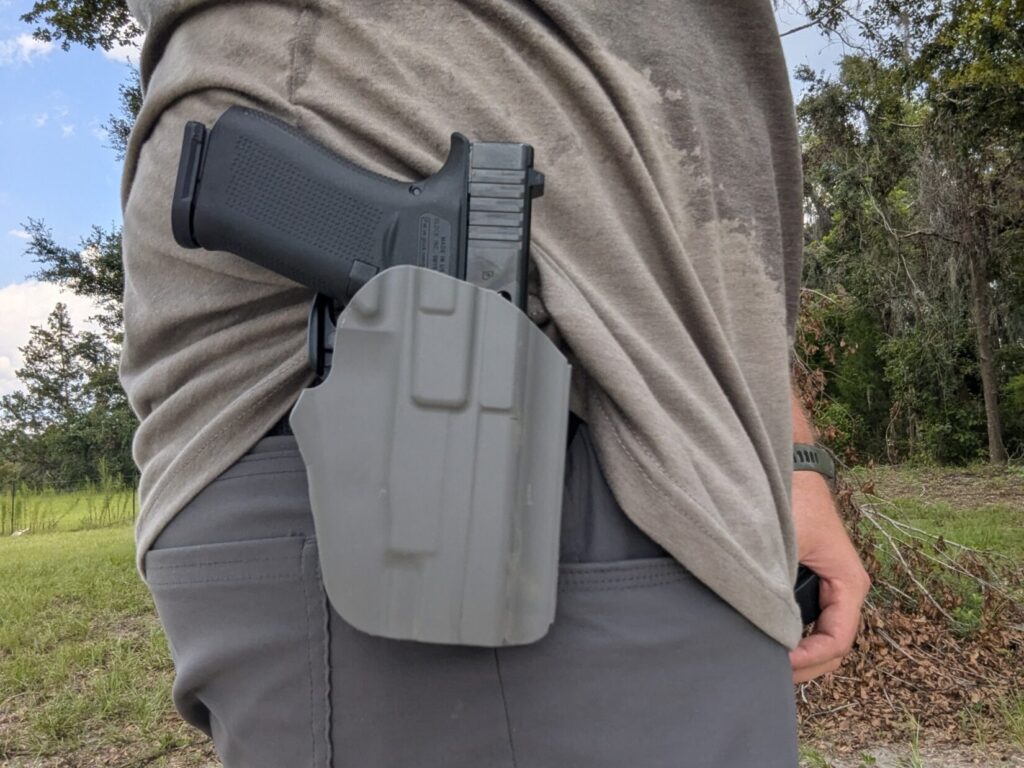
An included shim accommodates thinner trigger guards, and a bottom adjustment tightens the holster against the gun’s dust cover. This provides a versatile multi-purpose holster for a wide range of guns.
The Right Purpose
The GLS excels for concealed carry. Concealing the firearm helps you keep the gun more secure, even without an ALS system in place. The GLS holsters are also smaller since the lever is in line with the gun rather than behind it. The extra security and size of the ALS-style holster tend to make it better suited for duty use.
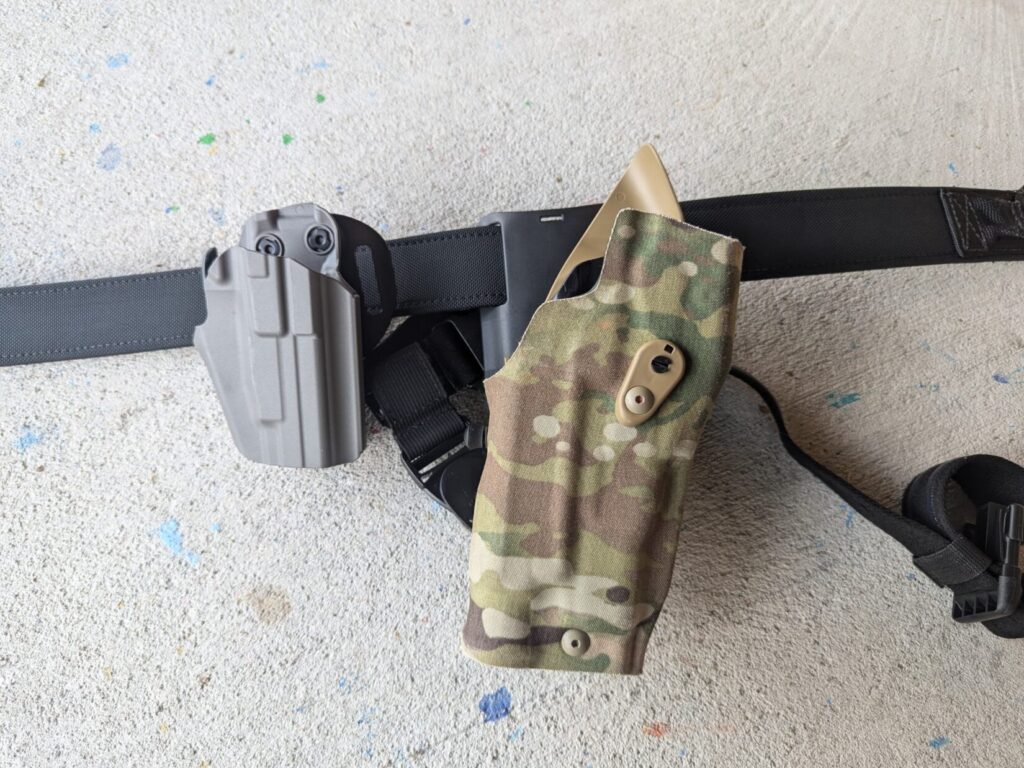
There is some wiggle room with that statement. Specialty holsters like the 1051 shoulder rig are ALS holsters but conceal well. However, the GLS allows us to use IWB rigs, and the GLS OWB rigs sit tighter to the body and conceal better overall.
Both the GLS and ALS have their place in this world, and now you have the tools to pick the best option for you.