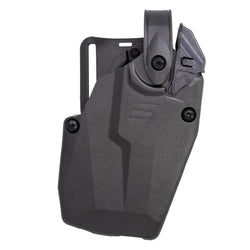


Some people find a good handgun and rifle and call it good. They don’t see the point in owning anything else, and there’s nothing wrong with that. But for others, a gun is a tool that meets a specific need, which requires more than one or two. And I’ll admit, sometimes we just use that as an excuse to buy more guns because… well, they’re cool and fun to shoot.
But regardless of your reason, if you like owning and shooting a variety of firearms, there is a big benefit to simplifying your gear. One way of doing this is to consolidate ammunition and magazines. If you are looking to streamline your setup, standardizing your firearms around a shared feeding system is one of the smartest moves you can make.
Even though I just like shooting a variety of firearms, I use different ones for different purposes. I have a pistol caliber carbine (PCC) that will fit in my backpack for hiking, one that works great in my vehicle, etc.

And even though I have different guns that take different types of magazines, many of my firearms will run on one of two types: the AR-15 mag and the Glock mag.
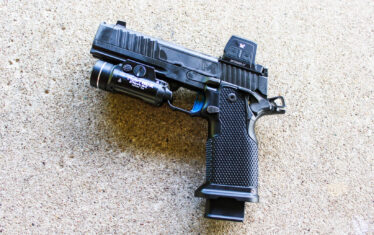
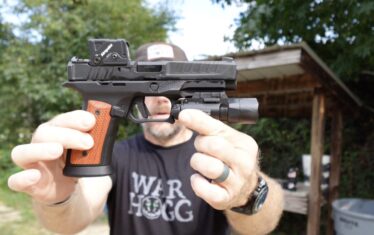
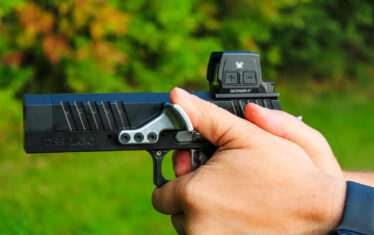
Today, we are looking at PCC’s and other firearms that run on Glock mags, and why there is a benefit to owning them.
Quick Reference: The Power of Platform Standardization
There are a lot of benefits to owning multiple firearms that use the same magazine. And it’s not just about saving money on buying extra gear. It’s about improving your preparedness and efficiency. And just to be clear, for this article, I’m referring to “Glock mags” as 9mm Glock mags.
| Core Advantage | What It Means for the Shooter |
| Logistical Simplicity | Carry one magazine type to feed both your sidearm and your backpack/truck gun. |
| Cost-Effectiveness | Save money by buying magazines in bulk, reducing your overall expense. |
| Maximized Training | Consistent use of firearms using the same type of mags builds neural/muscle memory. |
| High Reliability | Benefit from a time-tested, trusted performance of the legendary Glock design. |
| Easier Ammo Management | Streamline your inventory by buying, storing, and loading a single caliber (9mm). |
Glock: The History and The 9mm Magazine
The Glock pistol is indisputably an iconic piece of modern firearm history. Gaston Glock founded his company in Austria back in 1963, originally producing military products like field knives and components. However, the world of firearms changed in the early 1980s when the polymer-framed, semi-automatic Glock 17 service pistol was first introduced.
It was designed to meet a request from the Austrian military. Glock built his pistol to be simple and reliable. He used advanced synthetic polymers for the frame, which was a revolutionary concept at the time. This innovation made the pistol both lightweight and exceptionally durable. Today, the Glock pistol has been adopted by hundreds of agencies in the US and militaries around the world.
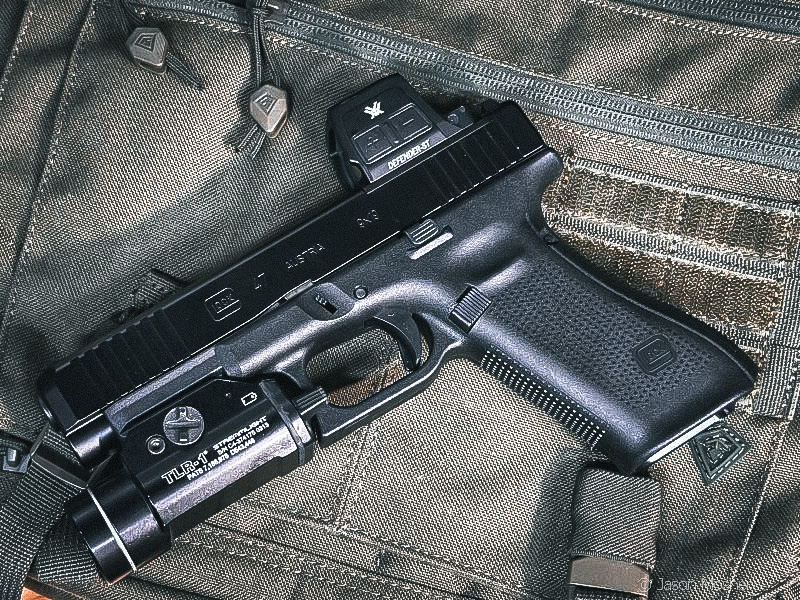
While most of the focus is on the gun itself, the magazine has become just as legendary as the pistol. Glock magazines are renowned for their strength and reliability, just like the gun.
The secret to their durability lies in their construction. Glock mags have a steel liner with a durable polymer coating that helps the feed lips resist spreading and wear over time. This design is one reason Glock mags are so consistent in feeding.
Like the gun, Glock mags are simple, and they work. They have been proven by decades of service worldwide. This design and reputation are why so many other companies make firearms that accept them.
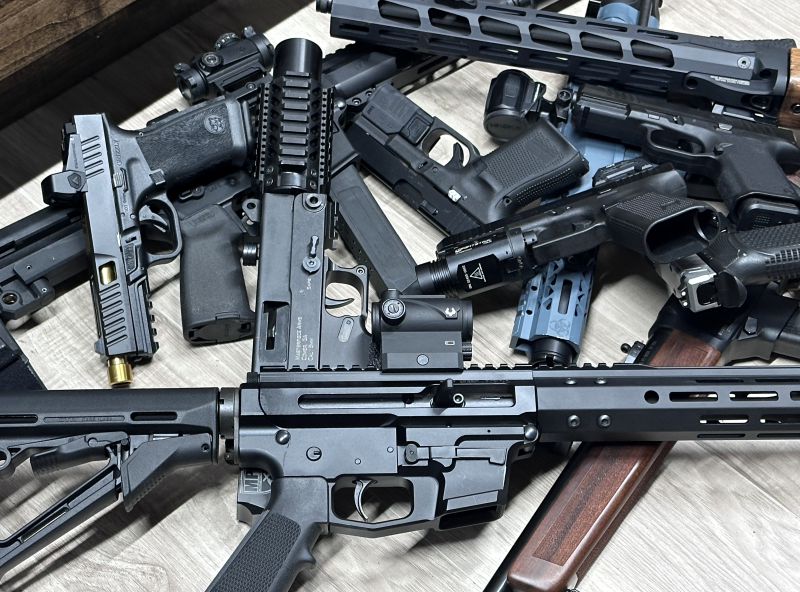
Logistical Simplicity: The Cross-Compatibility Factor
I won’t get into the argument of PCC firearms vs rifle caliber firearms today. People have different reasons for using one or the other (or both). If you don’t like the idea of a pistol caliber carbine, that’s fine. For me, PCC’s have a place in specific settings, and maybe we will get more into that in a different article.
But for those who own PCC firearms, having a handgun and carbine that use the same magazine makes things simple. You can carry shorter mags for the pistol and longer mags for the PCC, but still be able to use both mags in both guns.
Extra ammo is already on your belt
When I was in law enforcement, we used AR-9s that worked with Glock mags. Of course, we also carried AR-15 rifles, but there were times when a 5.56 cartridge was not ideal. Populated areas like apartment buildings, neighborhoods with houses close together, and other situations often caused us to use 9mm rifles instead. We chose models that used Glock mags so we could use the mags that were already on our belts.
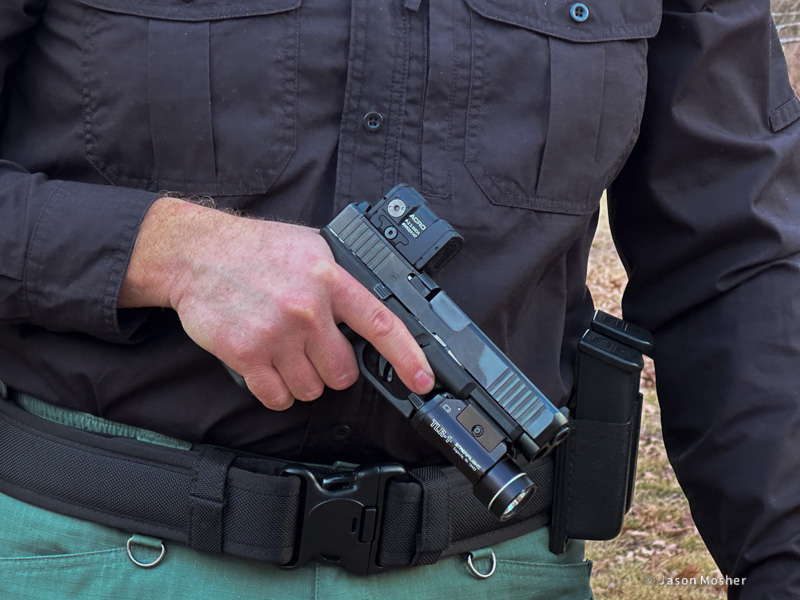
I often carry a short AR pistol chambered in 9mm in a backpack. And most of the time, I carry a Glock 19 on me as well. A Glock 19 holds 15 rounds, and I keep an extra 17-round mag on me. With a 30-round mag in my AR-9, I can use any of the mags on me in the AR-9 should I need them.
Cost and Availability
If you like to keep a lot of extra magazines on hand, buying Glock mags can save you money. I’m one of those guys who used to want a trillion mags for any gun I own. But when every gun you buy uses a proprietary mag, it gets expensive, and you end up with a lot of mags to keep track of.
There are other great, reliable mags out there, but they are not as widely used as Glock magazines. It’s pretty easy to find a wide assortment of PCCs, sub-gun size, and even other pistol brands that all use Glock mags.
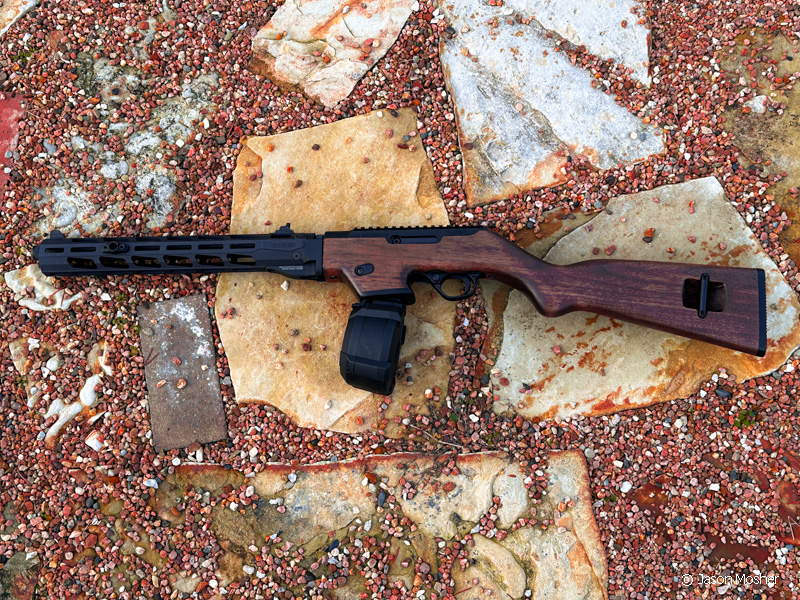
For example, I purchased the Henry Homesteader when it came out. I already have plenty of Glock mags, so I swapped out the mag well for the Glock-compatible version. Now I have plenty of mags that will work in it, without buying any more. The same goes for the Ruger PC Carbine, RXM pistol, and others when I picked them up. It would take a while to list all the guns out there that accept Glock mags, but trust me, there are a lot.
By choosing firearms that share magazines, you halve your total investment. This frees up funds you can then use for quality training or for purchasing ammunition.
And speaking of ammunition, you will also save money and effort by only needing one caliber to purchase, store, and carry.
The best magazine is the one that’s easy to find
The high demand for Glock magazines also keeps their market price very competitive. You can often find great deals on original Glock magazines and various reliable aftermarket options like Magpul.
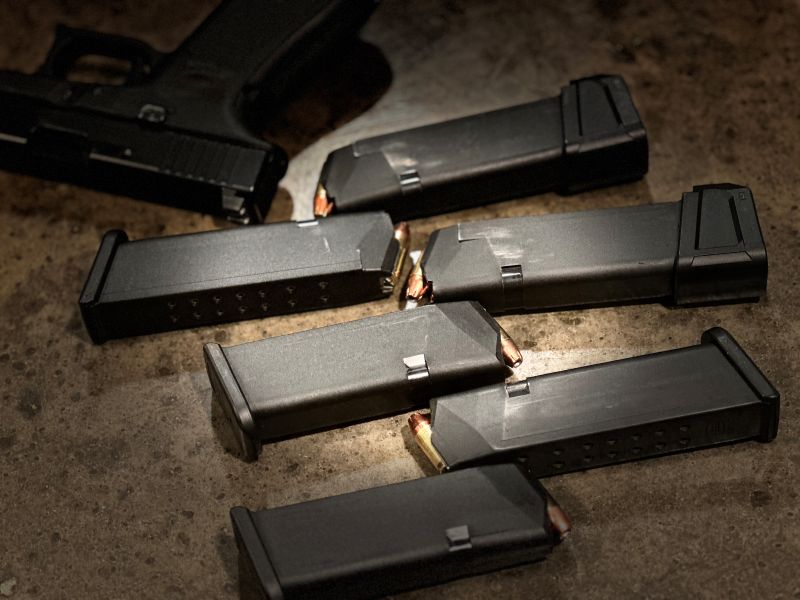
Glock magazines are universally available in nearly every gun store. Their popularity means they are almost never out of stock, which is a good thing. You can buy them in standard capacities, or in extended versions like the 33-round models
If things go bad in a disaster or SHTF scenario, you want firearms that use the most common ammo and magazines out there. It doesn’t mean you can’t use other types of firearms and magazines, too. But having some that use 9mm Glock mags is still a good idea.
AR-9 vs AR-15: Maximized Training and Muscle Memory
The more training you do, the better you get. For a lot of people, training regularly with an AR-15 is hard because 5.56 ammo is not cheap. One benefit of having an AR-9 is to use it during training. Even for those who see no point in carrying anything smaller than a 5.56, it may provide more time to train.

Sure, a 9mm AR will be just a little different when it comes to training. The mags are skinnier, the blowback is different, etc. But the overall footprint of the firearm is the same. That means you can work on transition drills, manipulation drills, etc., while using cheaper ammunition.
This alone is a great reason to have an AR-9. And of course, if you are going to own a 9mm AR, it only makes sense to buy one that uses Glock mags.
High Reliability and Trusted Performance
Glock magazines have earned their reputation as being tough, durable, and reliable. They are built to withstand abuse in the most unforgiving environments.
The polymer shell is incredibly impact-resistant and holds up to hard use. The steel-lined feed lips are how they maintain long-term feeding reliability. This is often the point of failure for lesser-quality all-polymer magazines.
When you invest in a Glock-mag-fed 9mm carbine, you buy into this proven reliability. You eliminate one of the most common causes of firearm malfunctions.
Easier Ammunition Management for Emergency Preparedness
I’ll admit, I love the .45 ACP, and for rifles, I often use .300 Blackout. But my larger assortment of handguns and PCC’s are 9mm. I made this transition years ago because 9mm is cheap and easy to find.
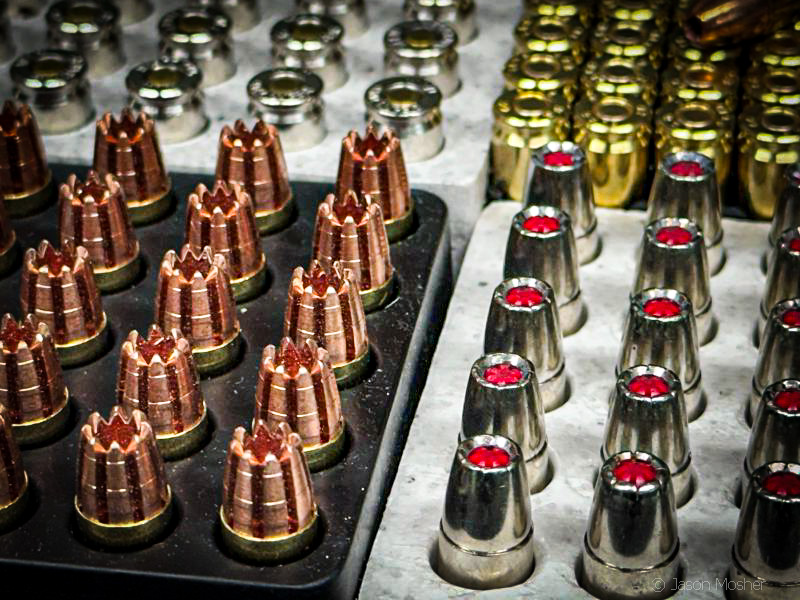
When you combine this with the shared Glock magazine, you simplify ammunition logistics even more. Both firearms will use the same bulk ammo supply.
I recently watched a video of a guy arguing that .22 firearms and ammo were the best thing to have for a doomsday scenario. This is because you can carry a lot of ammo without taking up much space, and some firearms, like the 10/22, are reliable. For me, however, the 9mm is a better choice for this line of thinking. It is more effective than a .22, but still smaller than rifle rounds.
Should a doomsday event occur, I’ll be using my 5.56 and .300 Blackout rifles. But there is still a benefit to having a wide assortment of 9mm firearms, ammo, and mags that work together. Should rifle ammo become scarce, I would prefer to be left with 9mm firearms as opposed to .22 caliber firearms.
Final Thoughts: Consolidating your Gear Setup
When you start talking about the benefits of owning multiple PCC’s and other firearms that use Glock mags, some jump to conclusions. I’m NOT saying you should only own 9mm firearms or only firearms that use Glock mags.
What I am saying is, there are distinct benefits of owning multiple firearms that use Glock magazines and 9mm ammo. It’s perfectly fine to have different firearms for different purposes. But for the shooter who wants to eliminate gear clutter and optimize their ammunition budget, it makes perfect sense.