
Mission dictates gear, and skill dictates tactics. Other factors come into play with planning, but those two statements are generally accepted as true.
When we plan to carry a pistol, we factor in what is necessary to conceal it. Our clothing should be selected to work with the firearm more so than choosing a firearm that works with our clothing. Some clothing options afford greater concealment, but they may not be as practical in a given scenario or climate.
In a perfect scenario, we could wear what we want wherever we want, but the reality is, we must conform to the world around us, not the other way around. The clothing we select must balance hiding the firearm(s) we carry with being easily defeated to access it.
Rather than reviewing every clothing item in our closet, it is easier to focus on certain concepts that can be adapted to anything we wear.
One Layer of Concealment
At the time of this writing, it is 18° F outside, here in North Carolina. While this temperature doesn’t bother me too much as a Native New Englander, I do have to throw an insulated jacket over my clothes, which adds a layer of complexity to my draw.
When my jacket goes on, the shirt that normally conceals my pistol gets tucked in, because problems arise when you clear your jacket and find another garment to defeat underneath it. An untucked undershirt and a sweatshirt can be equally problematic.
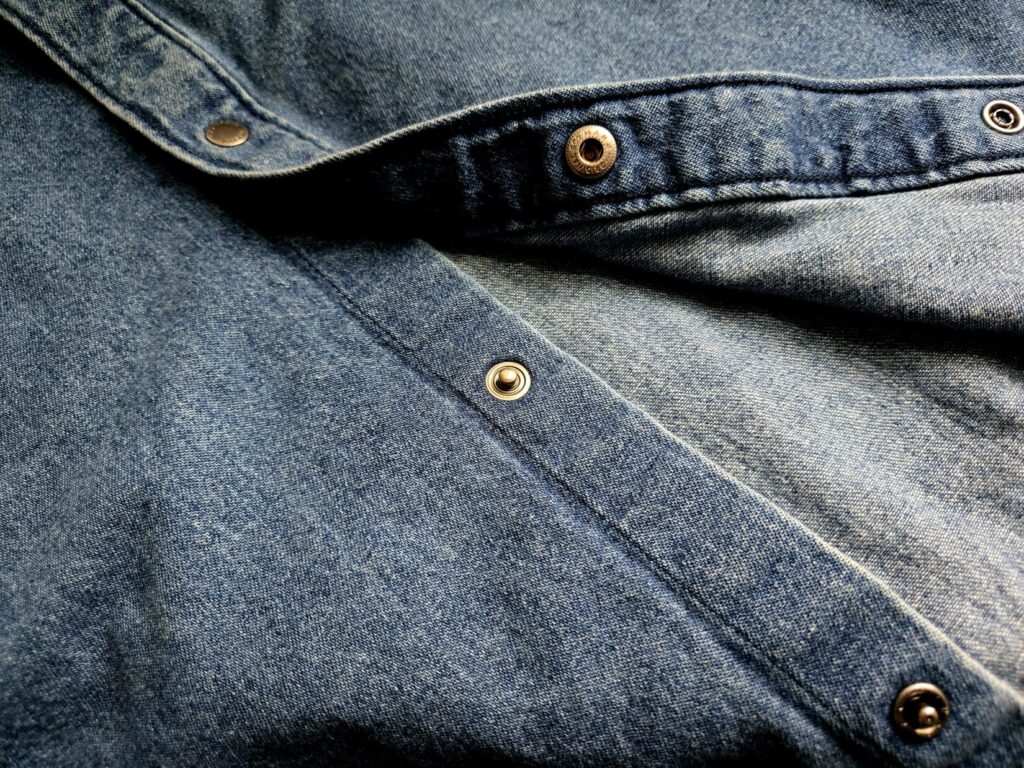
This concept applies even to a buttoned-up shirt worn with an undershirt. The same is true for a single T-shirt against bare skin. Defeat one layer. Don’t set yourself up for failure.
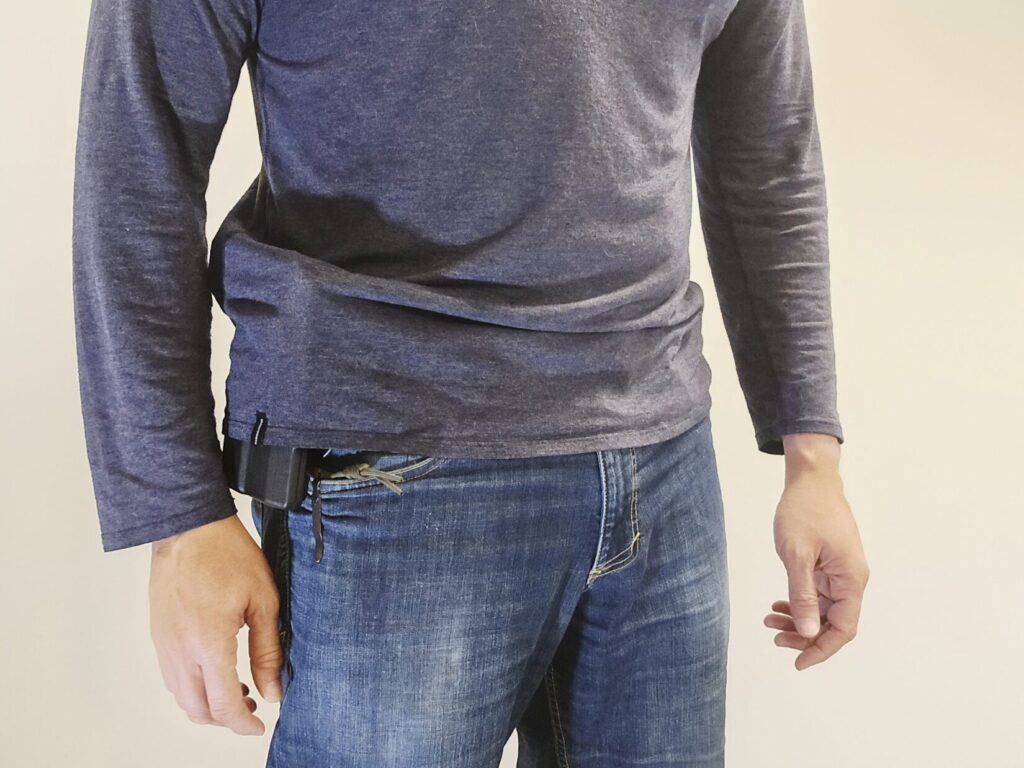
Assuming you do end up stuck between layers of clothing, you don’t need to go into buffering mode. Even a striker-fired pistol will fire once from high index before it may experience a malfunction.
In 2018, during a force-on-force class with Amtac Training in Maine, I decided to “fight through the problem” and went home in a shirt with a hole in it. I created a new hole and then stretched it as I punched the muzzle through it and continued to fire.
Quick Shirts
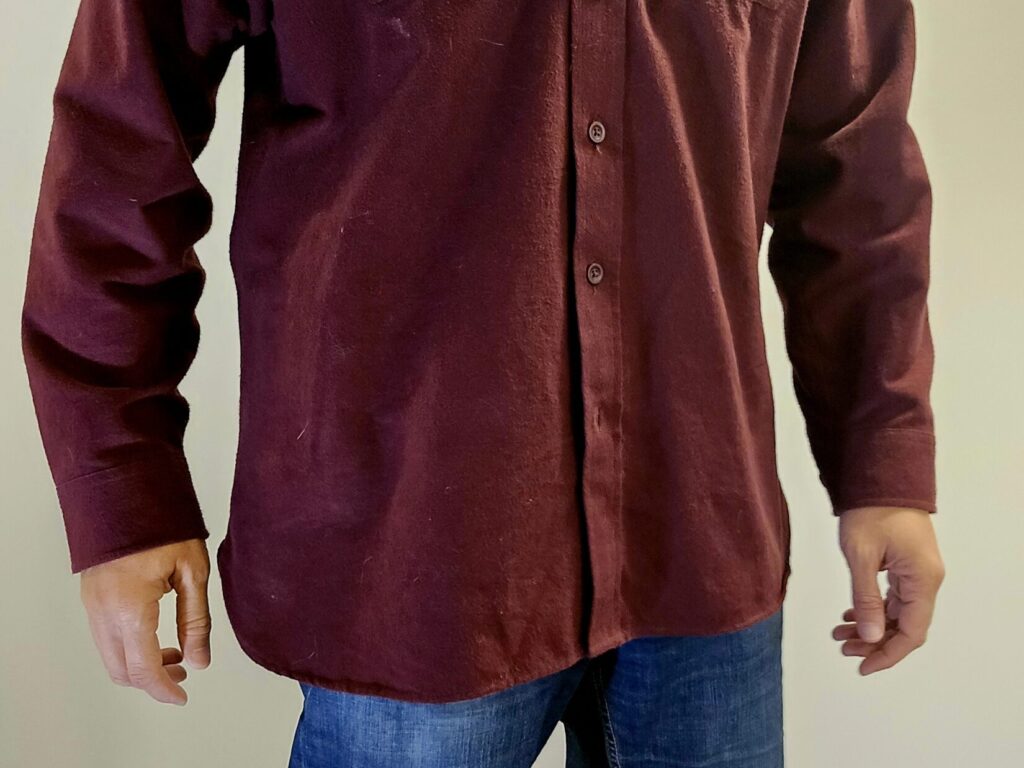
Clothing choices can be evaluated for performance, such as speed. This sounds strange since most would consider the person wearing the clothes to be the determining factor of how quickly a shirt can be moved out of the way. However, take into account what makes a shirt more user-friendly.
Some shirts are cut longer than others, and some shirts have a more noticeable bottom hem that is easier to grab. Other shirts have a more tapered body for a fitted appearance, while others bow outward. A good one-hand draw that runs the centerline of your body and over to the master grip of the pistol can help determine if a shirt is a “quick shirt” or if it is one that will hamper your presentation.
Concealment Vests
In the late 1990s and early 2000s, the Royal Robbins company made one of the most widely recognized concealment vests on the market. That vest blended the looks of a photo safari vest with the needs of the private military contractor.
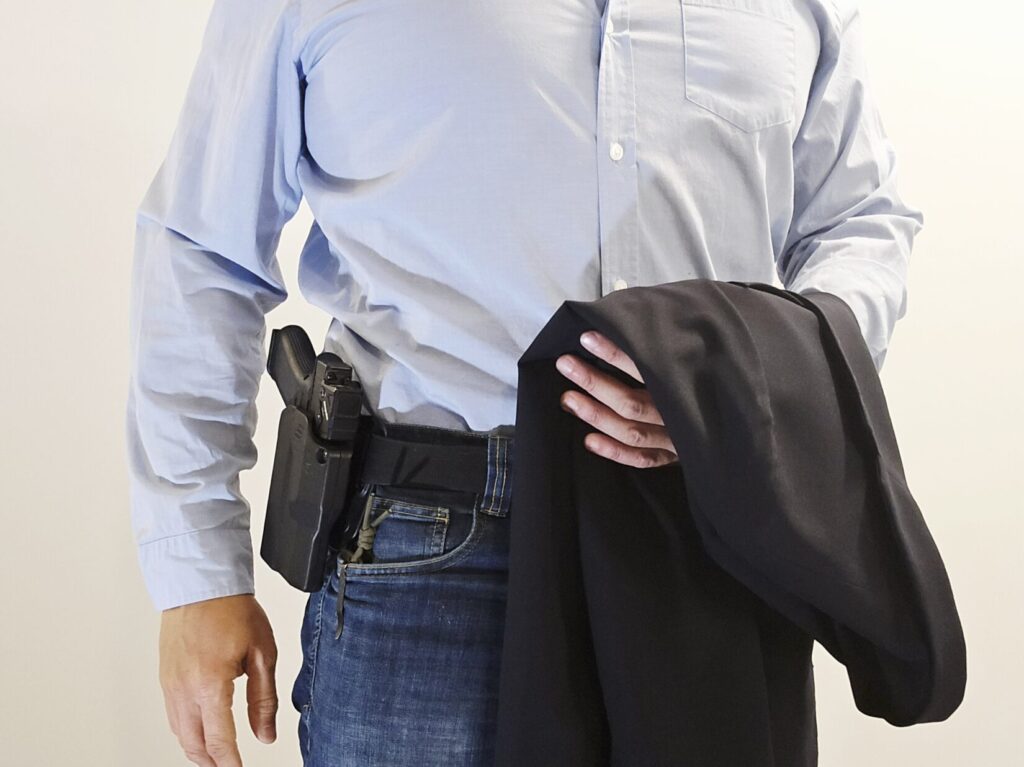
Today, companies like SCOTTeVest, Sleeping Indian Wool, and Kuhl all have vests popular with those who conceal carry. Vests offer the wearer the ability to conceal larger firearms as they typically drape over the body more loosely than a shirt. If insulated, the fill offers more depth to hide larger grips, giving the wearer more capacity.
Vests can also be used to carry additional equipment needed in the field, with the weight of that equipment distributed over the shoulders and torso. A benefit of the concealment vest is the ability to store equipment at the end of the day and quickly don that vest with all important gear at hand. A drawback is getting lost in the myriad of pockets, which requires the user to create consistency in where certain items are carried.
Support
An overlooked component is the amount of support the clothing offers to conceal the firearm. The most critical accessory one can wear to help conceal a handgun is a stiff belt. This statement can be tested by wearing a firearm against the body with just the support of a belt with lightweight clothing, like sleepwear or swimming trunks worn over it.
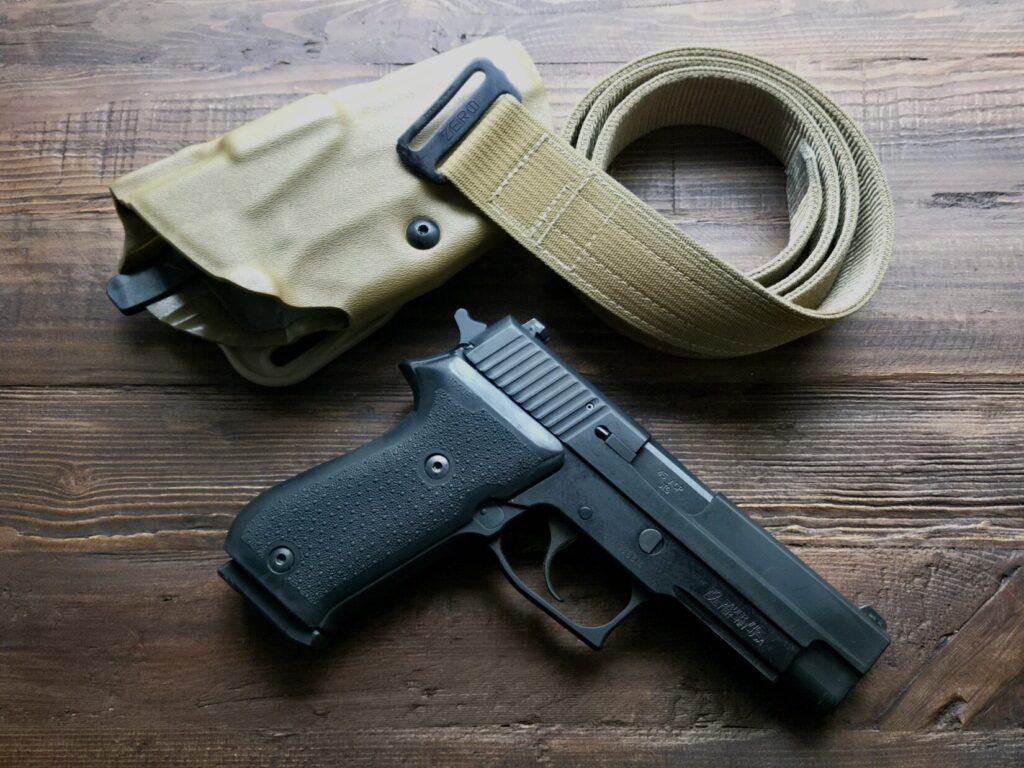
A proper pistol belt isn’t just strong from end to end along the length, but also difficult to compress or twist the width of it. A proper belt should match the width of the belt loops or clips attached to the holster body. It should also have small incremental adjustments, as traditional holes in belts may offer too loose or too tight settings with no middle solution.
Support can be defined as “securing” or it can be defined as “reinforcing”. When we carry a spare magazine on the “support side”, we typically carry it on the belt or in the pocket. Some pants are better designed to carry support magazines.
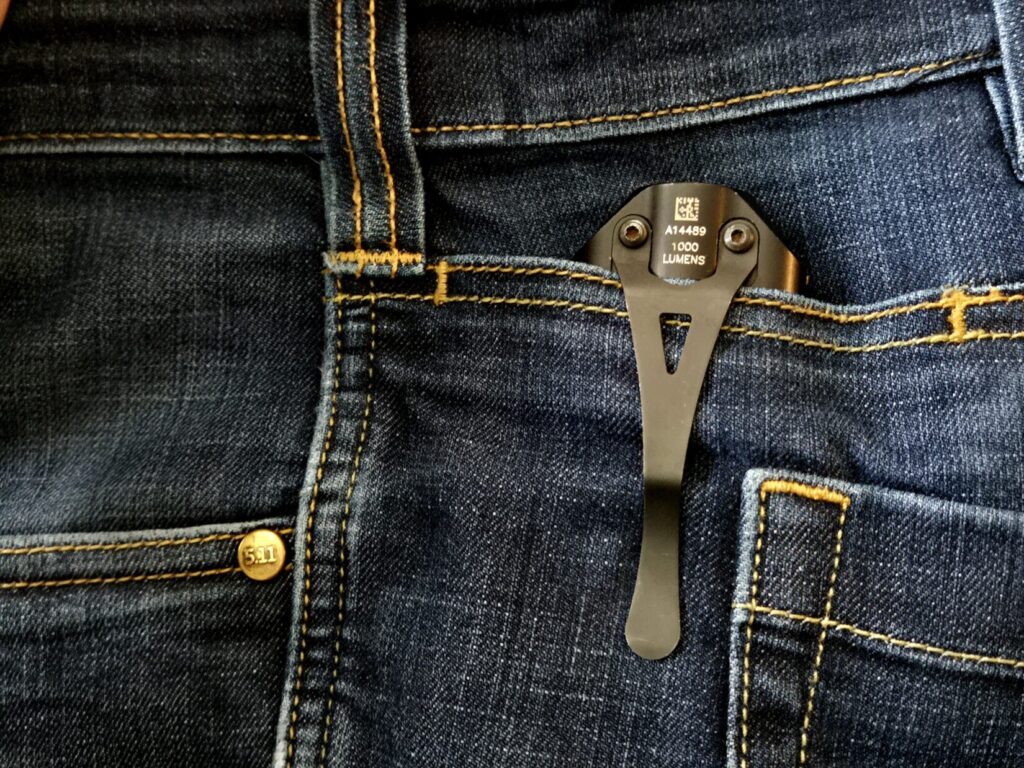
When assessing pants for support purposes, consider the depth of the pockets as well as the placement and angle. Some pants have hidden pockets that run closer to the belt line with openings that are easier to conceal. Other pants have thigh cargo pockets with internal elastic loops and tunnel pockets.
Factor in the distance the pockets are from your two-hand grip, and remember the shortest distance between two points is a straight line. Some refer to pocket placement as “pocketology”. Some would call this level of analysis overkill, but the professional understands the tools in front of them and exploits any advantage possible.
Casual vs Formal Attire
There are some who dread having to dress up for an event. The thought of wearing a dinner jacket or dress pants may offend those used to a comfortable pair of jeans, hiking boots, and a well-worn T-shirt.
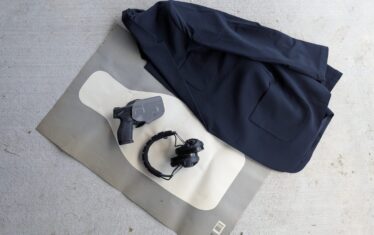
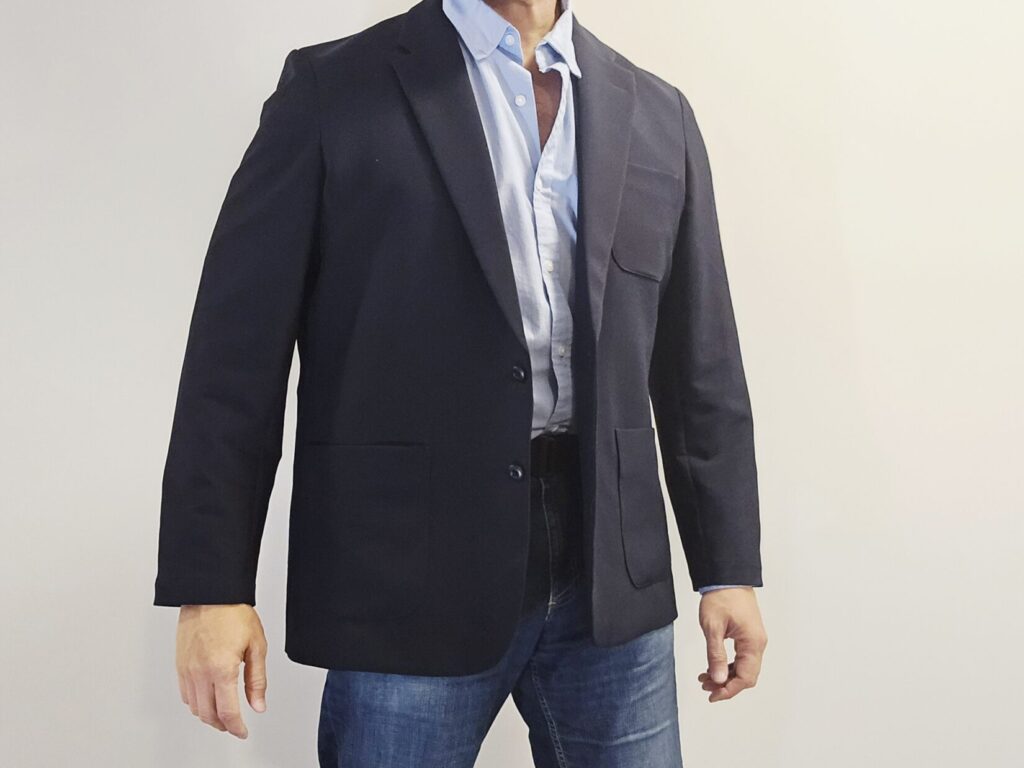
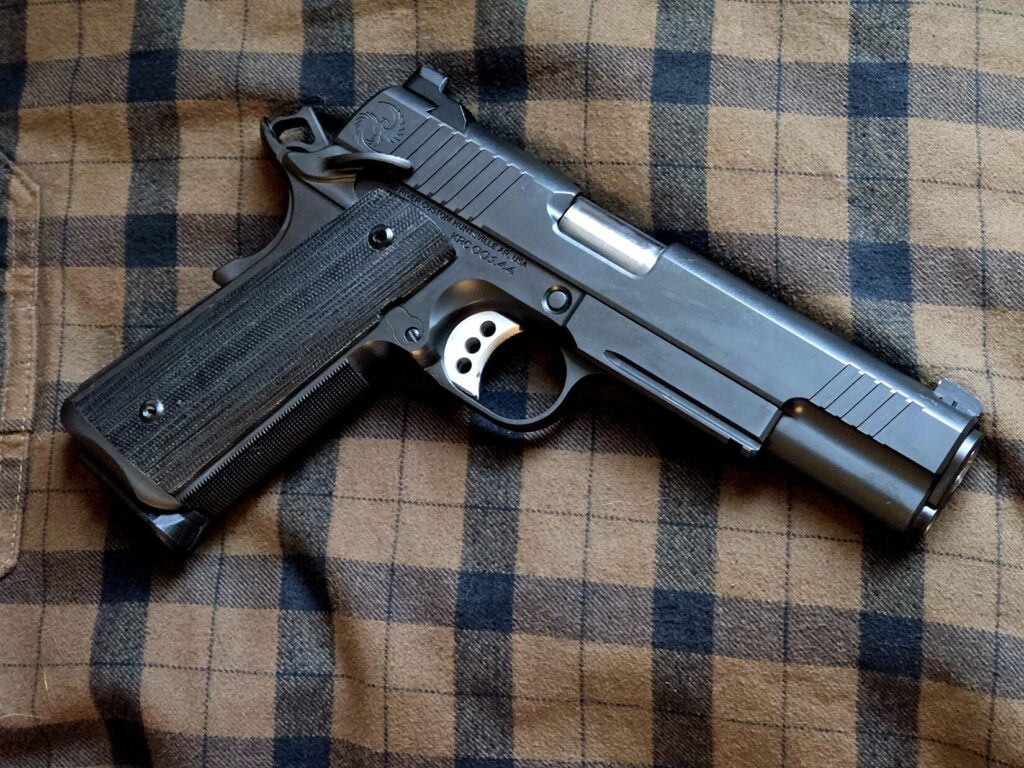
Formal attire provides advantages in certain ways and limitations in others. As mentioned, a sports coat provides concealment for a belt or shoulder-worn holster while also changing the way the person wearing it is evaluated.
Certain brands of athletic cut hiking pants, low cut trail running shoes, “operator” hats, and logo’ed T-shirts are far from the “gray man” concept despite the appeals of the person wearing them. I feel it is safe to say there are more people carrying while wearing casual attire than those in formal clothes, yet both exist in society.
Before everyone runs off to purchase a 5.11 Founders Jacket, keep in mind that formal clothing is often less insulative and sometimes more restrictive for movement. Formal clothing also needs to fit into the environment. Always consider the baseline of what others are wearing and attempt to match your clothing options to that.
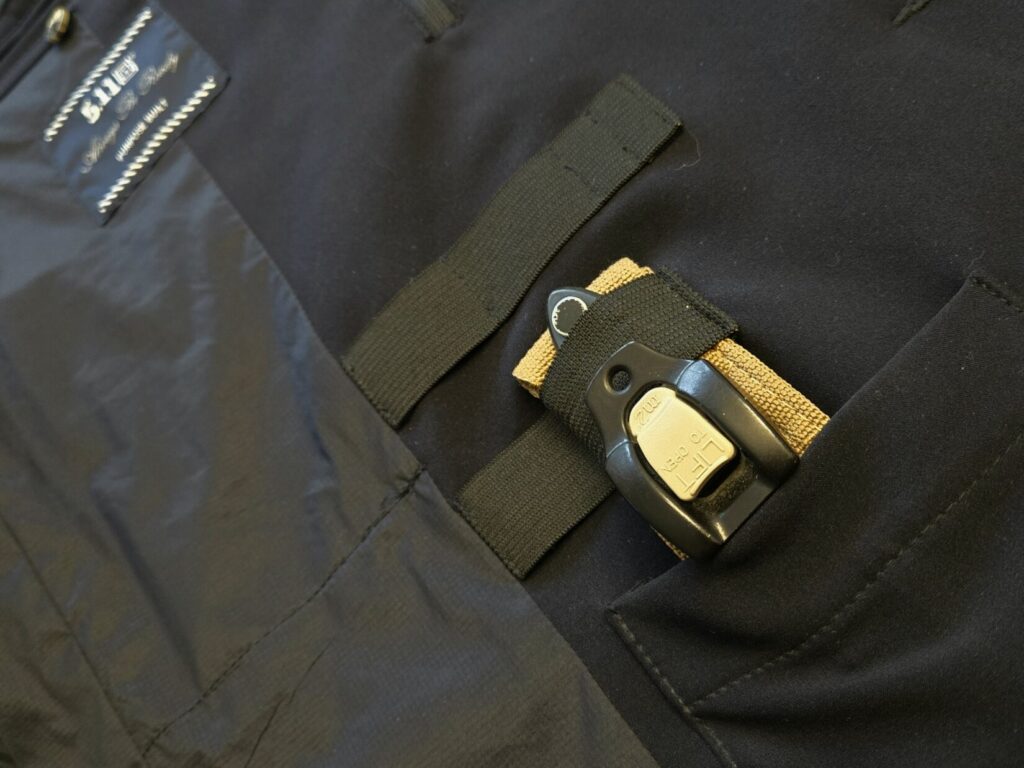
I have additional thoughts on clothing and the purpose of concealment that I’ll reserve for a later article. For now, these ideas should serve as a primer for evaluating your current closet of shirts, jackets, pants, and more.
Since your life and the lives of those you care about are on the line when you make the decision what to wear, being this critical isn’t paranoia; you’re just being a professional.