
I always tell people to train with as many vetted, quality instructors as possible who have real-world experience in the specific area you’re targeting—whether that’s self-defense, duty, or competitive shooting.
If your goal is simply to excel at competition, train with someone whose primary focus is competitive shooting. However, high-level competition skills don’t automatically translate to gunfighting, no matter what an Instagram-famous Grand Master claims for marketing purposes.
If you’re looking for self-defense or duty application, seek out instructors who have been in real-world engagements. Once you find an instructor and take a class, take notes and practice what you learned. But it doesn’t stop there—find your next instructor and repeat the process. If your budget allows, try to take at least one class with a different instructor every year.
Why Train With Multiple Instructors?
There are several reasons. First, taking a class can feel like drinking from a firehose. You might hear a key point during instruction, miss adding it to your notes, and only remember it once you hear it again in a future class. Second, most people need to hear a concept multiple times before they fully absorb and integrate it into their training.
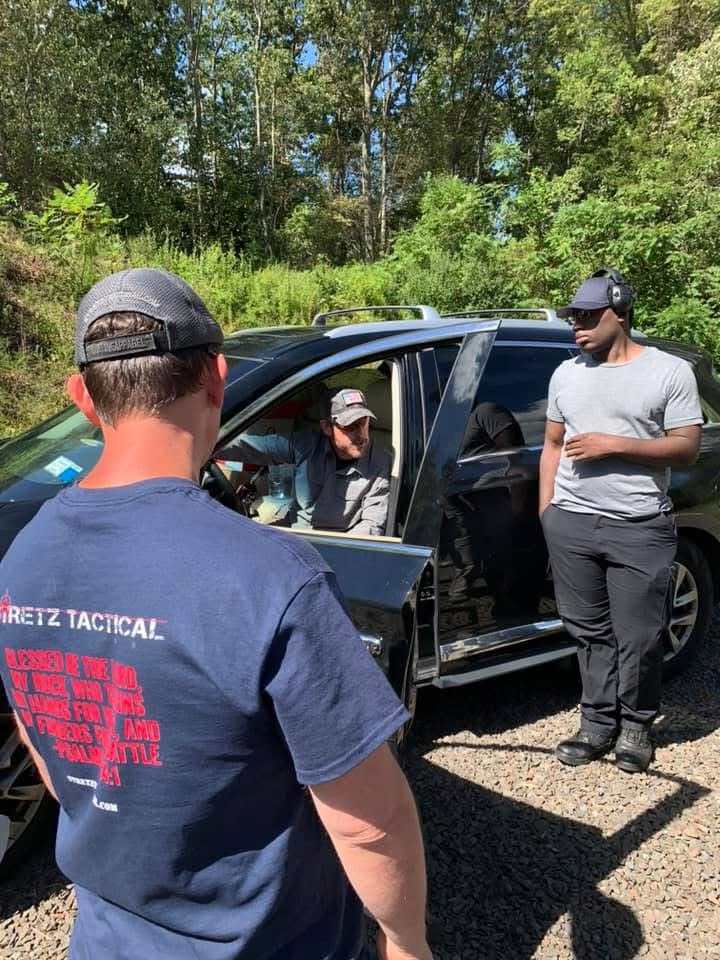
Next—and arguably most importantly—not every instructor is a great teacher. Even solid instructors can struggle to explain certain topics as effectively as others.
Then there’s perspective. A one-tour infantry combat veteran will have a vastly different outlook than a multi-tour Tier One operator, and both will likely differ from a street cop. Even within law enforcement, an officer with one or two shootings under their belt might view things differently than someone who has survived over a dozen gunfights—like NYPD legends Ralph Friedman, who was involved in 15 gunfights, and Jim Cirillo, who was involved in more than 12.
What if you could train with multiple instructors simultaneously? You can, through collaboration (or ‘collab’) courses. This is not a new concept—I took my first collab class around 2016 with Larry Vickers and Ken Hackathorn. Training with them didn’t just mean learning from two industry legends; it gave me direct access to both a Tier One Special Operations Combat Veteran (Larry) and a seasoned military and law enforcement gunfight veteran (Ken).
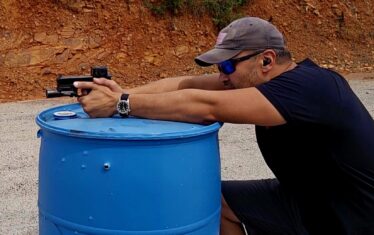
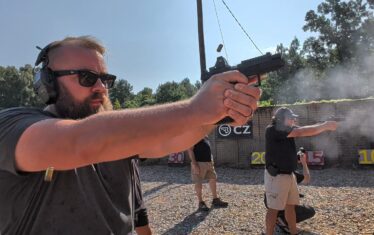
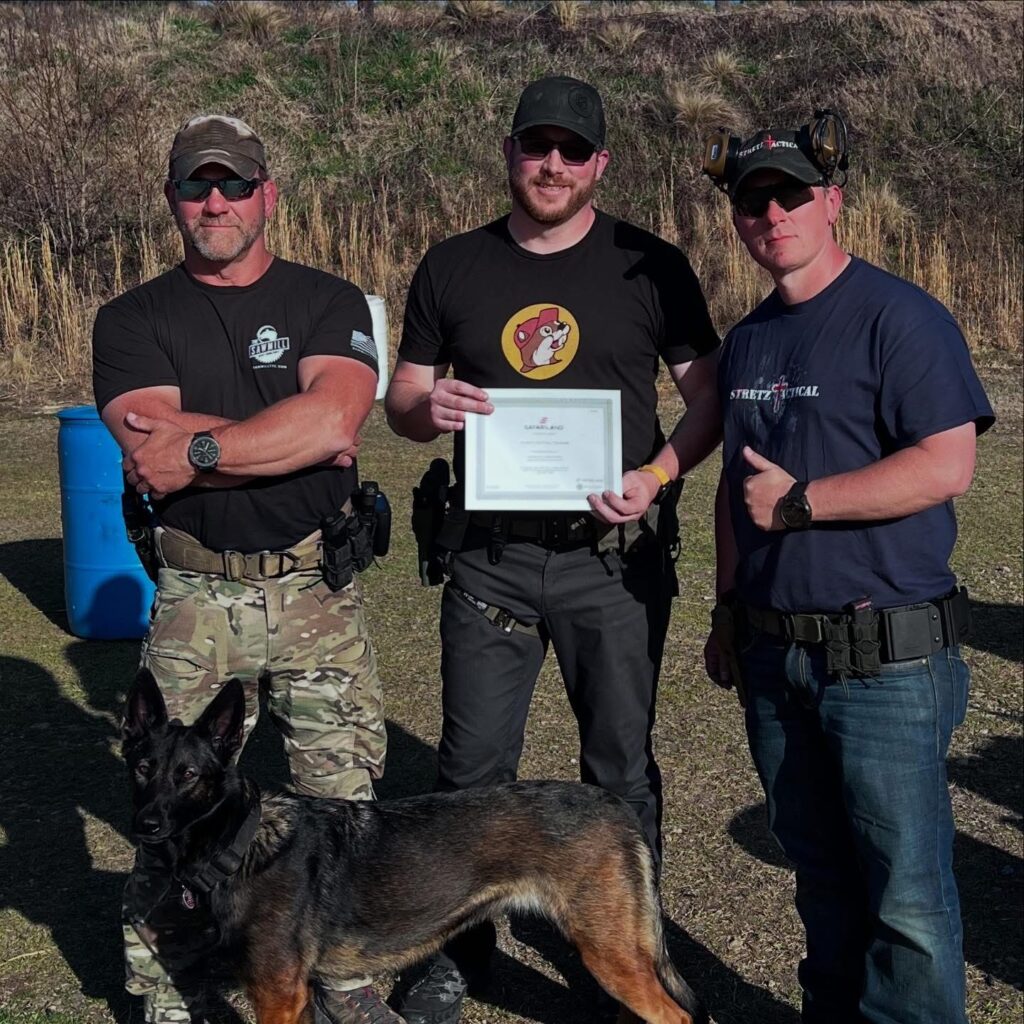
As the owner of my own training company, Stretz Tactical, my first collab course was a two-day pistol class back in 2019. I co-taught it in Wallingford, CT, alongside fellow CADRE Dispatch contributor and Safariland CADRE member Rick Hogg of War Hogg Tactical. We followed that up the next year with a two-day concealed carry skills course. A few years later, I teamed up with Chris ‘Dutch’ Moyer of DCM Consulting to host a two-day collab pistol class in Laurens, South Carolina.
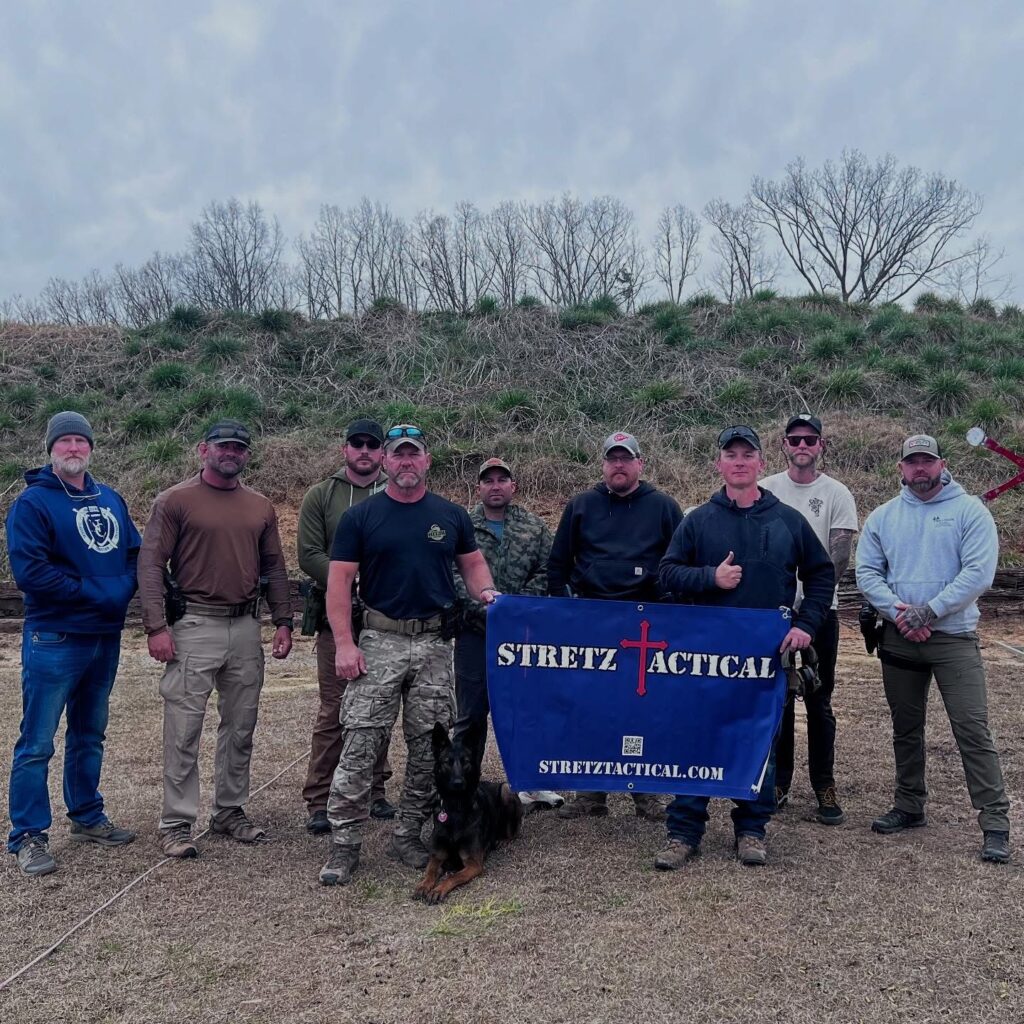
In my experience—both as a student and as an instructor—the benefits of collaboration classes are twofold.
First, you get two distinct perspectives. In the classes I co-taught with Rick and Dutch, much like the one I took with Larry and Ken, students gained insights and real-world viewpoints from military and law enforcement veterans who have actually been in real-world engagements.
Second, you get a ‘hybrid’ course that blends the strengths of both instructors. It serves as an excellent preview, giving you a clear sense of whether you’d like to pursue multi-day training with either instructor individually
The “collab class” breakdown
Every pair or team of instructors handles collaboration classes differently, depending heavily on the curriculum, teaching styles, and facility layout. Some bounce back and forth as the lead instructor throughout the day, while others split the class across separate bays and bring everyone back together at the end. My preference is to meld the curriculum up front and assign primary teaching blocks for each morning and afternoon.
That doesn’t mean the off-block instructor disappears—far from it. They chime in when they have extra value to add, and they walk the firing line to provide hands-on coaching and corrective actions. They act as far more than just a typical assistant instructor, remaining fully engaged even when they aren’t leading the current block of instruction. That level of active dual instruction gives you significantly more bang for your buck—pun intended!
That’s exactly how my collab courses with Rick and Dutch were structured. In both cases, we fed off each other’s strengths and seamlessly bridged the gaps between our respective backgrounds. Just like in my solo courses, we used a stair-stepped approach to training—the classic ‘crawl, walk, run’ methodology has always proven to be the most effective way to retain skills.
That was also my direct experience as a student in Larry and Ken’s course. All three of the collaboration classes that I co-taught were exceptionally well received and earned fantastic feedback from students.
Beyond Two-Day Collabs: Multi-Day Training
There are other collaboration events—or ‘collabs’—that span three to five days and feature multiple instructors. Some, like the Defense Technology DEFCON26 law enforcement conference (September 21–25, 2026, in Orlando, Florida), are better categorized as full-scale training conferences. They offer diverse subject tracks, including instructor certifications, allowing you to tailor your schedule to your specific needs.
Events like DEFCON26 often feature evening social events with food and a cash bar, giving you invaluable opportunities to network with law enforcement, military, and industry professionals from across the globe.
Regardless of the venue or format, if you find a team or group of instructors offering a collab or conference, I highly encourage you to sign up. Whatever you do, get out there and train!