
Talk to ten different people about what to look for in a flashlight, and you’ll get ten different answers.
There are many perspectives to draw from, including those from law enforcement, utility work, everyday carry, gadget gurus, and sportsmen. All of these types use lights for their needs, but their needs may not be the same as yours.
Rather than chasing the needs and requirements of others, let this serve as a guide to considerations you or anyone else should take into account when selecting a light for general everyday use.
This won’t be a dedicated guide on defensive or utility lights, but rather an overview of many features of lights that could end up being similar to the one you select.
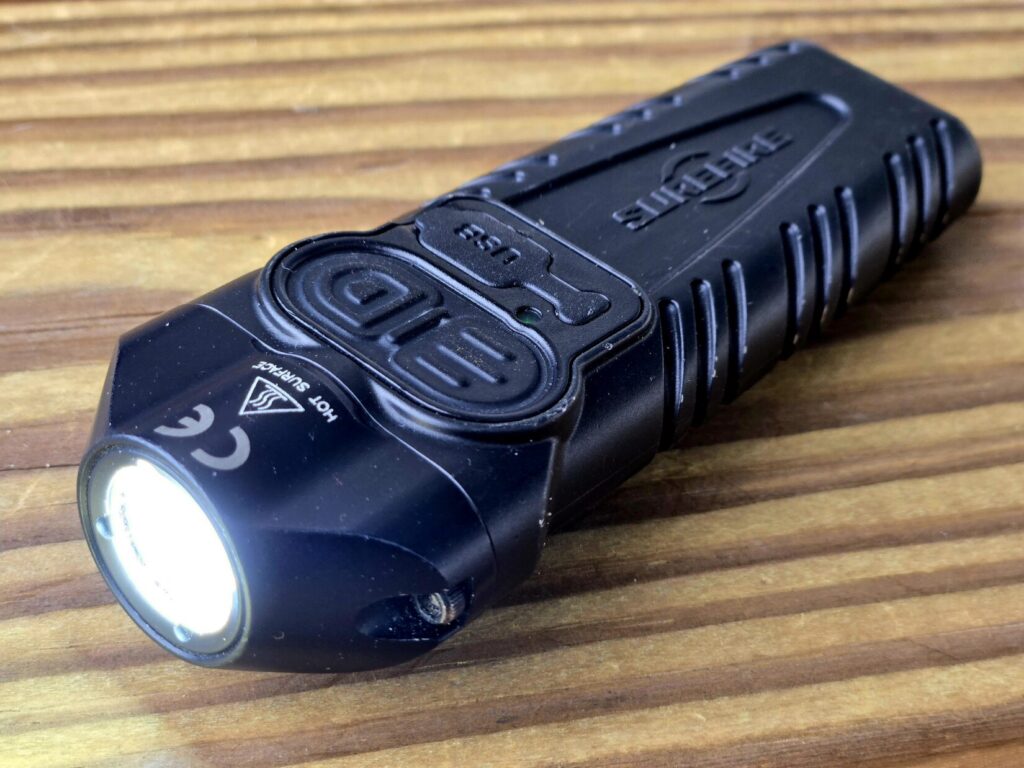
“Buttonology”
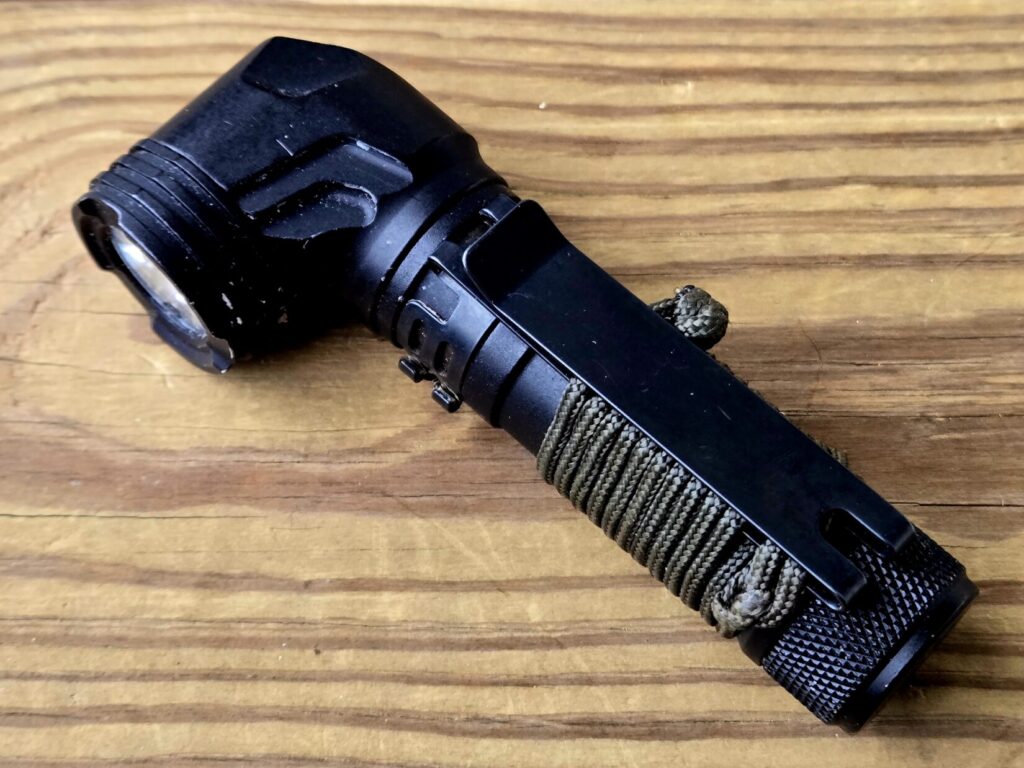
Most modern flashlights are activated by depressing a button. This is located on the barrel of the light, the bell, or the tailcap. Depending on the buttonology (where the button is placed), you will hold the light like a television remote control or an icepick.
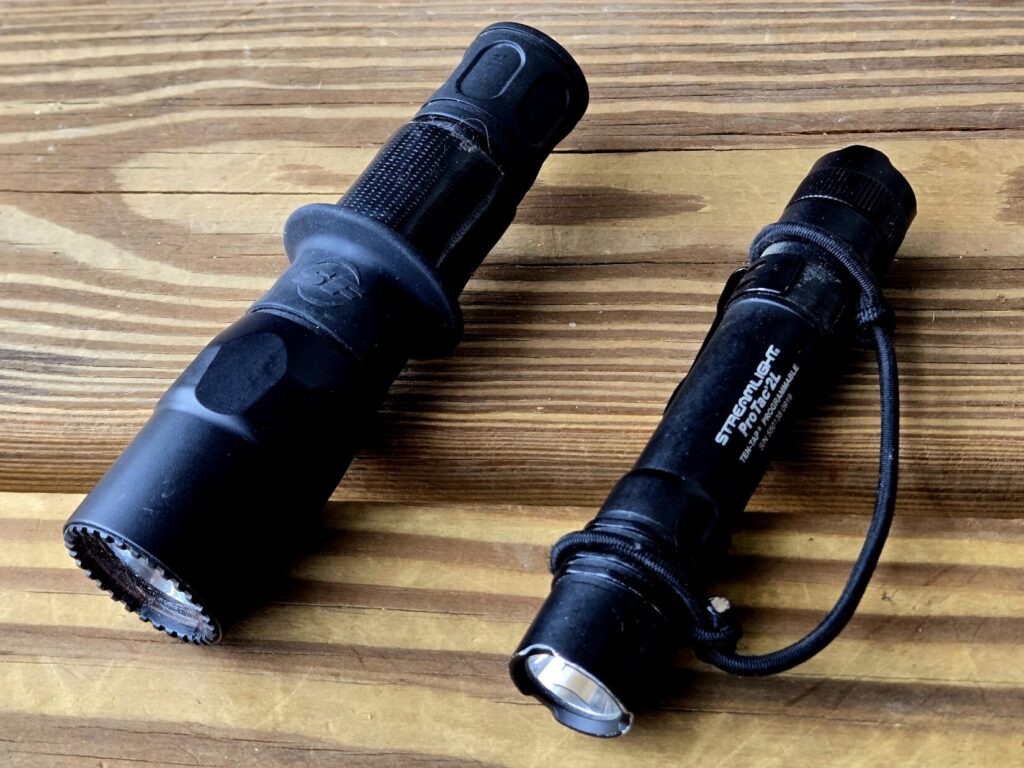
Some lights have both activation buttons and different light outputs, depending on how the light is held. Lower output is typically found in the remote control grip, while higher output is found in the icepick grip.
How your light’s activation button is configured will factor in how you use your light with a handgun. Traditional handgun flashlight techniques include the Harries, FBI, neck index, and the Rogers/Surefire method.
Run Time
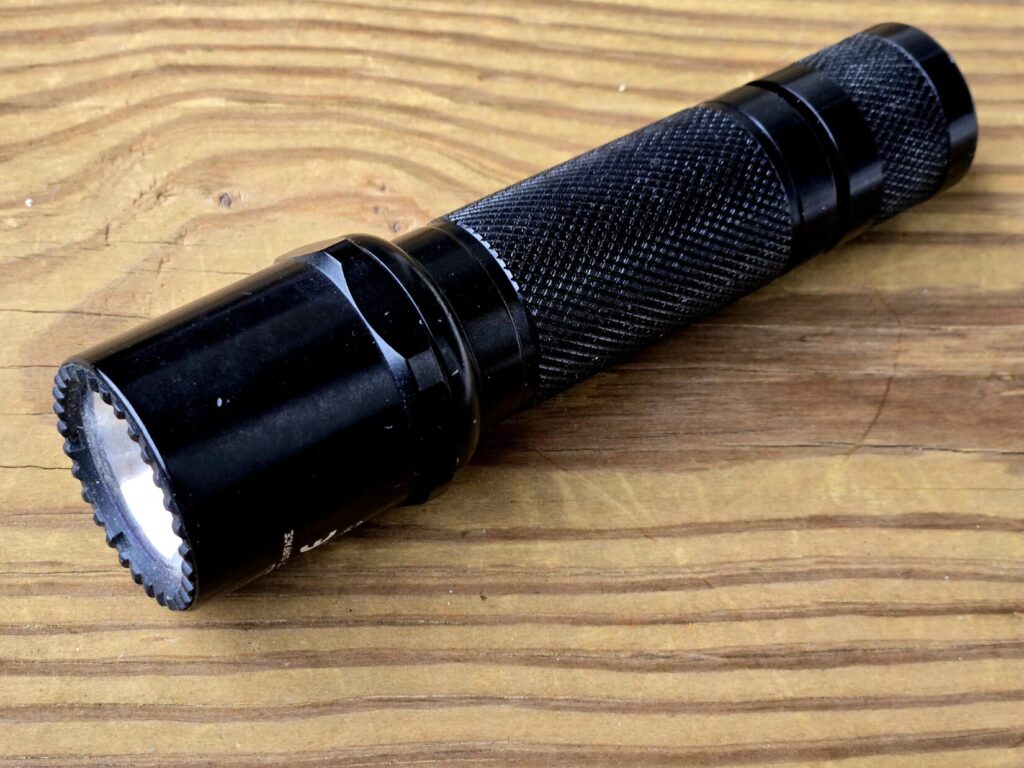
When selecting an EDC light, you have to consider the amount of time that light will run at peak brightness and what you are using it for.
Utility lights that have a moderate output will typically run for a longer time than those meant for extreme life-threatening encounters in defensive scenarios. Some small LED squeeze lights and AAA single-cell lights are low output and long run time.
Run time matters because you want to make sure you have enough light for enough time. Don’t let a short 20-minute runtime dissuade you from purchasing a light with an incredible ability to “bleach” the eyes of a threat or cast a spotlight a great distance while searching for a downed game animal.
Lumen vs Candela
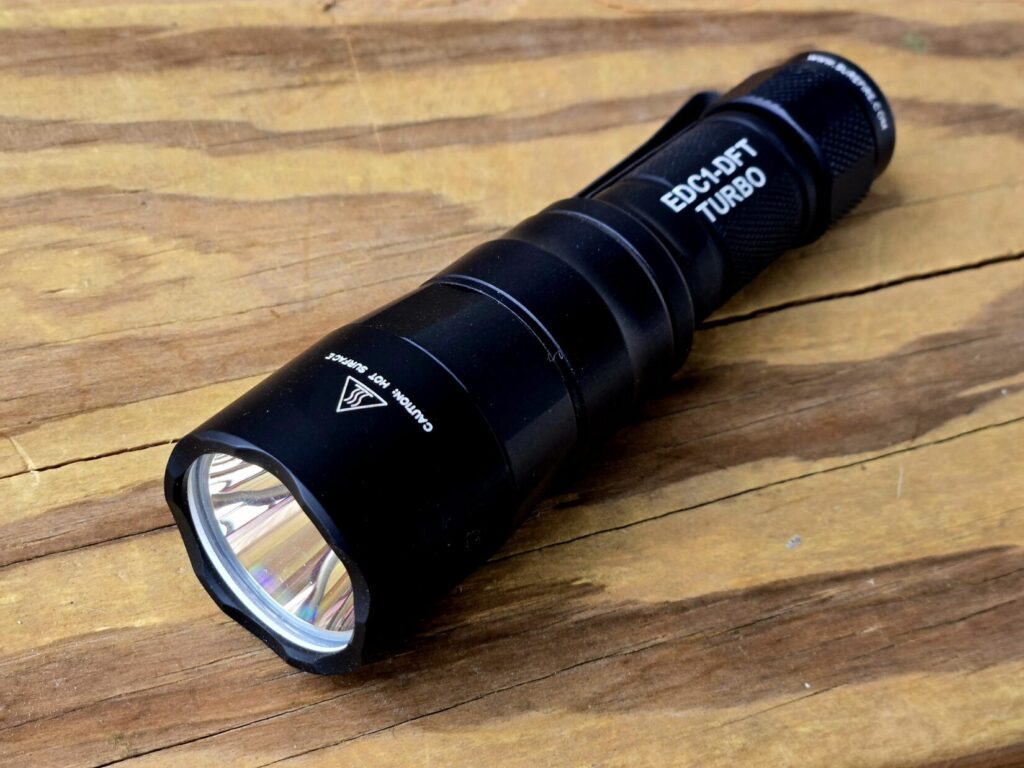
Don’t confuse lumens for candela and vice versa. In layman’s terms, lumens are the total brightness of a light source, while the candela is the brightness at a point aimed in a certain direction.
Lumens are used to sell flashlights, and recent technology has made it easier for many companies to claim a high lumen count. You may need better candela to see further, but you get distracted by lumens. Search out flashlights that have greater “throw” if that is what you are looking for.
Spot vs Flood
There are two types of flashlight beams commonly referenced: the spotlight and the floodlight. Much like a larger counterpart used on stage and in search and rescue, a spotlight throws a concentrated beam. A flood light has less of a “hot spot” and more of a uniform pattern of light over a larger area.
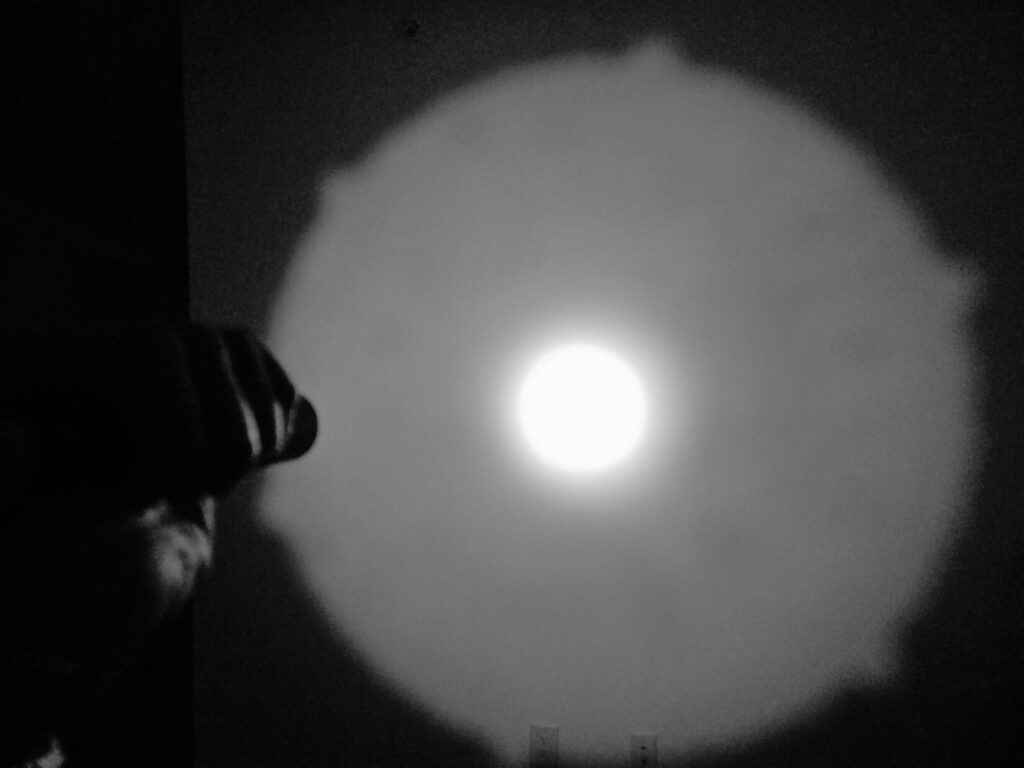
Most small, personal-sized lights will have a combination of the two. There are advantages and disadvantages to strong spotlights, and the same is true of lights with great flood capabilities.
Some lights can toggle between the two with multiple clicks of their buttons or twisting of the bezel. The trick is finding the light that offers the right amount of light concentrated how you want it.
Energy Source
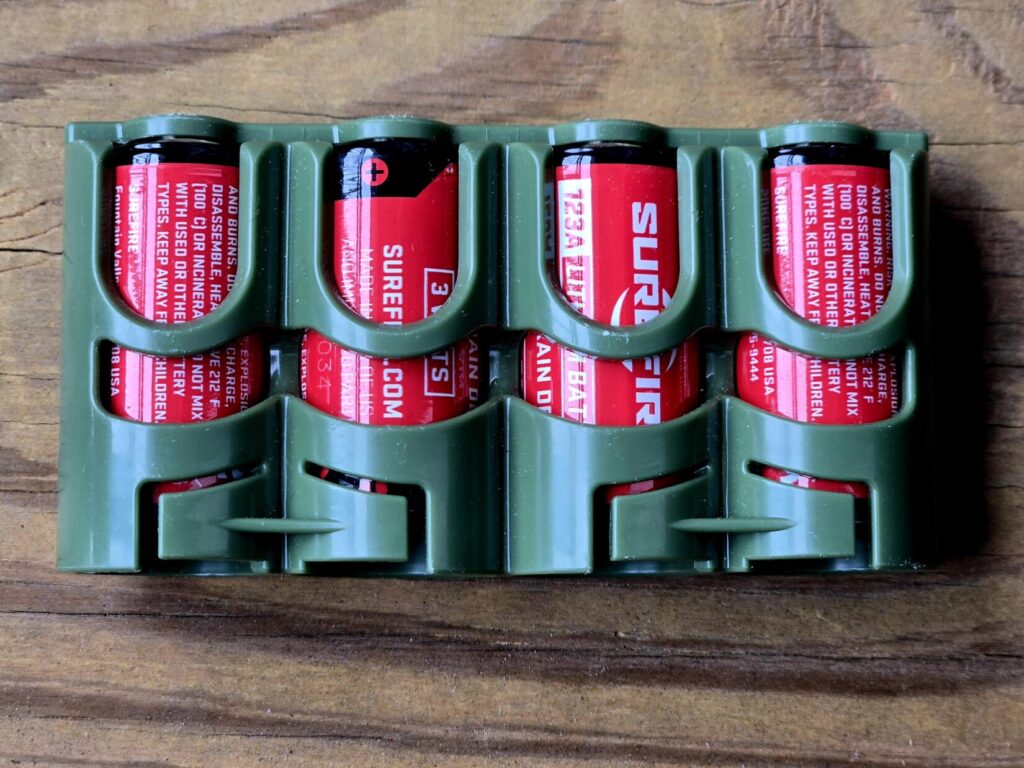
This is not as rudimentary as lithium vs alkaline since lithium batteries have been proven to provide more power. This is rather a consideration of disposable batteries or rechargeable.
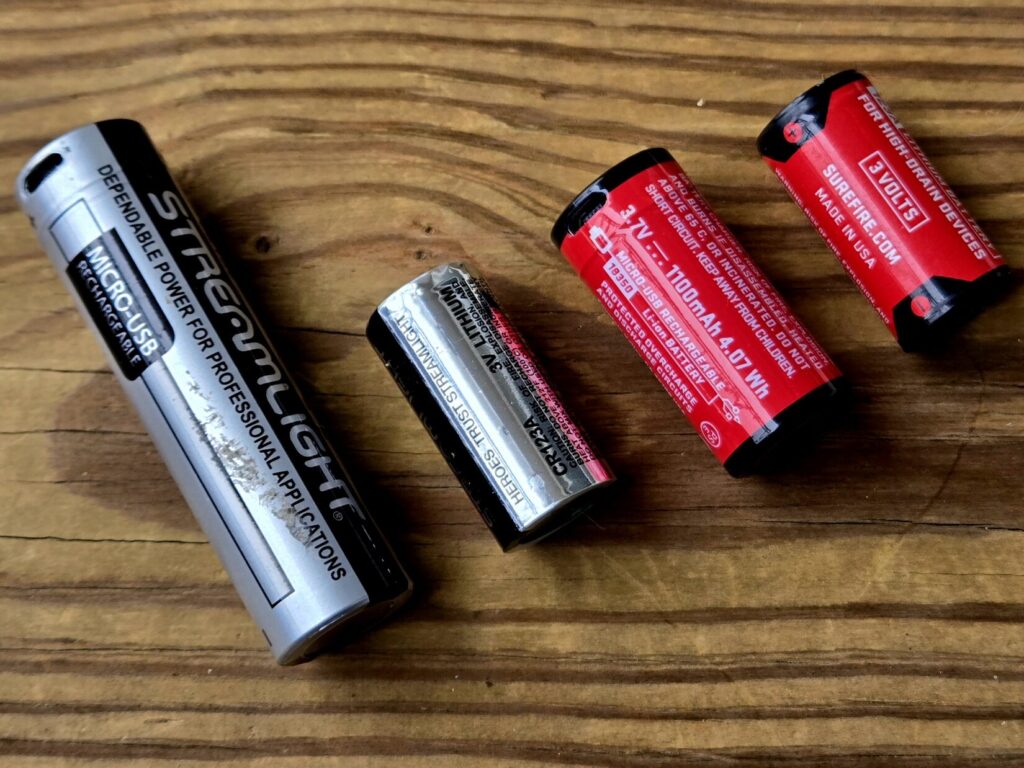
If you have access to a wall jack or USB port, rechargeable batteries make a lot of sense. You don’t have to worry about carrying spares that take up space and cost more to replace over the lifetime of the light.
Then again, if you are traveling where you don’t have access to a charger or where the electrical system is not as reliable, it makes sense to carry a light that can run on multiple batteries. In the zombie apocalypse, as you are clearing a hotel for supplies, you can take all remote control batteries for additional power.
Kidding aside, having a light that runs off of multiple types of batteries may prove to be a selling point.
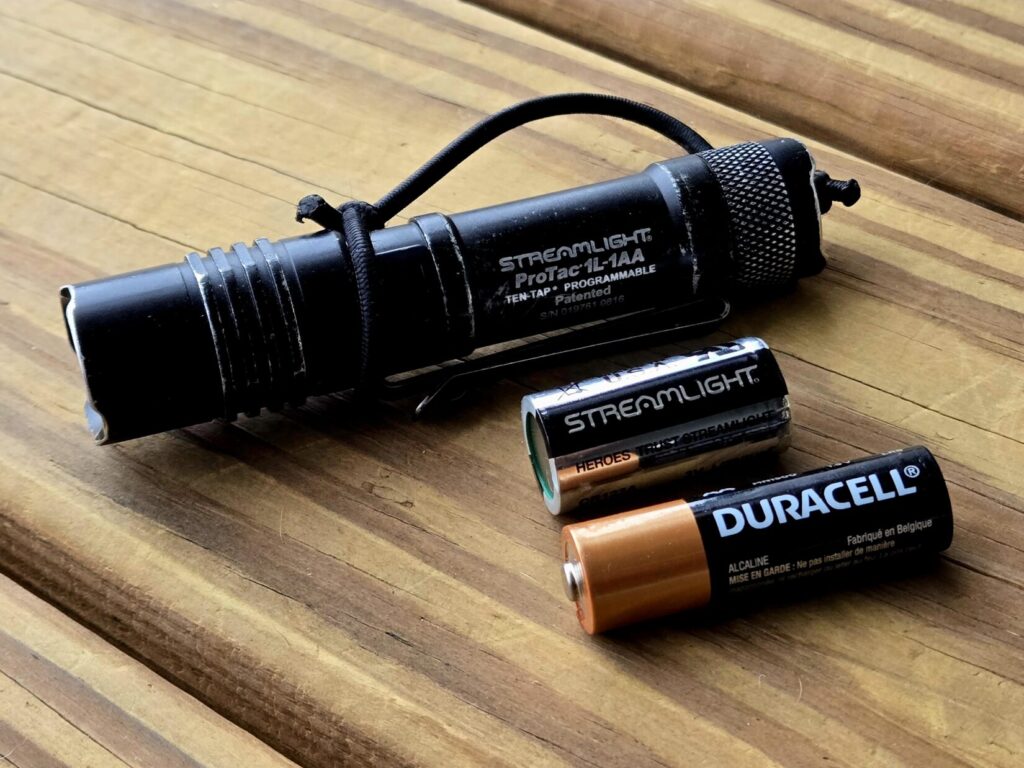
Weight and Space
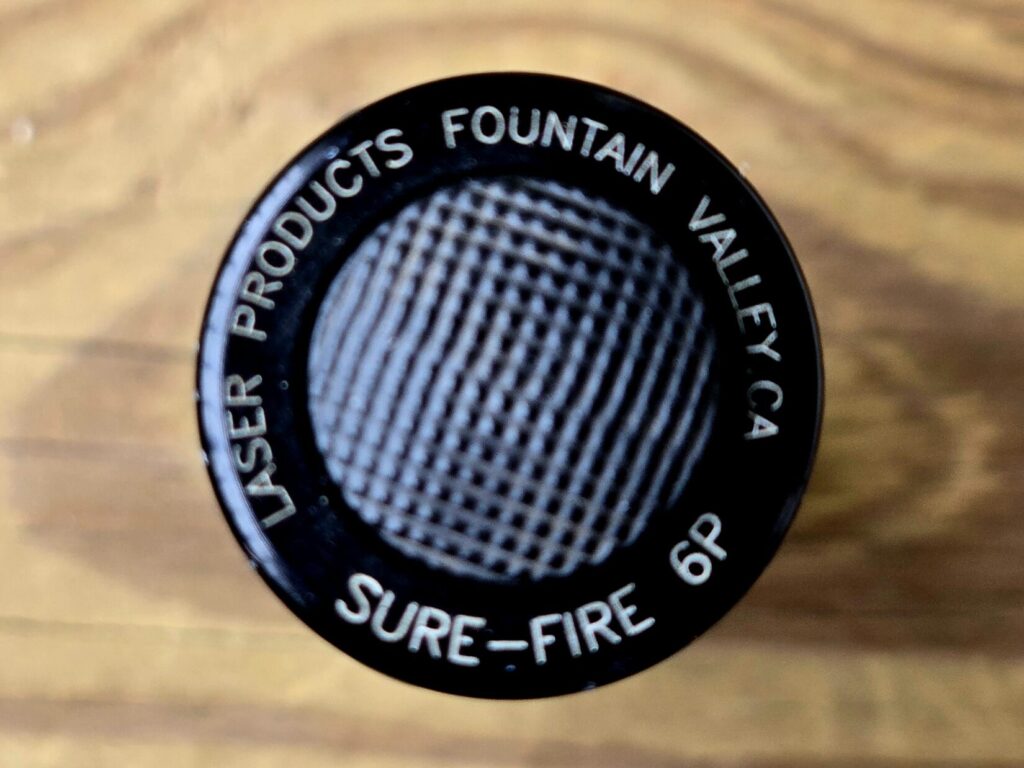
As a teenager growing up in the 90s, Maglite was THE name in the game. Most of us in the outdoor world gauged performance by the baseball-bat-like D-Cell lights. The only option we had for smaller personal-sized lights was the AA Mini-Maglite and the Maglite Solitaire that ran off a single AAA battery. Fountain Valley Laser Products and Streamlight were available but they were considered expensive.
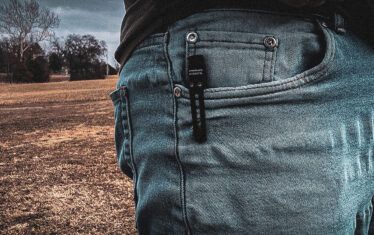
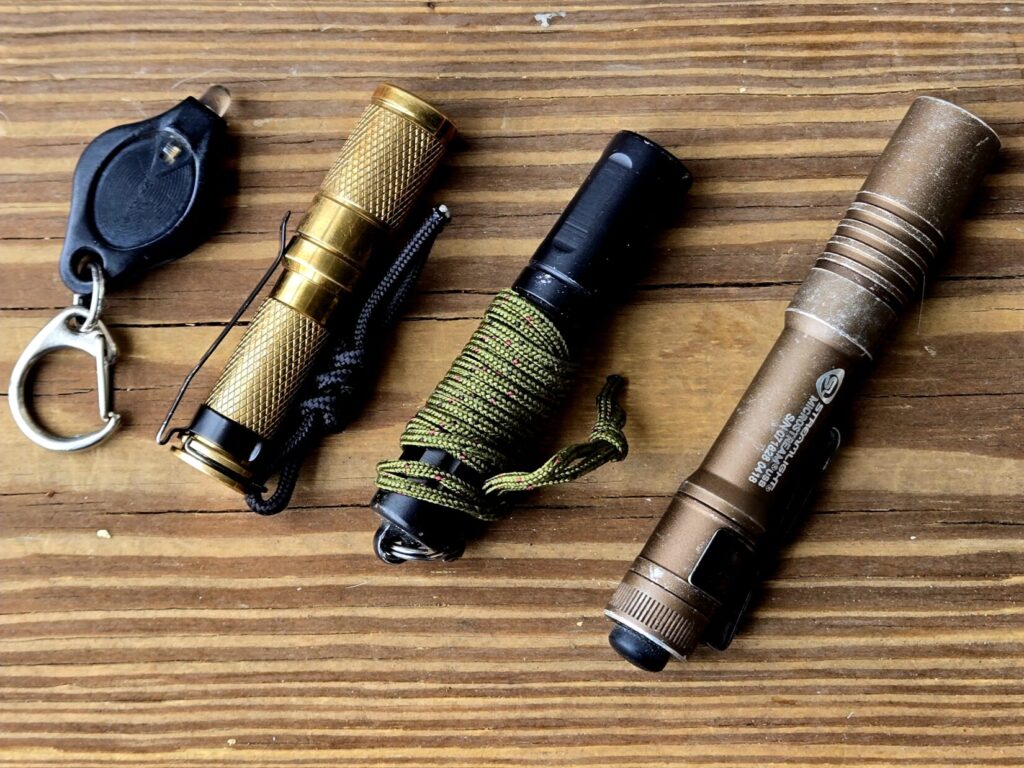
Now, 30 years later, many smaller, higher-output lights outperform the 90s performance of much larger lights. Some of the smallest lights can conveniently fit inside a pants pocket or a small survival tin. These lights may lack the features to make them great for defensive purposes. Others can fit but are carried more realistically on a belt pouch or clipped to a vest.
Certain EDC lights are not as cylindrical in shape but flatter for more streamlined carry. Just like the trend of cell phones getting smaller as technology improves, the same is true of flashlights. While smaller sounds better, smaller can be lost easily, and if the light is used as an impact weapon, it doesn’t have the same mass as a palm load.
Replacement Cost
Universal equipment criteria include all the factors that are universally applicable to the gear you carry. Perfect examples include weight and dimensions. Another criteria is replacement cost.
Let’s face it, flashlights are lost, they are broken, and sometimes they are borrowed and never returned. At some point, you may have to replace the light you lost. Quality flashlights are seldom inexpensive, and if you aren’t careful with your kit, you’ll have to replace it.
Keep this in mind if you experience sticker shock at the cost of a light. Ask yourself if the light is mission essential, if it is worth the investment, and if you’d pay double for it if it is lost.
With any purchase, always be able to explain the reason why. Marketing is a powerful tool, and it will quickly relieve you of the burden in your wallet if you aren’t careful.
We all experience the dark, but what we do in the dark varies from person to person. My needs as an outdoor educator will be different than yours if you don’t train others or travel to where I do.
While we have different needs, we can ask the same important questions and factor in the same considerations. If we rely on our needs instead of our wants, we’ll have exactly the right tool when light is needed.