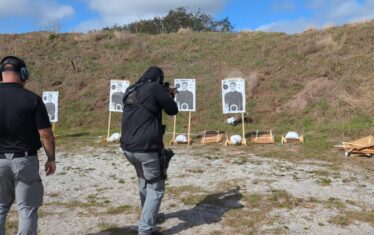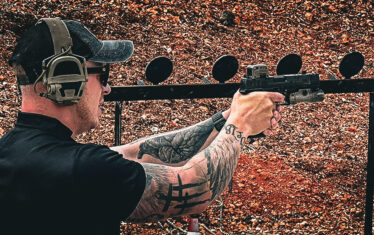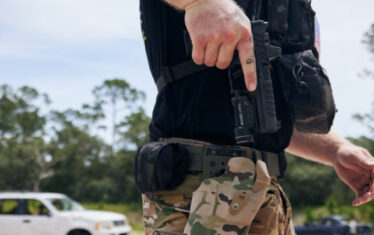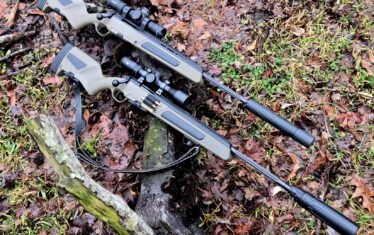

The more time we spend in the field, the more of a toll it takes on our supplies and the equipment we carry. You’ve probably caught yourself saying you wish you had a shower and a hot meal, and perhaps you’ve noticed rust on your rifle or batteries in your electronics starting to die.
To perform better, you have to maintain yourself and your kit. Maintaining yourself is one thing, the subject of taking care of your kit is another, and the focus of this article.
The Big Picture
Stainless steel hunting rifles are popular because they are considered all-weather. Keep in mind, stainless doesn’t necessarily mean “rust proof,” and if you do not maintain your kit, it will start to show.
On a trip to Alaska in 2016, it wasn’t until my friend and I were in the backcountry and verifying our zeros that we realized his rifle barrel was degraded by saltwater exposure. It wouldn’t hold a decent grouping at 100 yards. We agreed to use my rifle back and forth as our solution.
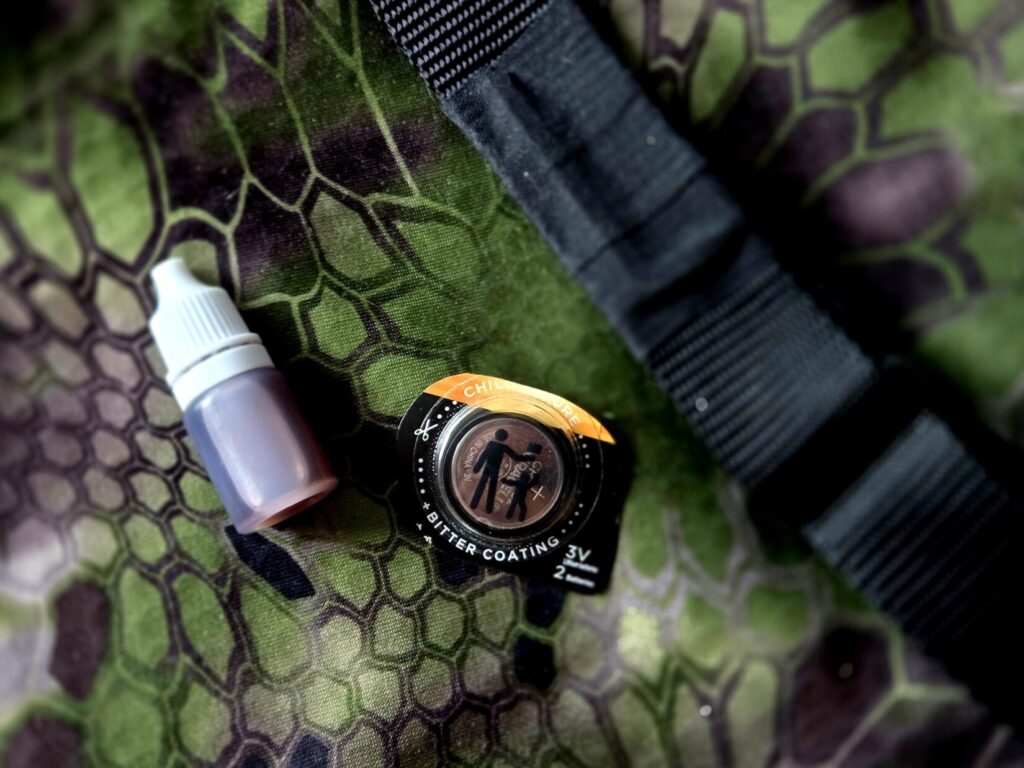
There’s an expression you shouldn’t forget: “Everything works until it doesn’t.”
I have been to multiple firearms classes where someone on the line has experienced a dead optic. In one course, a student used DoorDash to have batteries brought to him to avoid missing any training time. Optics can be left on by mistake, internals can break under recoil, and they can fly off the firearm under recoil.
Make sure you have a plan for failure and hope for the best.
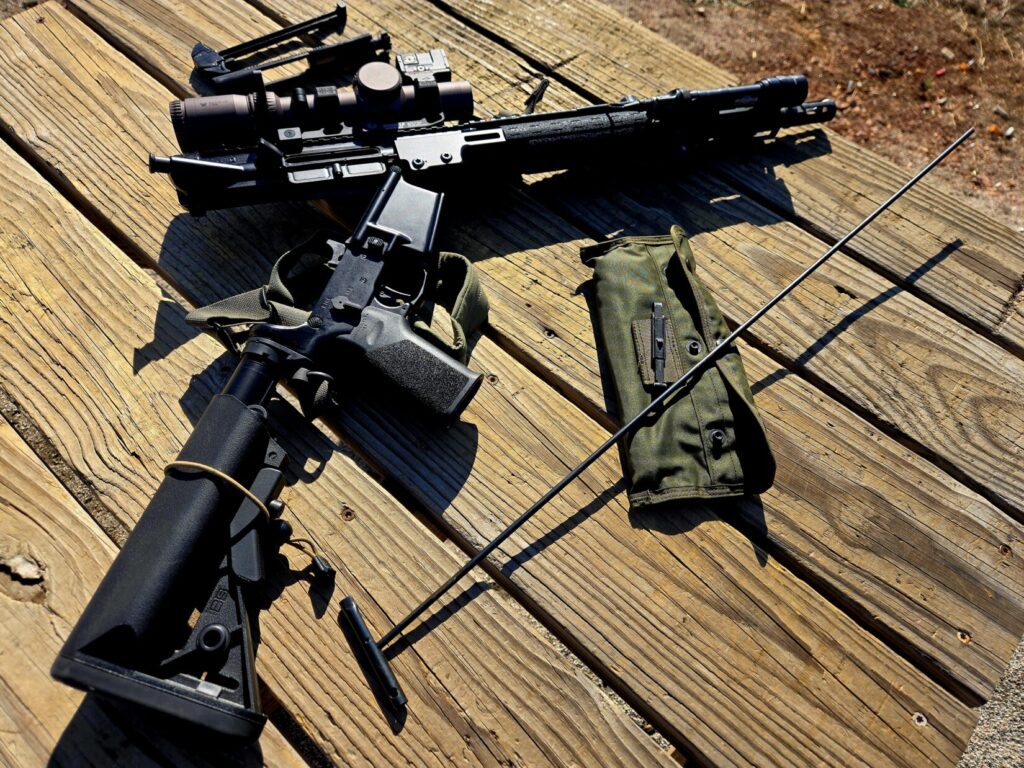
At the very minimum, you should have the basic equipment in your pack to keep your bore clean and lubricated. You should also have what you need to keep your optic clear and running, if electronic.
Additionally, you should have what it takes to keep the moving parts of your firearms moving, and that comes down to a quality firearms lubricant applied where it belongs.
Improve Your Kit
What you carry will be based on weight, space, practicality, and need. When you leave the comfort of your home base, you’ll likely travel in a vehicle or with a backpack. Some options are better suited to a small bag or box in a vehicle, while others work better for stuffing into a backpack.
Much like higher levels of medical care, you should be able to provide a certain level of care (for your firearm) in the field and work toward better care as you get to your vehicle and then your home base. The tools at your disposal should get better with each movement.
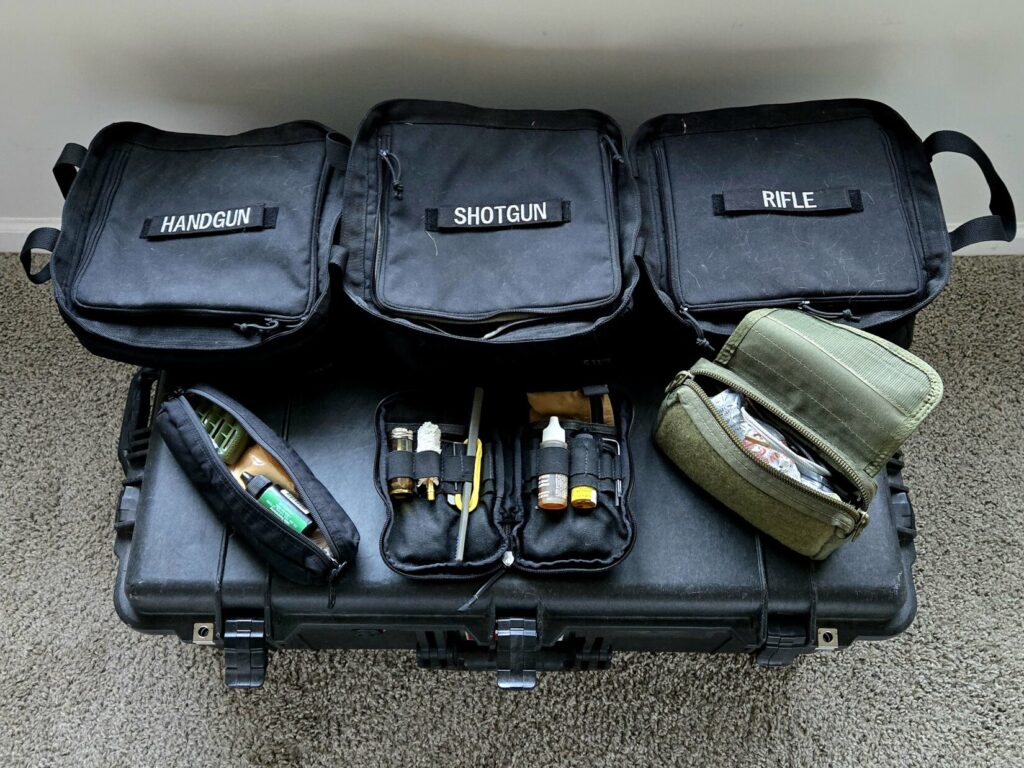
In the field, taking care of the bore of your rifle or pistol can be reduced down to a wire cleaning system like those from OTIS, as well as some patches and brushes. When you get to your vehicle, you might have a take down cleaning rod, and when you reach home you should have a one-piece that wouldn’t be easy to pack into the field.
The same is true for bottles of solvent and lubricant. Small .5 oz fillable bottles are available on Amazon and they pack easily in a small bag. 2 oz bottles make sense for your vehicle and the largest bottles can be stored in a shower caddy at home.
Batteries can be taped together with electrical tape and tucked into small zip-top bags. Small torx wrenches can be taped to your rifle sling for emergency adjustments in the field. Assorted brushes and wipes can be carried in an old prescription container or a small 1 oz. or 2-oz. Nalgene bottle.
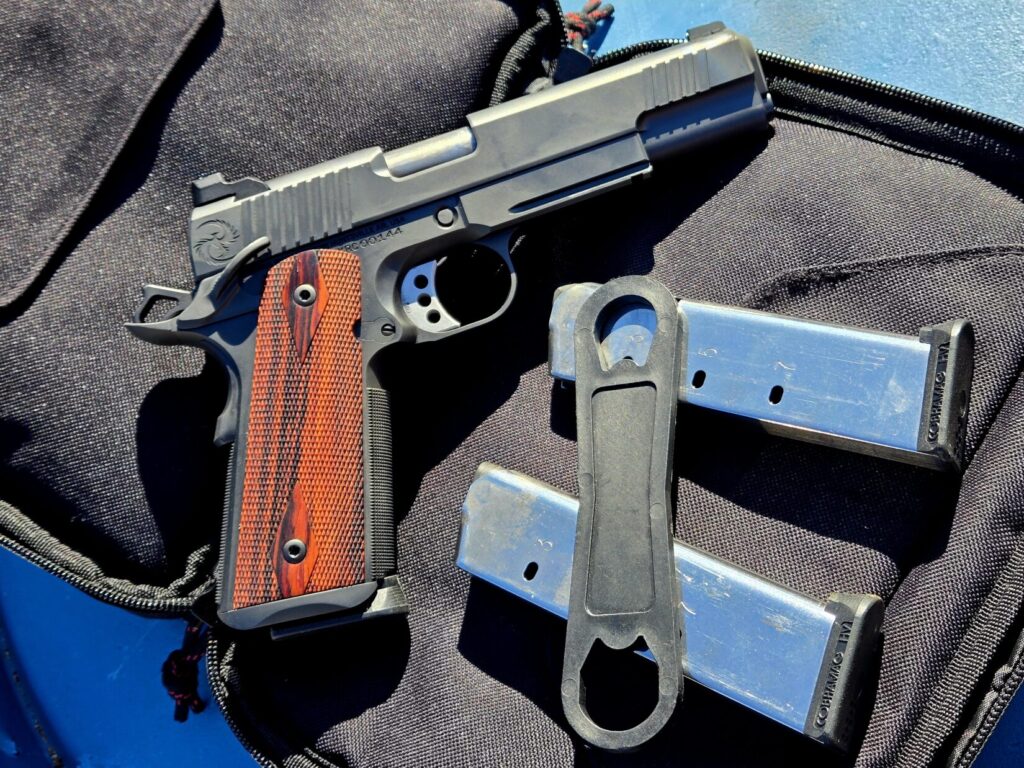
Within reason, you can carry the basics with you without weighing yourself down. If your firearm has a proprietary tool or tools to maintain it or any accessory, you should pack that along as well.
Good to Have
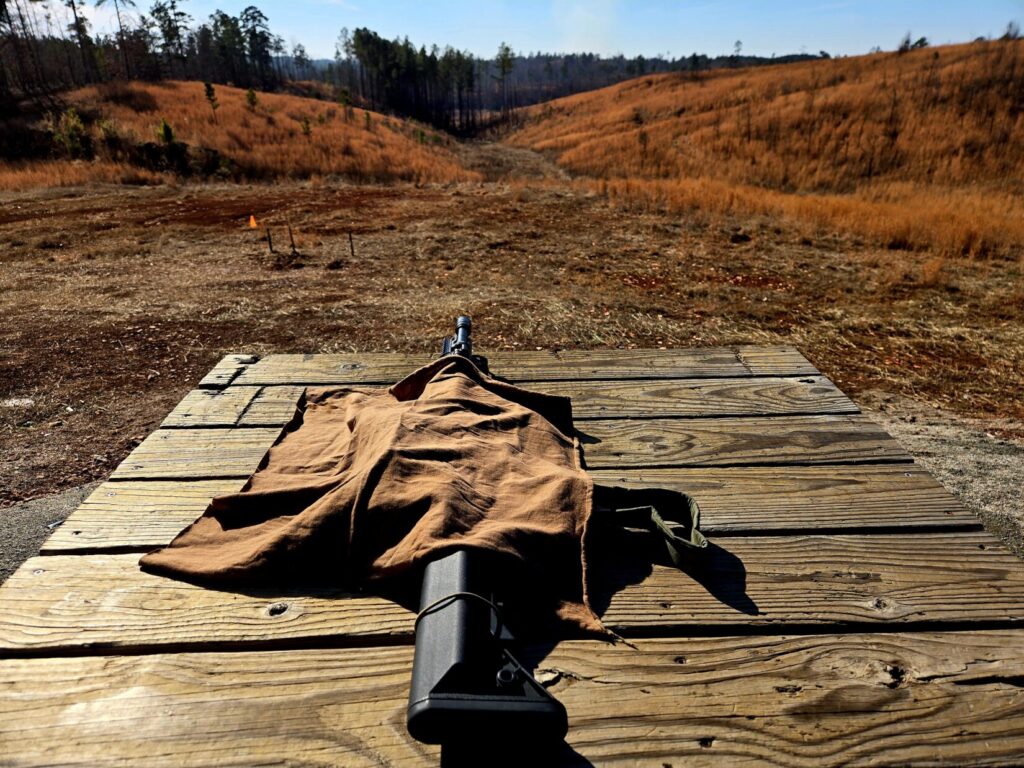
Space is critical and weight adds up quickly. You will have to decide how important certain maintenance items are and weigh (no pun intended) the decision to carry something with single specific use.
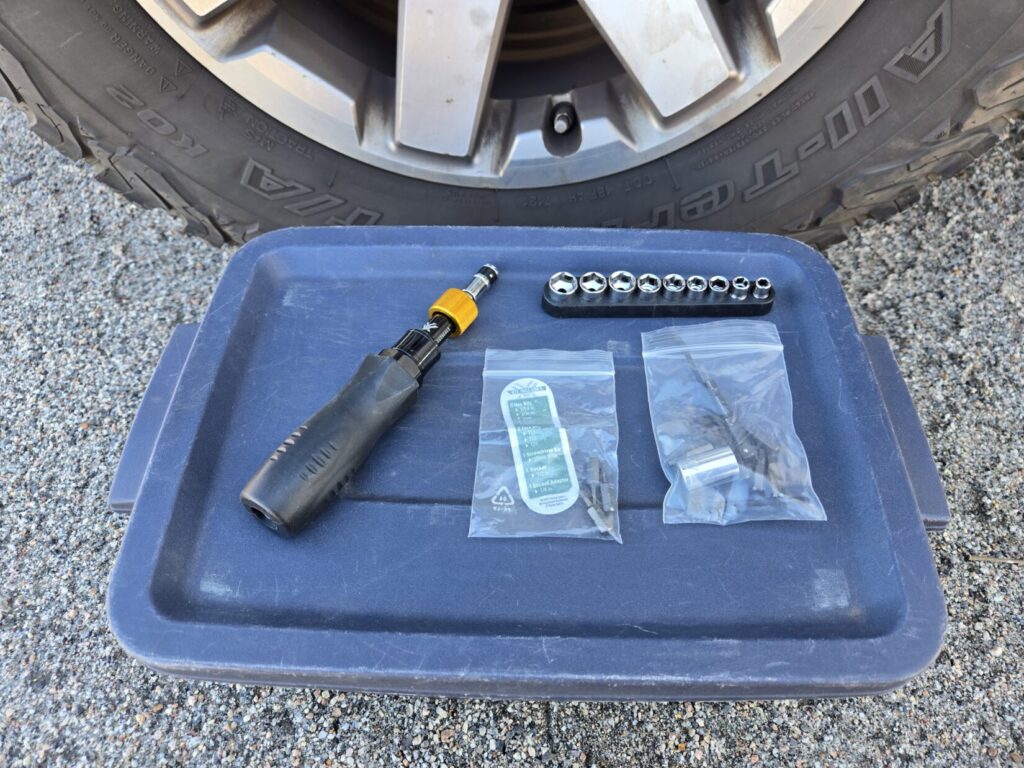
A perfect example of tools that were designed to serve a very specific and precise need is compact torque wrenches or torque limiters. Granted, you should check the torque on screws before you leave the house but there are times when screws walk loose in transit or when used in courses. A paint pen will help you create witness marks once your adjustments are made.
Sometimes, a simple rag is a rag and sometimes it becomes a multipurpose tool. A silicon gun cleaning cloth can work well to keep the finish of your firearm clean. It can also be used over the top of your optic to keep dust and debris out of the objective lens.
A gun rag can be used as a placemat where you can spread out components of your firearm as you clean them. A dedicated rag goes a long way for firearms maintenance. If you end up in muddy conditions, you’ll need more than one rag and ultimately, you don’t want to wipe down any high polish finish with anything abrasive between it and the cloth.
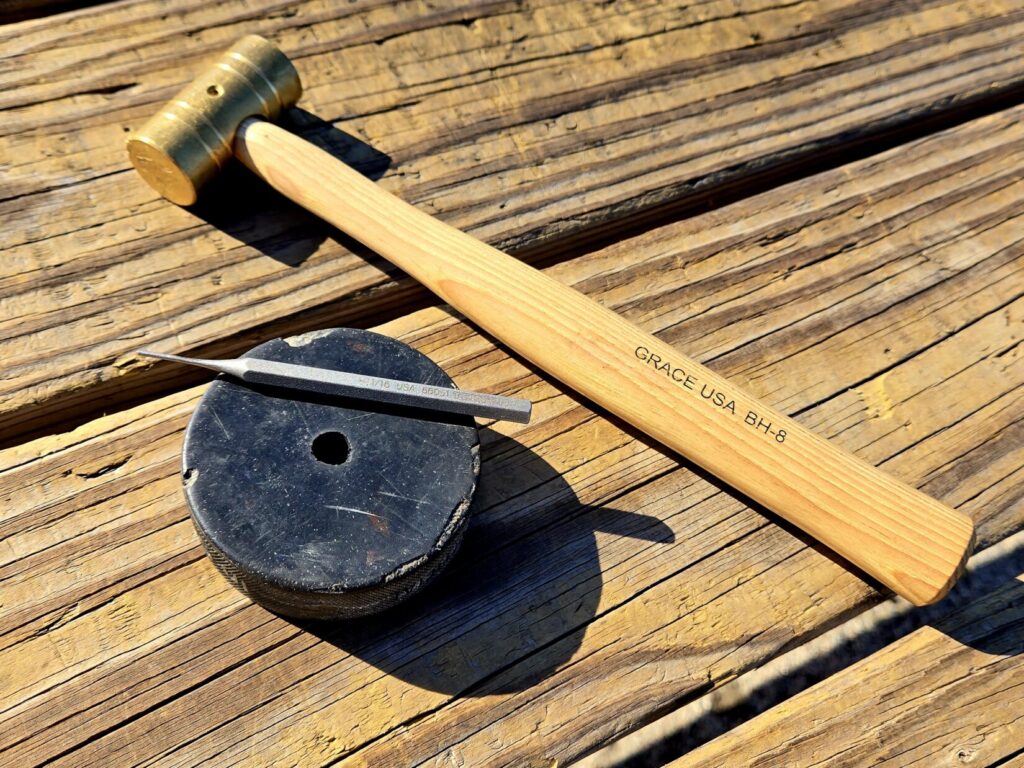
One of the most effective gunsmithing blocks is a simple hockey puck with a single hole drilled into it. If this is paired with a couple punches, a makeshift hammer can be found in the field. If possible, it doesn’t hurt to carry spare pins and screws used to hold your firearms together, just in case you happen to lose one along the way or while you are working on them.
Great to Have
If weight and space is less of a concern—Say, you have room in the back of your truck, camper, boat, or vehicle for a larger tool box—you can be extremely capable with full-size tools.
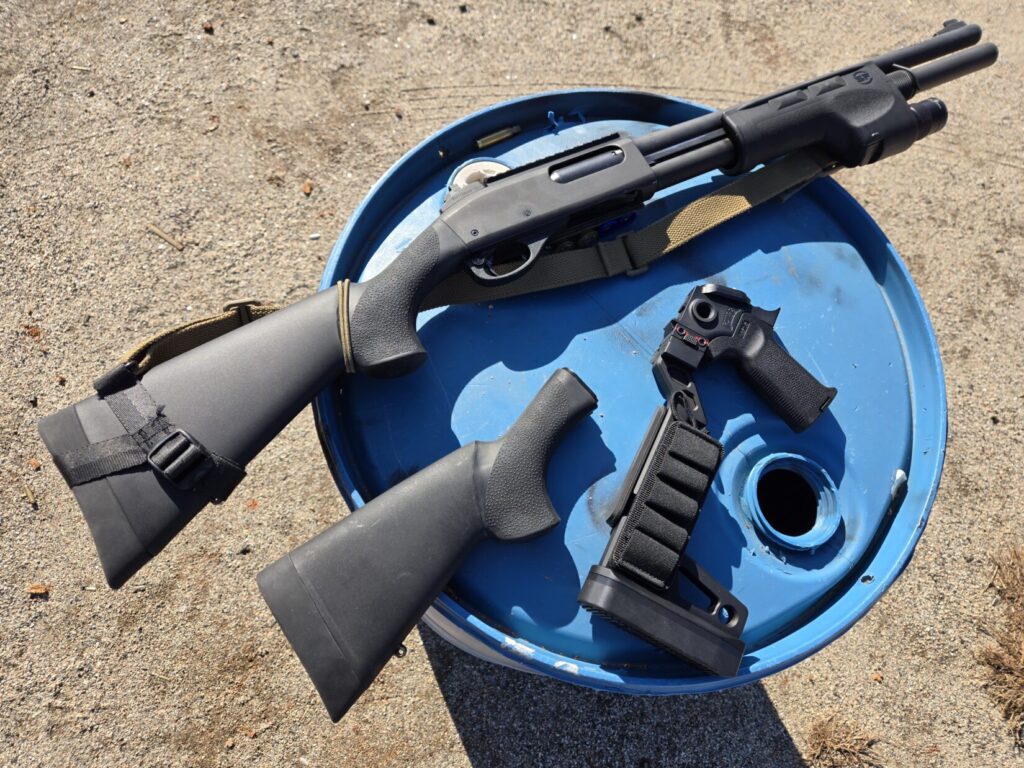
Starting from the ground up, padded work surfaces and magnetic holders for small parts will keep your firearm parts safe and secure. Full-size bit screwdrivers will make it easier to work on firearms than using the fold-out version on your multitool. On shotgun courses, I can’t tell you how many times a long-handled screwdriver has come in handy to access the stock screw deep in the buttstock of a shotgun.
Back at your vehicle, you can carry dedicated tools like AR-15 armorer wrenches and brass hammers. If weight and space are non-issues, you can carry a portable rifle rest to hold your rifle steady while you clean or work on it. All of these items can pack into a single box and leave you plenty of room for your firearms and ammunition.
Modern firearms are incredibly durable and reliable but that doesn’t give the user a free pass to let them fall into disrepair.
Complacency kills, and yet it works its way into our firearms maintenance routine. “I’ll clean it tomorrow” or “I’ll get to it next time” snowballs and seemingly harmless inaction compounds into something that becomes a failure.
Carrying a handful of support items and using them in the field will help maintain your tools and make you more capable. If your firearm isn’t at its optimal status, it can always be improved.