
As the United States marks the 25th anniversary of the September 11, 2001 attacks, the nation continues to reflect not only on the profound human loss but also on how that day reshaped the entire structure of American homeland security. The attacks forced a fundamental rethinking of national preparedness, counterterrorism strategy, interagency cooperation, and the protective technologies relied upon by first responders.
In the quarter century since 9/11, homeland security has evolved into a more integrated, prevention‑focused, and technologically advanced system. Companies like Safariland have operated within — and helped shape — that transformed environment ever since.
The Evolution of Counterterrorism Strategy
From Reaction to Prevention
Before 9/11, counterterrorism efforts were often reactive. Agencies investigated incidents after they occurred, and intelligence operations were primarily focused overseas. The attacks revealed the limitations of this approach. In response, the United States adopted a prevention‑driven strategy centered on early detection, disruption of extremist networks, and identification of suspicious activity before violence could occur. This shift led to expanded watchlisting and more robust intelligence collection.
Integrated Intelligence and Structural Reform
One of the most significant structural changes was the creation of the Department of Homeland Security in 2002. DHS consolidated 22 agencies, including FEMA, the Coast Guard, and the Transportation Security Administration, under a single umbrella to streamline domestic security operations.
The establishment of the Office of the Director of National Intelligence further unified intelligence analysis across agencies such as the CIA, FBI, NSA, and military intelligence branches. These reforms created a more cohesive intelligence community capable of sharing information and coordinating counterterrorism efforts.
Community-Level Counterterrorism
Post‑9/11 strategy recognized that threats could emerge domestically as well as internationally. Programs such as the Nationwide Suspicious Activity Reporting Initiative and the expansion of FBI‑led Joint Terrorism Task Forces brought federal, state, and local agencies together to standardize intelligence sharing and conduct joint investigations. This community‑level vigilance remains central to modern homeland security.
Interagency Cooperation
Joint Terrorism Task Forces
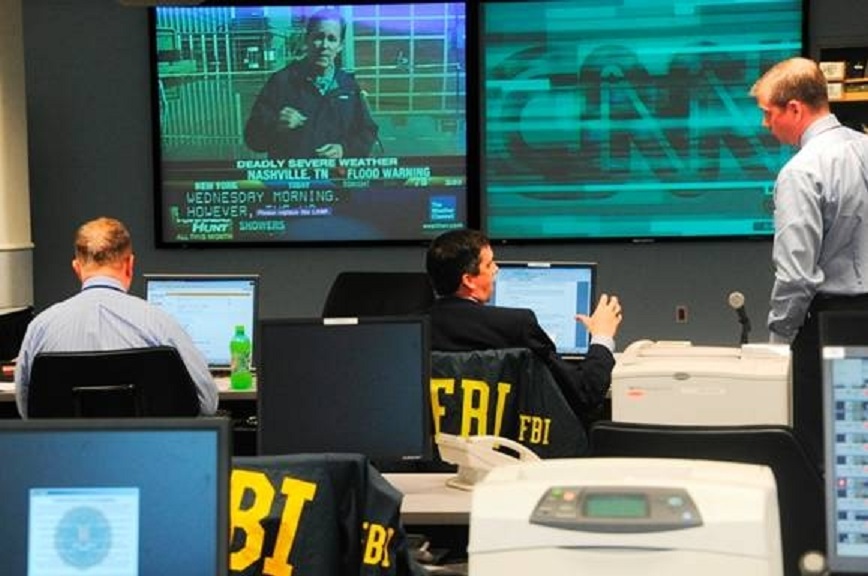
Although Joint Terrorism Task Forces existed long before 9/11, their mission and scale expanded dramatically afterward. Today, the FBI oversees more than 200 JTTFs and satellite units nationwide, bringing together federal agents, local police, intelligence analysts, and specialized personnel. These teams work side by side on counterterrorism investigations and have become a widely cited model of interagency cooperation that shapes other areas of homeland security.
Fusion Centers and Real-Time Information Sharing
State and regional fusion centers were established to facilitate real‑time information sharing between federal agencies and local responders. These centers analyze intelligence, monitor threats, and coordinate responses to incidents ranging from terrorism to natural disasters. Their ability to synthesize information from multiple sources has become essential to modern threat detection.
Unified Incident Command
The adoption of the National Incident Management System and the Incident Command System standardized emergency response nationwide. These frameworks ensure that agencies responding to crises, whether terrorist attacks, natural disasters, or civil unrest, operate under a unified structure with clear communication channels and defined roles. This standardization has improved coordination and reduced confusion during complex incidents.
Advancements in Protective Equipment and Tactics
Ballistic and Tactical Protection
The post‑9/11 era saw rapid innovation in ballistic armor, tactical gear, and personal protective equipment. Responders increasingly faced threats involving active shooters, explosives, and coordinated attacks, which required more advanced protection.
Modern armor incorporates advanced materials such as aramid fibers, polyethylene composites, ceramic and hybrid plates, and modular systems that allow responders to adapt gear to specific missions.

CBRN Protection
Chemical, biological, radiological, and nuclear threats became a major focus after 9/11, especially following the anthrax attacks that occurred shortly afterward. Responders now train extensively with respirators, protective suits, detection devices, and decontamination tools designed to mitigate hazardous exposures.
Evolution of Tactical Response
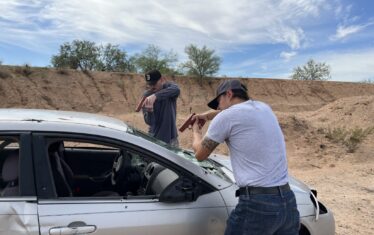
Active shooter incidents became a major homeland security concern in the years following 9/11. Law enforcement shifted from perimeter‑based response to rapid interdiction tactics. Training now emphasizes immediate threat engagement, integrated police‑fire‑EMS operations, tactical emergency casualty care, and the use of ballistic shields and armored rescue vehicles.

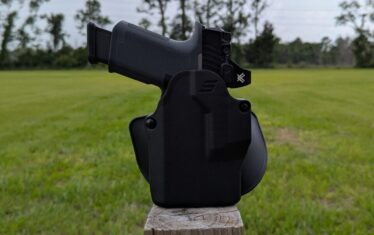
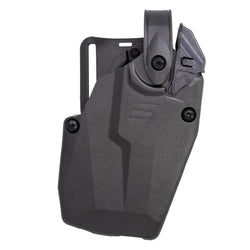
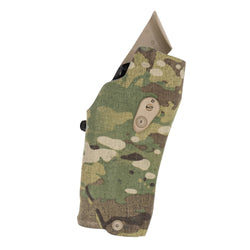
Safariland tactical shields, holsters, and duty gear support these modern response strategies and help officers move quickly and safely in high‑risk environments.
Responder Training in a Post‑9/11 World
Counterterrorism Training for Local Agencies
Local police and fire departments began receiving federal support for counterterrorism training after the 9/11 attacks. Courses now include improvised explosive device recognition, hostile event response, intelligence awareness, and critical infrastructure protection. This expansion ensures that frontline responders, not just federal agents, are equipped to identify and mitigate threats.
Large‑Scale National Exercises
National‑level exercises such as TOPOFF and the National Exercise Program simulate complex attacks involving multiple jurisdictions. These drills test communication, logistics, and unified command under realistic conditions and strengthen national preparedness.
Trauma and Casualty Care Training
Responder medical training expanded significantly, influenced by lessons from military operations in Iraq and Afghanistan. Tactical Combat Casualty Care principles, including tourniquet use, rapid hemorrhage control, and airway management, became standard in civilian emergency response.

Technological Innovation and Modern Homeland Security
Advanced Screening and Surveillance
Technology became one of the most transformative elements of post‑9/11 homeland security. Innovations included biometric screening at borders and airports, advanced imaging systems for explosives detection, real‑time surveillance and analytics, secure communications networks, and the use of drones and robotics for reconnaissance and bomb disposal. These advancements strengthened the nation’s ability to detect threats early and respond with greater precision.
Advancements in Protective Equipment
Protective equipment manufacturers embraced new materials and design philosophies in the years following 9/11. Modern gear incorporates lightweight ballistic composites, modular armor systems, enhanced ergonomics, smart holsters, and improved blast and impact resistance. These innovations reflect a broader trend toward equipment that is more protective, adaptable, and mission‑ready.
Safariland’s Role in a Transformed Landscape
Forensic Technology
Safariland’s contributions extend into this technological landscape through its expanding Forensics Source portfolio of forensic solutions. Modern forensic tools support investigations by improving evidence collection, preservation, and analysis.
Capabilities such as crime‑scene documentation systems, evidence‑processing equipment, and specialized forensic products help agencies maintain chain‑of‑custody integrity and enhance investigative accuracy. These tools complement broader homeland security technologies by ensuring that responders and investigators have reliable methods to analyze incidents, identify perpetrators, and support successful prosecution.

Equipment Innovation
Safariland’s research and development efforts align with these national advancements. The company continues to invest in advanced materials science, user‑driven engineering, and rigorous field testing to ensure its armor, holsters, and tactical accessories meet the evolving needs of law enforcement and military professionals.
Safariland’s commitment to innovation helps agencies equip their personnel with reliable tools that enhance survivability and operational effectiveness. Its tactical shields, holsters, and duty gear support the rapid-interdiction tactics described above, helping officers move quickly and safely in high-risk environments.
A Lasting Legacy of Transformation
The transformation of American homeland security after 9/11 is profound and enduring. The nation moved from fragmented systems to integrated networks, from reactive posture to proactive prevention, and from traditional protective gear to advanced tactical technology. These changes have shaped how responders train, operate, and protect themselves and the public.
Safariland’s role in this landscape underscores the importance of innovation in responder safety. The company’s commitment to modern materials, tactical design, and mission‑ready equipment reflects the broader national effort to ensure that those who protect others are themselves protected. As threats continue to evolve, protective technology has to evolve with them — and that ongoing effort is what those who protect others depend on.
The appearance of U.S. Department of Defense (DoD) visual information does not imply or constitute DoD endorsement.