
My father has always told me, “Be a student for life.” Those are words I’ve taken to heart, and I am a self-admitted training addict. I believe in constantly sharpening the proverbial saw and learning how to become more capable. Love for education has become part of who I am, and it likely explains why I spent 14 years as a History Teacher before branching off to become a full-time survival instructor.
When you are a child, you’re forced to go to school, and the options are few and far between. As an adult, when education is not compulsory, you can be a student wherever you want.
When it comes to firearms training, there are many different choices, but you want to make the right one. Let this lifelong student and educator help you make the right one.
Platform
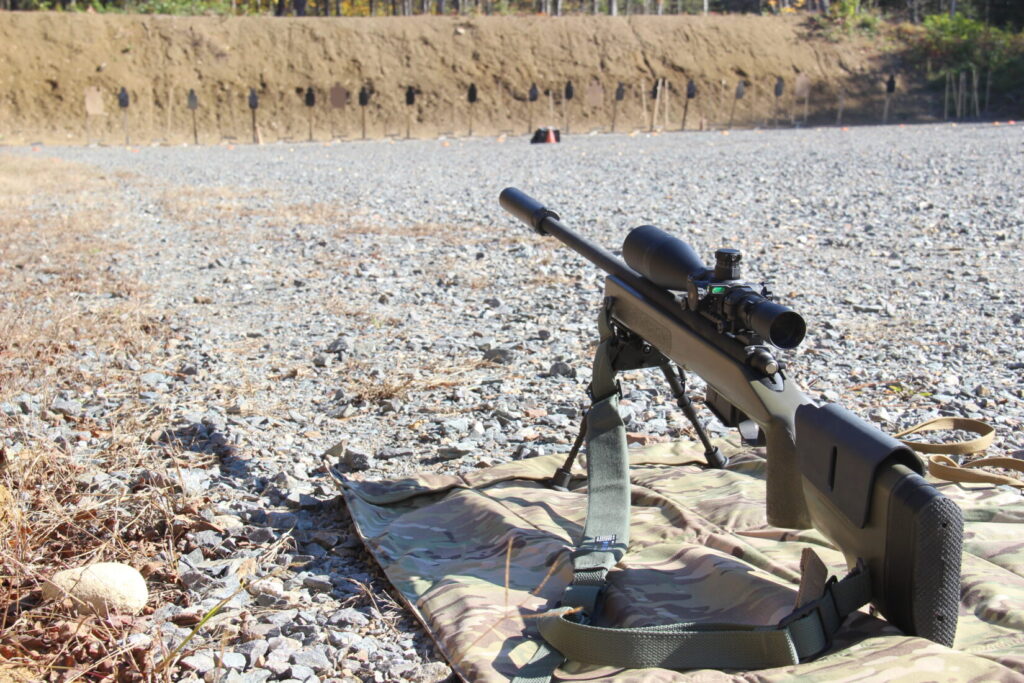
It is true that what you learn with one type of firearm will carry over to another platform. In other words, the fundamentals taught with a rifle can be applied to a pistol. If you primarily carry a handgun and have no interest in using a rifle, it makes sense to start with pistol training. The same is true for those who may only have the legal means to own a long gun but not a handgun.
I recommend training with what you want to practice with most frequently. More ranges around the country can accommodate 50-yard shooting than 500-yard shooting. If you plan on making training part of your lifestyle, you’ll ultimately end up training with pistol, carbine, shotgun, and precision-scoped rifle anyway. I just recommend starting with one that gives you the greatest opportunity to practice.
Instructor Background
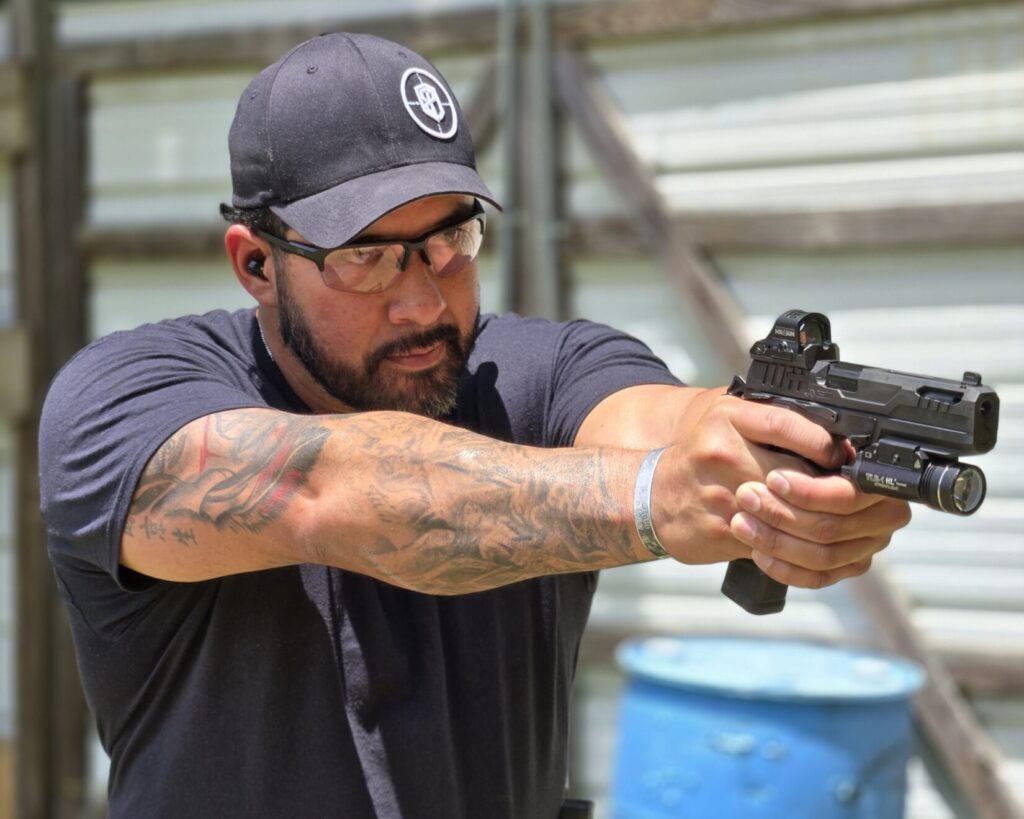
Always vet your instructors. Any reputable training program will have information about who is teaching the course. Some programs have a select few instructors who can teach multiple platforms, and others are instructor-heavy with individuals only teaching one discipline. Avoid paying for the experience of standing next to a famous social-media instructor, where more talking goes on than shooting.
Make sure the focus is on the student. You may want to train with those who have military or law enforcement background if that is what you are planning to do. You may also want to learn from a seasoned hunter if you are looking to become one yourself.
Last but not least, don’t be afraid to Google the instructor’s name and the word “review” and see what pops up on Reddit and online discussion boards.
While you are looking into the instructor(s), find out how many instructors will be present to determine what the student ratio will be. An instructor who has assistant instructors with them will have more time to interact with students and less downtime pasting new targets and dressing up the range.
Course Location
Much like buying real estate, location matters. You have to determine if the course will be inside or outside. You have to know the quality of the range you’ll be attending and if you will have immediate access to your vehicle for resupply. Some facilities are incredible, but they are in the middle of nowhere with no options nearby to pick up lunch.
Another important consideration is the cell-phone service and how strong the signal is in case you have to reach out to loved ones. Location matters because it may require you to spend nights away from home if the shooting program is out of state or too far to make it a day trip.
Pro Shop and Gunsmith
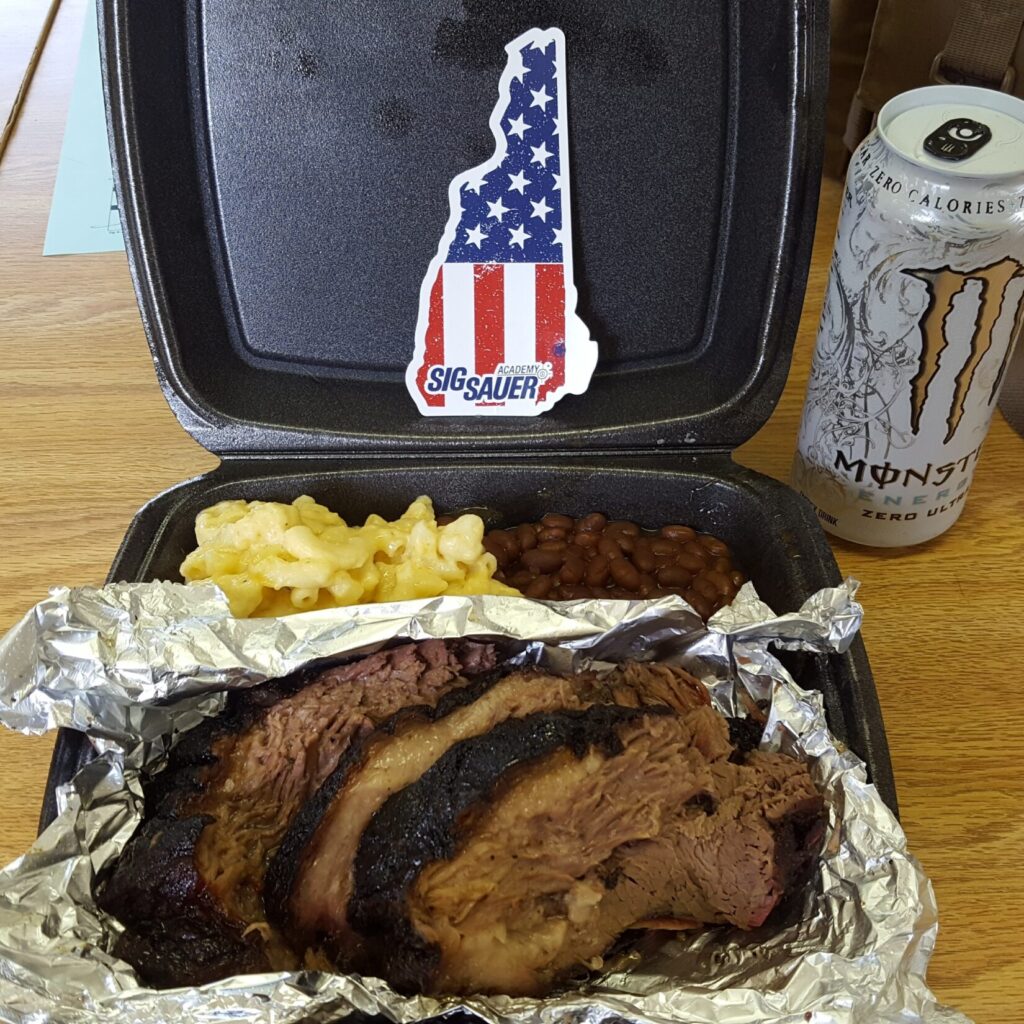
Even though this is not an essential for a shooting program, it does help at times. If a program, like GUNSITE, has a pro shop attached to it, you won’t have to travel far to purchase anything you left at home or didn’t know you needed. Pro shops are also usually stocked with what the instructors carry and recommend. Depending on the program, some even allow you to try before you buy.
If a program has a resident gunsmith, you also don’t have to worry about a place to have a last-minute tweak done to your firearm. Don’t confuse an armorer with a gunsmith. I’ve had armorer training, and I can bolt on parts and check firearm function to some degree. A proper gunsmith can do what I can and actually build your firearm or modify it heavily.
Cost and Training Value
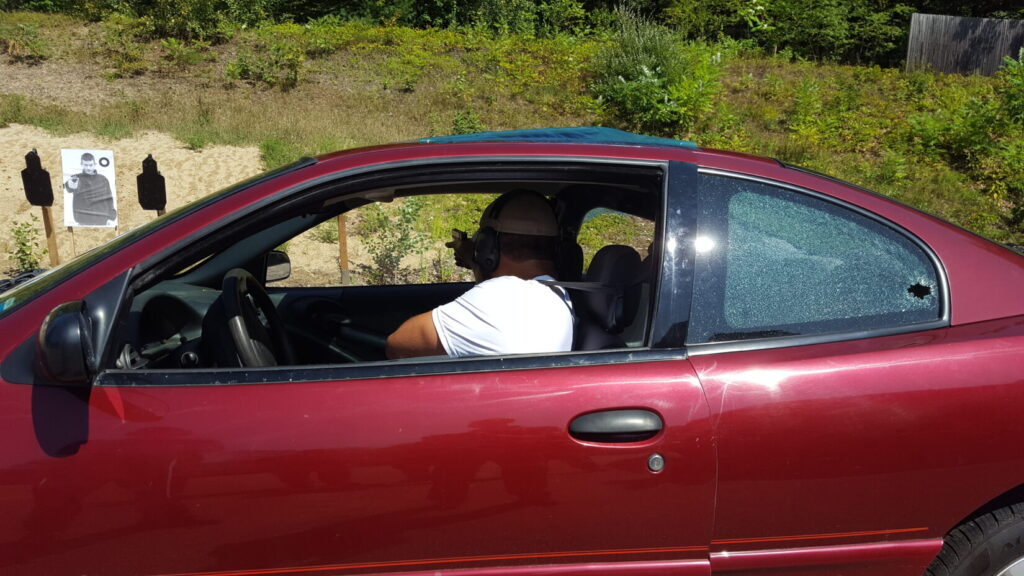
There is no escaping the fact that firearms training can be expensive. When determining the program that makes the most sense for you, factor in all of the costs, including those posted and the hidden costs.
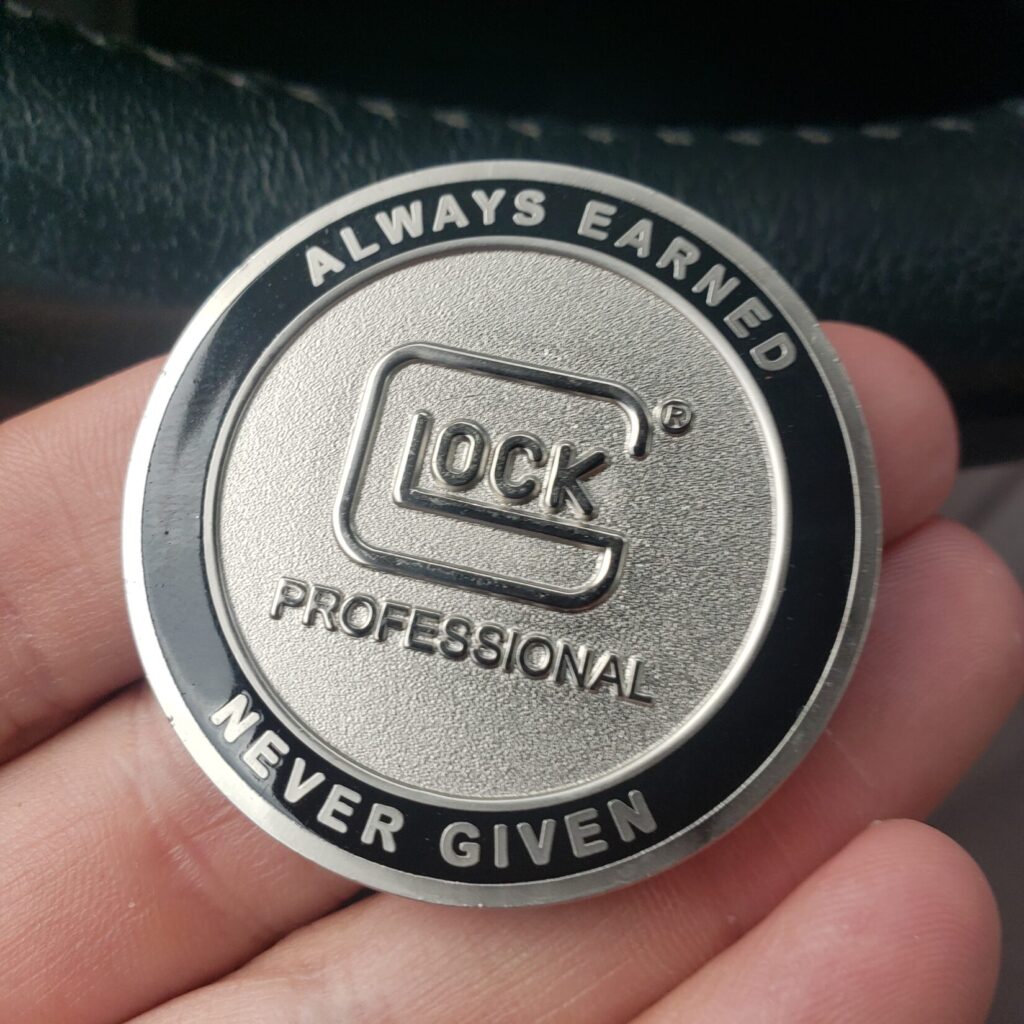
Typically, a firearms program will provide the tuition fee that can be anywhere from $200 for half-day courses up to two to three times that for full-day courses. You also have to account for the cost of ammunition. If you attend certain schools like Glock Training, expect to shoot 1000 rounds of ammunition over two days.
Hidden costs include the cost of fuel to get to the range, meals for the day, hotel stays if you are attending a multi-day course, potential range fees if you are using a public range with an instructor who passes those fees on, and then the cost of equipment needed.
Always inquire as to the amount of instructional time in a class and read student reviews to see how well the course was managed. If you hear rumors of instructors telling sidebar stories that last for far too long, you probably are not getting the most out of training.
Reputation
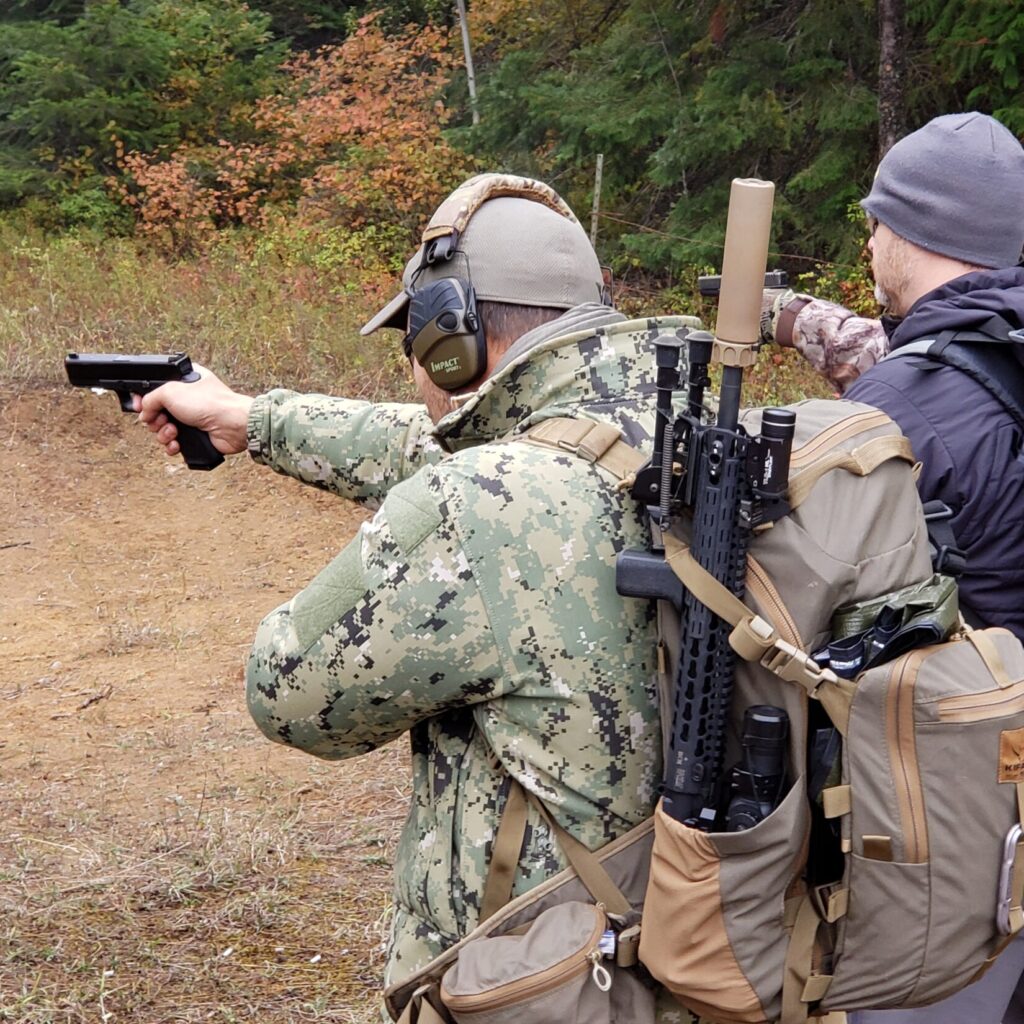
Some training programs have an incredible reputation for creating excellent shooters. These training programs also typically have very loyal students who are willing to defend the reputation of their alma mater. Reputations exist for a reason, and the reputation can be well warranted and some can be less desirable.
If you discover the greatest firearms training program in the country, but there is no record of any students graduating, the same students are seen in the photos on their website in all photos, or there are no graduation photos, you may have found a great marketing company instead of a training company.
You don’t want to end up at a school with a reputation for unsafe practices, and if you aren’t the physical type, you also don’t want to end up at a school that prides itself on physical training smoke fests.
Continuing Education
Any training program should have a clear line of progression in courses. A level 100 or introductory course should have a follow-up level 200 or intermediate course. Just like basic firearms training is not the same as basic firearms shooting, you want to know there is a next step.
Some training programs will encourage you to run your training back at a discounted price and work as an assistant instructor. Teaching is a different level of being a student, as you are learning the material in a more in-depth manner. Some programs are part of a larger affiliation, and you’ll find complementary information training with those who have the same lineage or tribe. A perfect example of that is that of AMTAC Training, Defoor Proformance Shooting, and Sayoc Tactical Group.
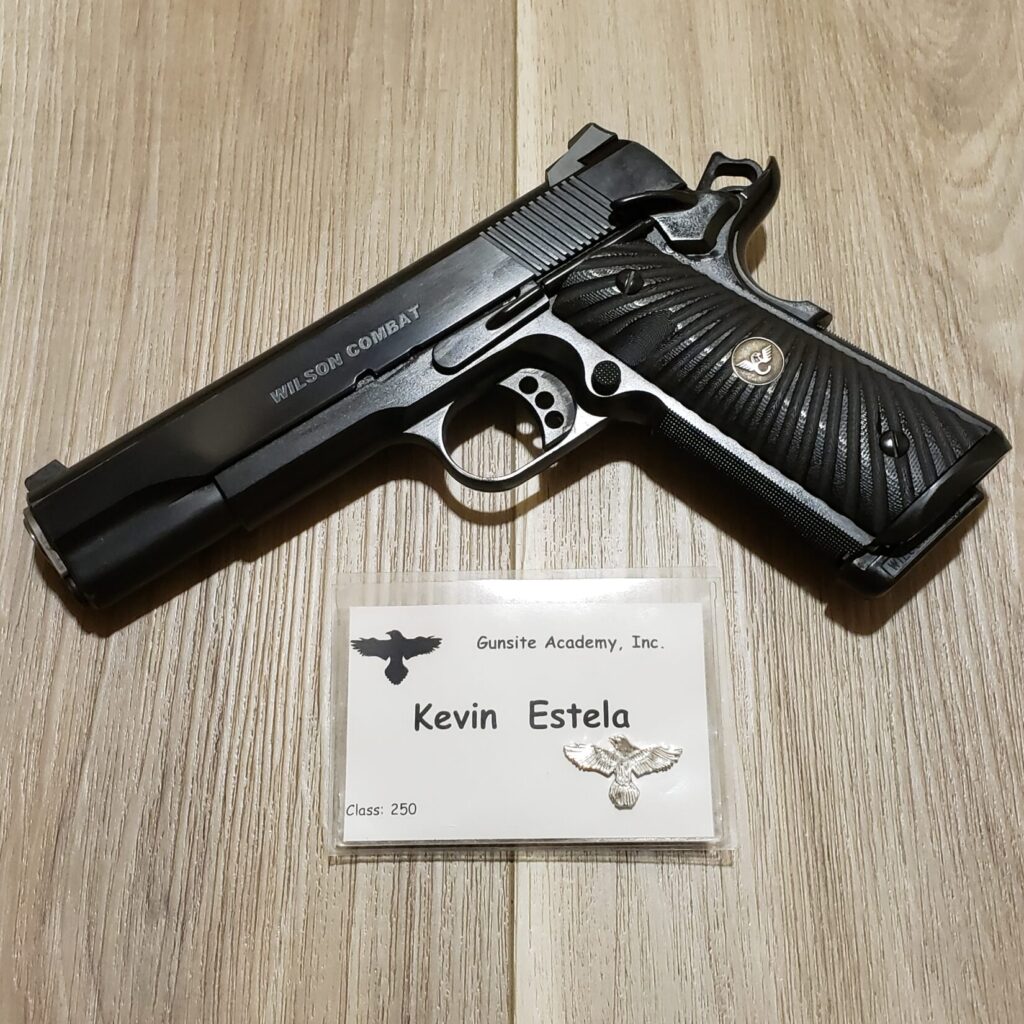
When it comes to the final decision to choose a firearms training program, at some point, you’ll just have to pull the proverbial trigger. I’ve had the opportunity to train at multiple schools throughout the country and with many different instructors. There is always something to learn from a course, and even if you have heard a particular line-item instructional point a thousand times, hearing it from a different perspective delivered differently may resonate with you more deeply.
Be a student for life, but also be a cautious student when it comes to signing up for courses. Use your money wisely as you become wiser with the use of your firearms.