
Whether you are shopping for your first handgun or your next handgun, there are a number of mental and physical boxes to check in order to make an informed decision.
What will you likely use your handgun for? What is your experience level? Revolver, semi-automatic, or something else entirely? What caliber and how many rounds? Is the pistol easy to manipulate, or does it require a stack of user manuals to figure out? Is the pistol equipped with a manual safety, and do you actually need one? This article addresses that last hypothetical in our buying equation.
Some buyers are adamant about having a manual safety on their pistol, while others are agnostic. Others still won’t touch a handgun with a manual safety.
As a longtime seller to many buyers like these and a veteran shooter, I have seen the pros and cons of the manual safety played out beyond the shop counter. We will explore what a manual safety does, the benefits of having one, the drawbacks of a pistol so equipped, and some best practices to navigate the question for your own personal purchases.
What Is a Manual Safety?
Most modern handguns have some sort of safety, even ones that do not have a manual safety. There are firing pin blocks, hammer blocks, transfer bars, and trigger safeties that prevent a handgun from firing unless the trigger is pulled. However, because these mechanisms are passive and hidden inside the frame, they aren’t obvious to the naked eye.
When we think about a safety on a handgun, a manual safety comes top of mind. A manual safety is one we can engage purposely and disengage when the need arises. These devices add another layer of protection against accidental discharge by blocking the trigger, hammer, or striker, rendering the firearm incapable of discharging even when the trigger is pressed.
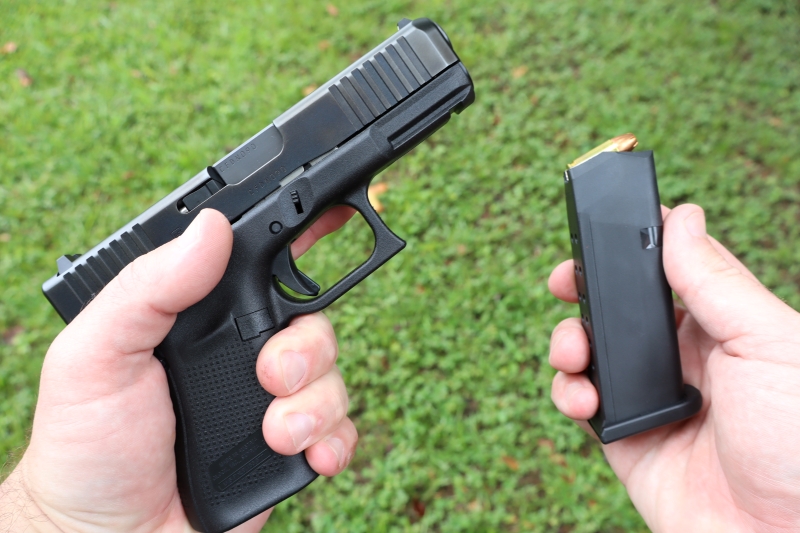
Some manual safeties are redundant features added for users who want extra peace of mind. Other safeties are purpose-driven components designed to add a margin of safety on a handgun platform that would otherwise be completely unsafe to carry without one.
Why You Might Not Want a Manual Safety
There are good reasons to have a manual safety on a handgun, but there are also enough misconceptions about safeties that there may be more reasons not to have one.
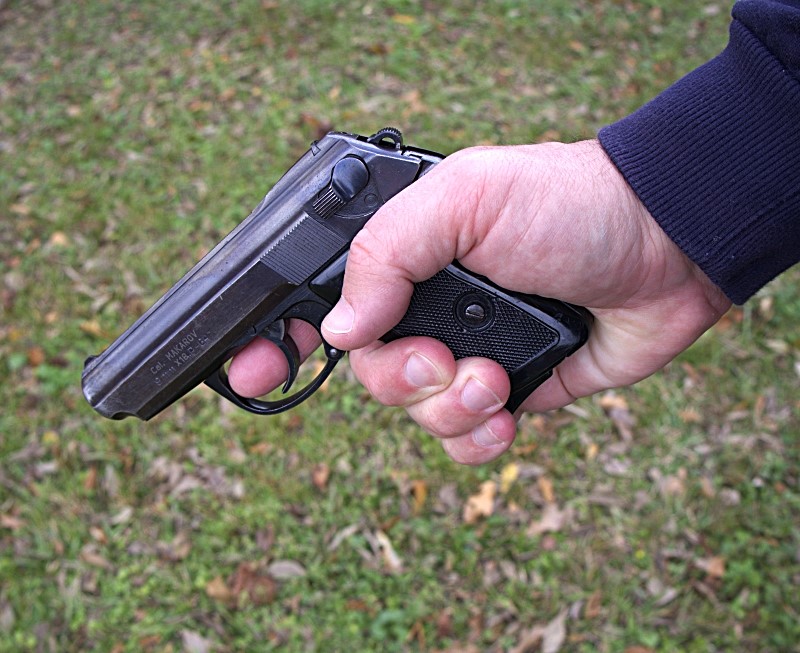
First, manual safeties are mechanical devices and can fail, particularly in a handgun that has been modified, abused, or used continuously without upkeep. Safeties are no substitute for poor gun handling, such as tucking a handgun into your waistband without a holster or engaging in different kinds of horseplay.
Second, don’t opt for a manual safety on a handgun as a replacement for proper firearm storage. Some new and even experienced gun owners go for a manual safety as some sort of child-proofing device. Lockboxes are cheap; lives are expensive. A manual safety might buy you time if an unauthorized person gains access to a firearm, but it can be figured out with tragic results.
Lastly, manual safeties are manual. The beauty of passive safeties is that when you are off, they are on, and when you are on, they are off. In other words, passive systems require no conscious input to engage or disengage them beyond taking your finger off the trigger or putting it on and firing the handgun. With a manual safety, you introduce a mechanical step that can be forgotten under stress.
On the firing line, forgetting to flip a safety off is embarrassing; when seconds count in a defensive encounter, it could put you behind the curve. There is also the inverse problem of forgetting to re-engage the safety, particularly when returning the firearm to a holster or handling the pistol administratively.
Why You Should Have a Manual Safety
If you are willing to navigate the potential pitfalls of having a manual safety, there are some neutral aspects and even some benefits to having a handgun with a manual safety.
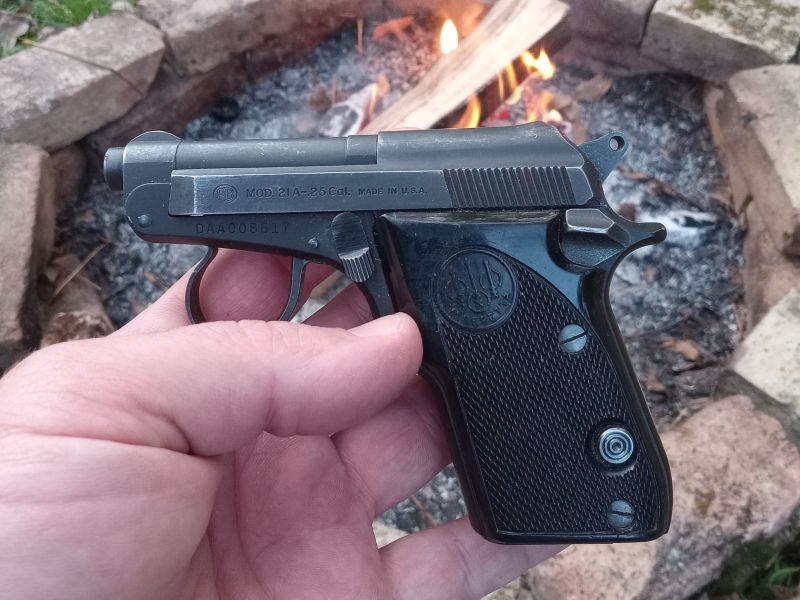
First, some handguns that feature all the passive safeties also come with a redundant manual safety. That feature may make it legal in stricter jurisdictions. It also gives the end-user options, instead of passing on buying a handgun at all, out of concerns for peace of mind.
With some handguns like the Smith & Wesson M&P line, some models come with a small manual safety. You can elect to use it or not. If conscious or unconscious safety concerns would otherwise stop you from owning or carrying a handgun, a manual safety gun is better than no gun. It can be a final gun, should you train with the safety, or it can be that first crucial stepping stone to building confidence.
Second, the manual aspect of the manual safety is both an advantage and a disadvantage. In a personal defense context and without practice, you can forget to engage or disengage the safety. On the other hand, an assailant who attempts to wrestle your firearm away from you might also forget it exists.
Because most modern handguns lack a manual safety, our collective muscle memory is ingrained to simply pick up a pistol and pull the trigger. If you are disarmed in a struggle, that hidden mechanical barrier can buy you the critical seconds needed to counterattack or escape.
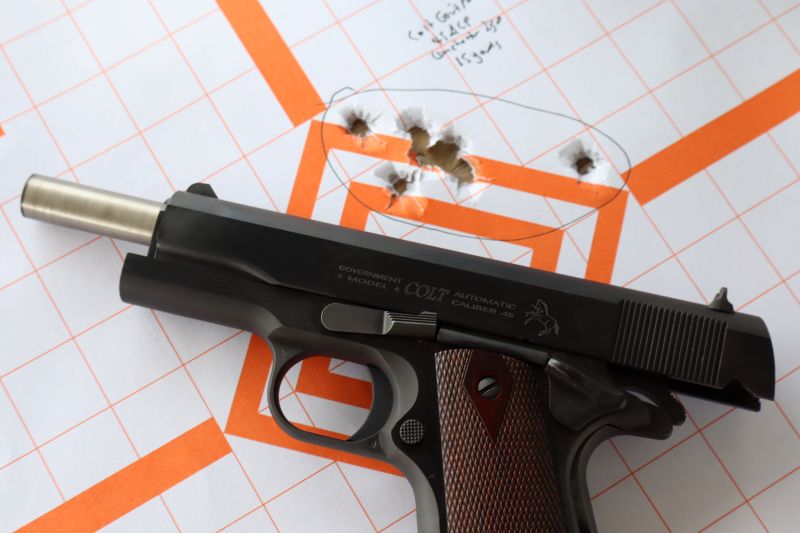
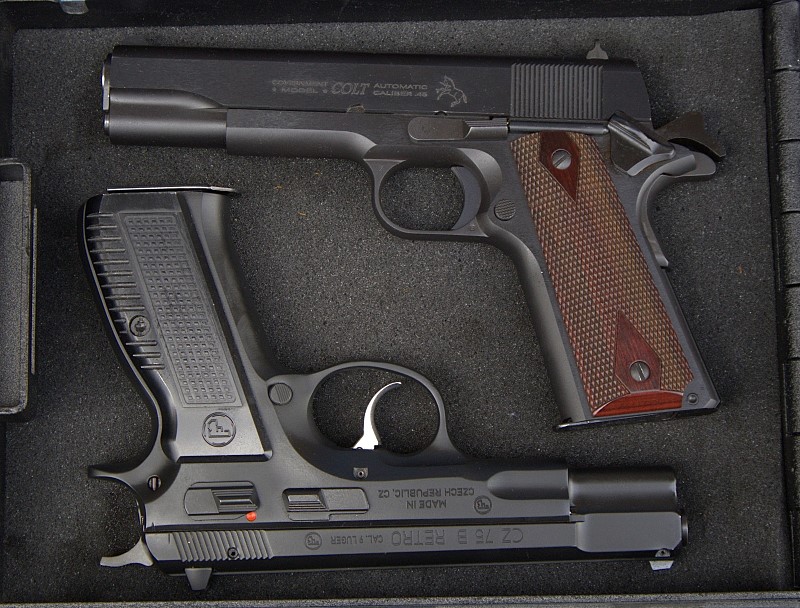
Lastly, manual safety guns lend themselves to accurate shooting. Pistols with very short or light trigger pulls that would be otherwise unsafe become practical to carry with the addition of a manual safety.
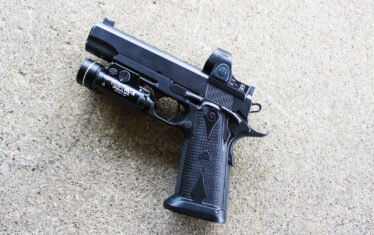
For new shooters, a single-action style handgun is easy to master due to its lighter trigger pull. For some competition shooters, hunting, and range work, single-action handguns also have their place. These handguns require more attention to trigger discipline and training with the manual safety, but the results you get on target are hard to argue with.
To Safety or Not Safety?
Pistols with manual safeties have obvious and hidden advantages, as well as some disadvantages. It is a part that can go wrong, but also a part that can make everything go right. Whether you are a brand-new gun owner or an experienced marksman, manual safeties can be a strict requirement, a minor detriment, or entirely agnostic depending on the platform.
Manual safeties are not fail-safes, nor are they a death sentence in the streets. If a pistol with a manual safety allows you to carry and shoot well, all you need is consistent, quality training to take advantage of its strengths and mitigate its weaknesses.