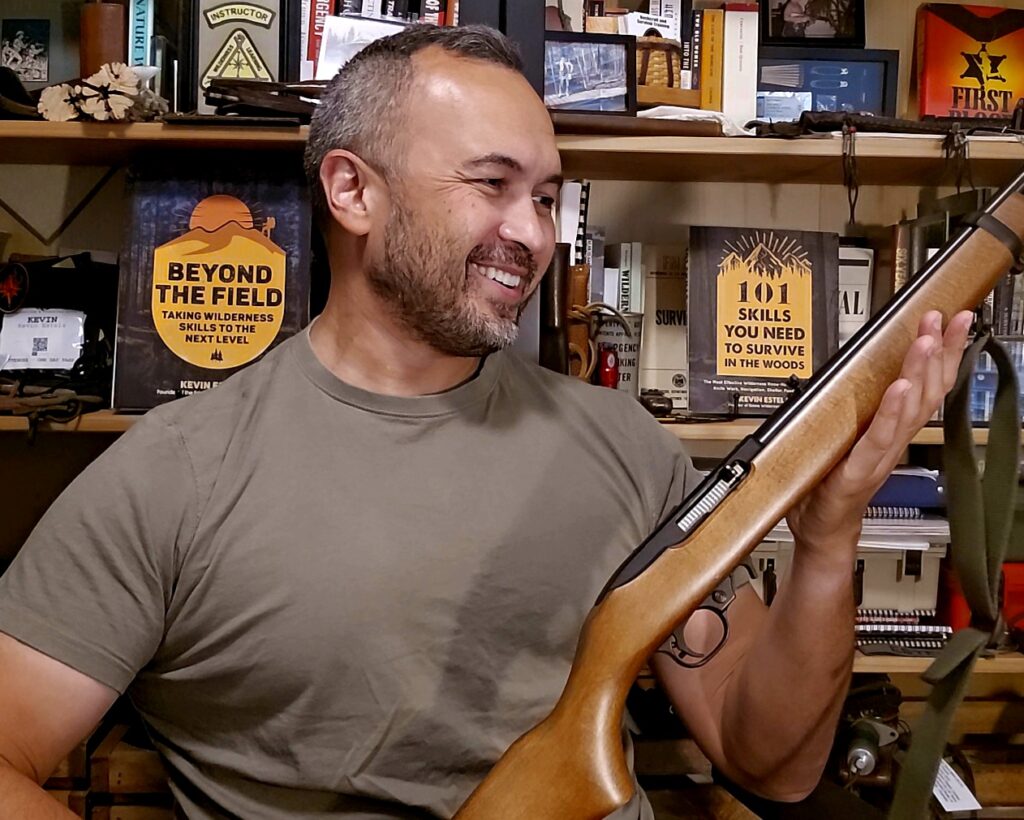

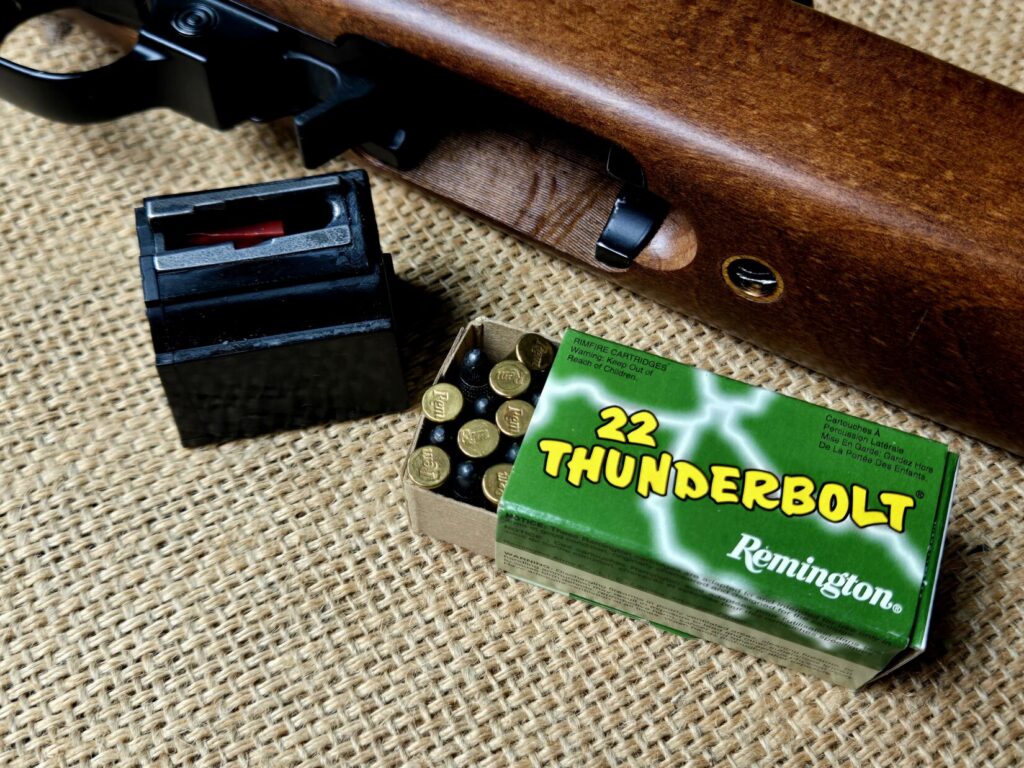
It’s funny what memories stand out over time. When I think back to my first real firearm, I vividly recall taking that trip with my father to Dick’s Sporting Goods on the Berlin Turnpike in Newington, CT. I recall the first ammo purchased for it was a 500-round brick of Remington Thunderbolt.
I remember my father telling me stories of using a .22LR in the Philippines to hunt birds and wondering what kind of trips I’d take my Ruger 10/22 Carbine on. That was well over three decades ago, and yet, those memories are as clear as day.
My first .22 rifle wasn’t my last, and I have owned and sold lever action, bolt action, take down, and single shot 22s, but I will never let go of my first. Here’s an overview of that rifle that will potentially trigger your nostalgia.
Hunter Safety
When my father believed I was mature enough to own a .22 rifle, we made the trek to Durham, CT for the hunter safety course. In Connecticut, that was the prerequisite to purchase a firearm, and my father was the responsible adult who planned to purchase it.
Back then, I remember driving to that firearms safety course with my dad in the passenger seat because at age 14, he thought I needed to practice driving. Thank you, Dad; the practice has served me well. I smile thinking about those days and whether or not the informal driver’s ed was sound training.
That hunter education course taught me the rules of the firearms safety book. We learned to unload rifles before crossing obstacles, learned about the danger of mixing 20 ga shells with 12 ga, and we also learned that a .22 rifle round could travel a mile and a half. That last detail meant I couldn’t use it in the basement of my parents’ home like I did with my air rifles and pistols.
My father always stressed firearms safety, and even to this day when I travel home to see him and my family, he asks me if my firearms are unloaded when they aren’t on my person.
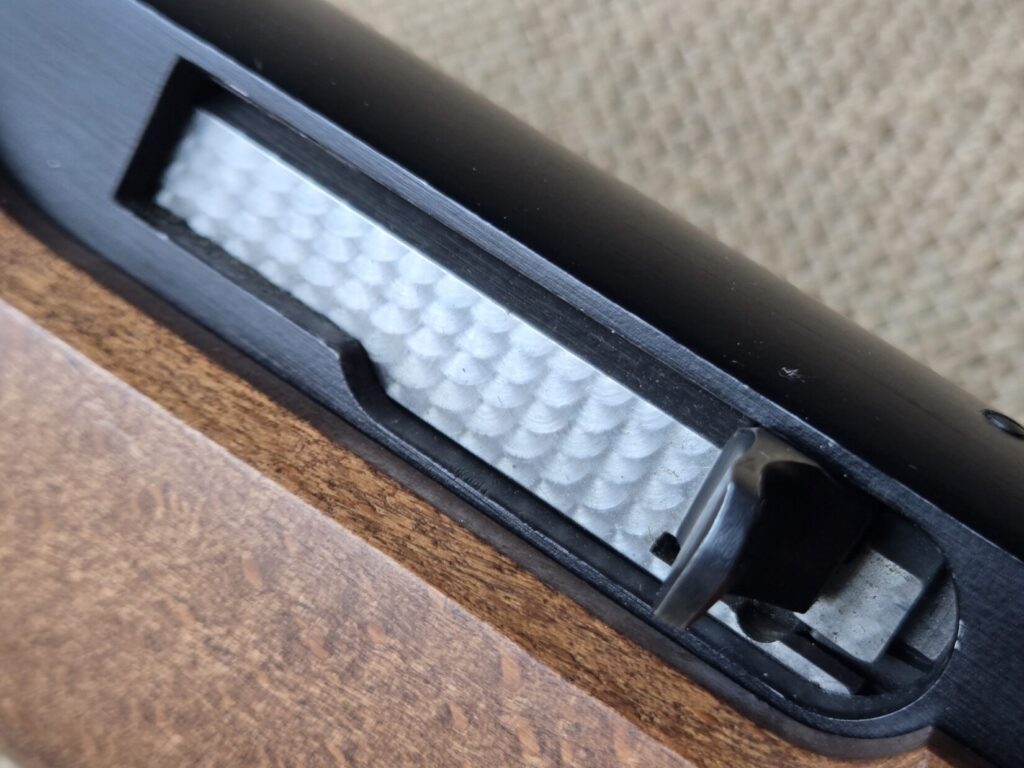
Why the 10/22?
Before the age of the internet (That makes me sound really, really old), the only ways to learn about firearms were analog. You had to speak to people at gun counters, read magazines and firearm catalogs, and see firearms on television shows.
When I was a preteen, I got a rise out of calling companies and requesting print catalogs sent to my name and address. These catalogs were dubbed “Fantasy books,” and they were filled with no shortage of photos staged for dramatic effect.
The photos inspired the readers to emulate what they read and what they saw: old soup cans on a fenceline with rimfire round holes in them, a rabbit taken while hunting next to the forend of a high-gloss presentation-grade rifle with an open box of ammunition, a father and son looking down range with an expression of excitement on the son’s face and approval on the dad’s. All of these photos worked their magic, and they drew me in.
I remember the Ruger catalog and peering over the features of the rifle. My dad liked the idea of the carbine-size firearm and told me he used a carbine while in ROTC in the Philippines. Years later, I’ve become the one who writes for magazines and takes photos like those of my childhood to include in my books for the same reasons.
First Rounds
The first rounds I fired were at the Bristol Fish & Game Club on the Bristol/Wolcott line. At the time, my father was a member of the club, and I was his son/guest. We went to that club for the range and for the private pond stocked with rainbow trout.
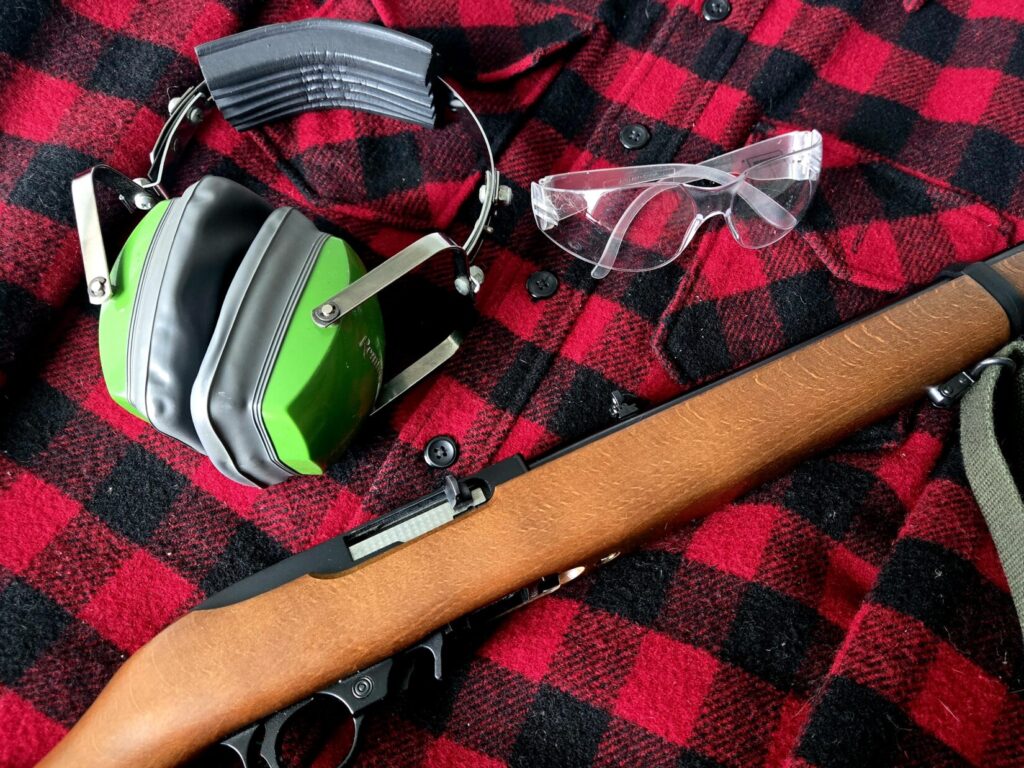
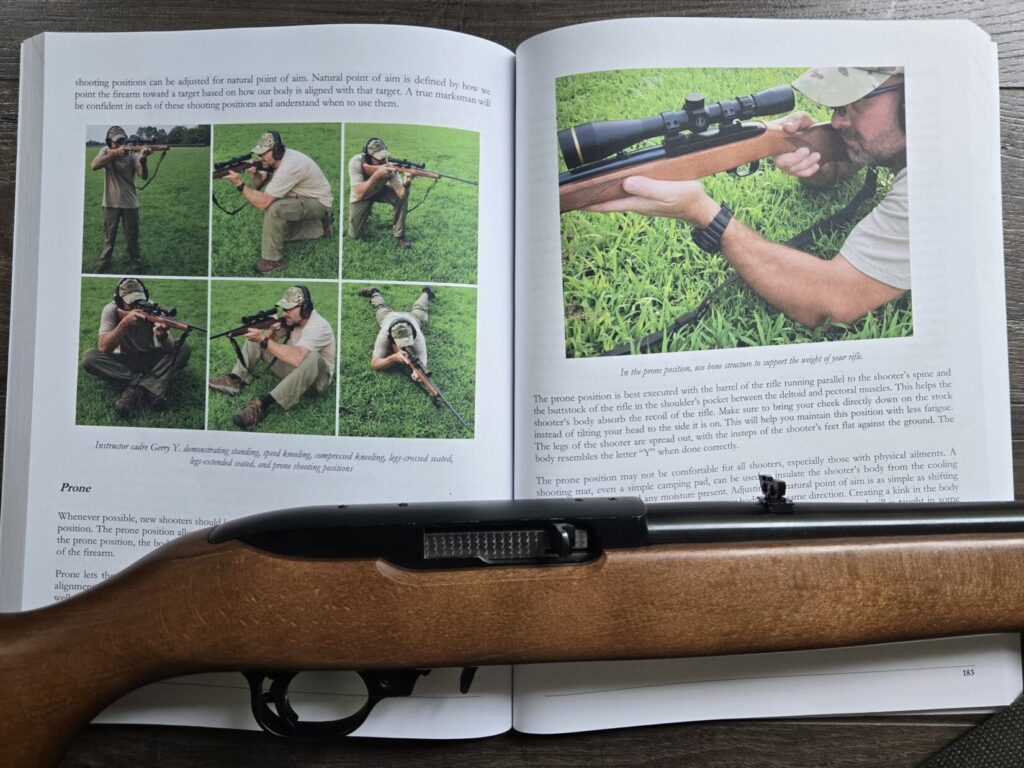
We went to the range, and I sighted in at 25 yards. I tacked up bullseyes on the backer, returned to the shooting benches, and waited for the “clear to fire” command from down the line. I put on an inexpensive pair of Remington ear pro and shooting glasses and rested the forend of the rifle on the wooden rifle rest with carbon-fouled carpeting to protect the stock.
Since it was a sporting club, we could only load five rounds at a time, and there was no rapid fire. My little 16” barreled rifle and walnut stock was accurate; more accurate than me.
While some of the firearm fundamentals of marksmanship transferred over from air rifles to rimfire, it still took many years for me to become a competent shooter.
Luckily, at that time ammunition was dirt cheap. A box of 50 rounds of ammunition was only 50 cents to a dollar. That was something I’d pick up when I’d ride my bike down to Fall Mountain Sports on North Main Street, only about a mile and a half from my childhood home. I went through a couple of boxes easily each time I hit the range and would eventually put thousands more through that rifle. In my mind, I had leveled up and a passion was born.
I went home that night and used an introductory-level cleaning kit with a three-piece rod, Hoppes solvent, and WD40 for coating all metal surfaces. Who doesn’t remember what HOPPES smells like?
Friendships and Evolution
That Ruger 10/22 was a great conversation starter when I met people who had similar interests to mine. I remember becoming great friends with a classmate of mine as we discussed firearms and over-the-top 1990s knives. Frank and I would later become “junior members” at the Fish & Game club our fathers belonged to only after volunteering at the game dinner, scrubbing chilli pots, and working in the kitchen.
Frank had a Marlin Model 60 and one of our mutual friends had a Ruger 10/22 also, but his was stainless with a Bushnell optic if I remember correctly. I’m fairly certain that after seeing that optic, I started saving my pennies to purchase a Bushnell “22 Mag” scope for mine. When I worked as a lifeguard, I was making somewhere between $5 and $7 an hour, so it took some time after taxes.
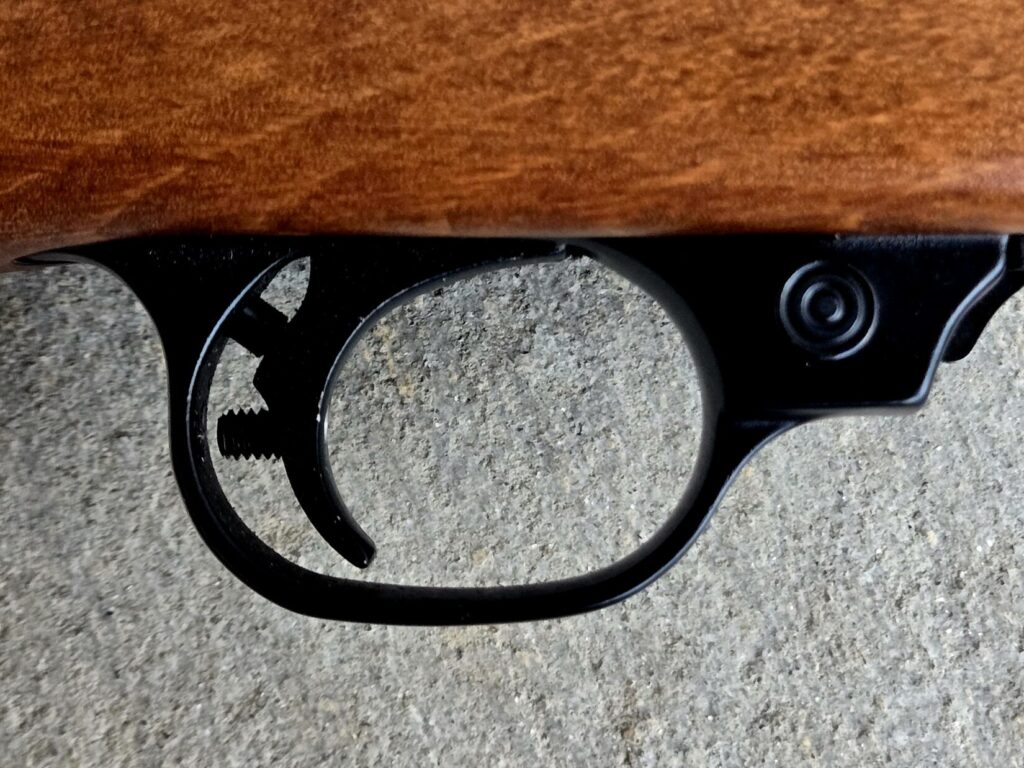
My first .22 is a firearm that I took on many trips to the north woods once I realized it was a great travel companion. If I took a trip to New Hampshire or Maine, I packed that rifle in my vehicle.
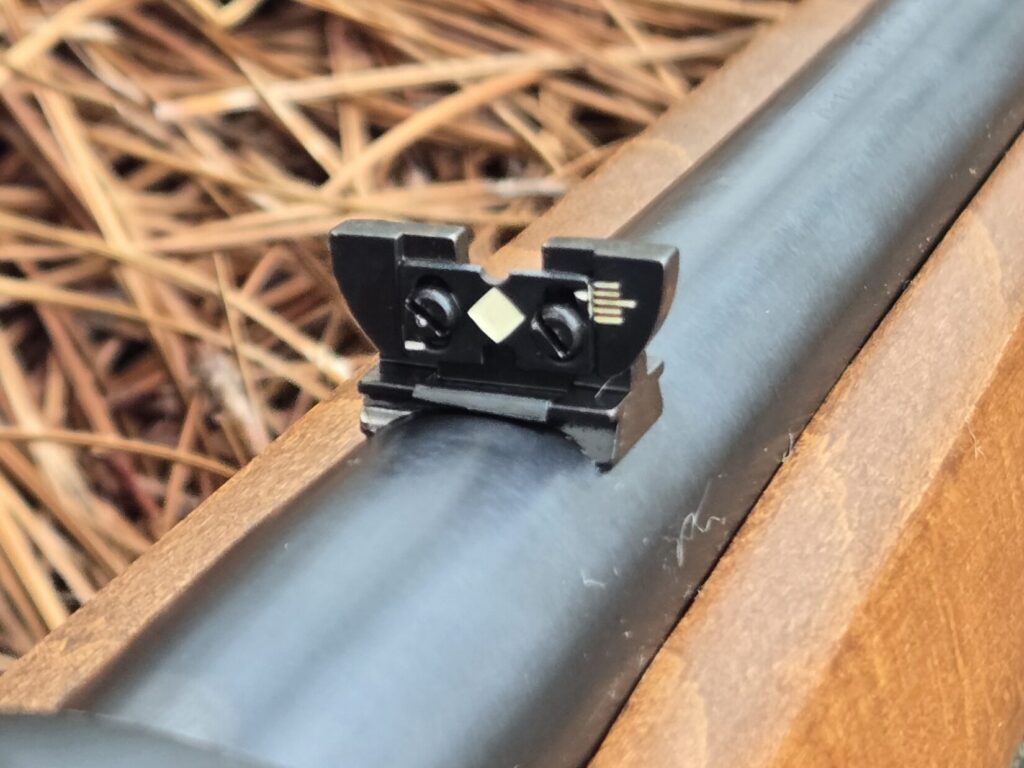
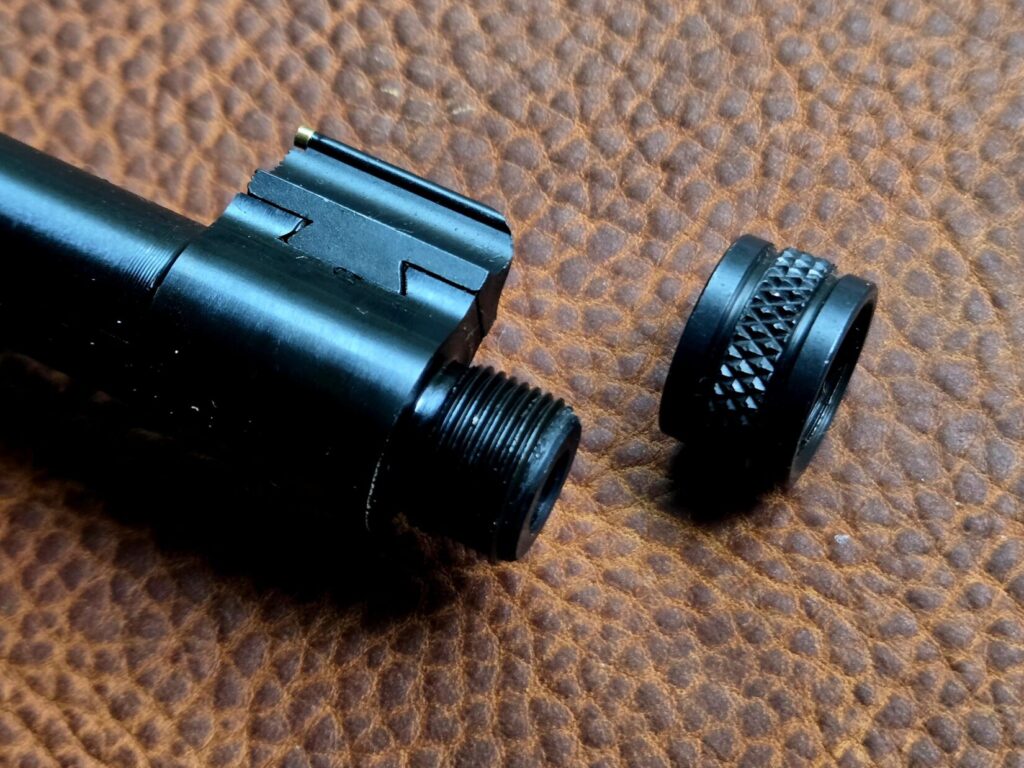
As I learned of aftermarket accessories, I started modifying my rifle with different stocks, barrels, optics, and magazines. I eventually returned that rifle to its original form by searching out OEM parts on eBay. Now, the only difference between the rifle I once had and the one I have is that the barrel is threaded with a thread protector.
I own another 10/22 that is the sporter model that gets more range time these days, but I still take out my original to take me instantly back to my childhood.
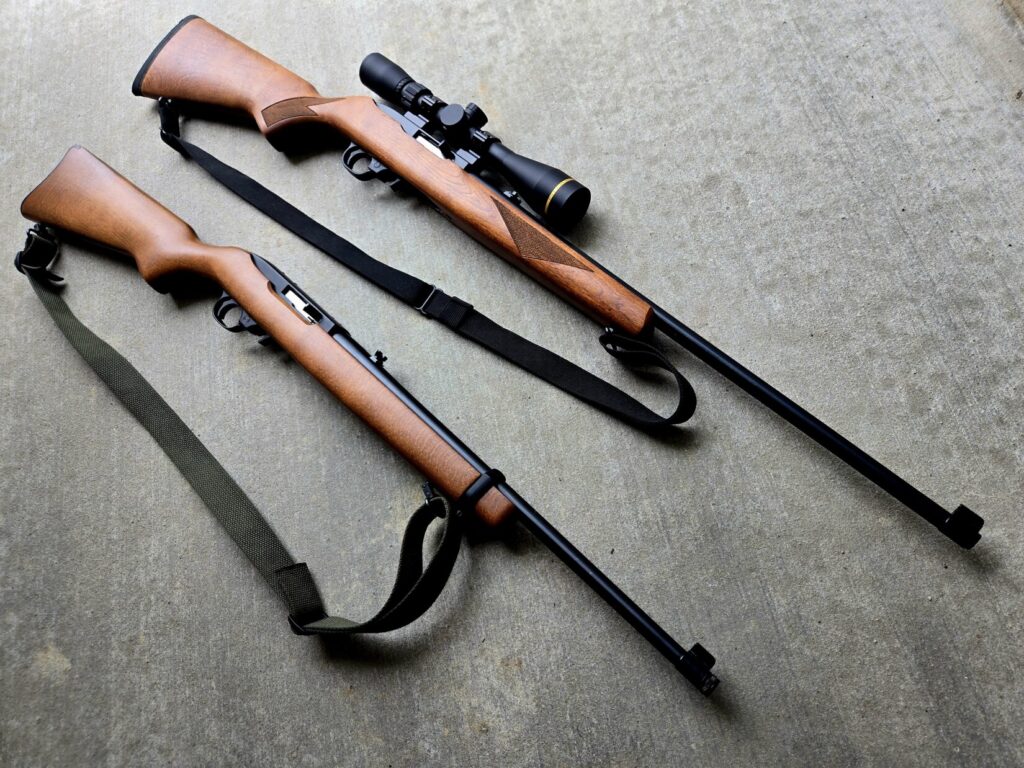
There’s a phenomenon called “cue-dependent memory” when an object triggers recall of memories.
When I started writing this blog, I was going to go into the history of 10/22 from 1964, the millions in production, and the comparison of the rifle to the current offerings. It was nearly impossible to set aside the memories from over three decades of use, and perhaps this blog will make you re-examine your first firearm and the details around it.
Firearms are inanimate objects, and the user commands them to function as they do. Along the way, we collect memories as our tools pick up character in the form of nicks and surface wear. The story of my first .22 rifle isn’t just a story about the firearm; it’s an early indication of who I’d eventually become.
So many firearms have stories and history like mine. It’s easy to get wrapped up in the latest and greatest new releases and forget about those that have been with us as long as this one. You may end up with just as many .22s as I’ve had, but I’ll encourage you never to forget your first.
We hear second amendment advocacy groups speak of traditions. Those traditions start with the memories we make, like those surrounding my first .22 rifle.