
Sometimes it’s just easier to do something new when it feels like you have a fresh start, and the beginning of the new year is a great time for fresh starts.
For gun owners, there are several areas where we can make improvements with a New Year’s resolution. This could be how we train, what gear we carry, how often we carry… and more.
If you’re not sure where to start, here are some ideas to get you on track.
1. Training: Give yourself a goal
Training is the most important resolution for any gun owner. Having great gear only works if we know how to use it. Just about every gun-loving writer brings this up on a constant basis. The problem is that training can be hard to fit in our schedule, and it’s never ending. When something doesn’t really have an end in sight, we tend to put it off.
This is one reason why making a resolution and a goal for the new year is important. We need to have something we can measure, and a goal we can reach. Once we reach that goal, we set new goals that continue to challenge us, regardless of skill set or gear.
When it comes to most skills, the general rule of “use it or lose it” applies. Have you ever tried to do something you were good at 10 years ago, and realized you’re more than just a little rusty? Training isn’t just for getting better; it’s for maintaining a skill set as well. We need to practice regularly so it stays familiar.
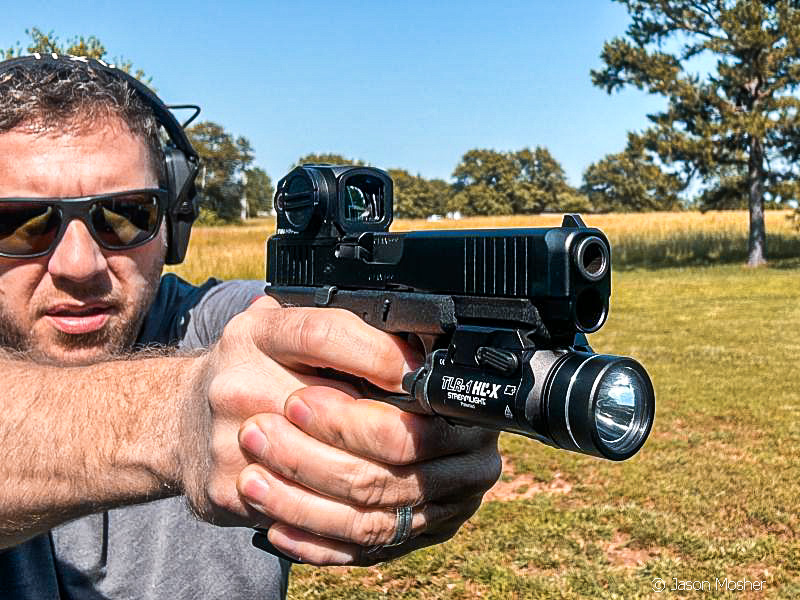
To make the most out of your training, I’ve found it’s good to set up goals. This could be increasing your magazine change time, getting faster at hitting a target at further distances, etc.
The best way to build a New Year’s resolution plan for training is to list your goals on paper. When you write something down, you will be more likely to follow through with it.
Make a plan, track your progress
First, define your focus area. What areas do you need to work on? I like to work on a broad range of skills that would help with everyday carry. This means I work on speed shooting at a target (threat), magazine reloads, moving and shooting, and so on.
Once you have identified the areas you want to work on, create a training plan. This plan should have an assortment of drills that allow you to measure your progress. Going out and just shooting at a target isn’t as helpful as running a Bill Drill, Dot Torture Drill, Ball and Dummy Drill (failure to fire drill), or others.
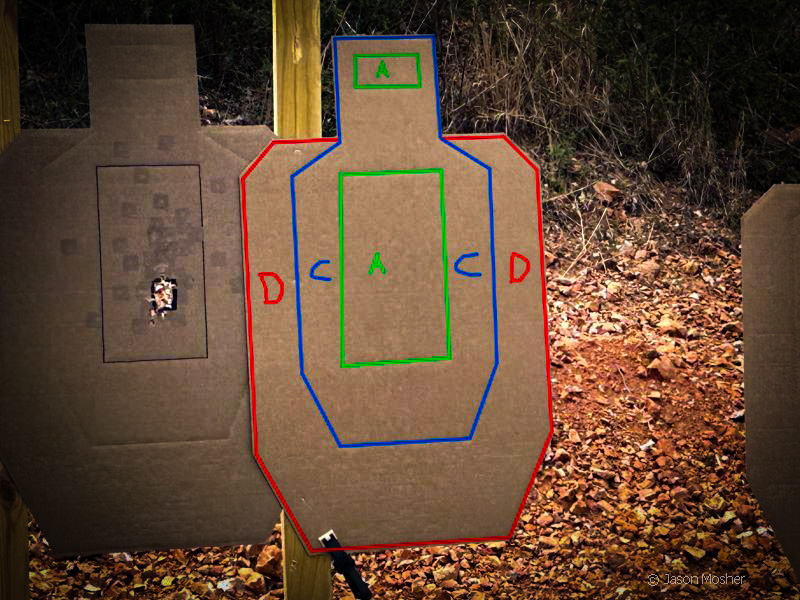
As you perform these drills, track your progress and work toward your goal. To set up a goal, I like to run each drill once and record the results. Then, I look them over and decide where I would like to be at the end of the year.
My favorite all-time drill is the D.O.P.E. drill, because it takes into account your time and accuracy and gives you a total score. You can simply work toward a preset score you set when you create your training plan.
2. Concealed carry for personal protection
A lot of people have compact firearms and holsters for concealed carry, but one thing I found when teaching firearms classes is that very few people actually carry their firearm. Have you ever met someone who bought a gun for home defense and then unloaded it and locked it up in their safe? Well, buying a concealed carry handgun and holster and then leaving them at home or in your car is kind of the same thing.
I’m not saying you must carry a gun around if you don’t want to or are not comfortable with it. But if this was another one of the things you plan to do but put off, now is a good time to change that.
Carrying a concealed firearm is a little bit of work. It’s much easier to run to the store in your pajamas and flip flops, but the easiest way is not always the best way. It’s a responsibility, but there is a reason behind it. We want to protect ourselves, right? So, if you do, then do it now, not later.
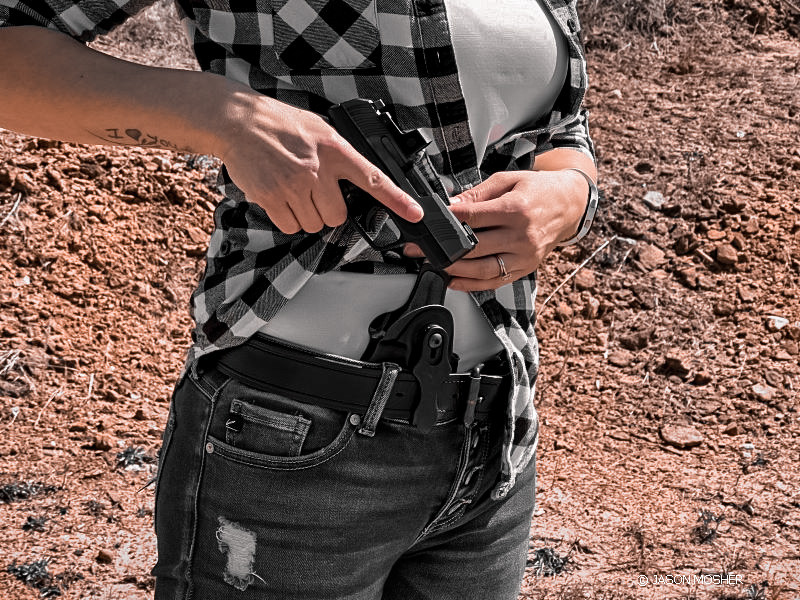
Criminals will not announce their intended crime ahead of time so that you can be prepared. Well, most of them don’t anyway. It’s easy to fall into the mindset of “that won’t happen to me.” The honest hard truth, however, is that it can happen to anyone, anywhere, any time. You can’t control what another person is planning to do, but you can control how much you prepare for a possible incident.
Make a goal of carrying your firearm when you leave the house so you are ready to defend yourself at any moment.
3. Inspect and upgrade your gear
Ok, I’ll admit, this is one area I struggle with. I’m a gear junkie. Gun gear, hiking gear, zombie apocalypse gear, I like it all. Being able to write about it is really just a great excuse to buy it, use it, and store it somewhere. But how many of us have gear crammed in the garage, closet, or gun room that needs repair, is outdated, or is not set up?
The first time I told my wife I bought gas masks for our kids, she looked at me like I had just escaped from a mental ward. In an unconvinced tone, she asked me to see one. I ran off to fetch it and had to dig through some crates I had safety packed away for “doomsday.” 15 minutes later, I presented her with one, and her reply was, “If it takes that long to get them out, we probably don’t need them.”
And she was right. What good are gas masks if it takes a while to get to them? I’m guessing it would have taken me another few minutes to open them, then open the filters, then show the kids how to put them on.
I was letting the idea of gas masks make me feel safer, but they weren’t really much good the way I was storing them.
So, another good New Year’s resolution is to make a list of your gear. Go through each item you have and decide if it’s something that needs to be replaced, upgraded, or some other action taken.
4. Budget for those items you “want” but can’t afford
Just about every gun-guy I know is an impulse buyer, at least when it comes to guns. It’s not often I leave the house and announce I’m off to purchase a gun. What happens is you stop at your local store to “look around,” and while you’re there, you see something you just can’t live without.
Every gun you buy is the gun you’ve always wanted, right? Except we all have those guns or other gear that is just a little beyond our price range.
Guns and gear don’t have to be impulse purchases. As you inspect your gear, decide if there are items that should be upgraded when possible.
It’s ok to buy a budget handgun, so you have something to defend yourself with. There are plenty of reliable, budget-friendly guns out there. But it’s also ok to upgrade your gear over time.
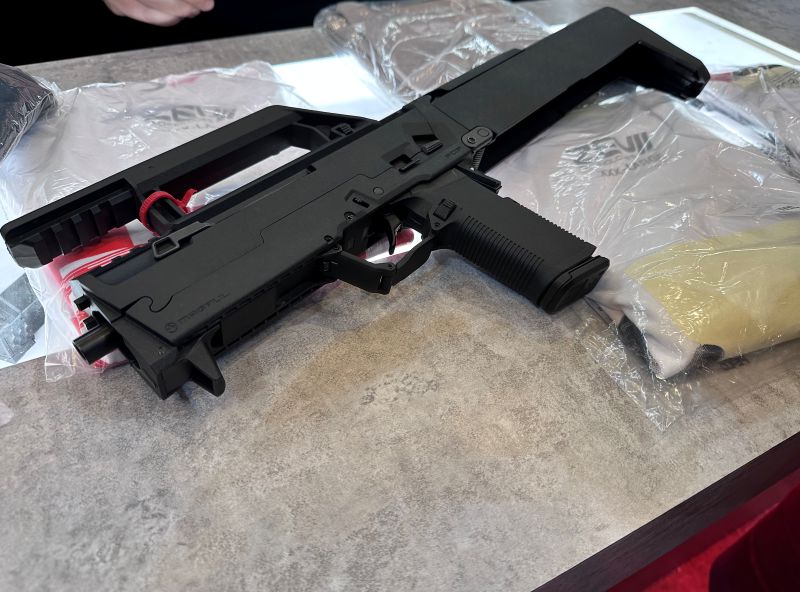
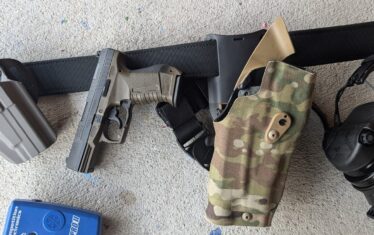
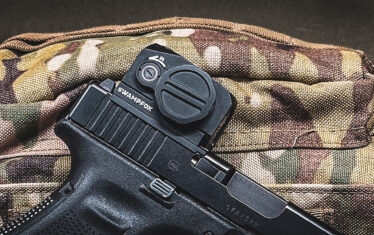
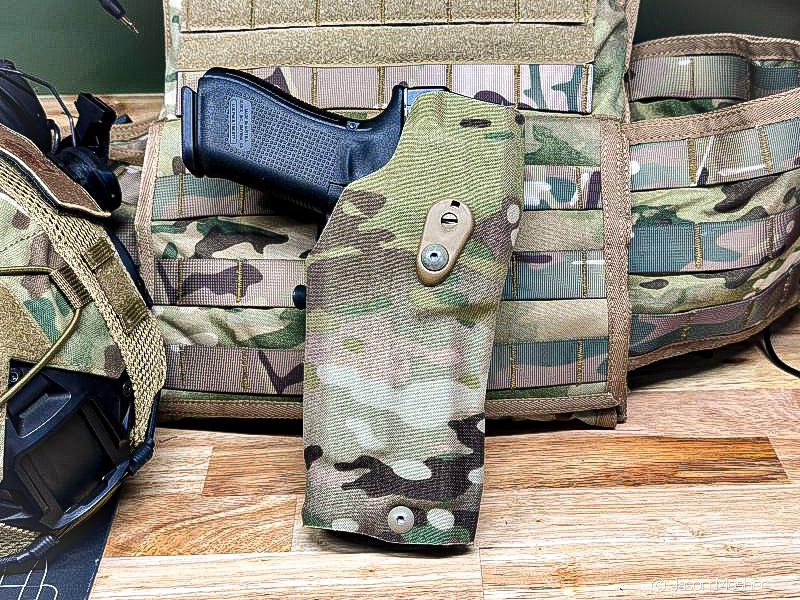
Make a list of gear you would “like” to have if money weren’t an issue. Then go through that list and decide (in a practical sense) what items you really do need to upgrade. It may be a newer and more advanced holster system for your Glock pistol. Or it could be upgrading to higher-quality defense ammo, a better optic for your firearm, etc.
The point is, make a plan, set a goal, and have something to work towards. For most of us, this is a great way to stay motivated, involved, and ultimately, prepared.