
Winter is coming. We can’t stop it, but we do need to prepare for it. For those living a fair bit north of the equator, winter can be more than a wonderland.
Anyone carrying a firearm, be it for duty or defense, should consider how the drop in temperatures can affect their firearms and gear. Today, we’ll break down how to adapt your tactics to resist the cold and be ready for the fight.
The Condensation Killer
The primary concern in cold-weather maintenance is going to be condensation. As you transition from an external cold environment into a warm environment, condensation develops inside your gun. When you go back to a cold environment, that condensation can then freeze.
I experienced this during some cold-weather training years ago.
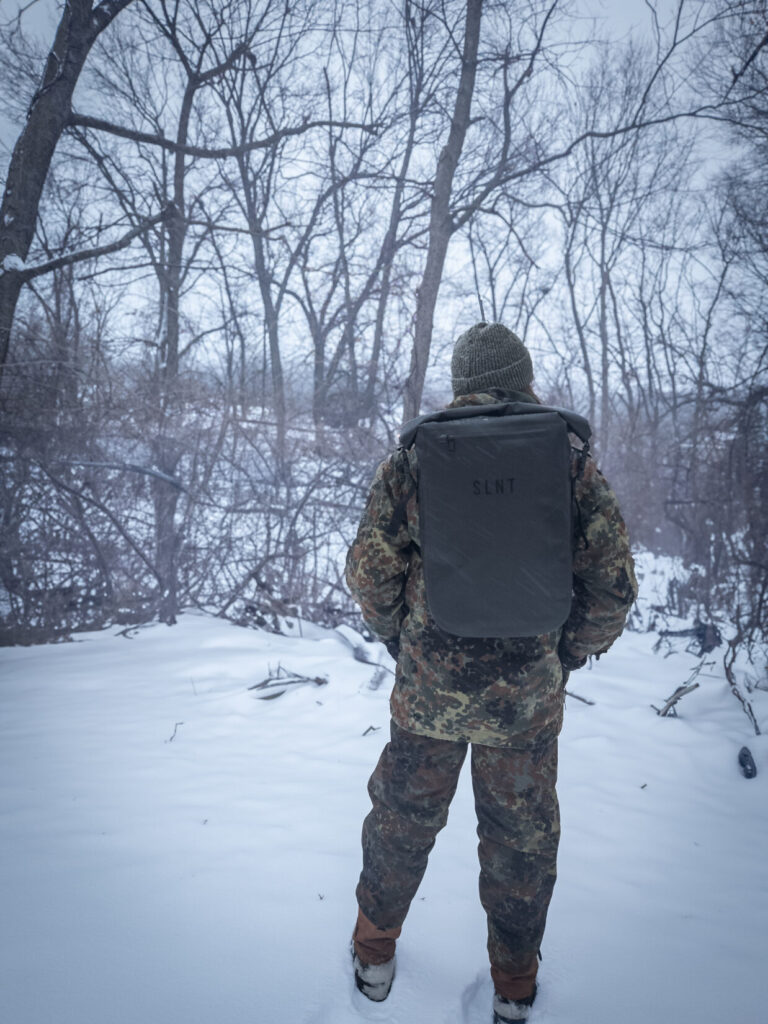
After a patrol, we’d huddle inside a tent and warm up a bit before the next exercise. At one point, we realized the bolts on our rifles were frozen shut. As we moved from a cold environment to the warm tent, condensation developed. We then went out on another exercise, and the moisture from the condensation froze and effectively locked our weapons up.
The best thing you can do is slowly warm the weapon up, but that’s not realistic or easy to do. It’s better to keep a dry towel or rag handy to wipe the gun down before re-entering a cold environment.
Weapon Maintenance In the Winter
When the temperature drops to those below-freezing and sub-zero temperatures, the way you maintain your gun becomes crucial. Some oils used to lubricate firearms don’t play well in the cold; they can thicken or gum up, which can cause a sluggish action at best. At worst, they can gum up a firing pin and cause a failure to fire.
Most common oils are okay in the cold. Your base level CLP does okay, but you want to use as little as necessary. Oil, then wipe it off, leaving only a slight layer on the surfaces that require it. Too much lubrication can attract moisture.
If you’re in those well-below-zero situations, low viscosity gun oil is the way to go. There are plenty of options these days. Breakthrough High Purity Oil is a good option for those extreme cold environments.
Lights and Optics
Snow can be one helluva reflective surface. Reflective surfaces can be a major hassle when it comes to using weapon-mounted lights. Modern weapon-mounted lights are extremely powerful, and snow can reflect that light backward.
The easy way to avoid this is to avoid shining the light directly at what you intend to observe. You can use the spill from the light rather than the hot spot to search for and identify potential threats.
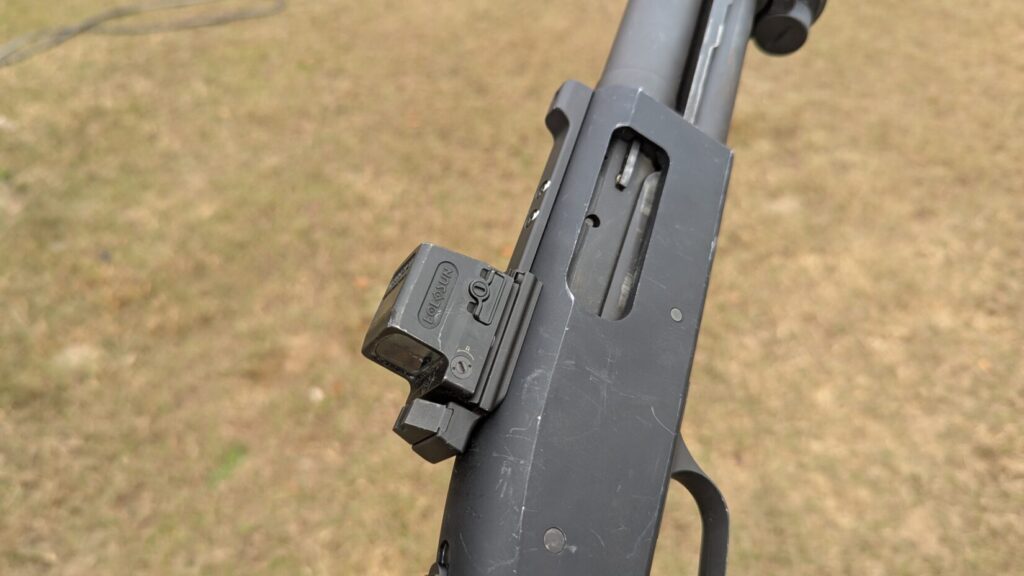
Depending on the temperature shift, the zero on your optic can change. Modern, high-quality optics can take a massive temperature change without issue. However, lower-end red dots may lose their zero and experience a substantial zero shift.
Both optics and lights utilize batteries. Batteries can be affected by the cold. Battery capacity is decreased, and there is increased internal resistance, which leads to less overall output. Additionally, batteries can take longer to charge in the cold.
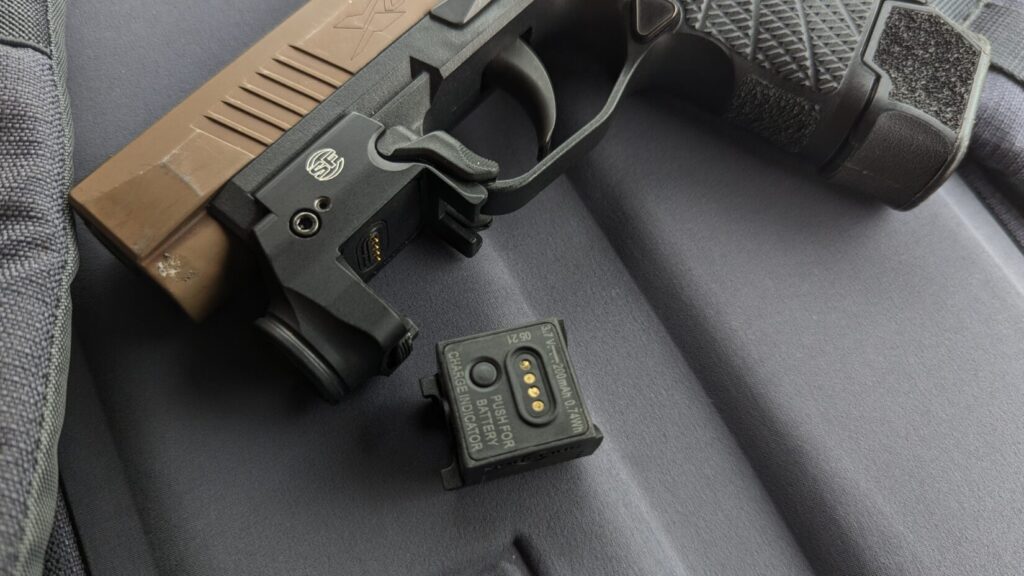
Much like firearms, these attachments can be affected by freezing condensation. Buttons, switches, and similar controls can freeze over and be more difficult to utilize on the fly.
Adapting to Winter Bulk
We all gain a little weight with Halloween, Thanksgiving, and Christmas all in a row, but that’s not the bulk I’m discussing. I’m talking about the bulk generated by warming layers. Hoodies, jackets, gloves, fleeces, and more all play a role in your ability to access your weapon, especially when it comes to concealed carry.
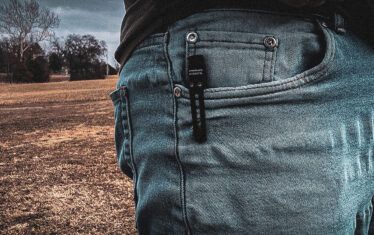
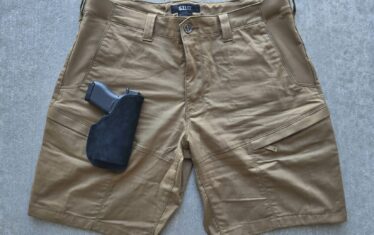
I become a big fan of shoulder rigs when the temperature drops or when I eat too much and have to undo my belt. You may decide to change your carry orientation and utilize alternative methods like shoulder rigs, pocket carry, or even going to an OWB (Outside the Waistband) carry method.
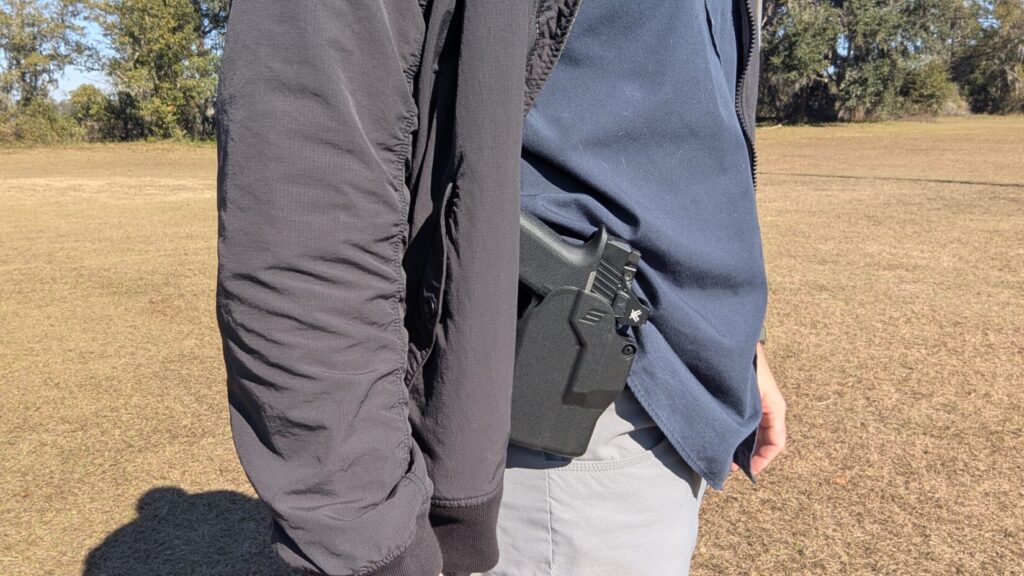
There are also purpose-built garments with quick-access features on jackets like zippers, buttons, magnets, etc.
Regardless of whether you’re planning to change your carry method or not, you need to train accessing and drawing your firearm in your normal winter wear. You may need to institute a sweeping motion for clearing jackets, or a hooking method to lift sweatshirts and fleeces to access your IWB firearm.
Make sure your daily dry fire practice integrates your winter wear, or you are practicing with your new carry method enough to be sufficient.
Going Bigger
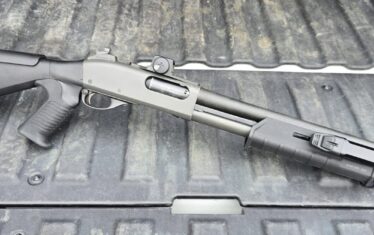
Winter carry allows for more garments, which makes it easier to conceal a larger firearm. The old joke is that Winter carry can be anything from a Glock 34 up to an FN FAL. This is true, but going bigger might be a tactical choice rather than a convenience choice in the winter.
Bigger guns are easier to shoot. They have less recoil, tend to be easier to control, and easier to shoot accurately. That matters, but in the winter, it also tends to be easier to manipulate larger handguns.
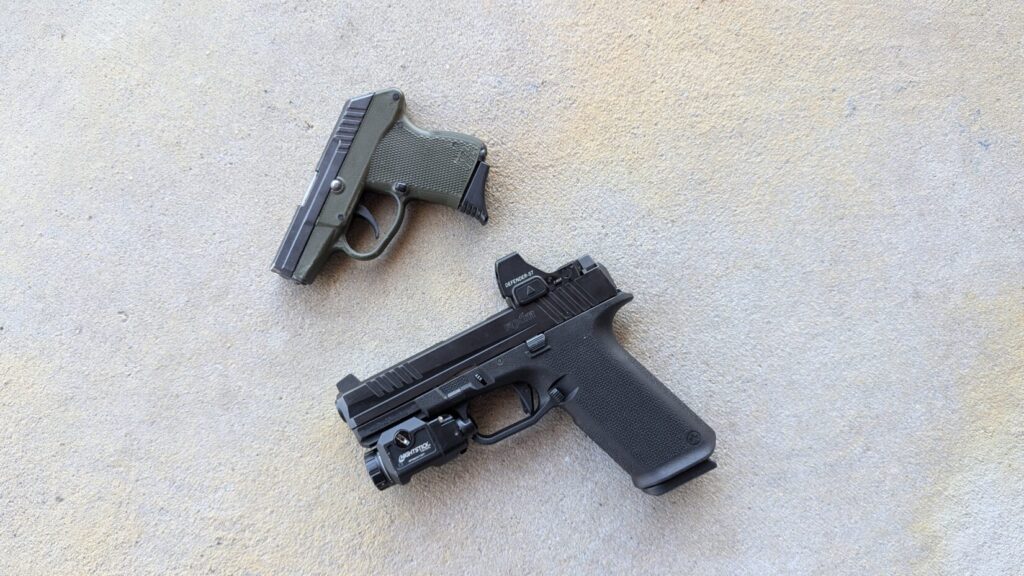
When you’re dealing with gloves, a larger gun is easier to use. You have more slide to grip, larger magazine releases, and often larger trigger guards. Reloads are easier with bigger, wider magazines.
For folks still needing a deep concealment gun, there are options.
I tend to stick to a revolver in a pocket holster over a pocket automatic. Revolvers have large controls and are easy to use with gloves. The trigger guards tend to be fairly small, which can make heavy winter gloves an issue.
The Holster Problem
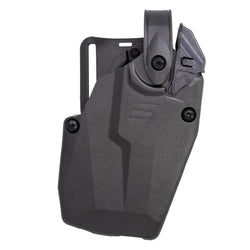
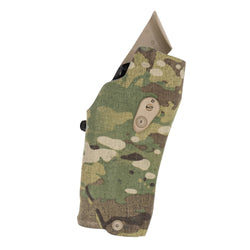
Cold hands, or gloved hands, or a combination of the two, can be a challenge when it comes to operating your holster. Safariland holsters use fairly large controls that only require simple movements to defeat. The SLS hood and ALS lever are easy to engage and utilize with minimal dexterity.
Still, the movements should be retrained if you are wearing gloves or with cold hands. Some outdoor dry fire may be necessary to ensure you can properly draw the gun quickly and efficiently.
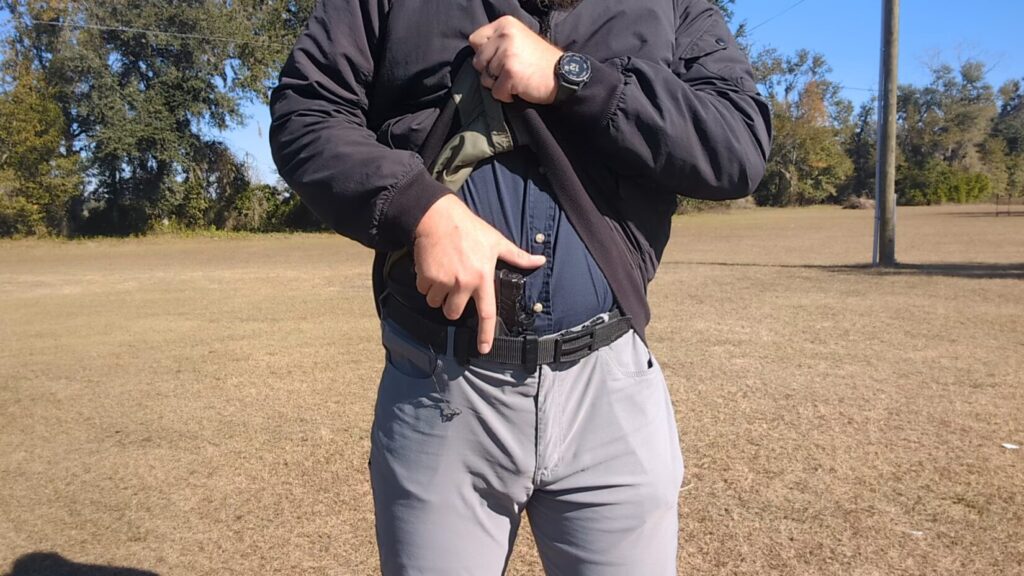
This type of practice should be done daily, and should be done in your winter attire.
The materials used to create Safariland holsters are capable of resisting temperatures down to -50 degrees Fahrenheit. Internally, holsters like the 7TS series feature raised stand-off surfaces to clear snow, dirt, and whatever else gets in there.
Getting Winter Ready
As the cold sneaks into the year, we have to be ready for it. Proper planning, preparation, and training are the keys to success with winter carry. Changing your carry style, carry gun, and how you dress are all important considerations.
It doesn’t take much effort to prepare for winter, and it should be something you’re planning to deal with right now. Remember, winter is coming, so be ready for it.