
The firearms and ammunition industry continues to evolve as new materials and manufacturing methods emerge. Shell Shock Technologies, LLC is one company driving this evolution through its development of the Nickel Alloy Shell (NAS³) two‑piece cartridge case. Unlike traditional brass cases, NAS³ cases combine nickel‑alloy stainless steel with aluminum, producing a lighter, stronger, and more corrosion‑resistant alternative. They are also engineered to be less abrasive and self‑lubricating, reducing wear on firearms.
History and Development
Founded in 2015, Shell Shock Technologies set out to address long‑standing limitations of brass casings, including weight, durability, and heat dissipation. The company developed a two‑piece case structure designed to improve pressure tolerance and maintain structural integrity over multiple uses.
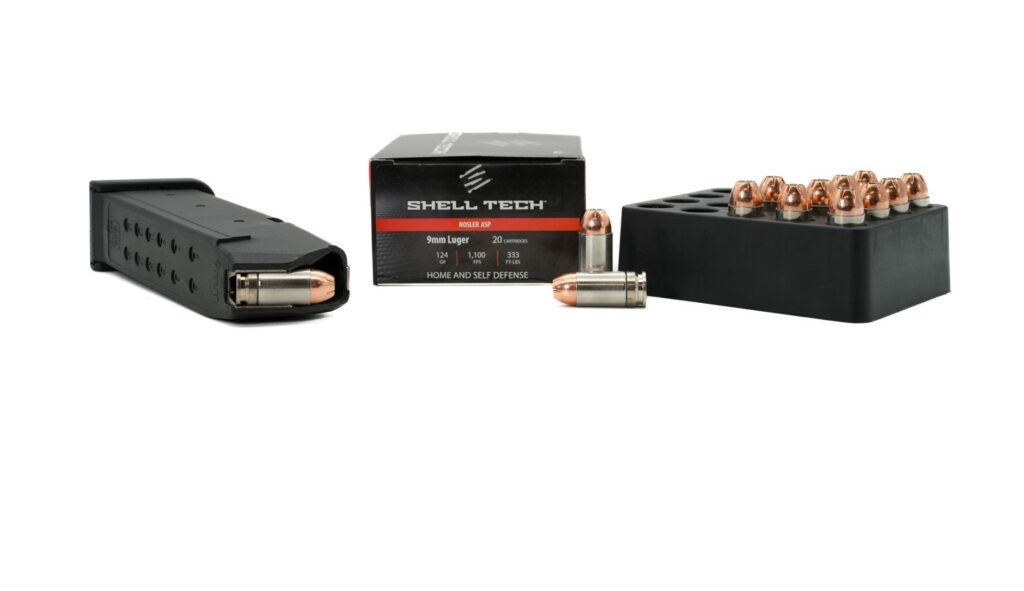
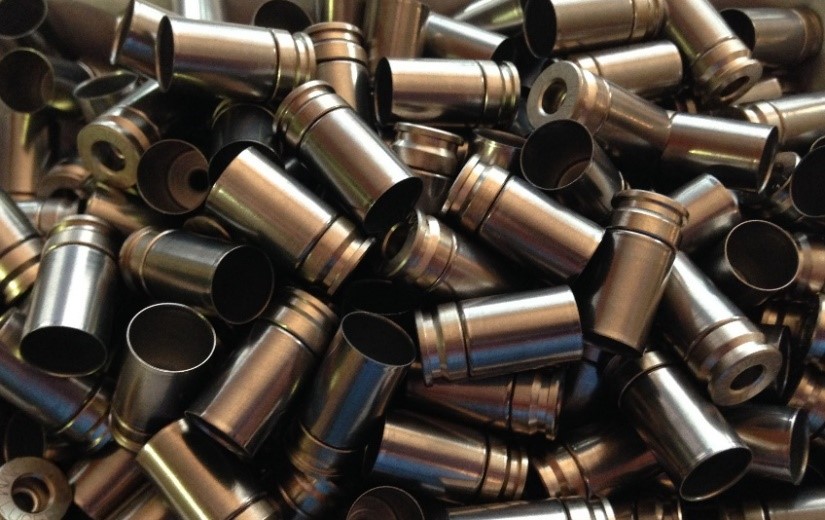
The NAS³ case pairs a nickel‑alloy stainless steel cylinder with a nickel‑plated aluminum base for pistol calibers, or a stainless‑steel base for rifle calibers. This structure increases internal case volume and aims to deliver more consistent ballistic performance. Initial development centered on 9mm pistol cases, and by 2018, the company began adapting the technology for rifle calibers such as .308 Winchester, 5.56 NATO, and .300 Blackout.
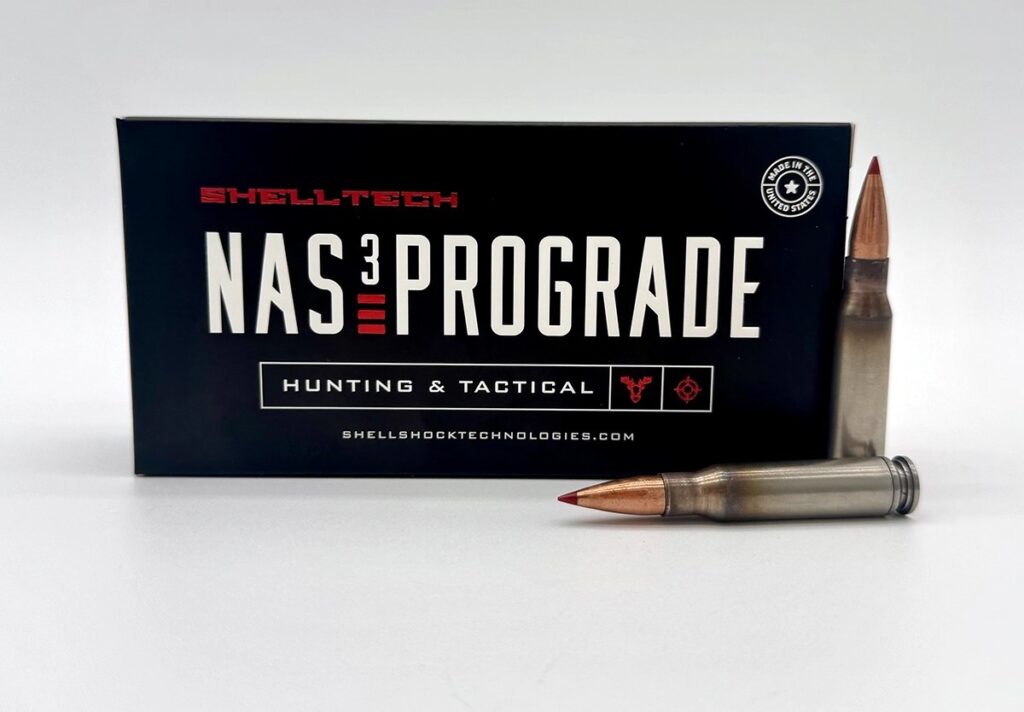
In 2024, Shell Shock Technologies introduced its Shell Tech Ammo line, built around NAS³ case technology. These cartridges are assembled with carefully selected primers, powders, and bullets to ensure consistent ignition and velocity. Current offerings include 9mm, .380 ACP, 300 AAC Blackout, 5.56 NATO, and .308 / 7.62×51 NATO, with additional calibers planned. The company also licenses NAS³ technology to ammunition manufacturers, including Phantom Defense. and BlackArc Munitions.
Technology Overview
NAS³ cases differ from traditional brass in several measurable ways. They are up to 50% lighter and exhibit higher tensile strength and elasticity. The aluminum base used in pistol calibers is more malleable than brass or steel, reducing extractor wear. The cases also provide slightly increased internal volume and are highly resistant to corrosion.
One of the most significant advantages of NAS³ cases is their increased powder capacity. The added internal volume supports a more efficient powder burn, which can improve ballistic performance. NAS³ cases are engineered to withstand higher pressures than brass, giving them greater resilience under extreme conditions. This combination of higher capacity and superior pressure tolerance enables the use of slower‑burning powders, helping maintain consistent pressure on the projectile throughout the barrel. In practical terms, this can yield higher velocities and improved accuracy.
NAS³ technology has also been adapted for high‑pressure calibers, where case strength and heat management are critical. These applications target military, tactical, and precision‑shooting environments.
Performance Characteristics
Several practical differences distinguish NAS³ cases from traditional brass:
- Weight: NAS³ cases are roughly 50% lighter than brass, benefiting users who carry large quantities of ammunition.
- Case Capacity: Increased internal volume supports more efficient powder burn.
- Heat Dissipation: NAS³ materials cool rapidly, and cases eject cool to the touch, potentially reducing chamber temperatures and wear.
- Durability: The nickel‑steel alloy body and nickel‑plated aluminum base resist deformation and maintain structural integrity under repeated firing. Independent military testing reported zero case failures under extreme conditions.
- Reduced Firearm Wear: NAS³ cases do not abrade or foul extractors or ejectors and do not balloon when fired in unsupported chambers, reducing malfunctions.
- Magnetic Recovery: The nickel‑steel alloy body makes the cases magnetic and easy to collect.
- Consistency: Precision manufacturing yields highly consistent velocities, with independent testing showing a 0.93 fps standard deviation.
- Reloadability: NAS³ pistol cases are fully reloadable and designed for repeated reuse.
- Cost: While more expensive upfront than brass, their durability and reloadability may reduce long‑term costs for high‑volume shooters.

Operational Impact of Lightweight Ammunition
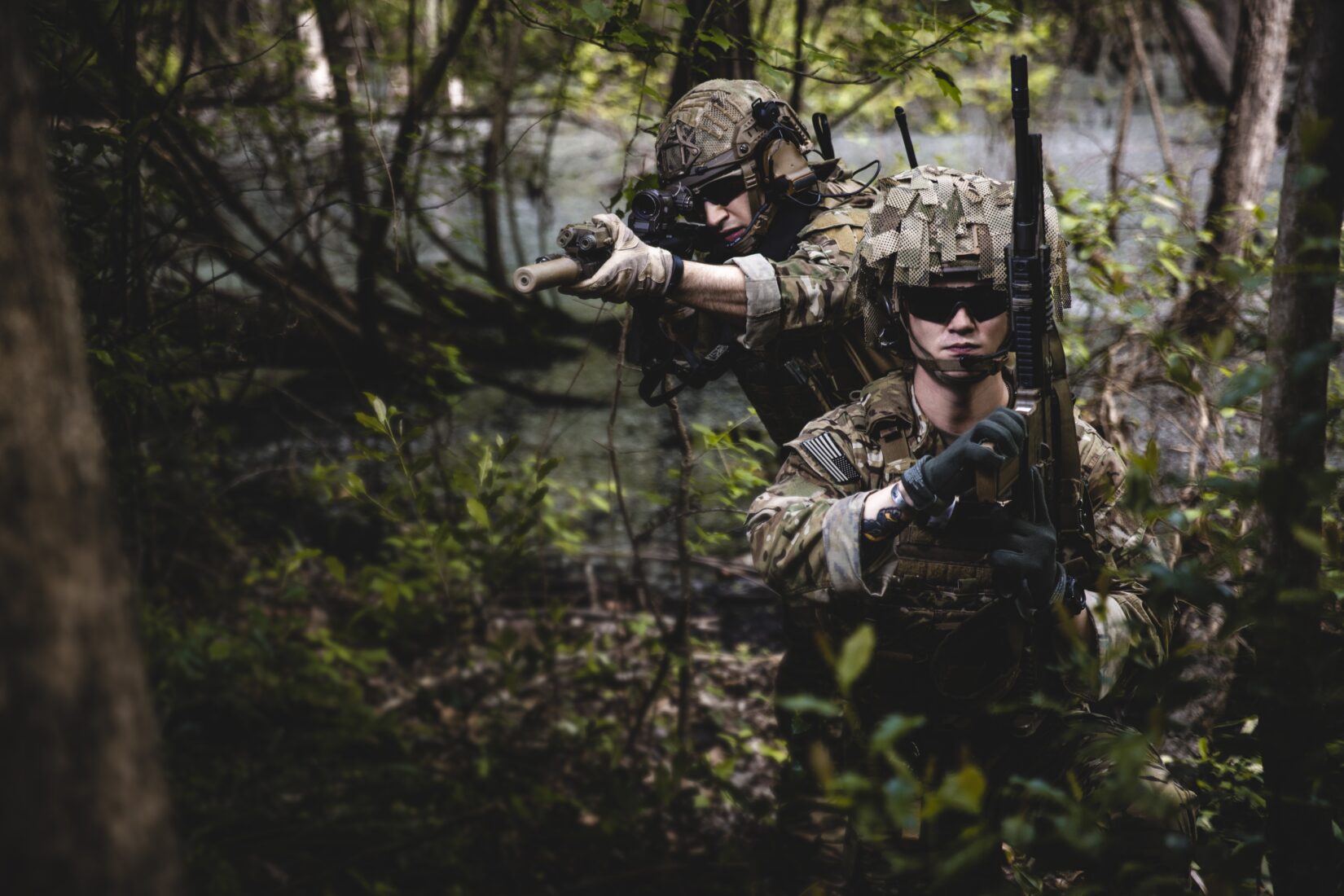
A 2024–2025 study by Shell Shock Technologies shows that reducing ammunition weight by 30% can have a measurable, life‑saving impact on the battlefield.
In a simulation of a 13‑man Marine Rifle Squad sprinting 100 meters across rough desert terrain, reducing each troop’s load by just 2.4 pounds dropped expected casualties from 8.9 to 3.5. This represents a dramatic improvement in survivability, shifting the outcome from most of a squad being incapacitated to most making it through.
But survivability is only part of the story. Lighter ammunition improves mobility, reduces fatigue, and allows troops to carry more rounds without increasing physical strain. For infantry, special operations forces, and anyone who has carried gear across unforgiving terrain, this translates directly into greater combat effectiveness.
The benefits extend beyond the battlefield. Shell Shock Technologies’ lightweight ammunition offers major advantages for military logistics. A 30% weight reduction in .50 caliber ammunition increases transport capacity and reduces the number of resupply trips required. According to company analysis, these efficiencies could save the U.S. military over $1.16 billion per year in fuel costs alone.
Lighter loads also reduce wear on weapons, vehicles, and aircraft. Less strain means fewer breakdowns, lower maintenance costs, and more operational time where it matters—on mission, not in the repair bay.
In short, Shell Shock Technologies’ lightweight ammunition is more than a performance upgrade. It is a force multiplier that improves troop safety, enhances mobility, streamlines logistics, and reduces long‑term costs across the military ecosystem.
Reloading Considerations
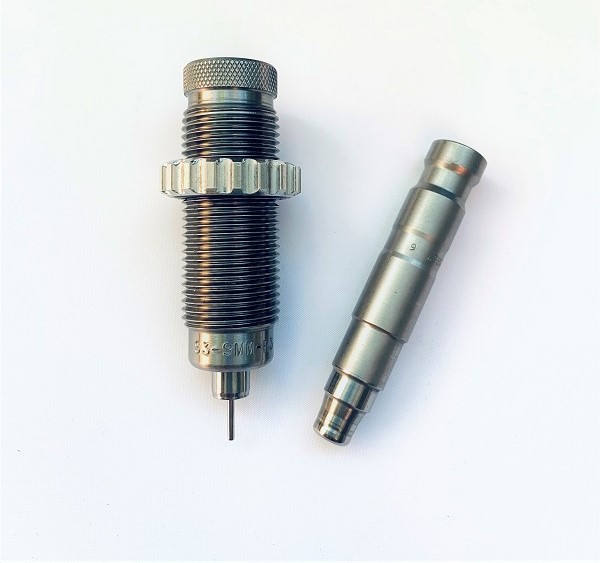
NAS³ pistol cases are reloadable when used with proprietary S3 Reload sizing and flaring dies, which employ an internal ejection system designed to reduce case stress. Standard seating and crimping dies can still be used for 9mm NAS³ cases.
S3 Reload reports that NAS³ pistol cases can endure significantly more reload cycles than brass, with demonstrations showing a single case reloaded more than 30 times. Rifle‑caliber NAS³ cases, however, are marketed primarily as single‑use. Some reloaders have reported limited success using standard dies, but long‑term reliability remains uncertain.
Testing at Naval Surface Warfare Center
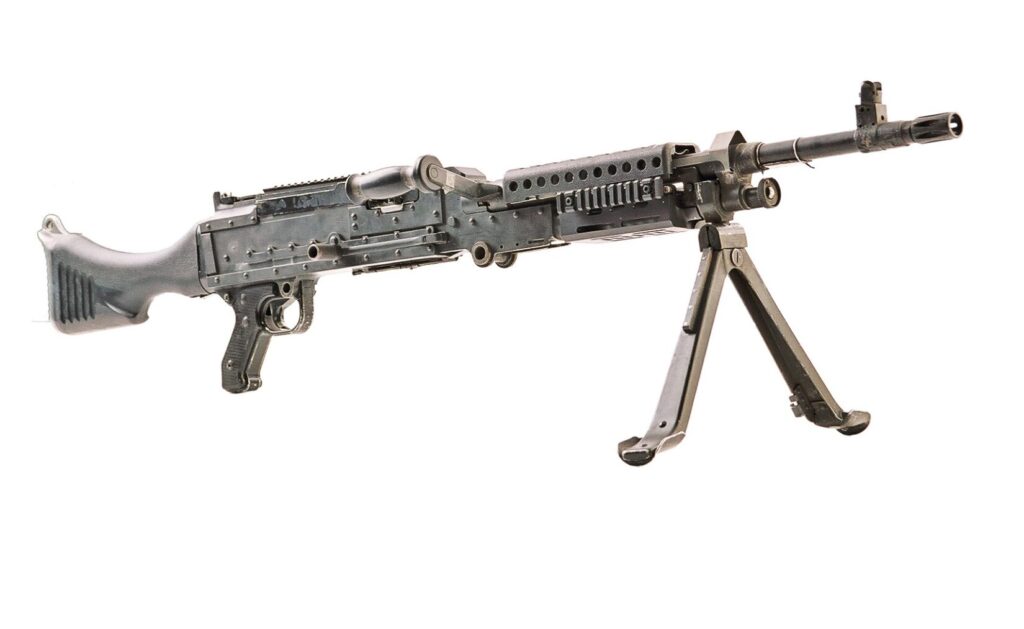
In May 2025, Shell Shock Technologies’ 7.62×51mm NAS³ cases underwent evaluation at the Naval Surface Warfare Center, Crane Division. According to the company, the cases experienced no failures during testing that included firing 155‑grain bullets at 50,000 psi and velocities of 3,000 ft/s through belt‑fed machine guns such as the M240 Bravo and the Minigun. Testing was conducted at ambient temperatures as well as extreme environmental conditions of −40°F and +160°F.
Challenges
Despite the advantages, several factors influence broader adoption:
- Industry Familiarity: Brass has been the standard for more than a century, and some shooters remain hesitant to adopt alternative materials.
- Manufacturing Complexity: NAS³ cases require specialized assembly equipment rather than traditional brass-forming processes. While the assembly approach is highly automated and significantly faster than conventional brass production—capable of producing NAS³ 9mm cases at rates of up to 16,000 cases per hour on a single machine—unit costs for smaller calibers can be higher than brass. However, as case size increases, material usage decreases relative to brass, making NAS³ cases an increasingly economical alternative in larger calibers.
- Compatibility: While NAS³ cases function in most modern firearms, certain older designs may require adjustments.
- Market Competition: Established ammunition manufacturers dominate the sector, making market penetration difficult.
Industry Impact
NAS³ technology has contributed to ongoing discussions about alternative casing materials in the ammunition industry. Adoption has grown among competitive shooters and some professional users, though brass remains the predominant material. Continued research and development will determine whether NAS³ or similar technologies gain wider acceptance.
Final Thoughts
Shell Shock Technologies and its Shell Tech Ammo line represent a significant effort to introduce new materials and engineering approaches to ammunition design. While the NAS³ system offers measurable improvements in weight, durability, and heat management, its long‑term role in the industry will depend on user adoption, manufacturing scalability, and continued performance validation.
he appearance of U.S. Department of War (DoW) visual information does not imply or constitute DoW endorsement.