
Opening with a quote seems cliché, but Frank Herbert had it right when he wrote, “Fear is the mind-killer,” in Dune. Fear is a real pain to deal with, and it’s a guaranteed emotional response in a high-stress situation. It might be a pain, but it’s also one of the most valuable instincts we have.
Fear is what helps ensure our long-term survival as a species. While fear can also be overwhelming, there is a way to feel fear and still perform to a high standard. We do that through training.
Scientifically, training can beat fear. If you’re serious about self-defense, you should understand how fear works and how training allows you to overcome it.
Neuroscientist Joseph LeDoux wrote a book called The Emotional Brain, and I was first introduced to the concepts within through a comment I read from Aaron Cowan, a firearms instructor and head honcho at Sage Dynamics. When he talks, it’s wise to listen.
How Fear Works
In the book, LeDoux details fear as the “high road” and “low road.” When you experience fear, it travels down parallel pathways. The low road is your uncontrolled response.
Have you ever turned a corner in your house and gotten scared by someone yelling, “Boo”? You didn’t expect anyone, so your heart starts to race, you instinctively flinch, and a small panic response begins. That’s the low road.
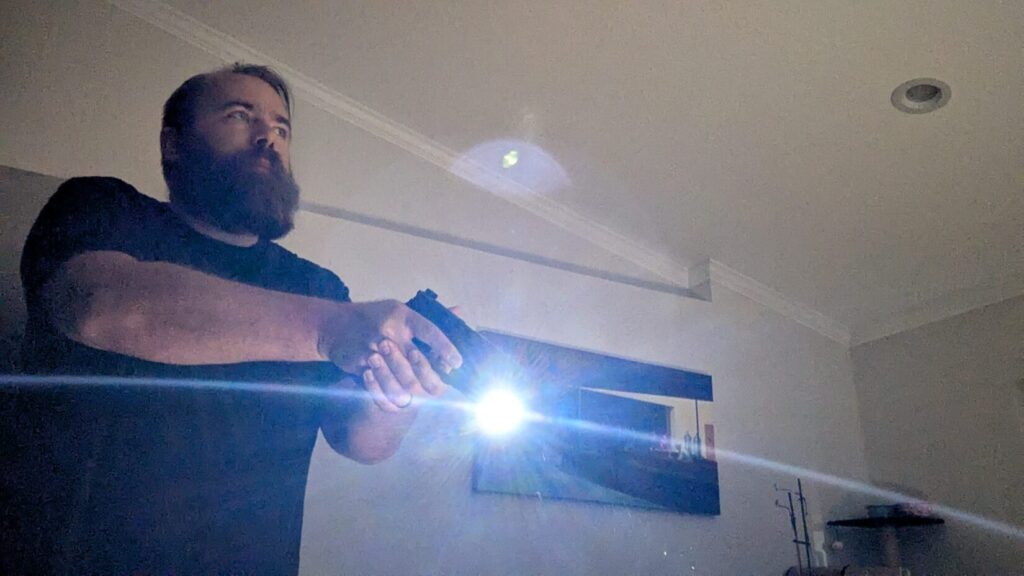
The thalamus sends a signal directly to the brain’s fear control room, the amygdala. It races past the logic part of the brain and produces that immediate flinch response.
Once you realize it’s just your eight-year-old playing a prank, you are experiencing the high road response. The thalamus sends the fear response to both the amygdala and the sensory cortex. The signal hits the amygdala first, causing the low road response, but the high road signal eventually hits the sensory cortex, travels to the hippocampus, and lands at the prefrontal cortex. The prefrontal cortex then sends information to the amygdala. Once you realize it’s your eight-year-old in a Scream mask, your prefrontal cortex tells your amygdala to take a chill pill.
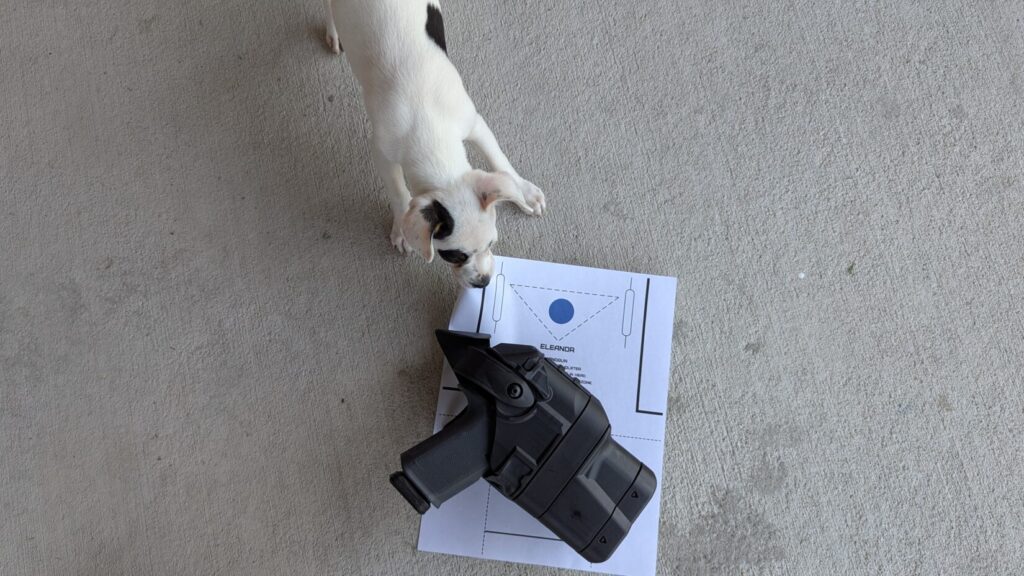
What happens when it’s not a prank, but an actual home invader? Your high road processes that as well. The hippocampus compares your current experience with all of your past experiences and sends that data to the prefrontal cortex.
The high road controls our response, and to achieve a proper response, we need to reduce cognitive load.
Everything we do requires cognitive power. If we get overwhelmed by fear, we experience cognitive overload, which leads to the “freeze” response.
Mental Response
When your brain gets overloaded by fear, you find yourself in a bad spot. This overload happens when you don’t know what to do at an unconscious level.
As a white belt in Judo, I often find myself in an overloaded situation during sparring. I get into a situation with an opponent where I don’t know how to react. I freeze because I have never experienced a suicide throw, and there is now a foot in my chest that’s tossing me on my back. However, over the months, I find myself getting overloaded less frequently as my skills improve.
How? Training. And lots of hours spent tossing and getting tossed by people.
Stress Inoculation
To reduce your cognitive load under stress, you have to build stress inoculation. Think of it as a muscle: the more you lift, the heavier you can lift. The more stress you encounter, the better you react to it.
You can raise your panic threshold so your prefrontal cortex can maintain control over the amygdala, which prevents you from being overwhelmed.
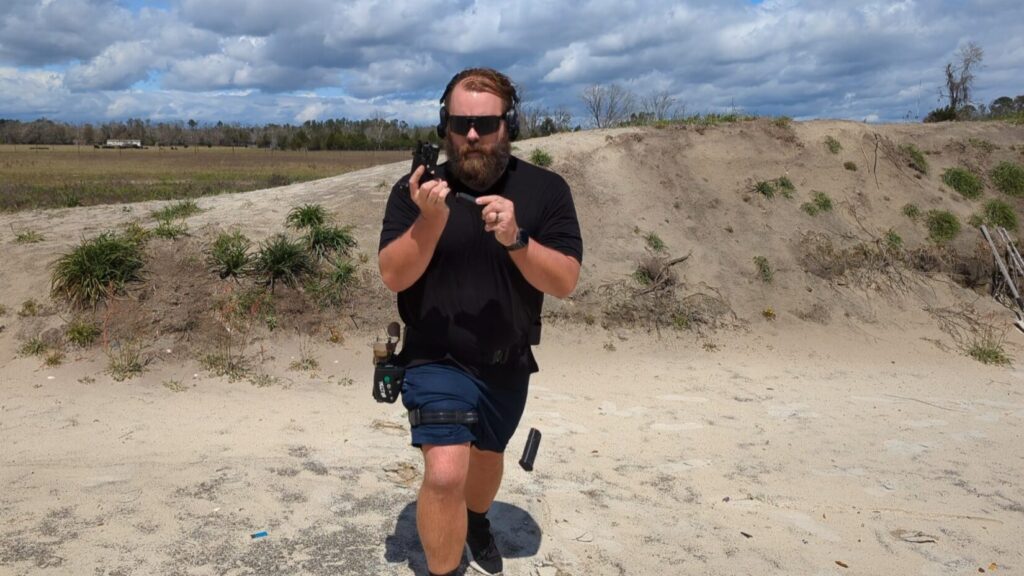
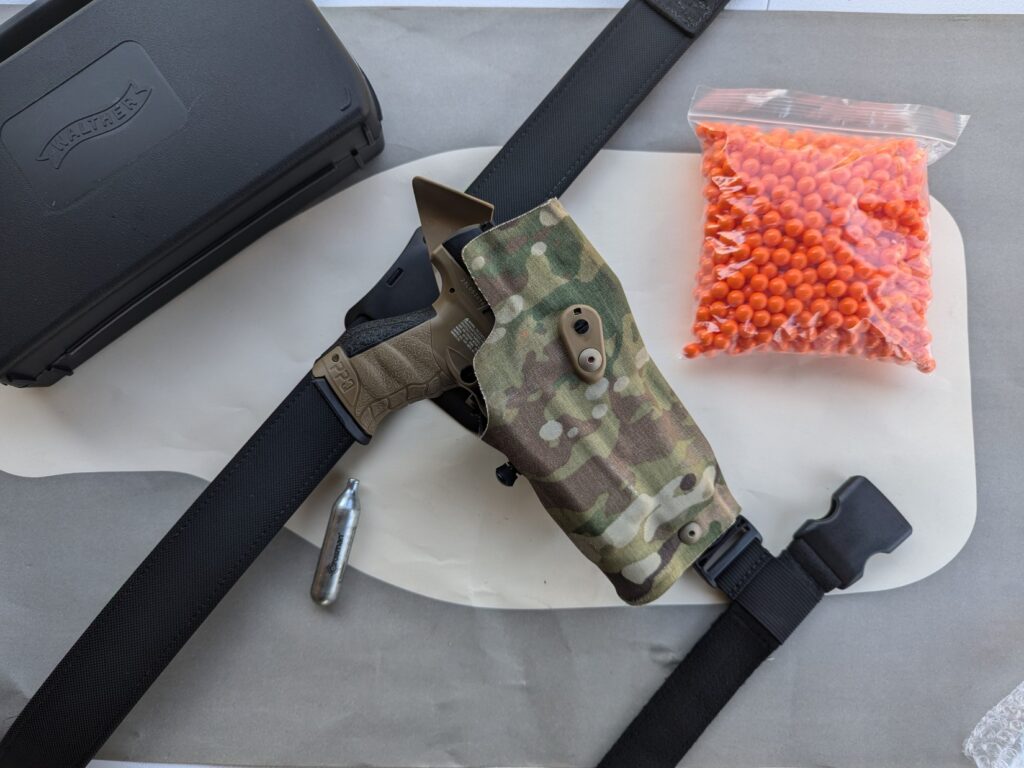
We can’t get into gunfights to build stress inoculation, but we can get somewhat close. One of the best tools to stress you out while forcing you to react is force-on-force training. This is done through simulated firearms, such as paintball markers, Simunition guns, airsoft, and similar tools. Proper force-on-force training adds an element of real-world stress with gun handling skills in a safe environment.
Working on your draw-to-first-shot against a person who is trying to shoot back is stressful. If they have a simulated knife and you have to engage before they reach you, that is also stressful. Force-on-force is a fantastic stress inoculator that puts your training to the test.
Another good inoculator is training as a whole, especially under the eyes of an instructor. If you’re new to firearms, shooting under an instructor feels stressful. This builds skill while stressing you out, which is a fantastic combination.
Competition is another easy form of stress inoculation. You have to shoot a complicated course of fire while people are watching, all while following strict rules to avoid being disqualified; tell me that’s not stressful.
Recognition-Primed Decision Making
In the middle of a self-defense scenario, you aren’t weighing every decision with a list of pros and cons. You have to act, and the brain uses pattern recognition to figure out the best course of action.
Training builds that pattern recognition by building a mental library of “if-then” scenarios. When something bad happens, your brain can pull from that library and provide a proper reaction.
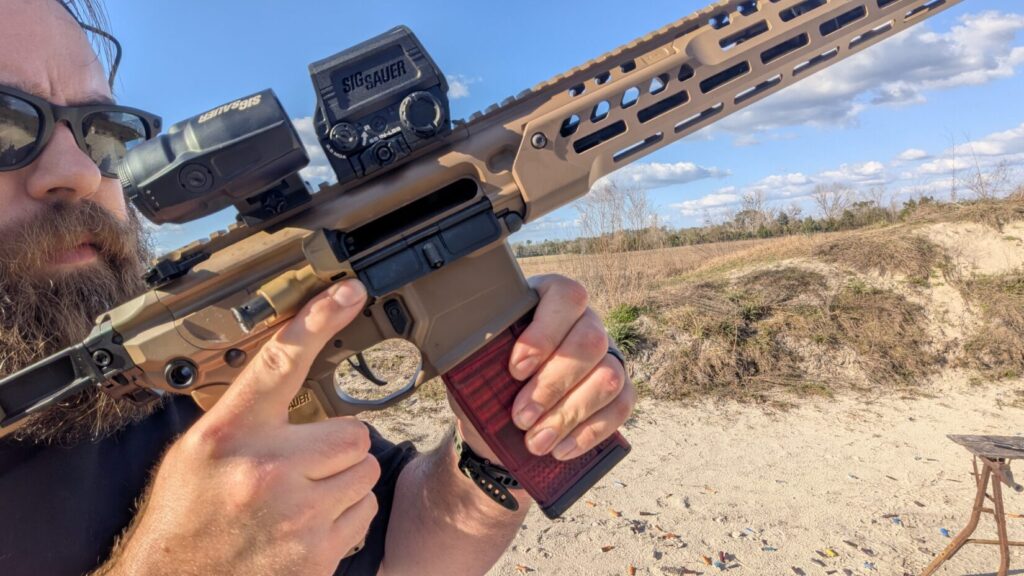
If the gun runs empty, you reload. If a guy charges you with a knife and you’ve trained your draw, you can draw quickly and efficiently to deal with the threat. Gun malfunctions? If the gun malfunctions and you’ve worked on those drills, you can quickly fix it and start shooting.
If you train a skill, you can pull it out of the library and react without having to list the pros and cons of your actions.
Implicit Memory
Implicit memory becomes the bank your brain draws from in high-intensity situations. People often call it muscle memory, but it’s more appropriately designated as procedural memory.
When you’re in a high-stress situation, explicit memory—which is memory you have to consciously recall—will often fail. You rely instead on implicit memory, where your procedural memory lies.
As you practice a skill over and over, your brain insulates your neuron’s axons with a fatty lipoprotein called a myelin sheath. This increases the speed of signal conduction.
When you learn a skill, you’re triggering myelin production. To put it simply: The more you practice, the less cognitive load is required to achieve the action; it becomes automated. You can react appropriately while freeing up cognitive load to continue dealing with the threat and an evolving situation.
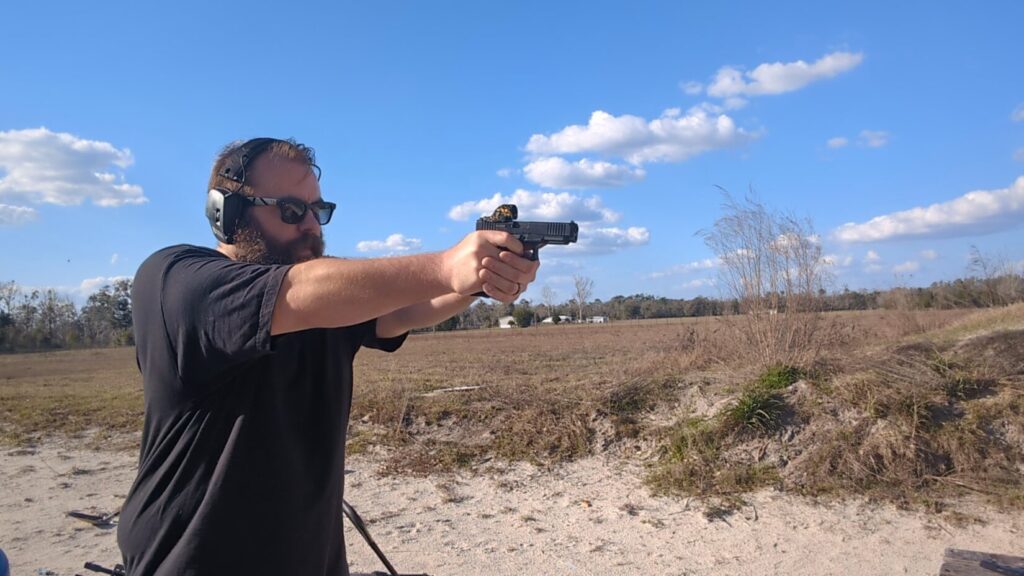
This is only achieved through repetitive training. For firearms, it’s lots of dry fire, live fire, training under an instructor, and getting those reps in to automate a skill.
Beating Fear
Training beats fear. This is not just macho talk; it is scientifically proven. Building skills reduces your cognitive load and allows you to use the high road of fear to make good decisions.
Procedural memory makes your firearms skills flow rather than being something you have to actively think about in the middle of a stressful situation. That procedural memory is only built through repetitive training and practice. If you want to beat fear and react when it counts, start training.