
Have you ever had a red dot fly off your gun and smack you in the head, and you discover a sheared screw and two bloody wounds on your forehead? It happened to me, and that’s what inspired me to discuss the failure points of red dots on handguns.
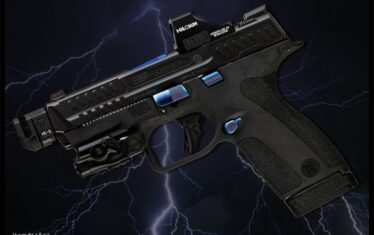
Adding optics to defensive and duty handguns was an absolute revolution. A red dot sight makes it easier to shoot faster, further, and with greater accuracy. Red dots are great, but they have failure points.
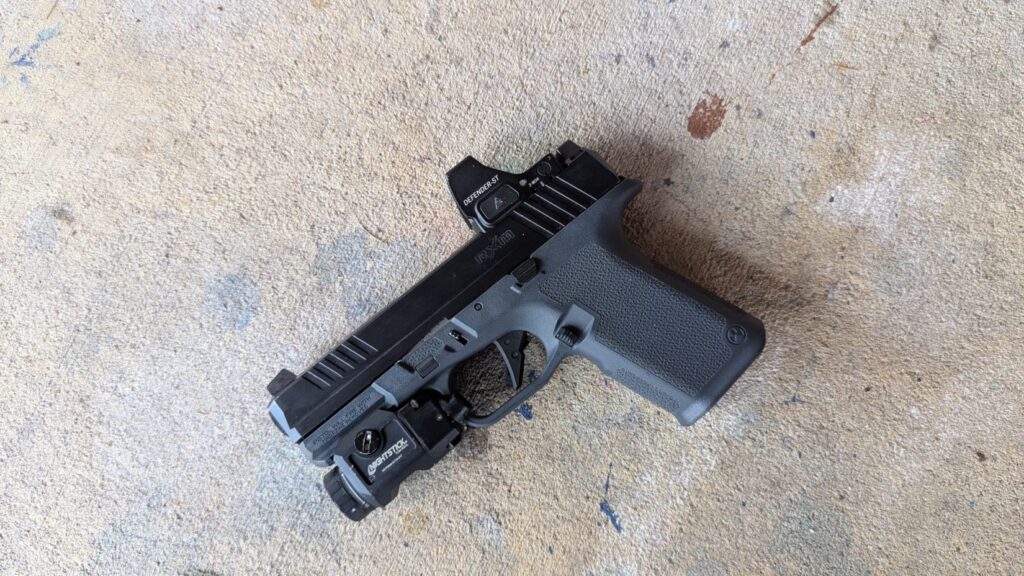
To be completely clear, I think red dots are a fantastic addition to a defensive or duty handgun. Most of my guns wear dots, and they’ll continue to do so. When we are dealing with something as crucial as self-defense, however, it’s important we remain aware of the downsides of anything we mount to a gun.
We’ll also talk about how to mitigate the failure points of red dots.
Why Are Red Dots Great?
It’s essential to understand why red dots are so beneficial, especially if we are writing an entire article about their weaknesses. The last intention I have is to provide a list of failure points without discussing the primary benefits.
First, red dots make it easier to shoot with accuracy. You have a single focal plane to deal with. Standard iron sights have three planes: the rear sight, the front sight, and the target.
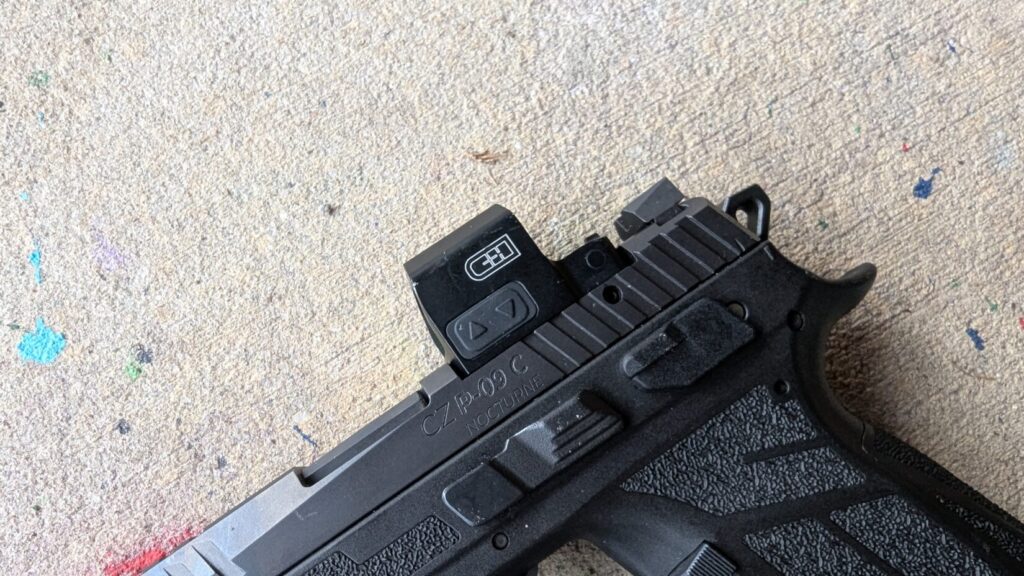
The use of a single focal plane allows you to focus on the target, and the dot will just appear over the target. You can watch the target without thinking about your sights. It’s faster and simpler.
The red dot is smaller in size than a front iron sight. It obscures less of the target, and this makes longer-range shooting much easier. My ability to hit targets at 50 yards with a handgun increases dramatically with a red dot present.
Red dots are the easy button to handgun shooting. So what are the failure points?
Primary Failure Points: Hardware and Equipment
The primary failure points are hardware-related. At the end of the day, a red dot is often just glass and anodized aluminum with some rubber gaskets. It’s not invincible. Let’s focus on these failure points first.
Battery Dependence
Red dots, or most of them, use a battery. Batteries die, which means your dot dies. That’s a failure point on both the user and the red dot. Beyond the battery dying, you suffer from other power-related, battery-dependent issues.
Batteries use terminals, and terminals can have issues, such as corrosion, loose springs, or recoil-induced flutter. These are all minor issues, but I’ve experienced terminal corrosion once, and it’s a hassle.
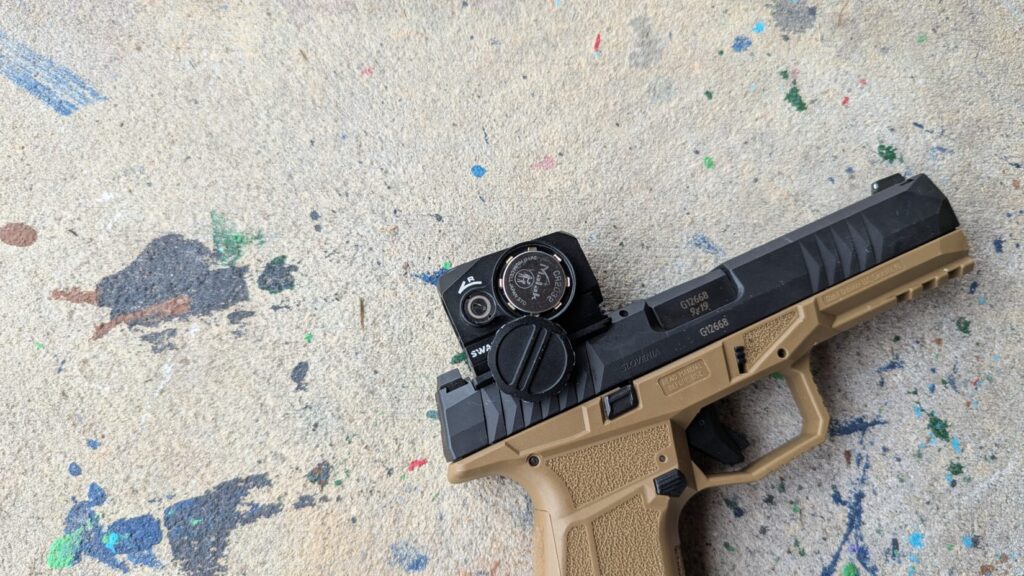
Finally, some dots have something called parasitic drain, which drains the battery even when it’s not in use. That’s more common with cheaper red dots. In some cases, the ambient temperature can cause battery drain. Batteries kept at higher temperatures will drain faster.
Mechanical Integrity
The difference between good red dots and cheap red dots often comes down to mechanical integrity. Things break, especially if they get dropped or slammed into something. Glass breaks, aluminum bends, and nothing is free from failure when force is applied.
That’s an easily understandable failure point, but there are some sneaky ones to watch out for. We start stacking tolerances when we use red dots, especially with a plate system like the Glock MOS. When my red dot broke, it was a Steiner MPS, and the screws sheared under recoil.
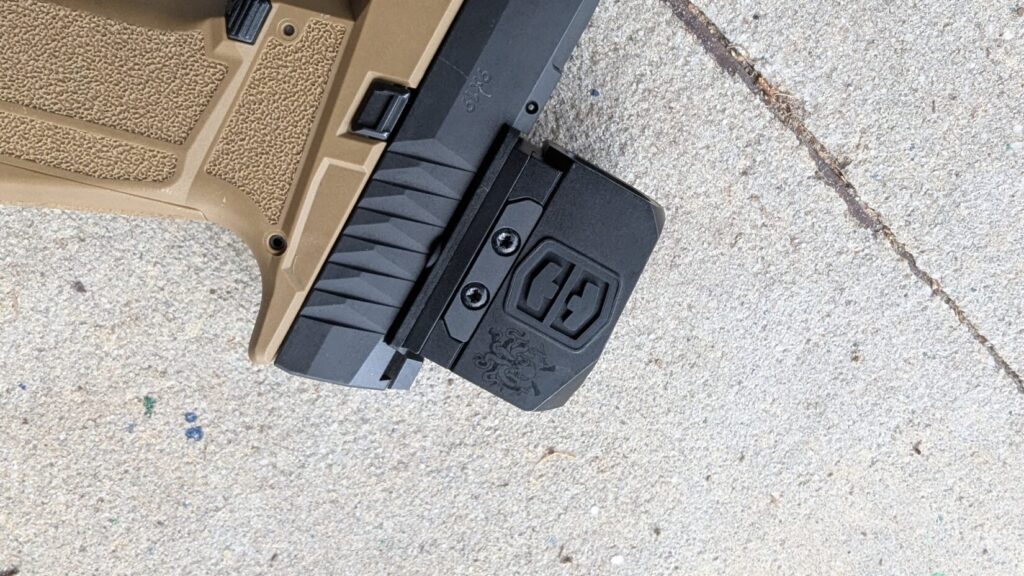
Screws shear and break, which will make your red dot useless, or even a flying hazard. Outside of screw shear, the screws can loosen with improperly applied torque or a lack of thread locker. When screws loosen, even just a bit, your zero goes haywire.
Loss of zero can also be an issue. When internal mechanisms fail, your zero might start floating, which requires a warranty claim to fix. Zero can also drift after severe temperature changes, which is as simple as a re-zero, but still an issue until you can get to the range.
Environmental Failure Points
The environment around you can be an issue you’ll struggle with when it comes to red dot optics. Recognizing the environment’s role and its failure points can save you some headaches.
Obstructed Sight Picture
Your actual lens can get filthy dirty on the outside and still be a usable tool. That’s not our main issue. The main problem comes from dirt, debris, snow, and whatever else gets between the emitter and the lens.
When this occurs, your red dot disappears. I’ve shot in the rain with an open emitter optic, and the dot turned into a useless blob. It requires you to dry your optic before it’s usable.
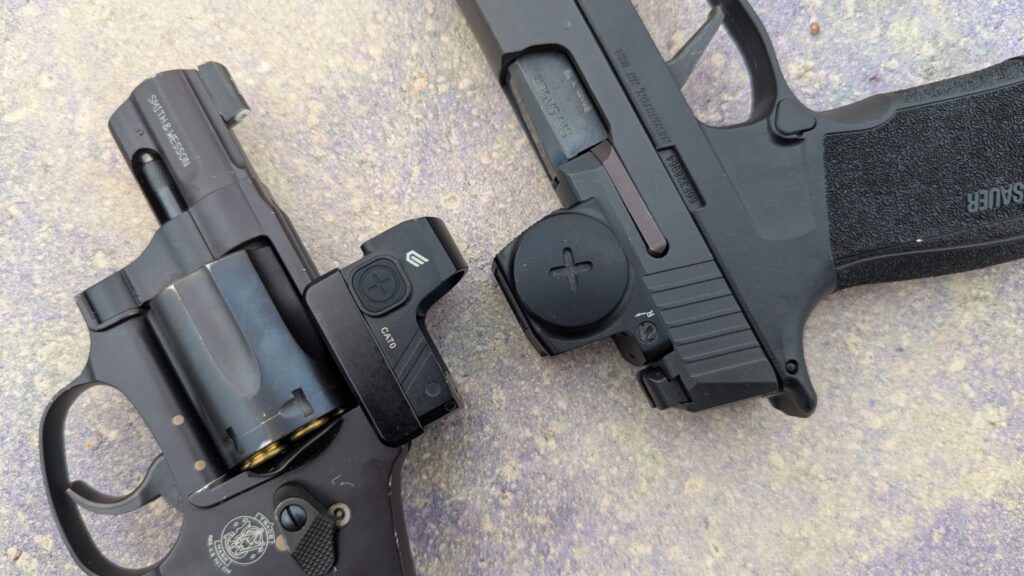
That’s not an issue with enclosed emitter optics, but enclosed emitter optics can have their own hassles. I broke an OSight SE when water penetrated the housing. It was impossible to remove and rendered the optic dead.
Additionally, even quality enclosed emitters can fog internally. Once this happens, the optic becomes difficult, and sometimes impossible, to use.
Lighting
Seeing your red dot can be an issue depending on the lighting. If the light’s bright, you might not see your dot, so you increase the brightness. Simple, right? Well, what happens when you transition to a dark environment?
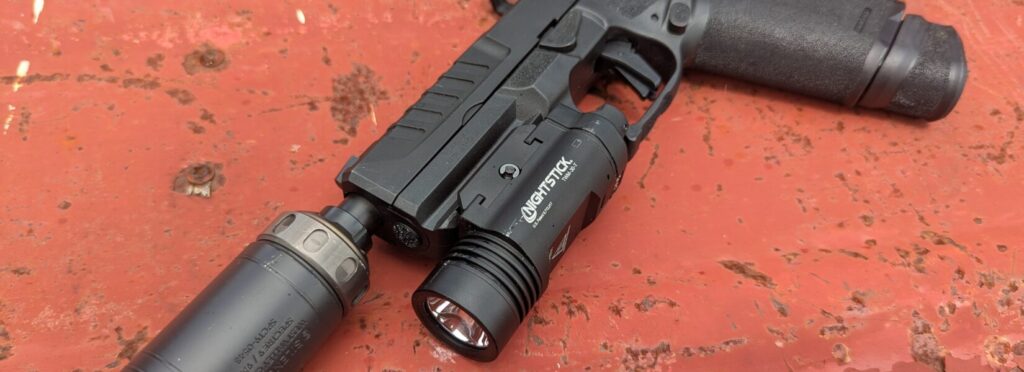
Your reticle will be exceptionally bright, potentially obscuring your sight picture. Well, then dial it down. But when you activate your weapon-mounted light, it disappears. It becomes washed out and impossible to see.
Even if your dot is easily visible in bright light, temporary reflections from surfaces like snow can wash it out. It’s something you’ll have to be prepared for.
Mitigating Red Dot Failure Points
How do we deal with these failure points? We can’t solve them 100%, but we can mitigate their effects on our shooting. The best mitigation strategy is to purchase a high-quality dot for defensive or duty use.
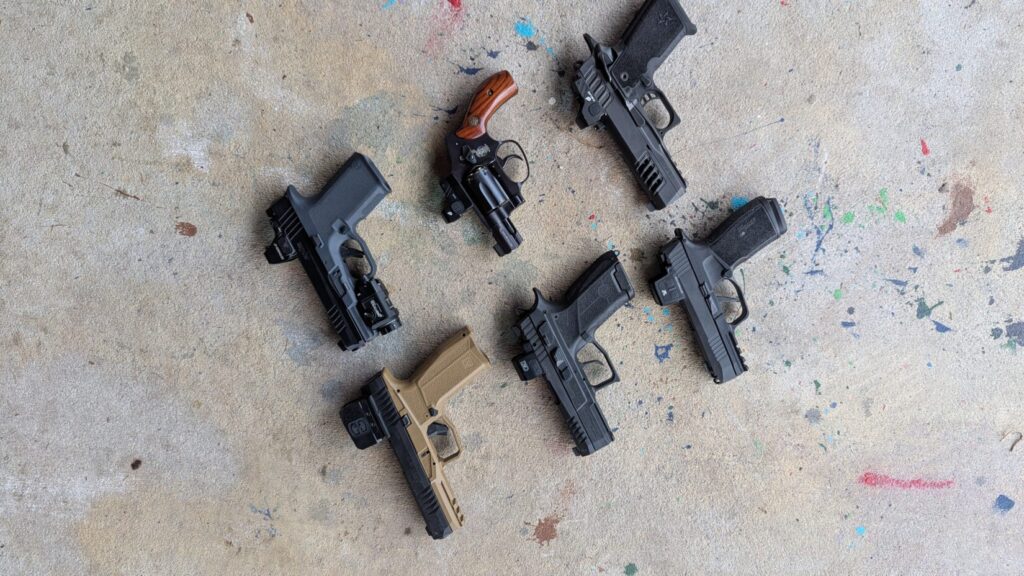
High-quality dots are less likely to fail due to mechanical issues. Along with high-quality red dots, you should use high-quality batteries that won’t leak, like Renata, Duracell, Energizer—name brands with good reputations.
Beyond that, here are a few valuable strategies.
Co-Witness Sights
A pair of iron sights you can see through the optic is one of the best ways to deal with mechanical failure. If your dot doesn’t come on, oh well, you have iron sights as a backup option.
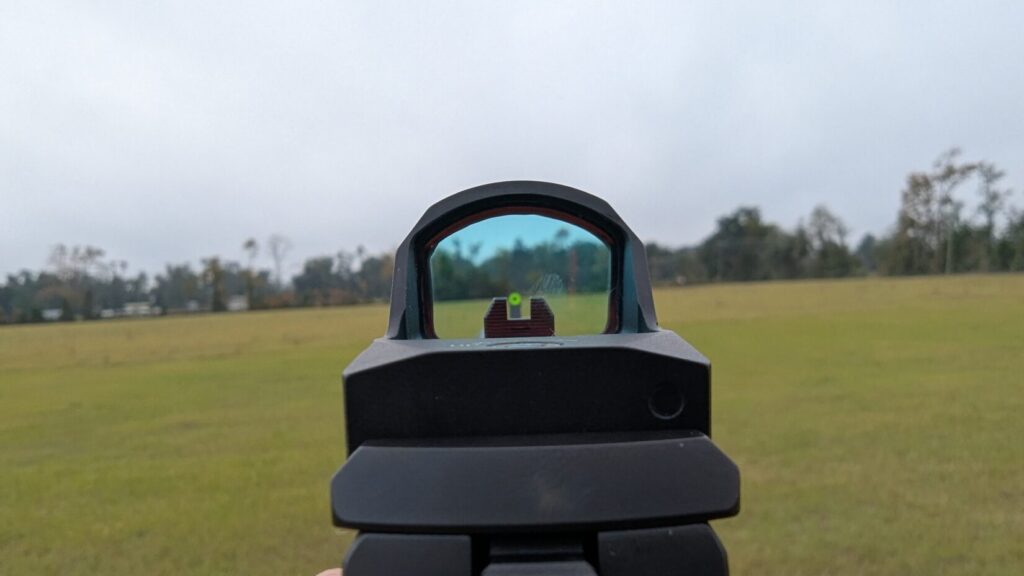
You need a gun that mounts the optic at low or suppressor-height sights. These are mandatory on a duty gun.
Maintenance Issues
A lot of red dots have battery hours measured in years. That’s great, and likely accurate in perfect conditions. However, when are the conditions ever perfect?
I’d swap batteries once a year, on my birthday. This way, I know there is always a good battery in the optic for the year. This is a few dollars’ worth of peace of mind.
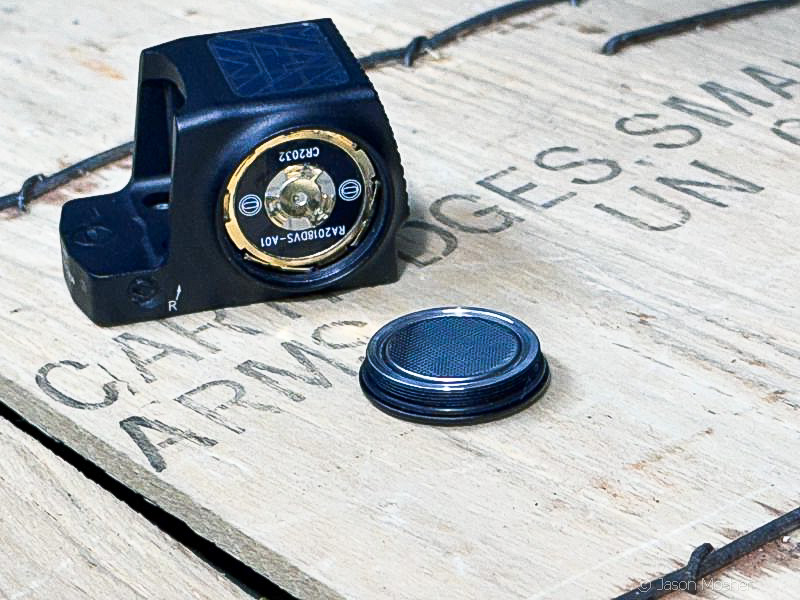
If your optic gets wet, remove the battery at the first available opportunity and check to ensure no water has entered the battery tray. If so, dry it out and leave it open for a while to dry to prevent corrosion.
For duty and defensive guns, I’d advise using a paint pen to create witness marks on your attachment screws. A mark on the screw and optic allows you to notice any screw movement. As always, follow the manufacturer’s torque recommendations and apply threadlocker when installing the optic.
Protect the Dot
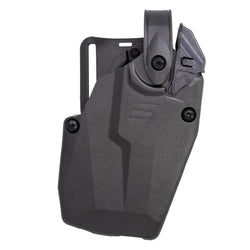
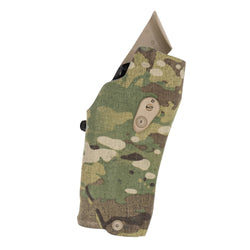
The best way to keep your dot from breaking is to protect it. Invest in a holster that rides over the dot, which creates a shield from the world. Holsters like the 6360RDS provide protection to your aluminum and glass red dot.
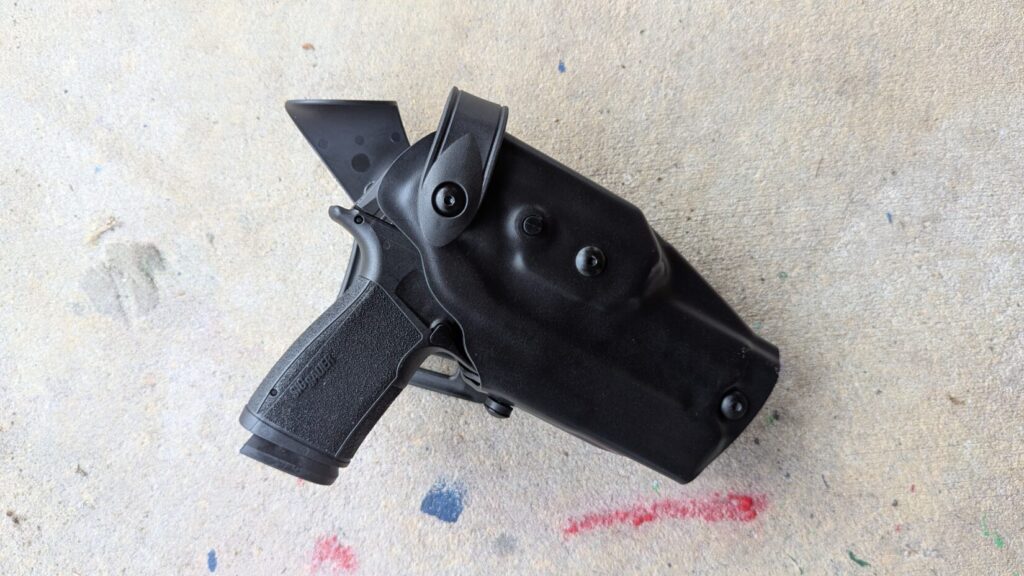
Since your gun remains holstered more often than not, good holster selection plays a crucial role in protecting your dot from the outside world.
Environmental Issues
If you live in a state where the weather changes daily, I’d invest in an enclosed emitter optic. I’ve moved that way with all of my defensive-oriented red dots. They provide the rain protection I desire.
Preventing washout requires low-light training and environmental awareness. You can find a comfortable middle ground that works with your white light but still remains useful in low-light environments. It takes training, experience, and practice to figure out, but it’s well worth the time.
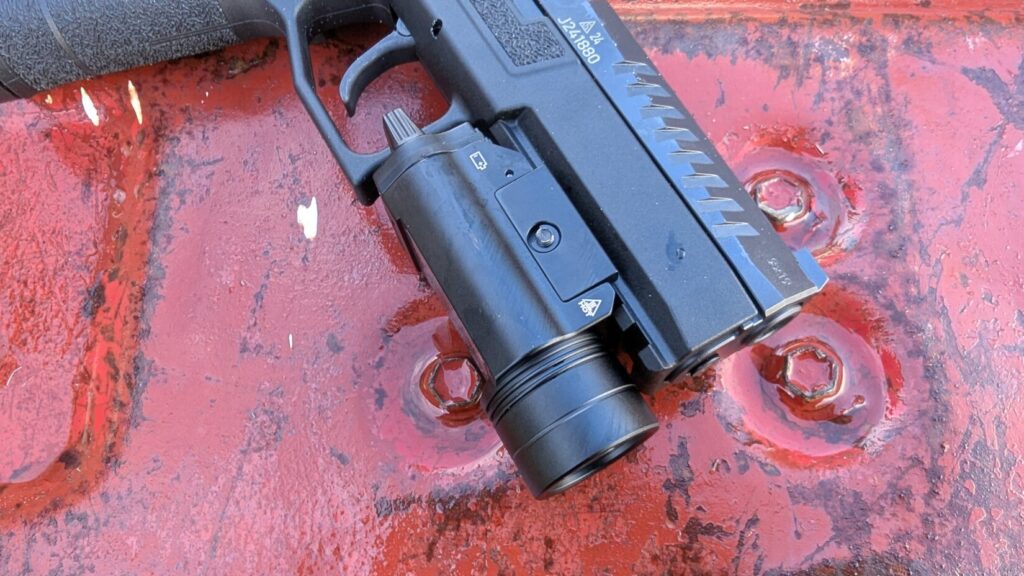
Being aware of the environment and washout from things like snow and reflections allows you to expect washout. With co-witness iron sights, the washout won’t matter.
Seeing Red
Everything has failure points. Red dots are no different. Being properly trained with a red dot isn’t just finding the dot and shooting straight. It’s knowing the downsides of the dot and how to minimize and mitigate those downsides.
Get out there, shoot, train, and get beyond the basics of red dot use.