


Few institutions in American history have had as profound an impact on law enforcement and national security as the Federal Bureau of Investigation (FBI). Its origins trace back to 1908, when Attorney General Charles Bonaparte, under President Theodore Roosevelt, created a small force of special agents within the Department of Justice. Known then as the Bureau of Investigation, this unit laid the foundation for what would become the FBI in 1935.
Guided by its motto—Fidelity, Bravery, Integrity—the Bureau quickly earned a reputation for professionalism and dedication to justice. Early cases, such as enforcing the Mann Act of 1910 against human trafficking, showcased its commitment to protecting the American people and upholding the Constitution.
From those modest beginnings, the FBI grew into the nation’s premier federal law enforcement and domestic intelligence agency, continually adapting to meet the evolving challenges of crime, espionage, and terrorism.
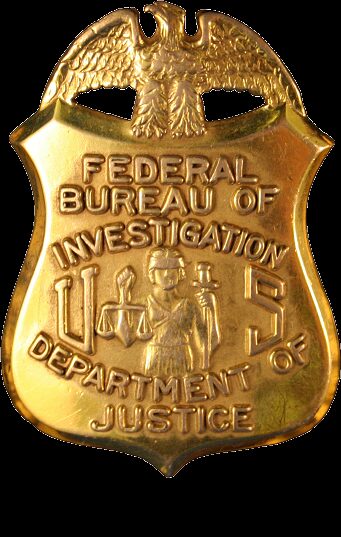
The badge of the FBI. (Image: FBI)
Expansion and the Hoover Era
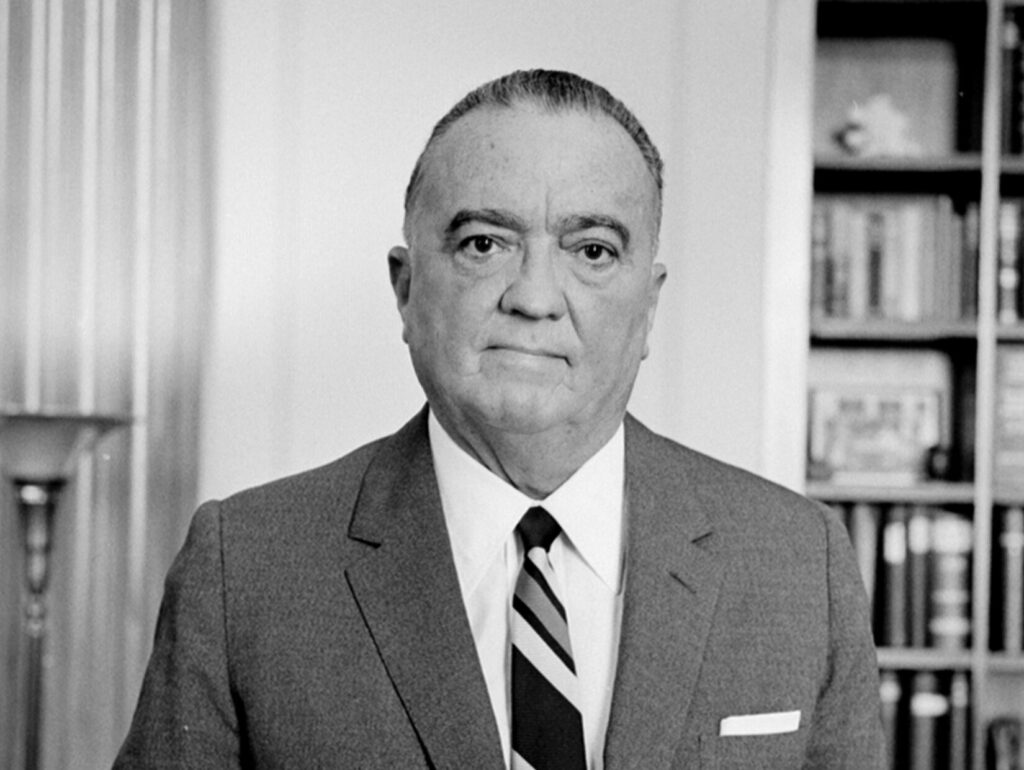
The FBI’s transformation accelerated under J. Edgar Hoover, who became director in 1924 and remained at the helm for nearly half a century. Hoover emphasized rigorous training, scientific methods, and strict standards of conduct, turning the Bureau into a professional investigative force. He introduced fingerprint databases, crime laboratories, and modern techniques that set new standards for law enforcement.
During the 1930s, the Bureau gained national fame by pursuing notorious gangsters such as John Dillinger, “Baby Face” Nelson, and “Pretty Boy” Floyd. These victories, following the turbulent Prohibition years, cemented the FBI’s image as America’s frontline defense against lawlessness.
Hoover also expanded the Bureau’s role in counterintelligence, particularly during World War II and the Cold War, when agents investigated espionage threats from foreign powers. The FBI’s vigilance helped protect wartime secrets and later countered Soviet infiltration attempts.
Scientific and Technological Leadership
The establishment of the FBI Laboratory in 1932 marked a turning point, providing forensic expertise unmatched by local agencies. Fingerprint identification, ballistics analysis, and later DNA testing became essential tools in solving crimes.
In 1967, the Bureau launched the National Crime Information Center (NCIC), a computerized database that revolutionized information sharing among law enforcement nationwide.

Civil Rights and Domestic Security
In the 1960s, the FBI played a crucial role in enforcing civil rights laws, investigating racially motivated violence and pursuing cases against extremist groups such as the Ku Klux Klan. These efforts helped ensure that federal civil rights legislation was upheld and that activists received protection during a turbulent era.
At the same time, the Bureau expanded its counterintelligence mission during the Cold War, working to uncover espionage threats and safeguard America’s national security. Its vigilance helped protect critical secrets and strengthen the nation’s defenses against foreign infiltration.
In the 1970s and 1980s, the FBI confronted domestic terrorism, tackling groups such as the Weather Underground and responding to bombings and hijackings. By adapting to new threats, the Bureau demonstrated resilience and a steadfast commitment to public safety.

Organized Crime and the Mafia
Beginning in the 1960s, the FBI expanded its fight against traditional organized crime, targeting Mafia families that dominated gambling, racketeering, and unions. The landmark testimony of mobster Joseph Valachi in 1963 confirmed the existence of La Cosa Nostra, spurring the Bureau to intensify its efforts. With new legal tools like the RICO Act in 1970, agents launched long‑term investigations that dismantled powerful crime families and weakened the Mafia’s grip on American life.
Post‑Cold War and the Fight Against Terrorism
With the Cold War’s end, the FBI shifted focus to international crime, cyber threats, and terrorism. The 1993 World Trade Center bombing and the 1995 Oklahoma City bombing underscored the growing danger of both domestic and international terrorism. The Bureau led investigations into both attacks, strengthening counterterrorism capabilities.
The September 11, 2001, attacks marked a watershed moment, placing the FBI at the center of America’s counterterrorism strategy. Its Joint Terrorism Task Forces (JTTFs) now integrate federal, state, and local resources nationwide.
Modern Challenges: Cybercrime and Global Threats
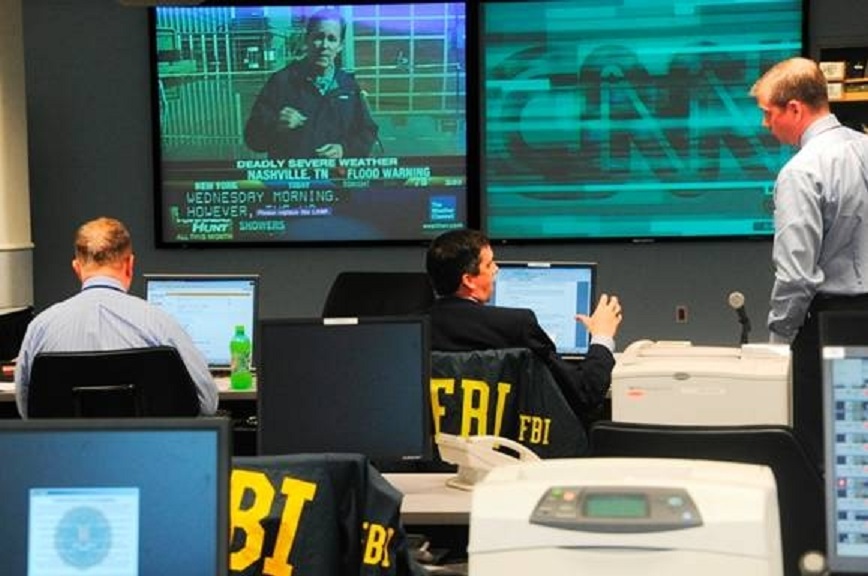
Today, the FBI faces a complex array of challenges. Cybercrime, including ransomware, identity theft, and foreign hacking, has become a top priority. The Bureau’s Cyber Division works tirelessly to protect critical infrastructure, businesses, and individuals from digital threats.
The FBI also combats transnational organized crime, human trafficking, and narcotics smuggling. Its global partnerships with law enforcement agencies around the world reflect its role as a leader in international security.

Training and Professional Development
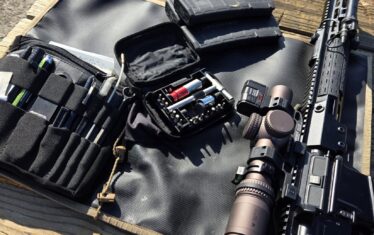
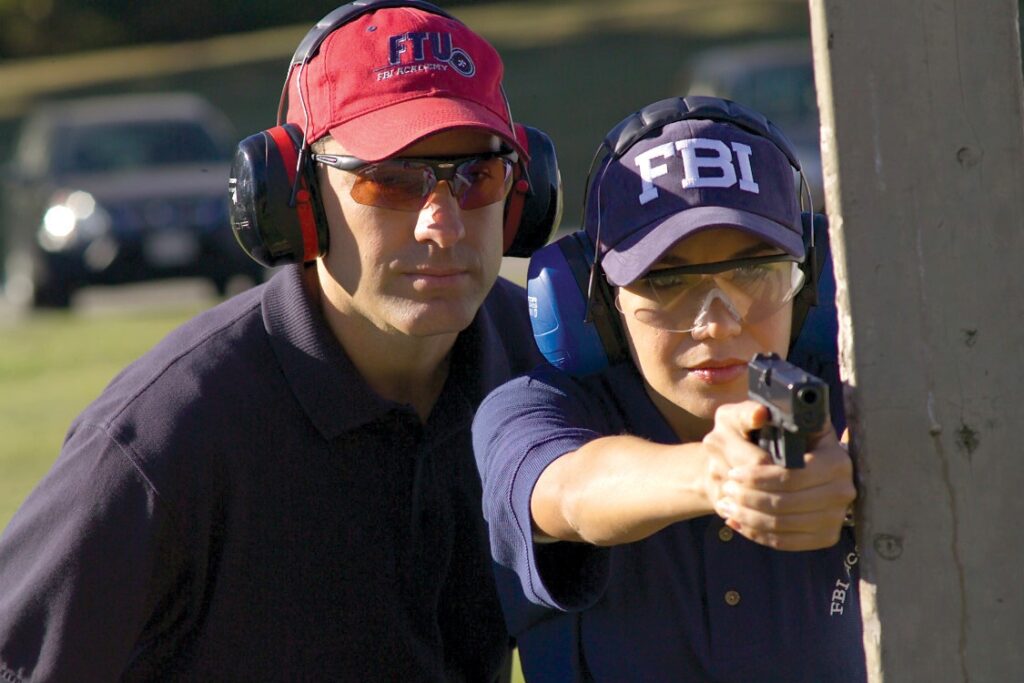
A hallmark of the FBI’s success has been its emphasis on training. The FBI Academy in Quantico, Virginia, established in 1972, serves as the Bureau’s premier training facility. Here, new agents undergo rigorous preparation in firearms, investigative techniques, and legal standards.
The Academy also hosts the National Academy Program, which trains senior law enforcement officials from across the United States and around the world, fostering cooperation and shared expertise. This commitment to professional development ensures that FBI agents remain among the most skilled and disciplined in the world.
International Partnerships
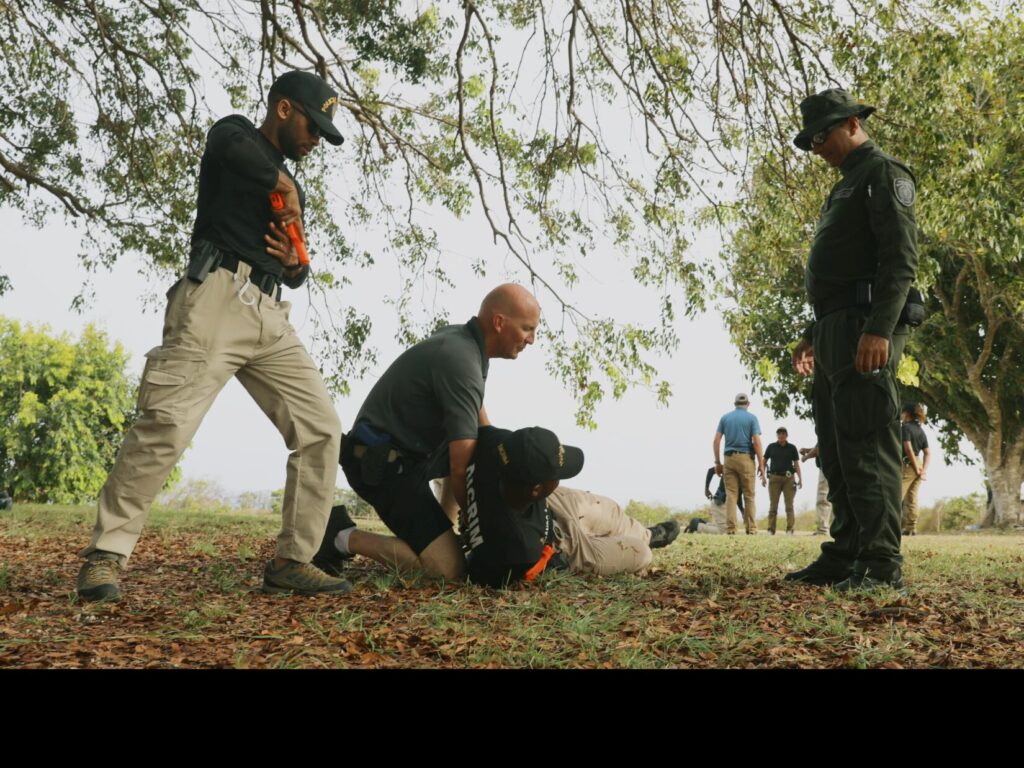
The FBI’s reach extends far beyond America’s borders. Through Legal Attaché offices (“Legats”) located in U.S. embassies worldwide, the Bureau collaborates with foreign governments to combat terrorism, cybercrime, and organized crime. These partnerships allow the FBI to track fugitives across borders, dismantle international criminal networks, and share intelligence that protects both American and global security.
Community Outreach and Public Trust
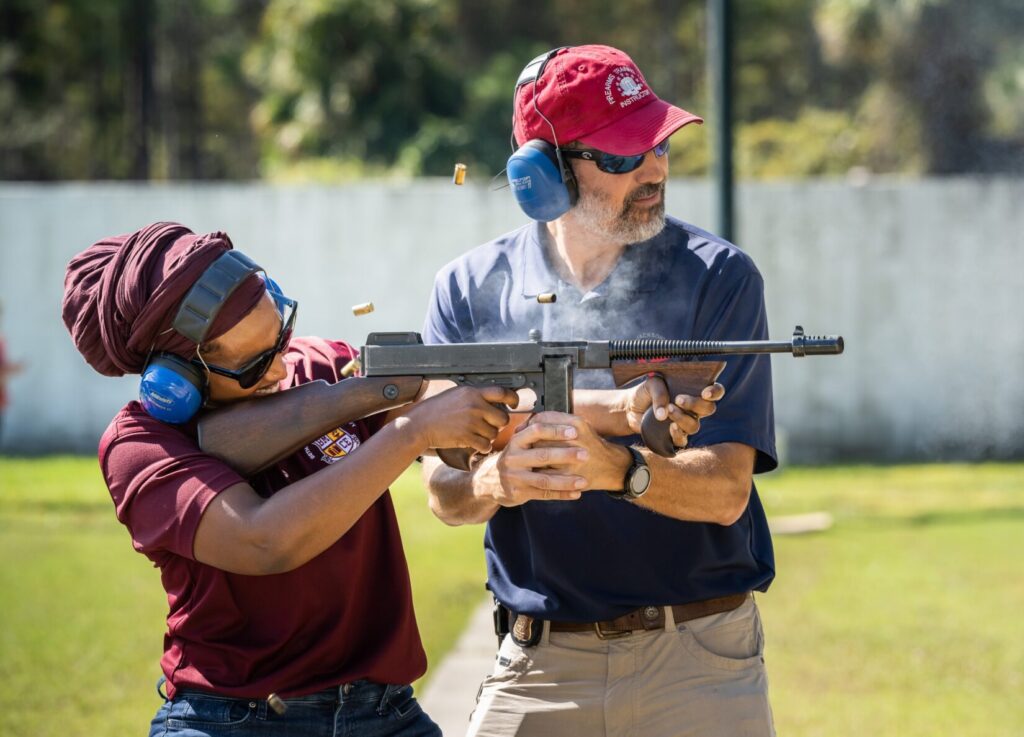
Beyond investigations, the FBI invests heavily in community outreach. Programs such as the Citizens Academy invite local leaders to learn about the Bureau’s work, while initiatives like the FBI Teen Academy engage young people in discussions about law enforcement and civic responsibility. These efforts build trust between the FBI and the communities it serves, reinforcing the Bureau’s role as a protector of both safety and civil liberties.
InfraGard extends this mission into the private sector. Established in 1996, it is a partnership between the FBI and business, academic, and security professionals focused on safeguarding critical infrastructure.
Through local chapters nationwide, members share threat intelligence and industry expertise with the Bureau, strengthening defenses in areas like energy, healthcare, finance, and technology. By fostering collaboration, InfraGard exemplifies how the FBI builds public trust while protecting both communities and the systems they rely on.
Building on this collaborative approach, the Domestic Security Alliance Council (DSAC) ) connects the FBI and Department of Homeland Security with some of the nation’s largest corporations. Created in 2005, DSAC provides a forum for real-time intelligence sharing on criminal and terrorist threats, ensuring that both national security and the private sector’s economic interests are safeguarded
Cultural Impact and Legacy
The FBI has also left a lasting mark on American culture. From films and television shows to books and documentaries, the Bureau has been portrayed as a symbol of justice and professionalism. While dramatizations often exaggerate, they reflect the public’s recognition of the FBI’s central role in safeguarding the nation.
Commitment to Integrity and Public Service
Throughout its history, the FBI has faced scrutiny and criticism, yet it has consistently demonstrated its ability to reform and adapt. The Bureau’s commitment to accountability, transparency, and professionalism ensures that it remains a trusted institution. Its agents and analysts embody the values of fidelity, bravery, and integrity, risking their lives to protect the nation.
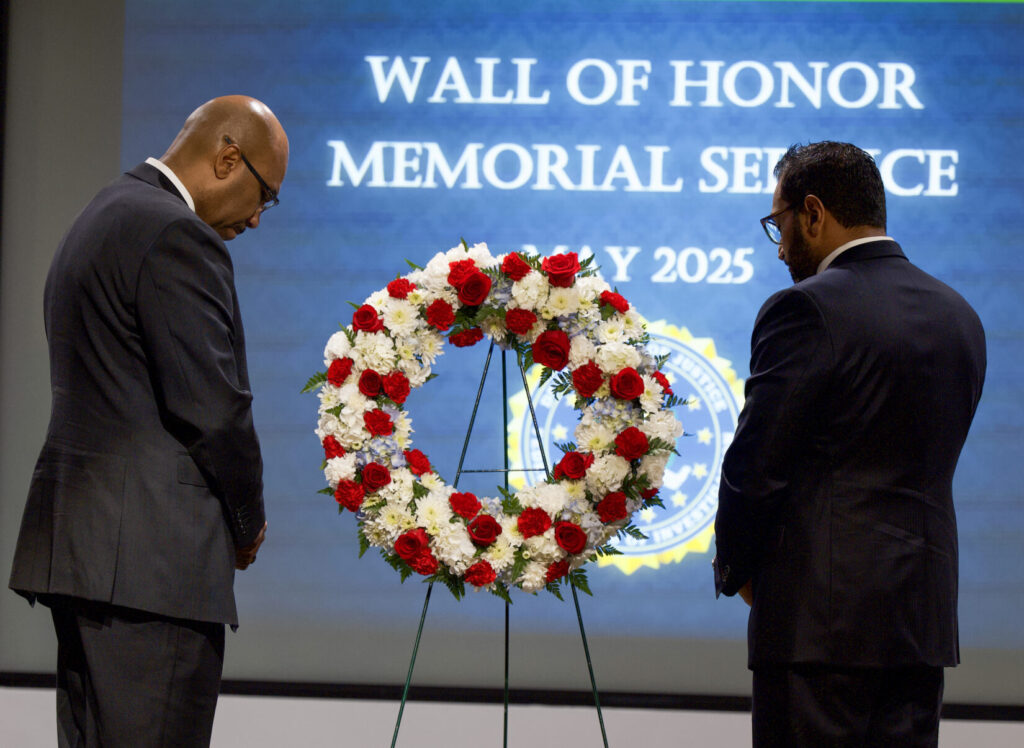
The FBI honors its fallen heroes through the Wall of Honor; a solemn reminder of the sacrifices made in service to the American people.
Final Thoughts
From its modest beginnings in 1908 to its role today as the nation’s premier investigative and intelligence agency, the FBI has stood as a bulwark against crime, espionage, and terrorism. Its history reflects not only the evolution of law enforcement but also the enduring strength of American democracy.
By embracing innovation, upholding civil rights, and protecting national security, the FBI continues to embody its guiding principles—Fidelity, Bravery, Integrity—and remains indispensable to the safety and freedom of the United States.