
As an armed professional who reads The CADRE Dispatch, your range bag, your vest, or your battle belt almost certainly has an IFAK (individual first aid kit), or at least a tourniquet. More importantly, you’ve probably had some training to use it.
When the smoke clears after you put down a spree killer, the more medical training you have, the less medical care you should give.
You read that right.
At a mass casualty incident, the best-trained medical practitioners on scene shouldn’t be treating anybody. They should be triaging, directing, and delegating instead.
The Jug Demo is one way we teach people to do that.
MASS CASUALTY INCIDENTS (MCI)
It doesn’t have to be a passenger train wreck for it to be a mass casualty incident. MCI protocols (including triage and delegating care to those less trained) apply any time you have more patients than trained responders to treat them. If you’re the only person there with any medical training, your MCI could have as few as two or three casualties.
Triage
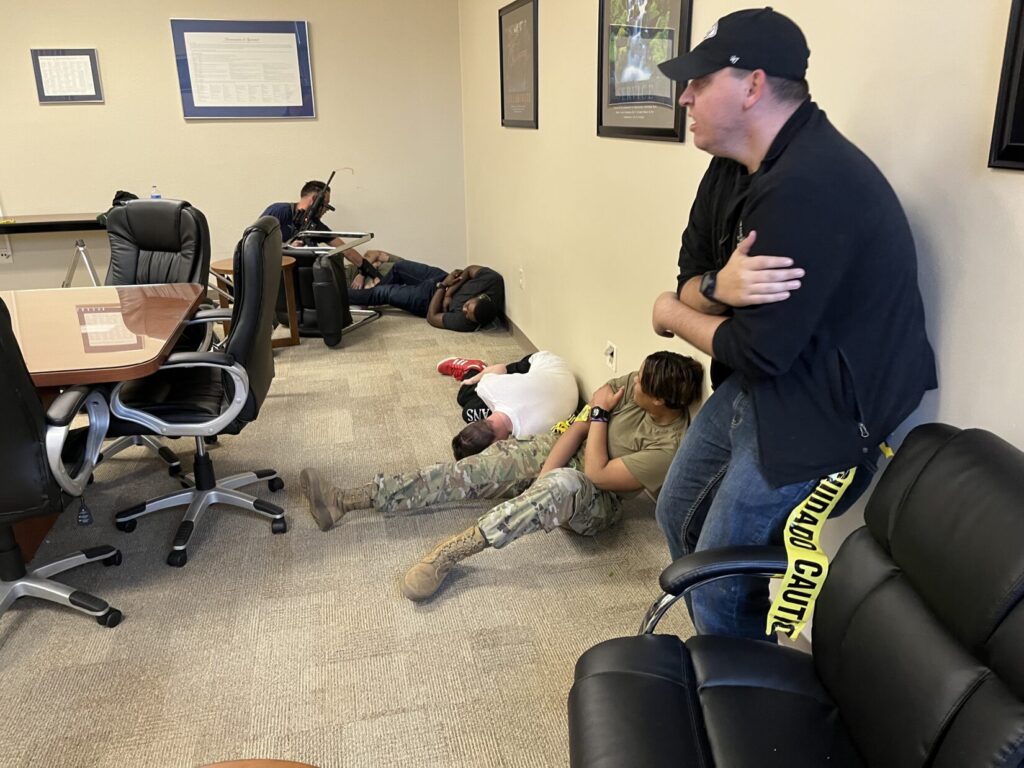
Whenever the wounded outnumber the rescuers, we minimize loss of life by first sorting them to determine who needs the most help first.
Triage is best done by experienced practitioners, but absent a doctor, nurse, or paramedic, basic triage can be performed by anybody with eyes and common sense. Most people can tell who’s doing OK for now, who needs a surgeon ASAP, and who is already circling the drain.
We want to save everyone, but in an MCI we don’t have excess resources. Don’t allow someone who can be saved to die by wasting precious time and effort on someone who will expire no matter what we do.
With a really big MCI (think the Boston Marathon bombing, or the Route 91 Harvest Festival in Vegas), multiple rescuers can divide triaging tasks by geographic areas: “I’ll triage all the patients in this cafe; Sally, sort out everyone on the street between here and that fire hydrant; LeBron, you triage everybody past the fire hydrant.”
After patients are sorted, somebody must take charge and start delegating, telling bystanders or walking wounded what to do with whom. With only one patient, we’re legally required to transfer care to persons equally or better trained than us. With MCIs, anybody can lawfully help.
I DO NOW, ‘CAUSE I DIDN’T THEN
I did not triage nor delegate at my first MCI, when I was in the Border Patrol.
We had four wounded. We’d been backing up Cameron County on a manhunt for three suspects reported fleeing a multiple homicide near Rio Hondo, Texas. As I’ve been in the habit of telling my law enforcement students since,
Sometimes, when you’re hunting for killers, they find you.
Deputies found their abandoned truck a few miles north of the border, not far from San Benito, and called for assistance. Tracking people is what Border Patrol agents do.
We were searching the surrounding area when a suspect who’d been hiding in a corn field ambushed several officers, hitting three before he went down under a hail of return fire. Most cops did not have IFAKs, nor extensive medical training, back then (in 1998).
CHOOSING TO STEP UP
At the time, I was a medic in the USAF Reserve.
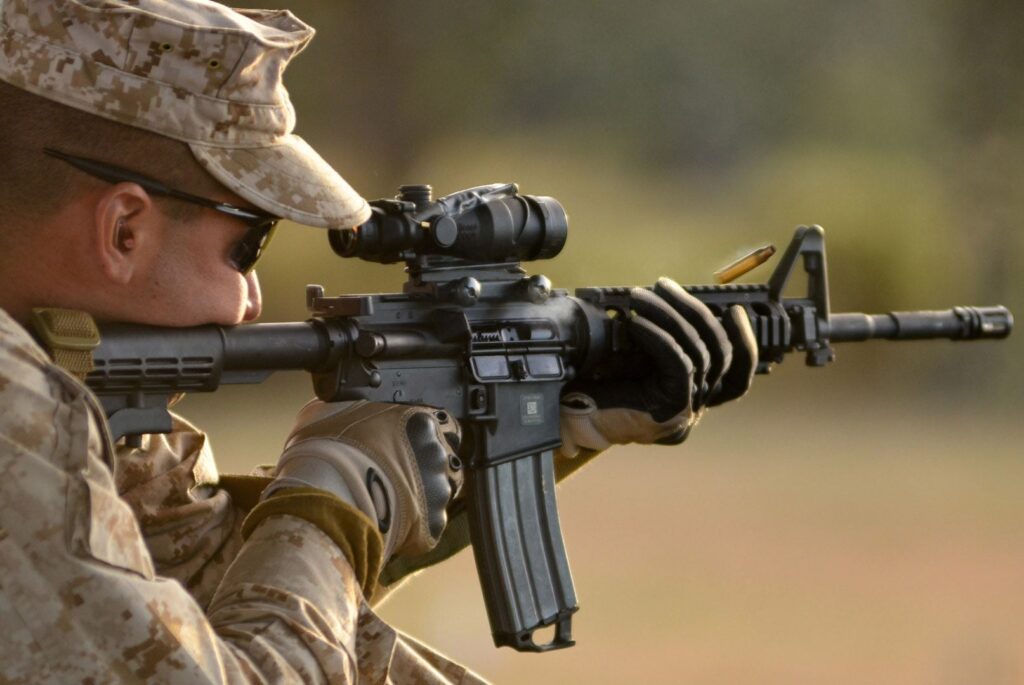
I had an M4A1. I was good with it. I’d been a rifleman in the service before I got off active duty and cross-trained into the medics. As far as we knew, there were still two bad guys out there, and tactical needs generally take priority over medical. I scanned the surrounding fields over the iron sights, but could find no more threats.
I’d been through Med Tech school, but I was only a weekend warrior medic. I didn’t have much experience with real patients. Clint Eastwood said, “A man’s got to know his limitations,” and I thought I knew mine. That lack of confidence made me hesitant to render medical aid.
You may feel the same way when it happens to you. It’s dreadful taking responsibility for the life of someone severely wounded when you’re not sure if you have the skills to save them. But remember, in the land of the blind, the one-eyed person is monarch.
We had plenty of guns up, although they were almost all pistols. For the time being at least, we had nobody else to shoot at. I handed my rifle to a deputy (his nametag said BRIONES, but with angled shoulders, a narrow head, and a flat-top haircut, he looked like “Beaker” from The Muppets). Gilbert kept us covered as I switched into medic mode.
MANAGING BY PROXIMITY
Instead of triaging all the wounded and delegating tasks, I prioritized by proximity instead. I went to work on the closest downed agent, Susan Rodriguez.
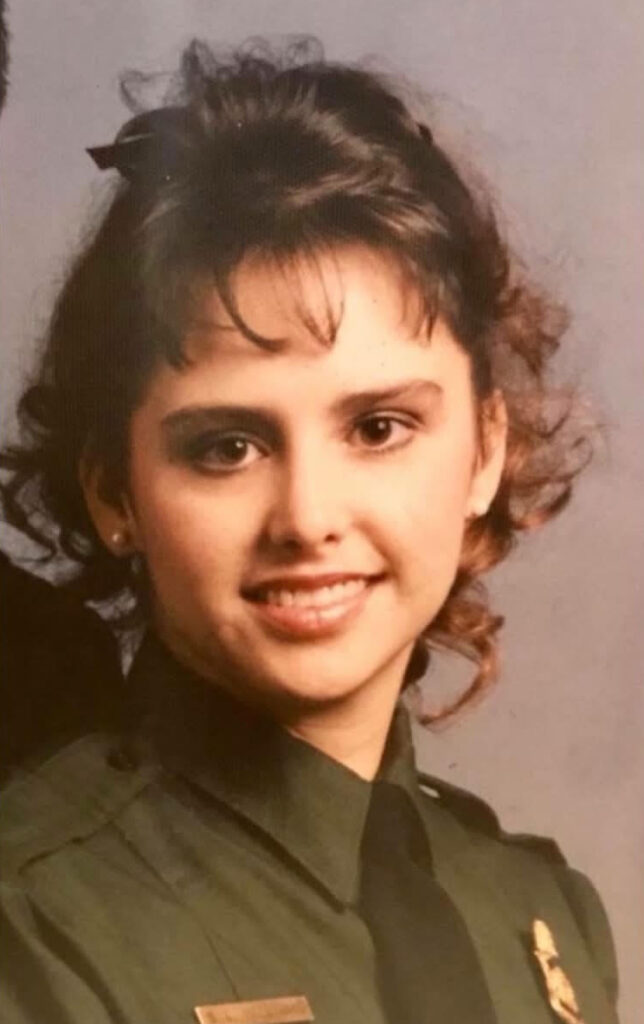
Susan was gravely wounded. She became my entire world ’til after an ambulance crew, braver men than I, voluntarily rolled into that Warm Zone without Kevlar and took over her care. Only then did I inquire about the next-nearest agent, Ric Salinas.
Ric was beyond help, with catastrophic head trauma. By that time, deputies had stuck wounded Corporal Raul “Rilo” Rodriguez in a cruiser and hustled him to Valley Baptist Medical Center in Harlingen.
WHAT ABOUT THE BAD GUY?
The killer was down with about eight holes in him, by the edge of the corn field.
We’d rammed patrol vehicles together to make a bunker, like pioneers circling the wagons, protecting Susan. I would have left the comfort of that laager to help other cops, or innocent bystanders, but at first I wasn’t about to approach the mortally wounded killer.
For all we knew, his two alleged accomplices might’ve been waiting in ambush in that 5-foot-high corn (as he had been), using him as medic bait. Be very circumspect about approaching a downed assailant to render medical aid, at least until after the scene is secured.
Even with downed good guys, be smarter about managing MCIs than I was that first time. Stay global and mobile. Delegate as many tasks as possible.
WHY THE JUG DEMONSTRATION?
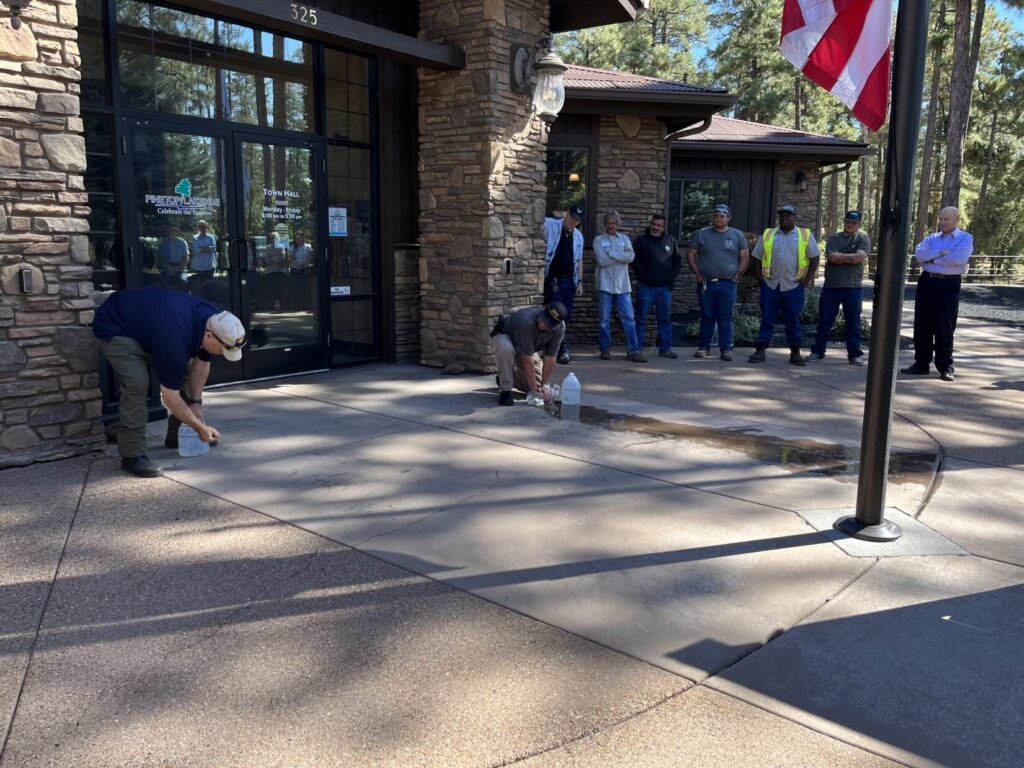
The Jug Demo gets some important ideas across to the students, in a visceral, participatory way. It’s more than just a vis-aid; it’s an opportunity for role playing, hands-on practice. The takeaways include:
- Recognizing severe, life-threatening bleeding
- Practicing direct pressure on something that is actually leaking fluid
- Learning and practicing to delegate tasks in an MCI
NOW YOU’VE SEEN IT
Bleeding is the leading cause of preventable death after injury. The first lesson of the Jug Demo is what exsanguinating hemorrhage—bleeding out—looks like.
The first time I saw that much blood on the ground, I was somewhat shocked. Some people overreact seeing only drops, or a hand-sized puddle, of blood. Neither is life-threatening. The Jug Demo provides students with a sliver of experience, so the first time they have to identify whether or not a bleed is serious, it won’t completely be their first time.
Reports out of Ukraine indicate that soldiers may be over-using tourniquets, in much the same way that soldiers in the GWOT, Global War on Terror, probably over-used needle decompression. Don’t get me wrong: tourniquets save lives, and you should not hesitate to put one on when you need to, or even, as with Narcan, if you’re not sure.
The Jug Demo helps you to be sure.
IDENTIFYING EXSANGUINATION
The average adult has just under a gallon and a half, or about five liters, of blood in them. If you lose 40 percent of that (a little over half a gallon, or one 2-liter bottle), you’re toast.
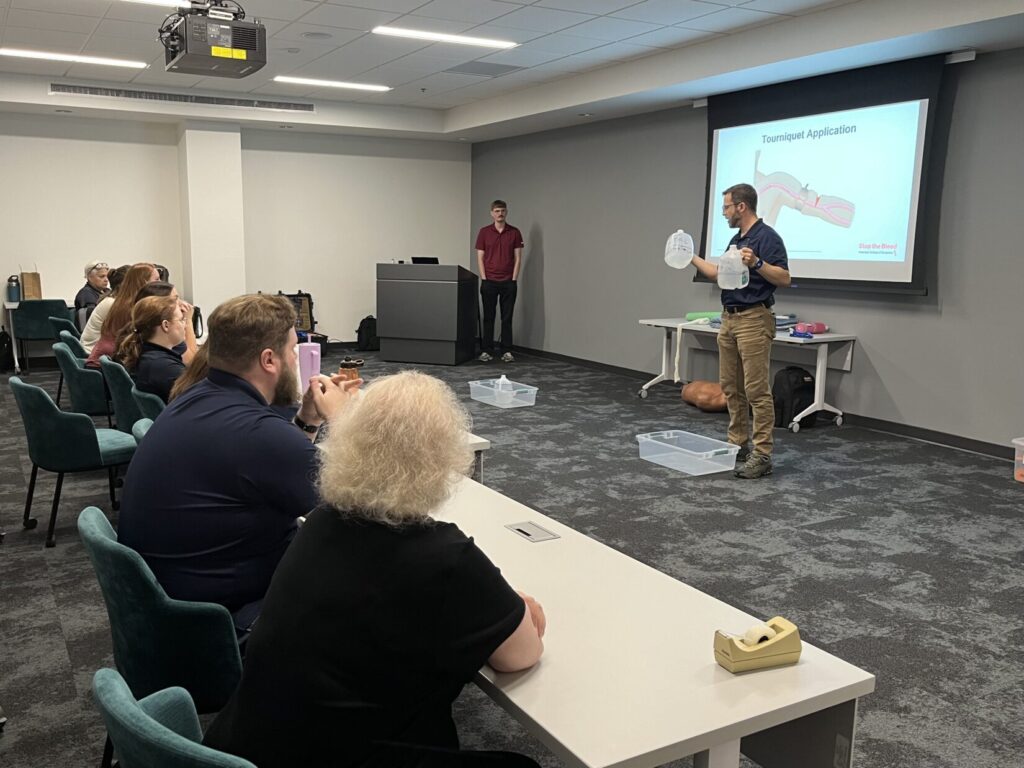
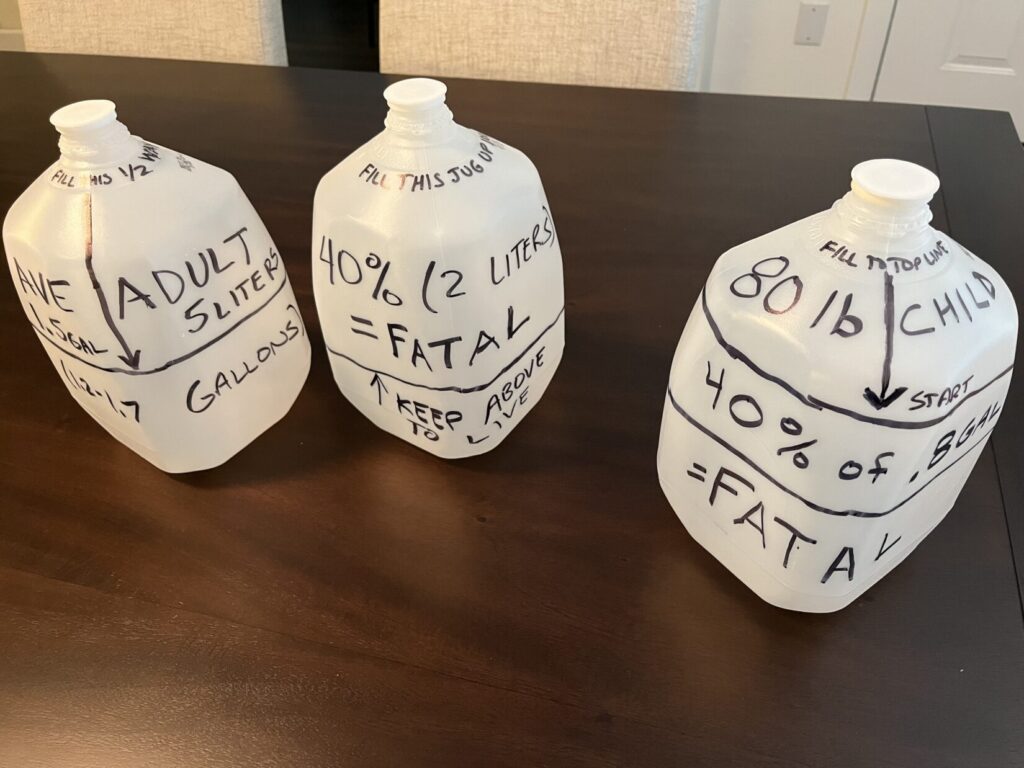
We start with three 1-gallon water jugs. One is half full. The jug next to it is completely full, and has a “point of no return” (maximum livable loss) line around it, about 6/10 of the way down from the top (40 percent of 1.5 gallons is 60 percent of 1 gallon). The third jug is off to the side; more on that jug in a minute. The first two jugs, combined, equal the volume of blood in one adult.
Using the Jug as a Training Aid
I punch a hole in the side of the full jug, near the bottom.
I hold it near my belly and stagger around a bit as water spills onto the pavement, explaining to students who don’t hunt that they might have to follow a blood trail to a closet or around a desk to find where a casualty is hiding.
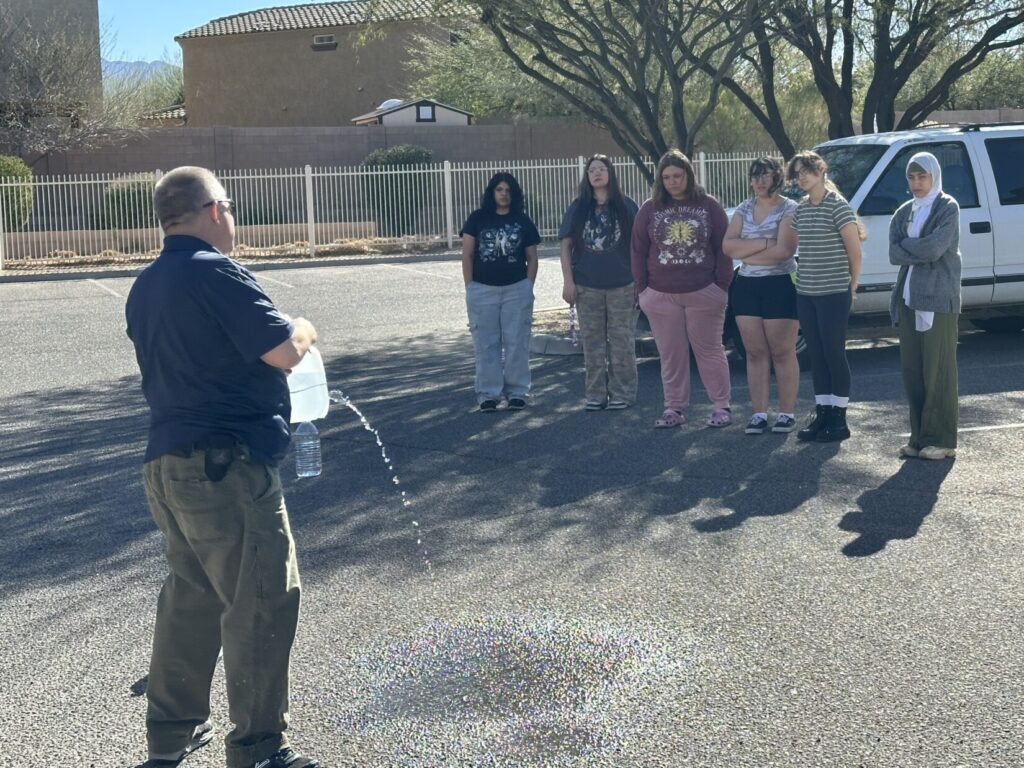
When the first jug is about a third drained (the water level is about halfway to the line), I set the jug on the ground, explaining that if they don’t lay their patient down, she or he will hit their head on the pavement when they pass out.
MODELING DELEGATION
When the gallon jug is about halfway drained (just above the line), I select a student and say, “YOU—Can you help me? I need you to press your palm up against that hole and push hard!”
COMBATING KITTY GENOVESE SYNDROME
If you are wounded on the street, you are more likely to be rescued by a solo person than if you are needing help from anyone in a group of bystanders. People want to help, but they fear screwing up in front of a crowd (or going viral on the web doing it wrong). This is why we must select a specific person.
After they jump in there and apply pressure, I have the other students applaud them: “Give it up for this lifesaver!” That lightens the mood and gives positive feedback to a student who may feel self-conscious about being singled out. It tells the whole crowd that they will get validation, not criticism, if they step in to help.
Those who serve aren’t in it for validation, but it never hurts. Dave Grossman noted that when fighter pilots shoot down a MiG in mortal combat, they are met by cheering crowds. Their tally is emblazoned on the side of their jet for all to see and admire.
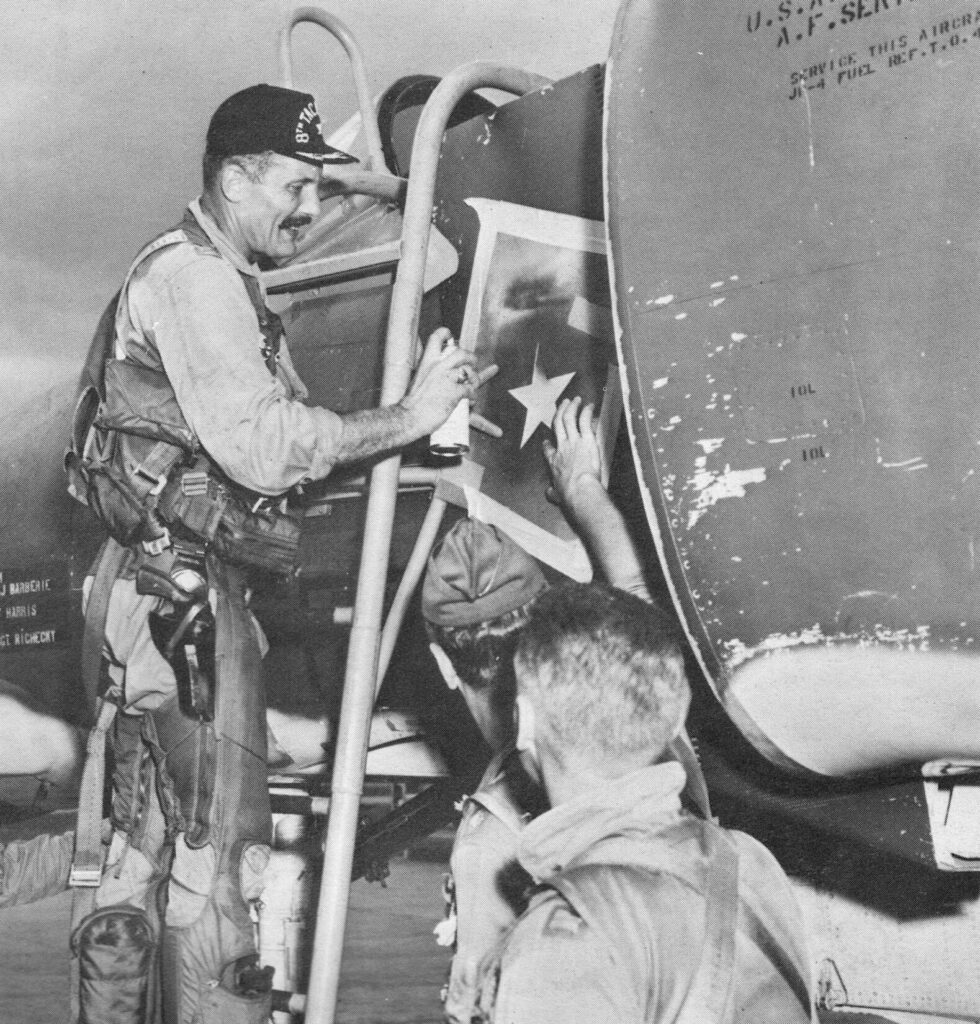
In contrast, when police officers shoot down a murderer in mortal combat, they are doxxed, shunned, shamed, sued, perhaps even indicted. And we wonder why we have a recruiting and retention problem.
DIRECT PRESSURE IS ONLY A STOP GAP
Direct pressure over the wound, on a real casualty or a jug, does not fix the problem.
It slows the problem down, buying time for more definitive interventions, like a tourniquet or gauze to pack with, to get there.
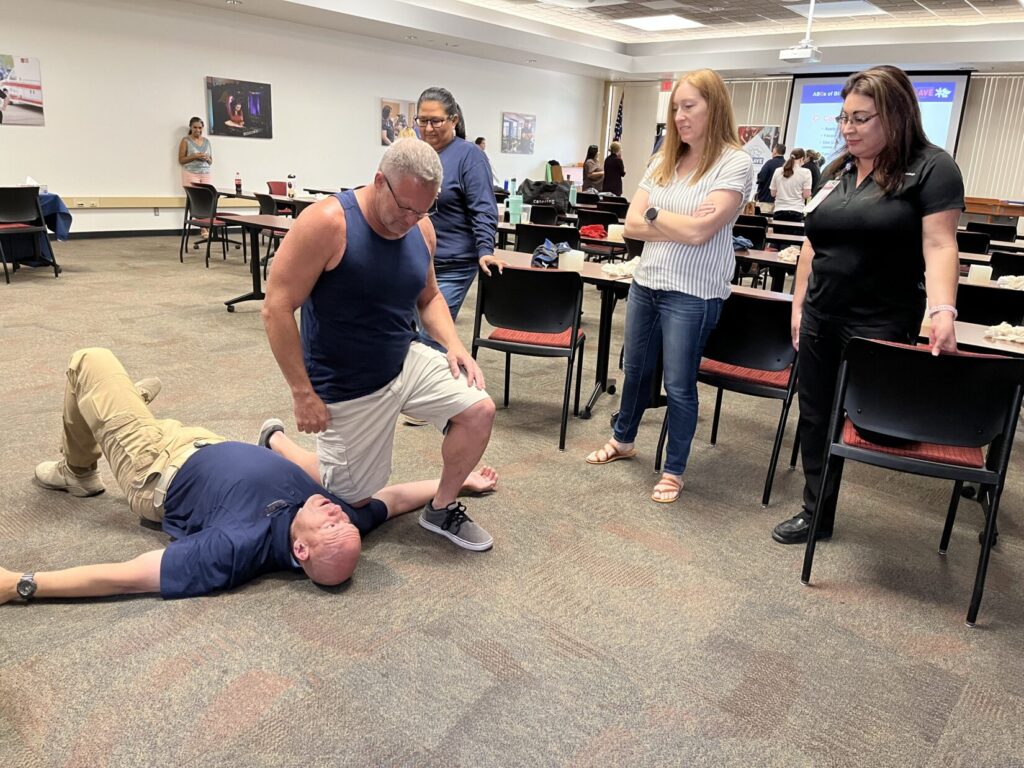
I tell the student applying the pressure to the adult jug, “Keep doing that.”
PRACTICING DELEGATION
I ask the students if any of them know a youth, nephew, niece, cousin, sibling, or grandkid, in fifth or sixth grade. This math is easy for knuckle-draggers like me to remember: an 80-pound child has about .8 gallons of blood in them.
The third jug, off to the side about 15 feet or so away from the two adult jugs, is about 8/10 full. It represents the blood onboard a medium-sized juvenile. It has a 40 percent point of no return line about halfway between the top and the bottom of the jug.
A WOUNDED Youth
Next, I puncture the “child” jug. I ask the student holding direct pressure on the leaking “adult” jug what to do about the kid. When you do the Jug Demo, give the person applying pressure on the adult time to think their way through this moral and logistical dilemma. In solving the problem for themselves, they develop the neural pathways to remember.
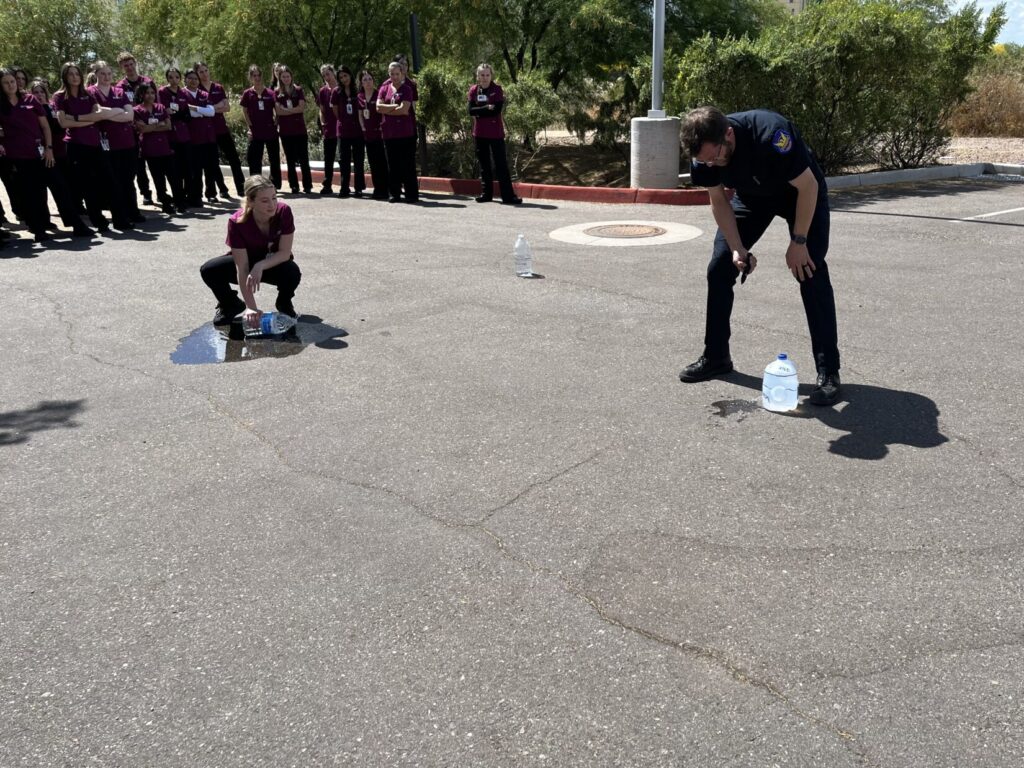
The problem? After they started applying direct pressure to one casualty, they got stuck there.
If they don’t figure it out after a little while, ask, “What did I do with you?” About that time, they realize they can ask for help from the crowd.
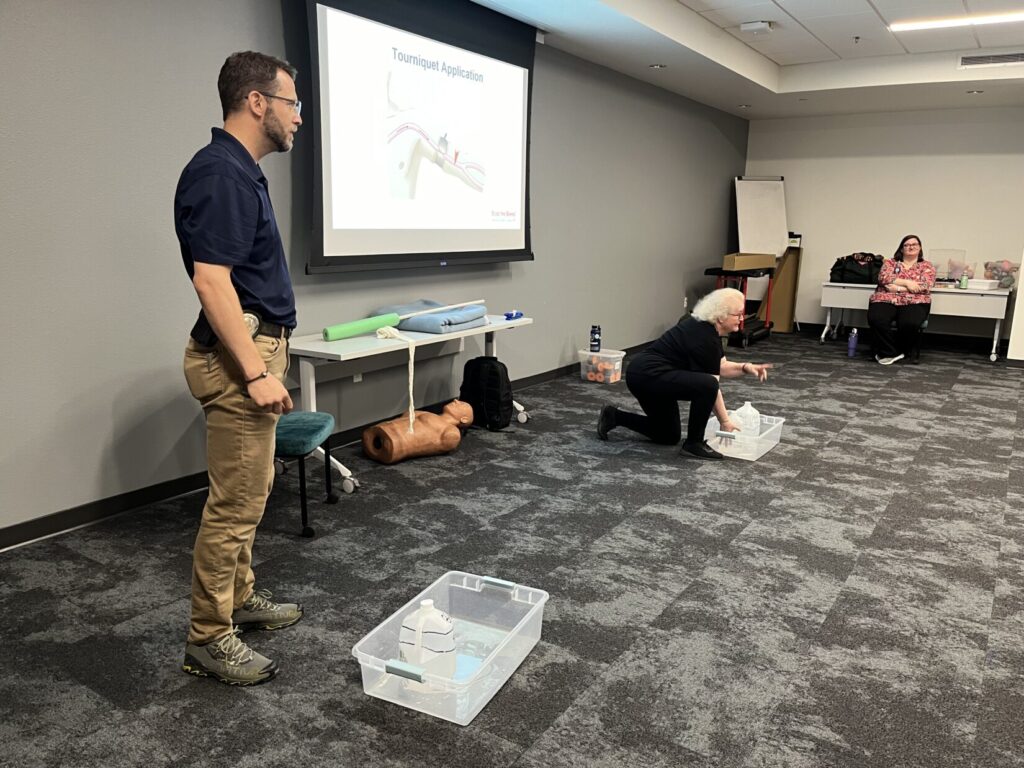
Usually, the student holding pressure on the adult jug will just name a friend in the class and jerk their head in the direction of the child jug. Tell them to speak clearly, being very specific about what they need their friend to do. That way, they learn and practice how to direct bystanders in a crisis.
GRANT PERMISSION
Delegation is the main takeaway of the Jug Demo. You may not be a doctor, but if you are the only one at an MCI who has any medical training at all, take charge. Resist the urge to dive in on the closest patient. Give bystanders a mission. They will be grateful for it.
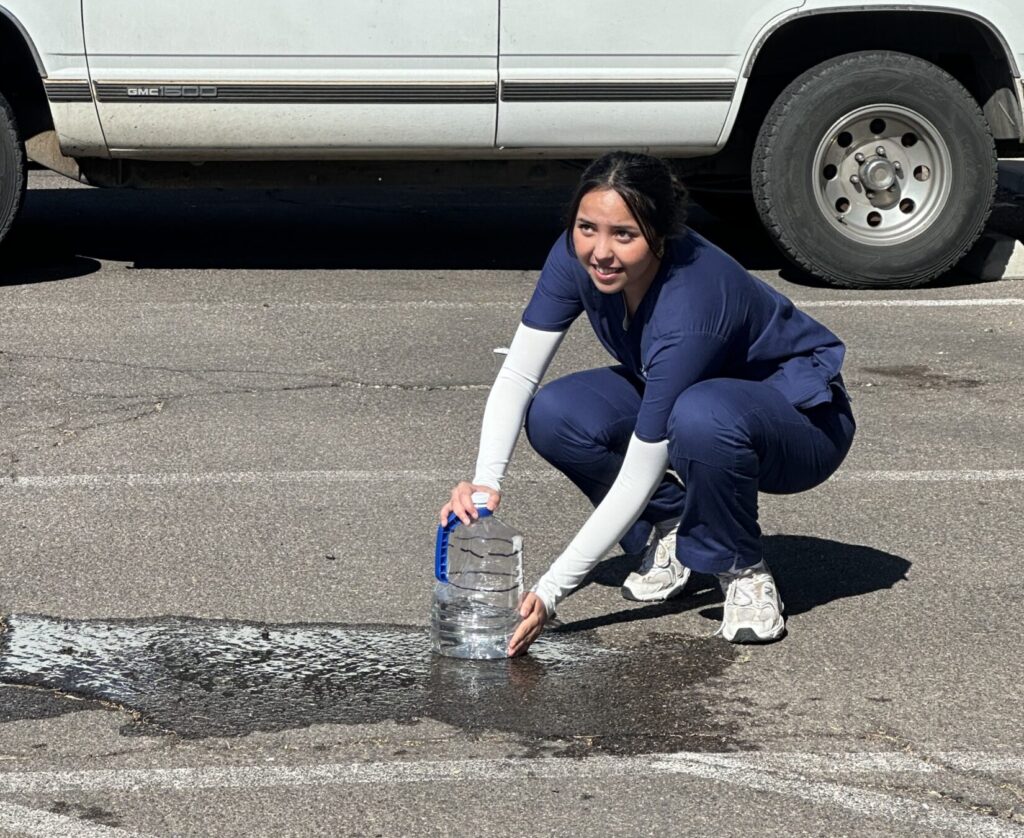
Most bystanders want to help, but crave the permission of someone who appears to be in charge. Donate that permission. Direct pressure is easy to teach OJT.
Don’t confuse delegation with consent. An adult patient’s consent is required, but if the patient is not fully conscious, that consent is legally implied.
DON’T WAIT
When we wrap up the demonstration, I tell the students to take note of the size of the puddles. For illustrative purposes, we wait till both sets of jugs were nearly 40 percent drained. That way, the students can see what exsanguinating hemorrhage looks like.
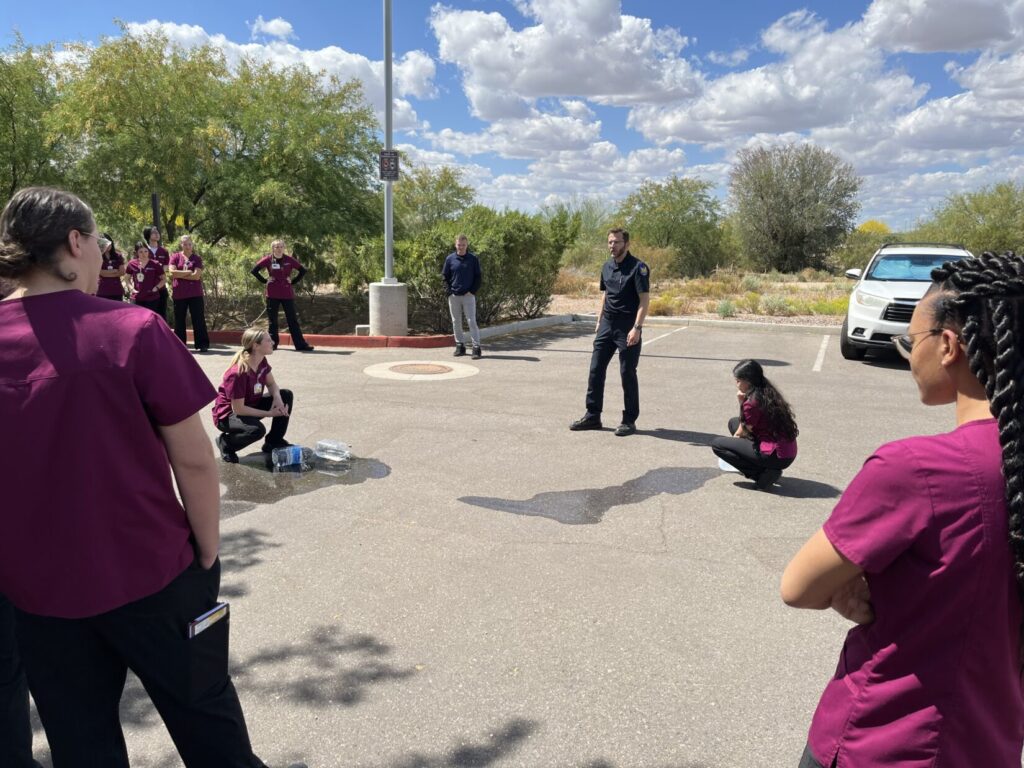
If a person is bleeding out onto concrete, pavement, or tile (see PRO TIPS below), a puddle the size of their torso is already life-threatening. You can have a student or instructor lie down next to the adult puddle for comparison.
MORE BLOOD ONBOARD IS BETTER
We talk about many of the important things that blood does for us:
- Brings oxygen to the tissues
- Brings glucose to the brain
- Carries off carbon dioxide and waste products
- Fights infection
- Clots where it is leaking from the body
A severely wounded person needs all the blood they can hold on to. I tell the students not to wait for the puddle to be as large as in our demonstration before they lock it down.
WHAT YOU’LL NEED
You can easily teach the Jug Demo. It’s cheap, and not rocket science.
All you need are three 1-gallon jugs. I like to recycle used water, lemonade, or iced tea jugs, but if you want to spend about five bucks, you can buy full water jugs. You can re-use the half-gallon jug over and over.
A fat magic marker helps. This photo should give you some idea of where to mark them.
EXPERIENCE SPEAKS
For several years I’ve volunteered for a non-profit training organization called ICSAVE, Integrated Community Solutions to Active Violence Events. One of our highest-demand classes is a joint military and American College of Surgeons program called Stop the Bleed. The US Government launched Stop the Bleed in 2015. Many organizations teach it.
The Jug Demo is not an official part of the Stop the Bleed curriculum, but when we teach Bleeding Control, we almost invariably include it.
2025 was not a particularly heavy year for ICSAVE. We taught no more than in other typical years. I’m only one of dozens of ICSAVE volunteers. Last year alone I taught Bleeding Control to 1200+ students. Usually the classes had about 20 students. That’s a lot of punctured jugs.
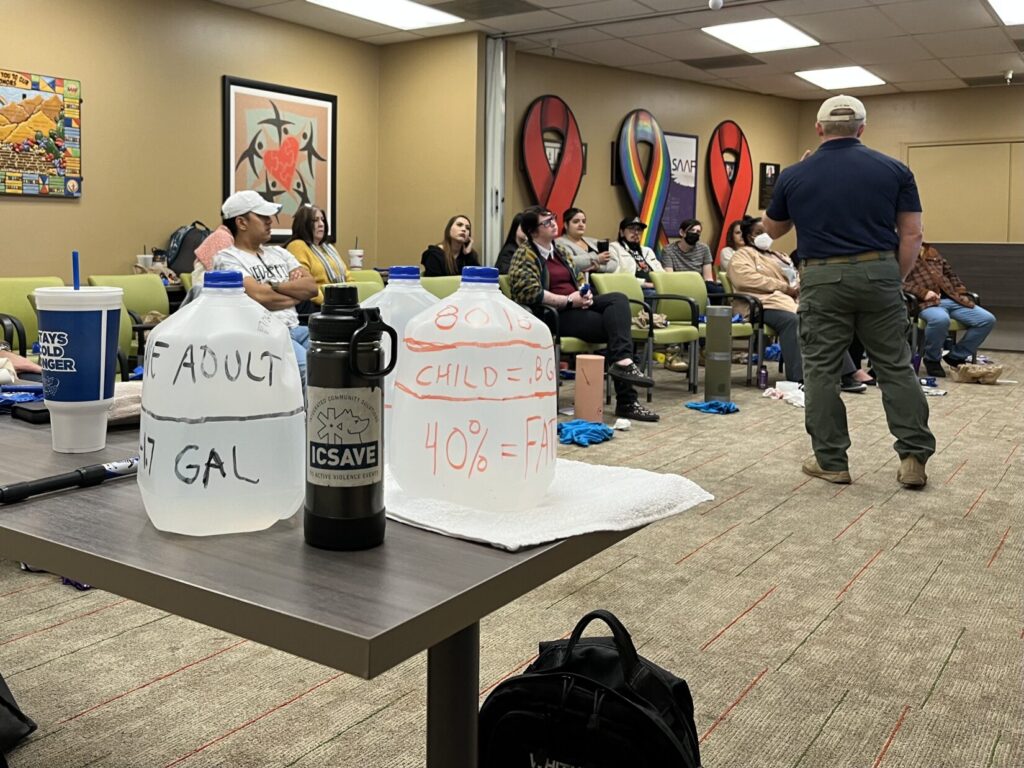
Here are some nuances I’ve learned through experience that can make your Jug Demonstrations more effective.
PRO TIPS
Make your holes near the bottom of the jugs. If you’re using a folding knife, take an extra second to make sure the blade is locked open. You’ll lose a lot of instructor credibility if it folds on your fingers, or if you poke yourself.
Ask any ROTC student from Old Dominion University: if you don’t have a knife on your person, you are naked. But some institutions go into conniptions if anyone sees a blade.
I prefer to use a low-profile GG&G Penetrator for Jug Demos. The Penetrator makes a consistent hole, which makes for a consistent flow rate. With a knife, you may need to stab the jug again, or give it a little twist, to get a flow rate that will not take all day but will give you time to discuss important concepts. The Penetrator makes about a .32 caliber (8mm) hole.
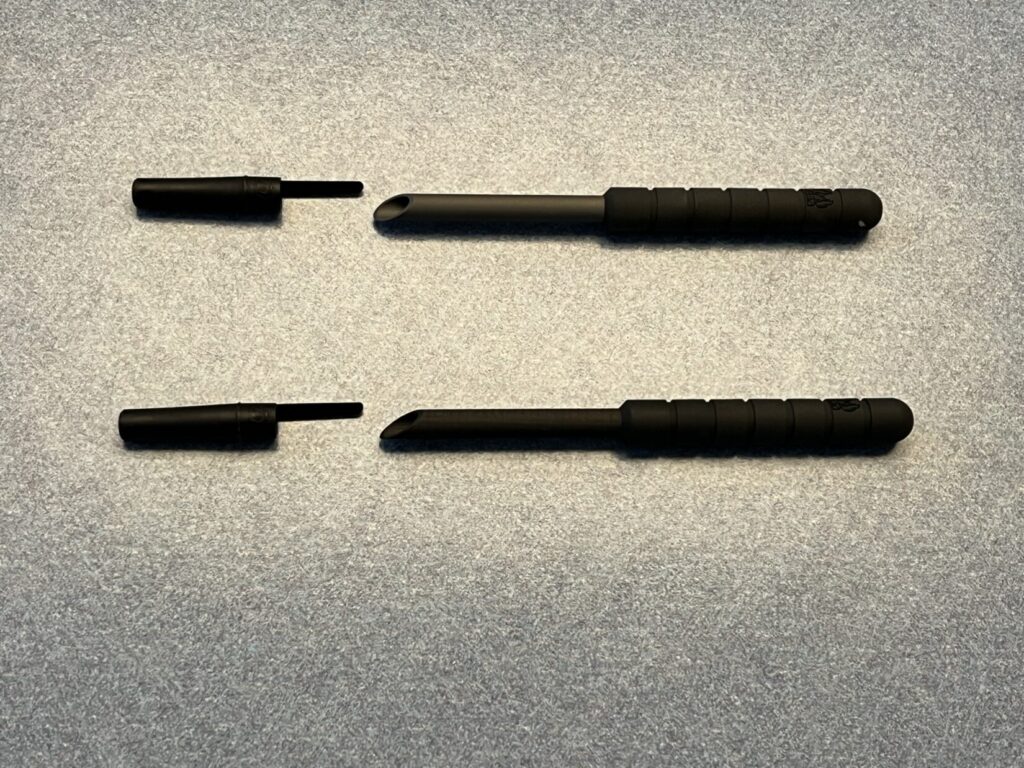
Let your students know it’s not the size of the bullet that hits you, it’s the size of the vessels that are lacerated that determines the speed of the bleed. The Jug Demo is not about how fast one can bleed to death. It’s about how to recognize life-threatening bleeding, and what to do about it.
Crack the seal on the jug lids BEFORE class, but leave the top in place WHILE you poke the jug. Otherwise, you could get soaked. After the jug is “bleeding,” open the top a little to adjust the flow to your desired rate. Screw tops work best, but you can also adjust the flow rate with a peel-off top, once you have played with it a little.
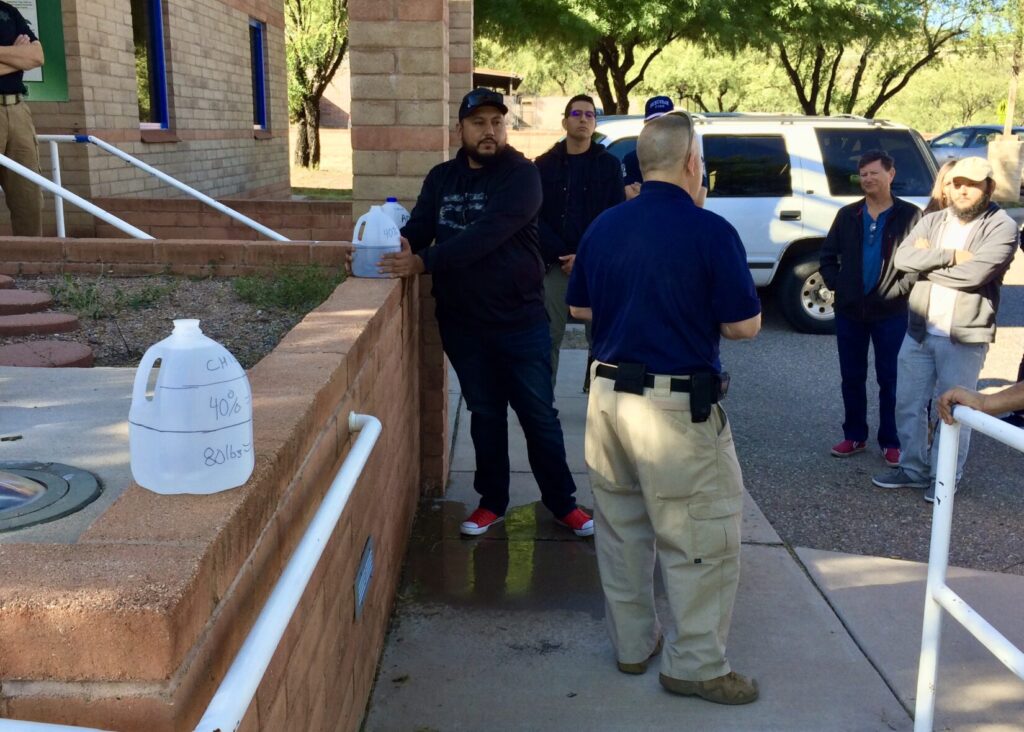
Before class, scout out an open area with dry pavement, concrete, or asphalt for your demonstration. Surfaces with minimal slope work best. Cracks and channels in the concrete can alter the size and shape of the puddle.
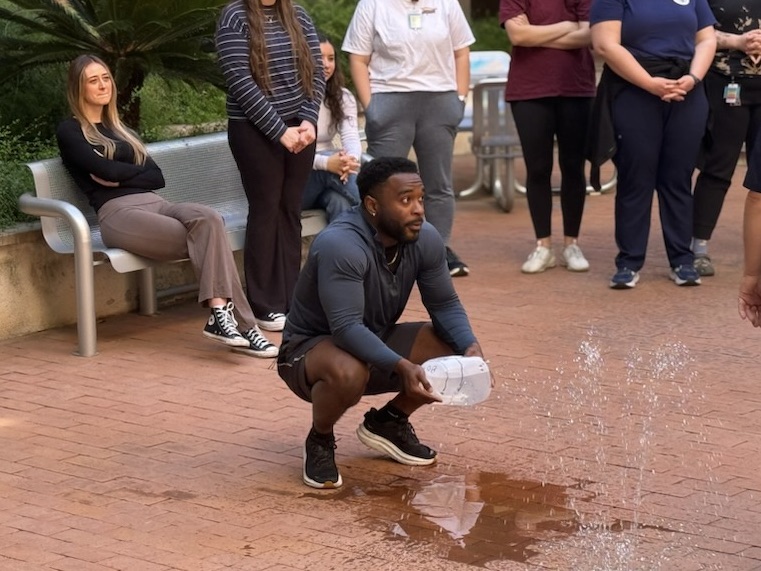
Ask your students how the puddle would look different over soil. You’re right: it would soak in and be smaller. A half-torso-sized blood stain over dirt may already be fatal.
If you don’t have much time to teach your class, or you’re in a high-rise building and shuffling all the students outside and back would take too long, you can do the Jug Demo indoors. The students will lose the benefit of seeing what the puddles look like (recognizing exsanguination), but you can still model delegation. And the student you pick to save the adult jugs can still practice delegation, which, again, is the most important lesson of the Jug Demo.
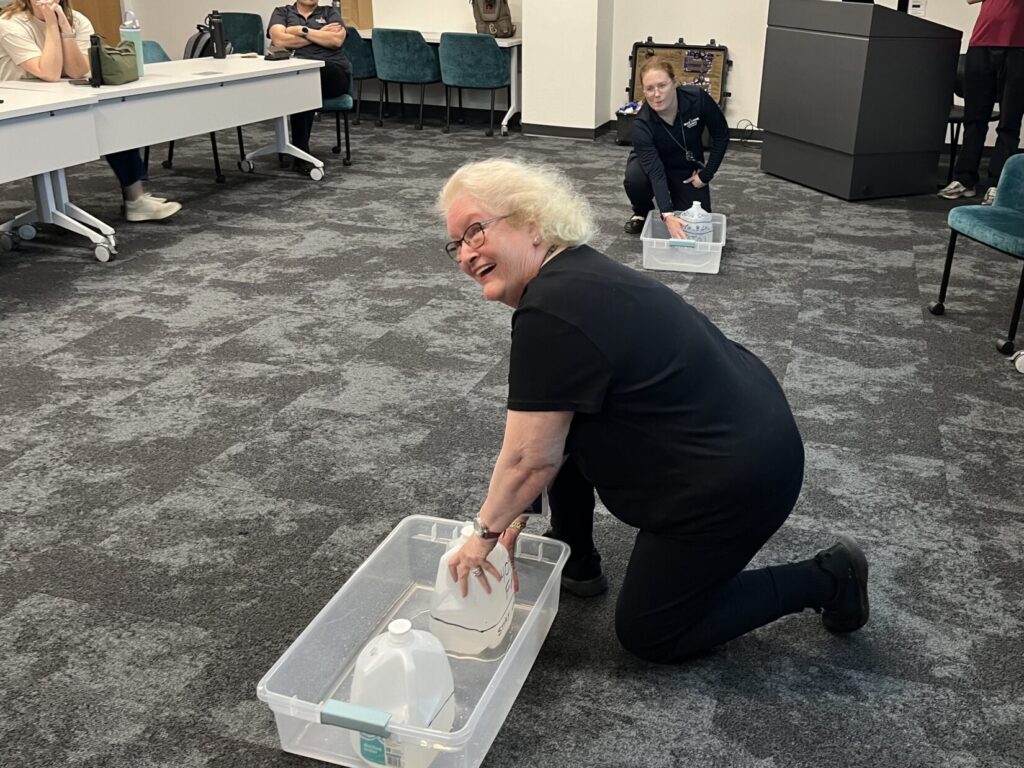
When modeling delegation, select a student who looks hesitant but appears physically able to squat down. As a geezer myself, I can tell you that sometimes us older folks struggle with kneeling for long periods of time. The student in the photo above did just fine, but not everybody my age does. Your goal as an instructor is to empower your students, not to make any of them feel inadequate. If your students are physically challenged, you could place these tubs on tables.
There’s no need for ghoulish fake blood. Much of the theatrical “blood” on the market is corn syrup dyed red. The viscosity makes it look creepier for Halloween houses of horror, but it also takes a long time to “bleed out” very much. That time can subtract from the sets and reps your students could be getting later on in your class. Also, if you leave ugly crime scene stains on the patio of a school or business, you may not get invited back. Water flows much faster, and gets the ideas across without making a mess.
LUGGING THE JUGS IS WORTH YOUR TIME
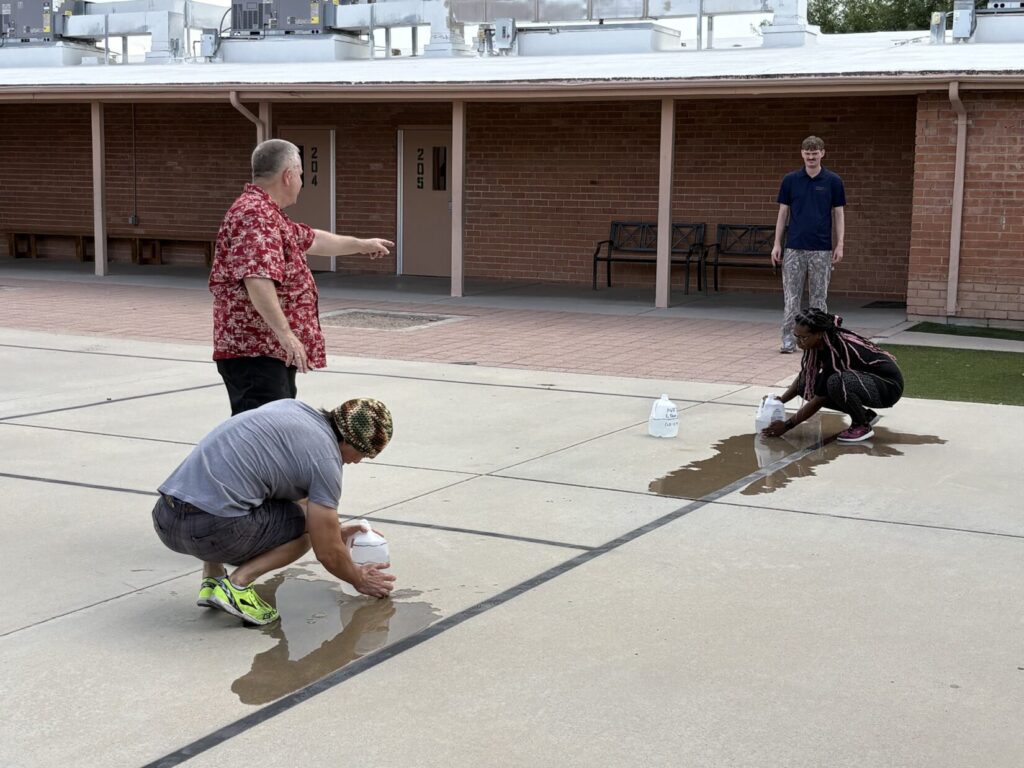
The Jug Demo can help people to become better leaders in crises, whether they are your training buddies, students in your classes, or your own family.