
I’m a year-round sportsman. When hunting season closes, unofficial scouting season begins. Whether I’m in the field or on the water, I am constantly preparing for the next trip and getting my gear together. As someone who enjoys hunting, fishing, camping, hiking, and other ancillary and supporting activities, I have a garage full of equipment in various stages of ready for the next adventure.
Now that big-game hunting season has come to a close here in NC, I’m setting myself up for success for camping, fishing, and travel by sorting gear and shifting things around. Perhaps you’re like me as a multi-sport outdoorsman and the following tips will give you some direction when the disappointment of a closing season starts to wear away.
Reflection
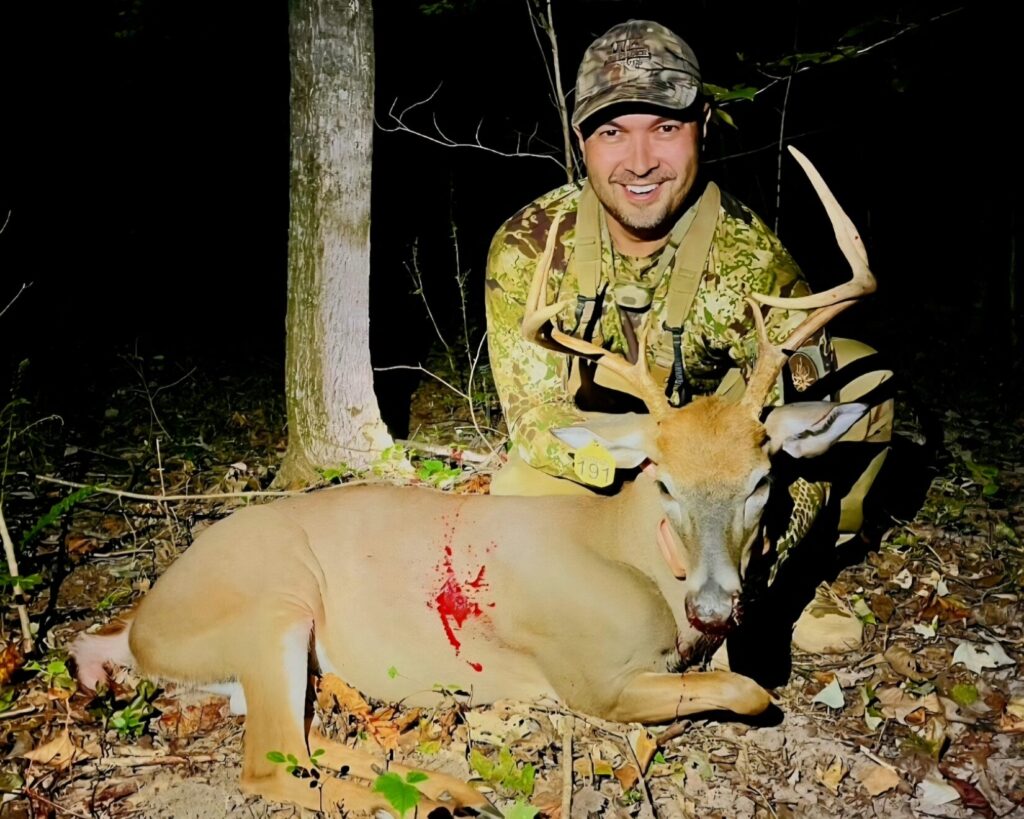
One of the first processes of any end-of-season routine is reflection. I look back at photos, catch up with buddies about mutual hunts, use collective memory to recall anything I may have overlooked and think of ways to make the next season even better.
This process isn’t bang-the-drum and talk about my feelings; it is recognition of what worked, what didn’t, and where changes need to happen. It’s easy to forget certain details in the fog that accompanies the excitement of a successful hunt and the frustration of one that isn’t.
Rifle Deep Clean
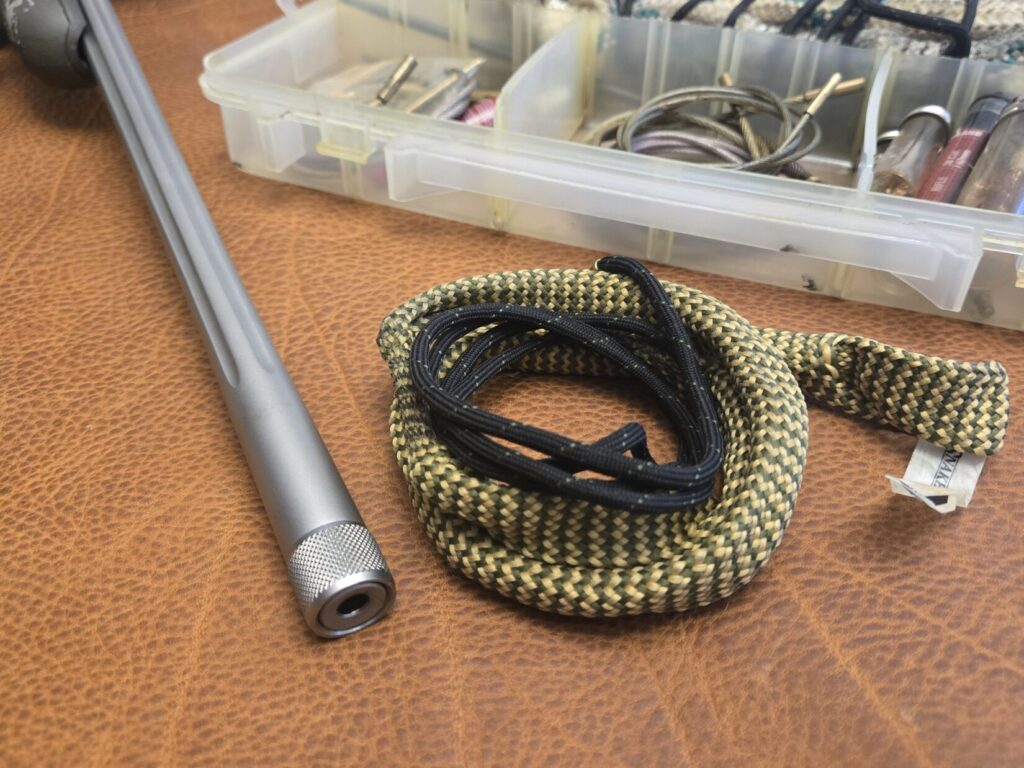
When I took my first precision long-range rifle course, I made it a point to document everything about my rifle in a paper log book. I’ve since moved away from the analog method and started recording everything in a cloud document online. Throughout the hunting season, I take note of how my rifle was used, rounds fired, and the cleaning status.
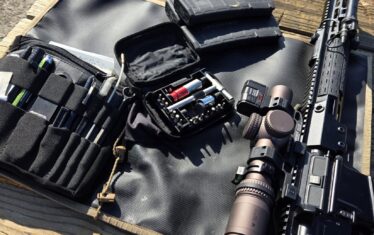
At the end of the season, I double check everything as I deep clean. That process extends beyond running a simple patch down the bore. I usually avoid excessive powder/lead solvents and brushes in my barrel but at the end of the season I will use them sparingly before I put my rifle away for a few months. I also make sure I get a rust-inhibitor protectant around any exposed steel, including scope rings.
Pack Content Swap
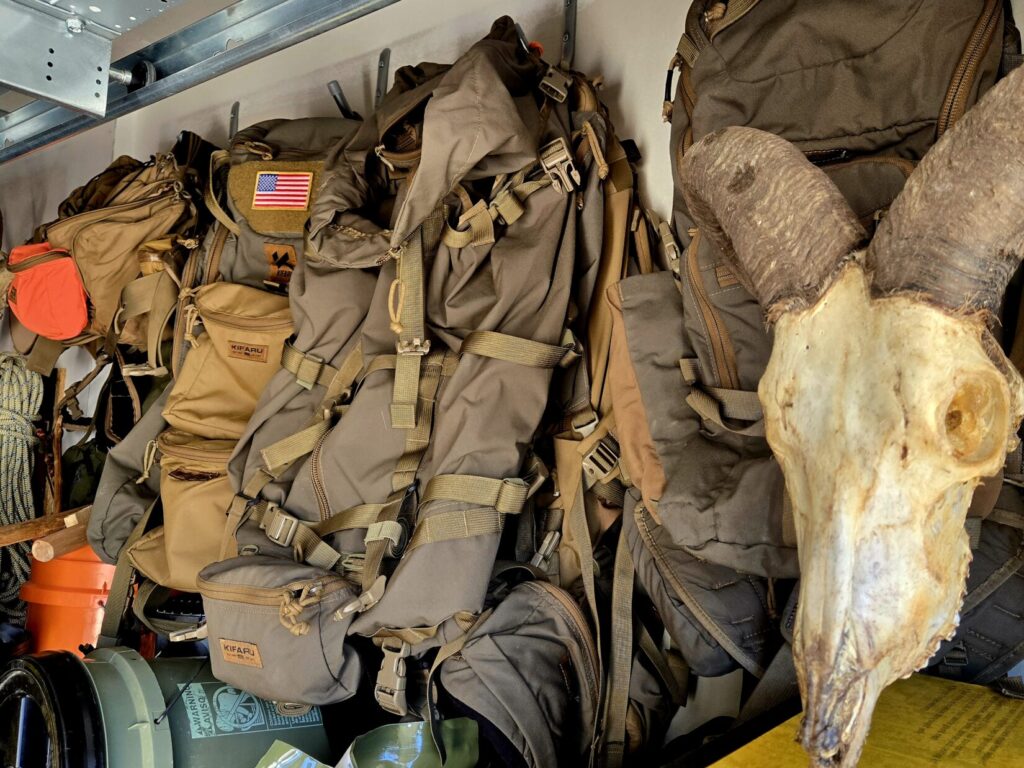
I have dedicated packs for fishing, day hiking, backpacking, and hunting hanging on the wall in my garage. To avoid breaking the hooks that hold them, I empty them of their contents before putting them up. The only pack that doesn’t get emptied is the one I keep ready to go if I have to grab and go from home (more on that later).
When hunting season ends, I transfer my medical kit, emergency night out supplies, and snacks to the bag I carry fishing. Even though the packs change, I typically carry the medical supplies in one of the exterior pockets that is easy to access.
My headlamp is carried at the top of the main compartment in order to find it readily to see the contents of the pack in the dark.
Clothing Air Out
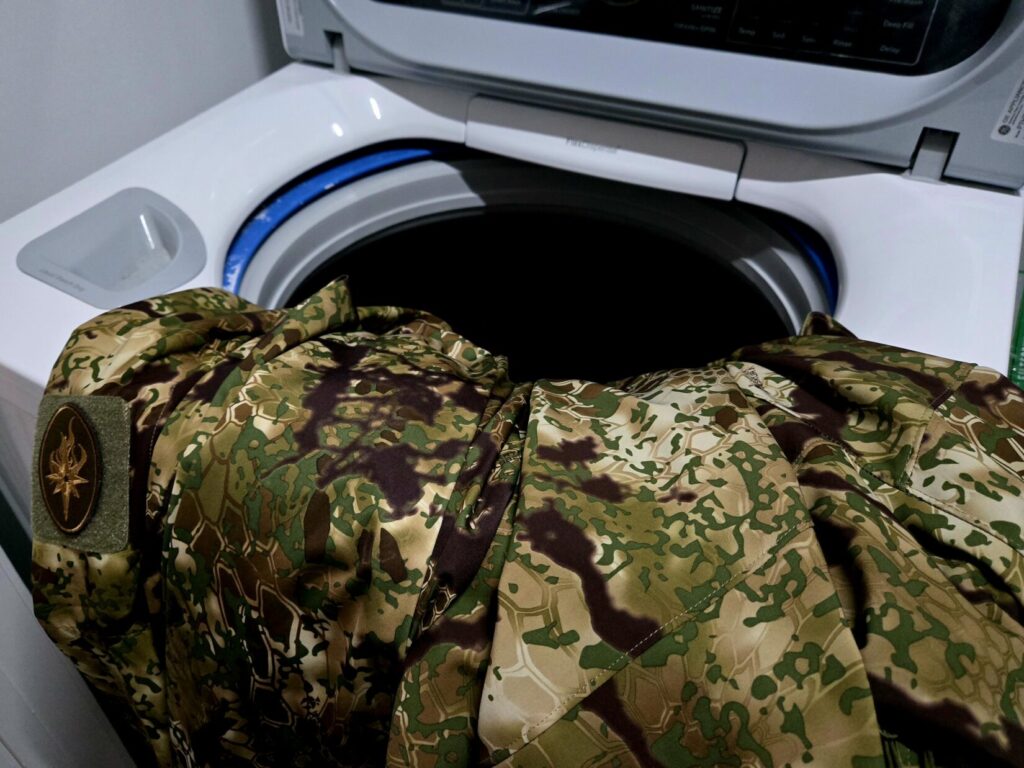
During hunting season, I make a concerted effort to avoid picking up any additional scents on my clothing. A deer can smell you long before it can see you. During hunting season, I typically don’t wash my clothes but by the end of the season, my clothes can smell pretty ripe.
Between seasons, I wash my clothes without detergent. Depending how paranoid I am about imparting too much scent, I may run a cycle in my washer without anything in it prior. Once the clothes are washed, I hang them out to dry.
An old school trick that helps is putting your dry clothes in a bin with natural vegetation like pine needles if they are local to you. I do not store my hunting clothing with clothes I wear when I’m not hunting to avoid any contamination.
Before tucking them away in plastic clothing bins, I’ll hold up the layers I wear to the light to see if there are any holes that need to be patched or repaired otherwise.
Upkeep Plan
If you are like most of the outdoorsmen I know, you probably can’t accomplish all of your tasks in your post-season turn down in a single day. You may need to set aside an extra day to hit the range, bring your rifle for gunsmithing, or pick up supplies from the local store you can’t purchase on Amazon.
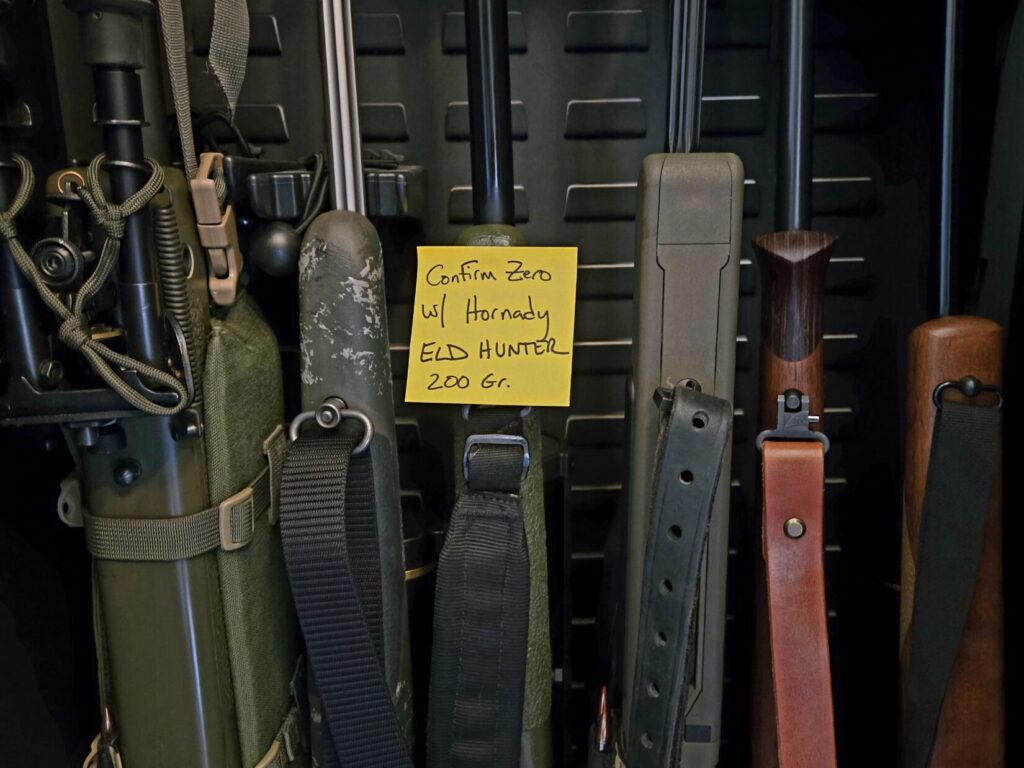
While I have an online “to do list,” sometimes it helps to put a visible physical reminder in the form of a Post-It note somewhere on your kit to remind you to do something.
Now, before any reader reacts and says “if you time to write it down, don’t wait to do it later,” sometimes you have to put off tasks when life gets in the way. Kind of like writing a note on your hand, seeing a piece of paper next to the keypad on your safe with a reminder to “adjust rifle zero” or “get Kryptek bibs patched” is hard to ignore.
While you have your Post-It pad out, set some goals for next season and put them on your mirror the same way Rocky Balboa posted the picture of Ivan Drago before the big boxing match in the USSR.
Pre Season Dry Run
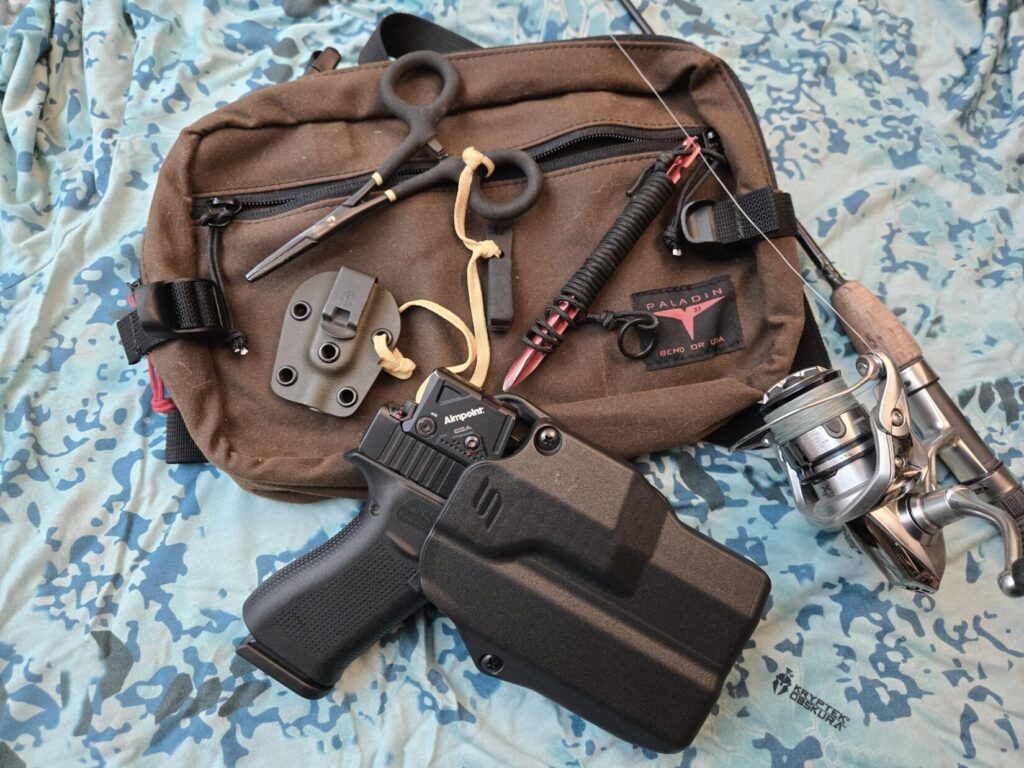
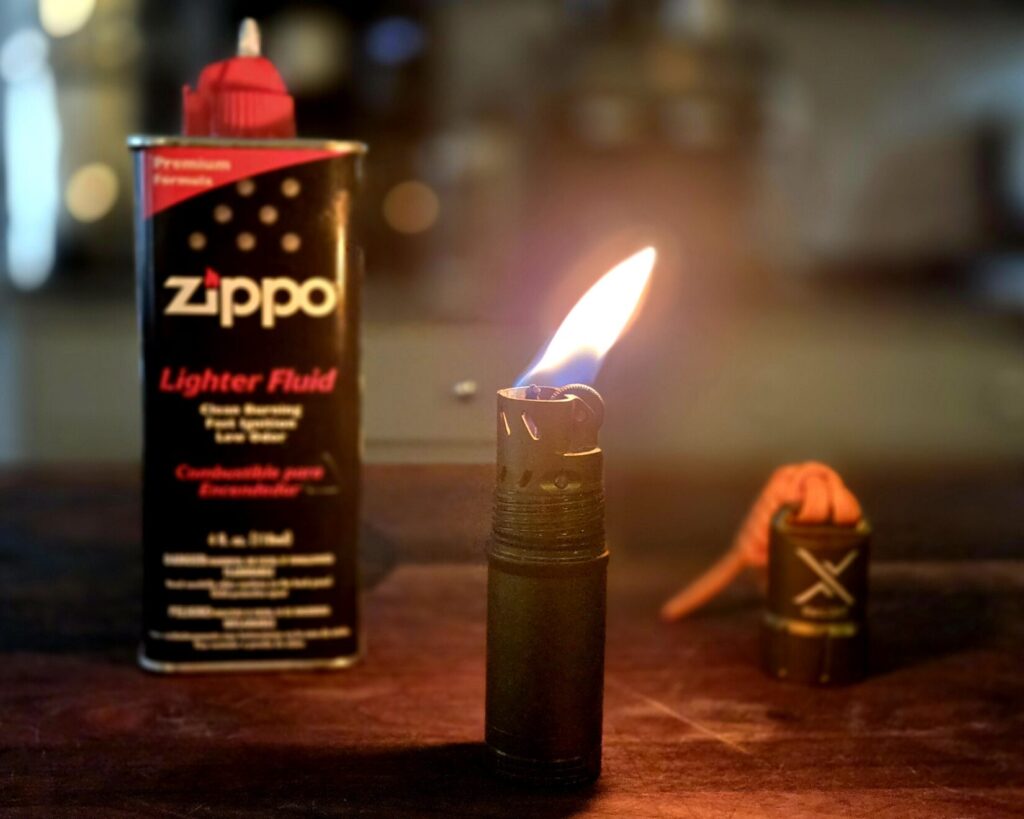
Just as one season ends, another season begins. At the same time I put away my hunting kit, I break out my fishing gear. I test the drag settings on my reels and flex my rods to make sure they’re in order. The same lighter I carry in my hunting pack, I refill with fluid and carry in my fishing kit. I do the same upkeep with my headlamp, refilling ibuprofen bottles, and packs of lucky cigars.
I always make it a point to try on my waders, chest pack, and look at the condition of my fishing gear. You never know if your fishing post season turn down from last year was thorough to identify any issues then. You also don’t know if rodents found their way into your kit and created holes where they shouldn’t be.
Seasons Are Year Round
When I teach a hunter preparation class, I ask students, “When does hunting season begin?”
I’ll hear the typical responses like, “First weekend of…” or, “the day after…” To these, I always say, “Hunting season is RIGHT NOW.”
Just because you take off the camouflage and put down the rifle doesn’t mean you take off the hunter hat. During the rest of the year, you can still visit your hunting locations and take note of game trails, where food plots are, and the terrain features that become lines of drift for the animals you pursue.
When fishing season comes to a close this year, it won’t stop me from grabbing my canoe and exploring the rivers, ponds, and lakes just to appreciate being out.