
Vests have long been a staple in the wardrobes of outdoorsmen, travelers, and tactical professionals, but they’re also a surprisingly effective and stylish option for concealed weapon carriers. Their unique combination of practicality, comfort, and versatility makes them an ideal garment for those who prioritize both readiness and discretion.
Whether you’re navigating urban environments or spending time in the great outdoors, a well-chosen vest can enhance your concealed carry setup without drawing unwanted attention. One of the most compelling advantages of vests is their adaptability across climates.
In cooler weather, insulated vests provide warmth and core protection without the bulk of a full jacket, especially useful for those who need to maintain mobility while staying warm. On the other hand, lightweight, non-insulated vests are perfect for warmer climates or transitional seasons. These options allow for airflow and breathability, keeping the wearer cool while still offering concealment and storage.
Crucially, all vests share a common benefit: they leave the arms free. This freedom of movement is not just a matter of comfort. It’s a tactical advantage. Many top IDPA (International Defensive Pistol Association) shooters favor vests for this very reason, as the sleeveless design supports a bind-free shooting stance and quick, unimpeded access to their firearm.
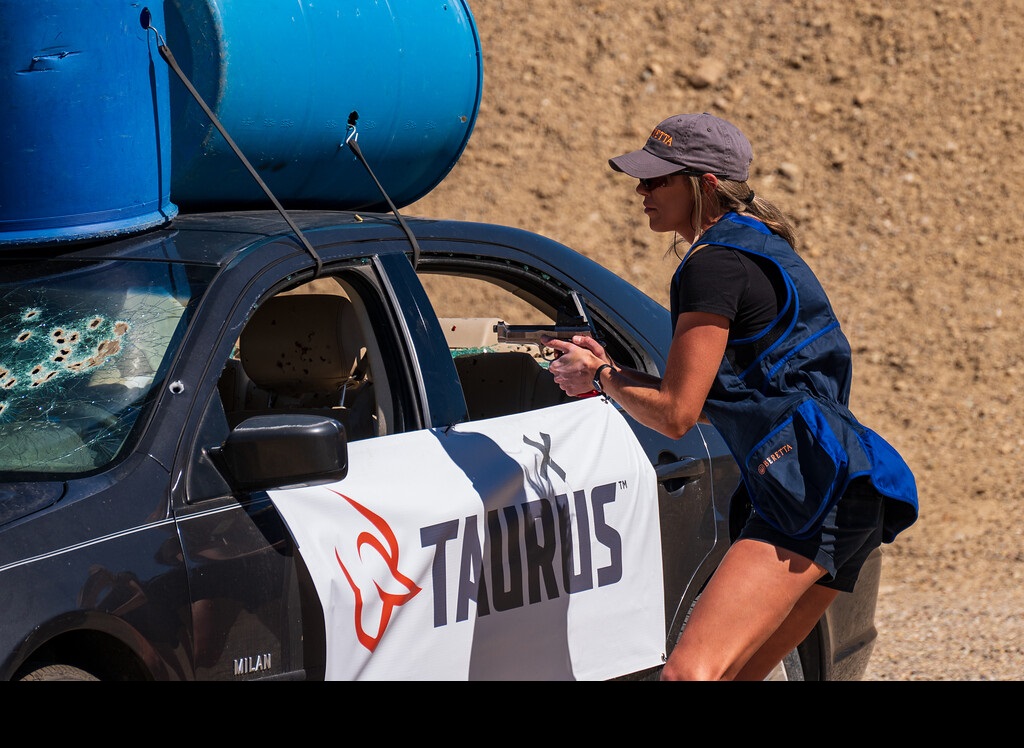
The sleeveless cut of a vest also enhances range of motion, which is critical in self-defense scenarios. Whether you’re drawing from an appendix, strong-side, or shoulder holster, the lack of restrictive sleeves allows for a smoother, faster draw.
Vests can be layered over a variety of base garments such as T-shirts, flannels, hoodies, or even lightweight jackets, making them suitable for a wide range of weather conditions and personal styles. With options that include water-resistant, windproof, and even flame-retardant materials, there’s a vest for nearly every environment and mission profile.
It’s a common misconception that vests are only suitable for cold weather. In fact, there are several types of vests specifically engineered for warm-weather use. These models prioritize lightweight fabrics, mesh panels, and moisture-wicking materials to enhance breathability and comfort.
For those who live in hot or humid regions, or who engage in high-intensity outdoor activities, these vests offer a practical solution that doesn’t compromise on concealment or utility. Whether you’re hiking, biking, or simply running errands in the summer heat, a warm-weather vest can keep you cool while maintaining your tactical edge.
Understanding Insulation Options
When it comes to insulated vests, understanding the type of fill is key to choosing the right one for your needs.
Synthetic
Synthetic insulation is typically measured in grams per square meter (g/m²), with 50–100g being ideal for spring and fall or for layering under a heavier coat. Synthetic fills are generally more moisture-resistant and easier to care for than natural alternatives, making them a solid choice for everyday wear.
Down
Down insulation, on the other hand, is rated by both fill power (which measures loft and quality) and fill weight (the total amount of down used). Down is warmer per ounce than synthetic insulation, making it an excellent choice for extremely cold conditions. However, it’s less effective when wet and requires more careful maintenance. For concealed carriers who spend time in cold, dry environments, a down vest can offer exceptional warmth without excessive bulk.
Style Meets Function
While vests may not be appropriate for formal occasions, they can add a touch of rugged style and personality to casual outfits. Available in a wide array of colors, cuts, and materials, vests are easy to pack, gender-neutral, and ideal for travel. They can be dressed up with a button-down shirt or dressed down with a hoodie and jeans, making them a flexible addition to any wardrobe.
For those who value both aesthetics and utility, modern vests offer the best of both worlds.
Debunking the “Shoot-Me-First” Myth
One persistent myth in the concealed carry community is that utility vests, especially those with multiple pockets, make you a target. The so-called “shoot-me-first” garment theory suggests that criminals will single out vest wearers under the assumption that they’re armed. However, there’s no credible evidence to support this claim. Similar fears were once directed at fanny packs and have since been debunked.

In reality, utility vests are prized for their versatility and functionality. Safari vests, photographer vests, and other multi-pocket designs are commonly worn by travelers, emergency responders, and outdoor enthusiasts. These garments allow users to carry essential gear, flashlights, multitools, first aid supplies, and yes, firearms, while keeping their hands free. As the saying goes, if it’s not on your person, you probably won’t have it when you need it.
Modern utility vests have evolved far beyond the bulky cargo styles of the past. Today’s designs incorporate sleek silhouettes, hidden compartments, and travel-friendly aesthetics that blend seamlessly into urban environments.
For savvy travelers and concealed carriers alike, these vests offer a discreet yet highly functional solution. The only real downside is the temptation to overpack, but that’s a personal choice. It’s better to have the capacity and not need it than the other way around.

Fit and Sizing Considerations
Proper fit is essential when selecting a vest for concealed carry. A vest that’s too tight may “print,” revealing the outline of your firearm, while one that’s too loose can hinder your draw.
Ideally, the vest should be snug enough to stay in place during movement but loose enough to conceal your gun effectively. When trying on vests, wear the type of base layer you plan to use most often, whether that’s a hoodie, long-sleeved shirt, or lightweight jacket.
Length is another critical factor. A simple test is to raise both arms overhead. If the vest rides up and exposes your firearm or holster, it’s too short for effective concealment. Closures also matter. Zippers and snaps are generally quicker and more reliable under stress than buttons, which can be fiddly and slow in high-pressure situations.
When considering a vest for everyday carry, it is critical to evaluate how it performs in practice. Regularly rehearse your draw stroke using an unloaded firearm or, preferably, an inert training replica to ensure safety. If the vest catches, restricts movement, or otherwise interferes with a smooth draw, it may not be the right option.
In concealed carry, practicality and reliability must always outweigh style or appearance
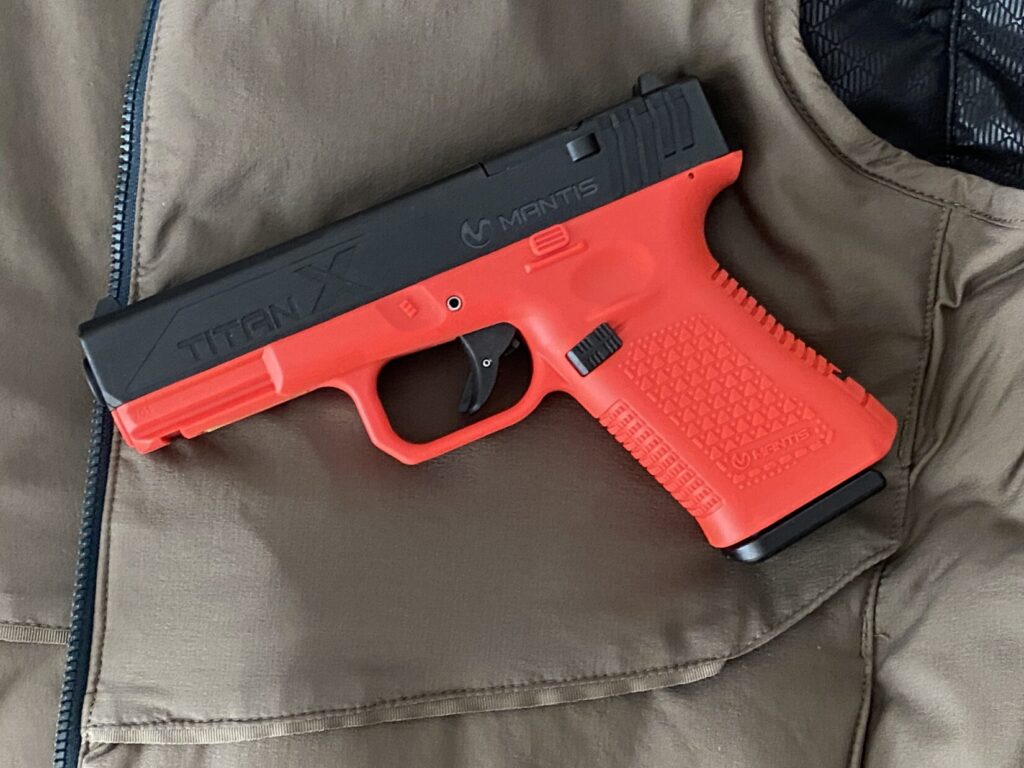
Pass-Through Pockets: A Double-Edged Sword
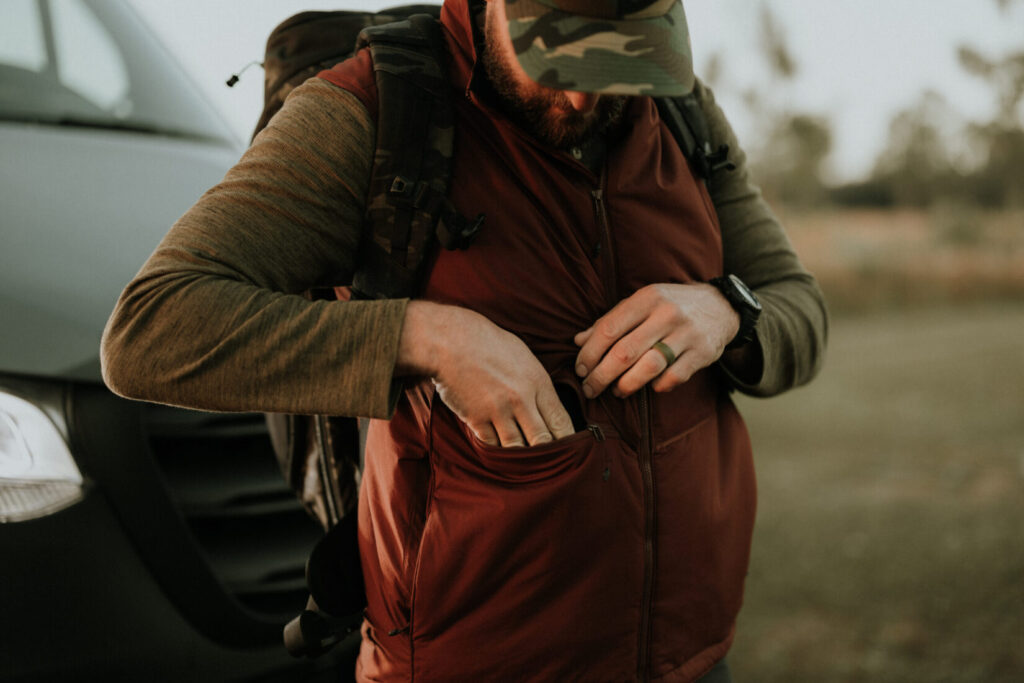
Some vests feature pass-through hand pockets designed to allow access to appendix carry gear. While this feature can be convenient, it comes with its own set of considerations.
In high-stress situations, snag hazards are amplified, and the risk of fumbling your draw increases. Additionally, larger handguns or those equipped with optics may not fit cleanly through the pocket opening, complicating access.
As with any concealed carry setup, practice is key. Train with your unloaded carry configuration until your draw is smooth, safe, and repeatable. If the pass-through design proves awkward or unreliable, it may be better to opt for a traditional draw method.

Final Thoughts
At the end of the day, the best concealed carry garment is the one that fits your lifestyle, your environment, and your personal preferences. Vests offer a rare combination of practicality, comfort, and tactical advantage.
With countless styles, materials, and features available, from insulated winter vests to breathable summer options, from sleek travel vests to rugged utility designs, there’s truly a vest for every concealed carrier.