The elimination of the tax stamp fee took effect on January 1, 2026. While the legislation did not remove suppressors from the National Firearms Act (NFA) list, it did remove the $200 tax requirement for purchasing a suppressor. No more tax stamp fee meant that suppressor sales exploded after the new year, with many purchasers buying one for the first time.
With so many new suppressor owners entering the fold, we thought we’d cover a few things to consider before buying that first can. I’m writing it because I’m still relatively new to suppressors myself and remember how confusing it can be sometimes.
This article will not dive into the weeds about suppressor performance and all the stuff the experts usually go on about. This is for less experienced folks by a moderately more experienced person who claims no special expertise.
The Suppressor-Buying Process
Let’s begin by clearing up a fairly common misconception. The HPA’s passage doesn’t mean you can roll into a gun store, buy your suppressor and walk out. We all wish it was that way, but we aren’t there yet. The only change was the tax stamp fee’s elimination. You still have to submit the paperwork to register your suppressor and undergo the enhanced background check.
You start by choosing your suppressor and paying for it. The dealer will provide you with the necessary information like model and serial number. He will then hold it until you are approved. You’ll then fill out the ATF Form 4, which you can access via the ATF’s website. Paper forms are available for download, but the eForm option is much faster. You will need fingerprints and passport-style photos. Some gun dealers have kiosks that will help you with this or you can get those things yourself.
You are required to report your application to your local chief law enforcement officer, whether a police chief or sheriff. You don’t have to include the details, just that you’re buying a suppressor. The ATF will inform you when they approve your purchase. Take the approval to your dealer, who will then hand over your suppressor. Again, the only change is the need to pay for a tax stamp. The other hoops remain.
Understanding Suppressor Performance
We’ve said this before, but it bears repeating: suppressors do not perform like Hollywood thinks they do. The only way you might approach that level of quiet is by using a quality suppressor paired with subsonic .22 ammo.
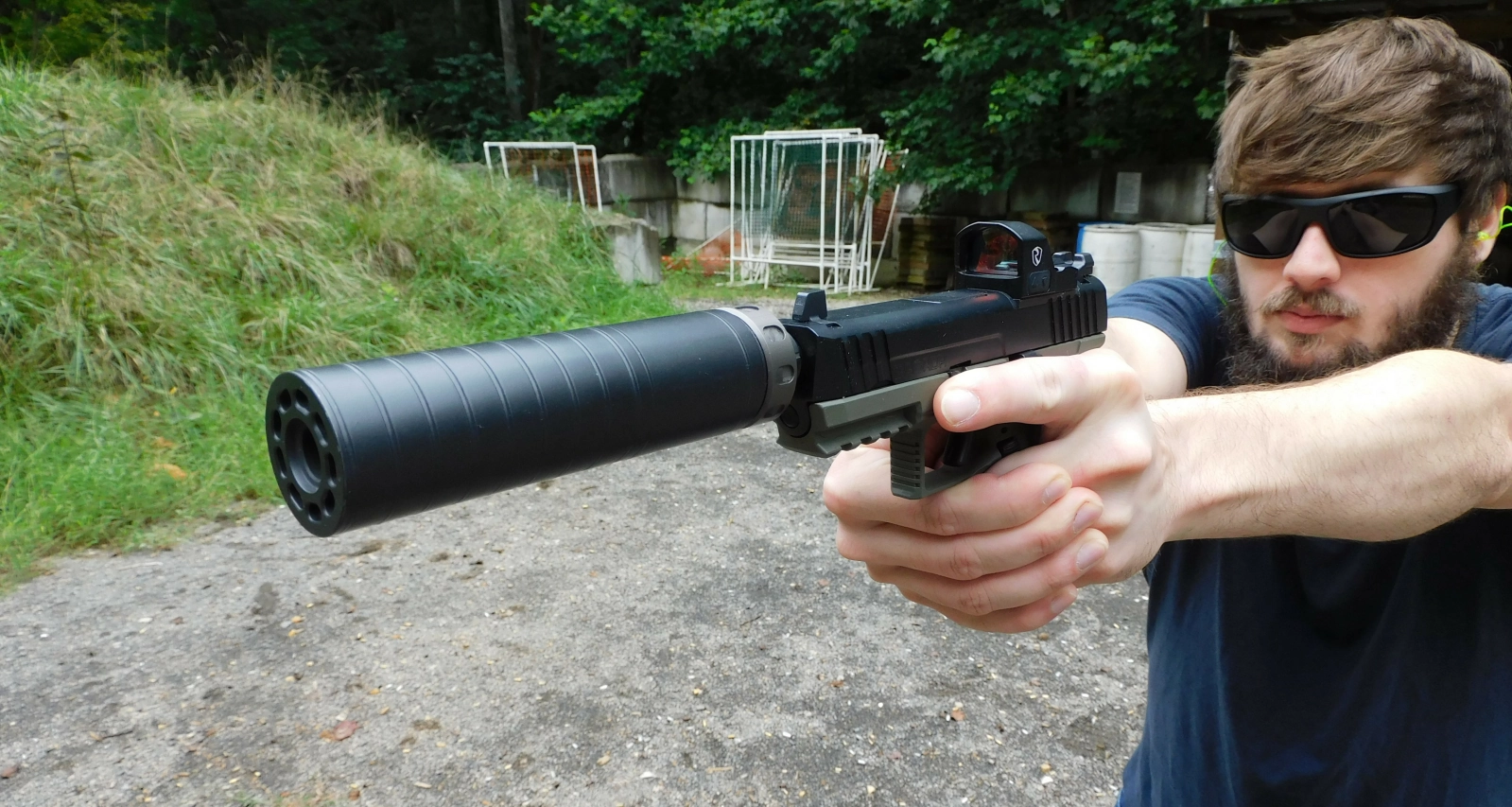
Suppressors reduce the muzzle blast by redirecting gas discharged by firing the gun. They do not affect the bullet’s sonic crack or a semiautomatic firearm’s cycling action. Putting that into perspective, 140 decibels is considered “hearing safe,” though I challenge you to say it doesn’t hurt your ears. A 9mm pistol firing supersonic ammunition is much louder, averaging anywhere from 150 to 165 decibels. A good suppressor will reduce that to the low-to-mid 130s.
That may not sound like much, but it is. Decibels increase and decrease on a logarithmic scale. Picture a giant funnel curving outward the higher it gets. The wider the funnel, the more decibels generated. Suppressors bring decibels down to the narrower part of the funnel, so that even a few steps represent significant changes.
Subsonic ammo maximizes a suppressor’s performance. You’ll still want ear protection with supersonic ammo. Trust me. But I’ve fired suppressed subsonic rounds like .45 ACP and .32 ACP with no ear protection, and it was downright pleasant. Not like Hollywood, but still quiet enough that I could clearly hear the pistol’s action cycling.
Suppressing supersonic rounds is worthwhile. But the point here is to temper your expectations and understand what you’re getting. Suppressors will also tame recoil just a bit, so you’ll also get that benefit.
You Need Other Stuff
My biggest problem with my first suppressor was understanding the mounting hardware. Again, unlike the movies, you don’t just screw the can on the gun and go about your business. You can do that with some guns, but it might not work with others.
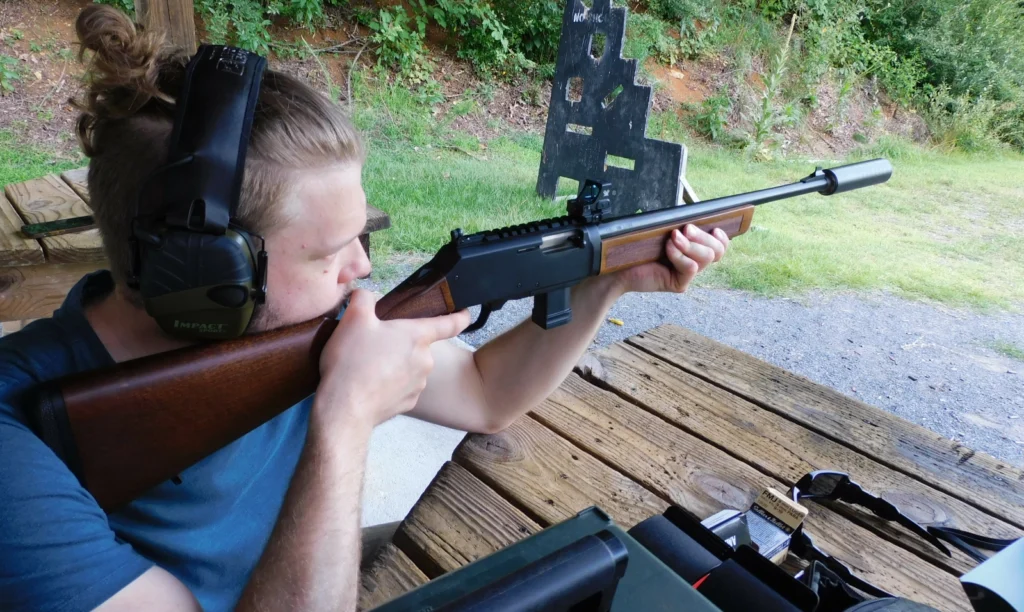
My first suppressor was a SilencerCo Spectre 9. It’s very versatile, and I run it on pistols, subguns, and a carbine. I’m the first to admit that I am not technically minded. I have to study to understand how mechanical things actually work. I threaded the Spectre 9 directly onto my semiautomatic Henry Homesteader 9mm carbine, and it ran great.
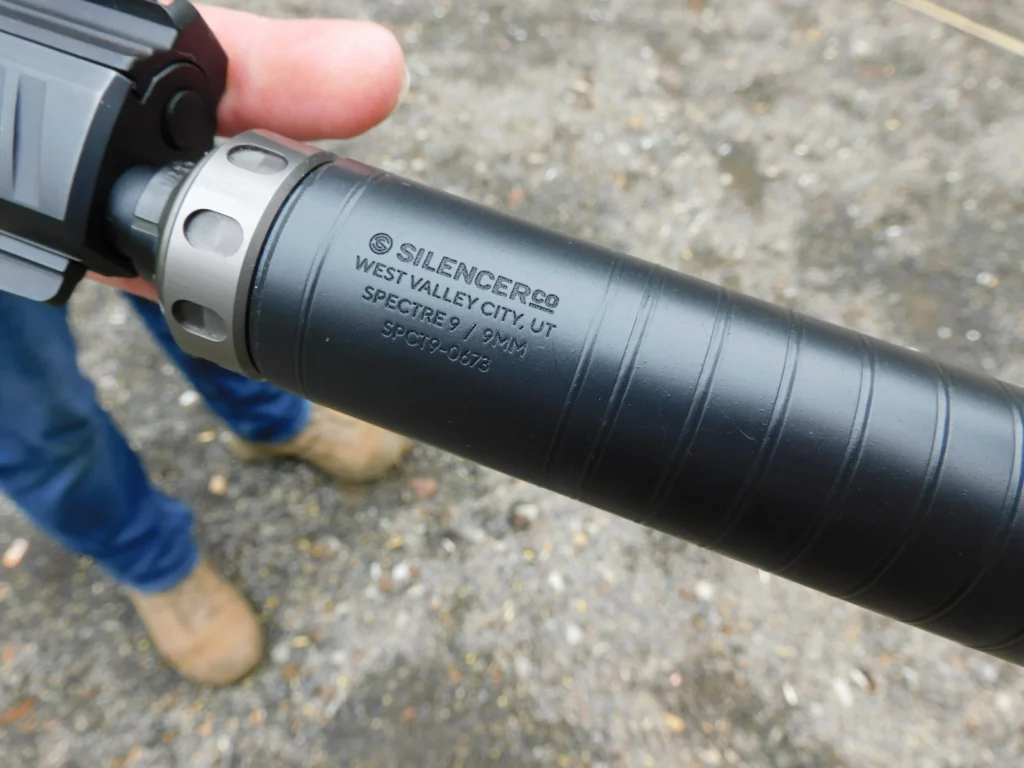
Since that worked on the Homesteader, I direct-mounted it onto a semi-automatic pistol, expecting the same result. Didn’t happen. The previously reliable handgun cycled irregularly and jammed several times. Turns out the Homesteader produced enough back pressure to cycle the action, even though the suppressor redirected the gas. The semiauto pistol did not, resulting in the malfunctions.
I inserted the accompanying piston assembly, remounted the suppressor, and the pistol ran fine. Had I actually read the manual, I would have known that suppressors add weight to the barrel while also redirecting gas used to cycle the action. The piston, as part of the so-called “Nielson Device,” boosts that energy to help the pistol function normally. I had no idea up to that point. The lesson there is to read the instructions, but also to understand how your equipment works. I admit to regularly disregarding instructions on multiple products. It’s a personal failing. But now you know too. Straight blowback pistols may not need a piston.
Suppressor companies offer a variety of mounts for a better experience. I particularly like the SilencerCo ASR flash hider that doubles as a mount.
Suppressor Odds and Ends
Here are a few other considerations when buying your first suppressor.
- Be aware of the thread pitch on your firearm’s muzzle and the suppressor you want to buy. You may need an adapter. That’s where the mounting options like the ASR flash hider I mentioned can help you.
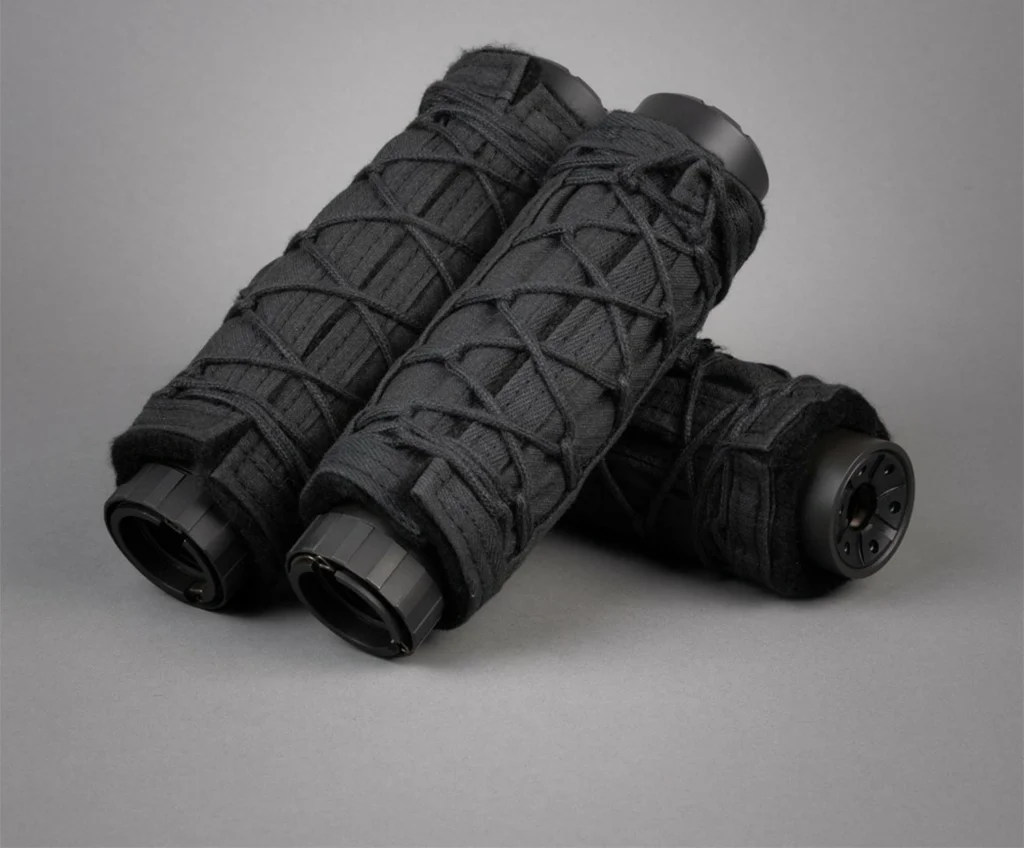
- Consider buying a suppressor cover. Suppressors get very hot very fast. They can burn through your gloves. Suppressor covers are engineered with internal heat shields, making them superior to gloves. Keep in mind that suppressor covers also redirect heat back onto your gun’s muzzle. That usually isn’t a problem, but they will not cool as fast as they would in the open air, and that heat has to go somewhere. Covers can also significantly reduce your suppressor’s thermal signature if that’s important to you.
- You may need to install higher iron sights on your firearm since the suppressor may block the factory sights’ use.
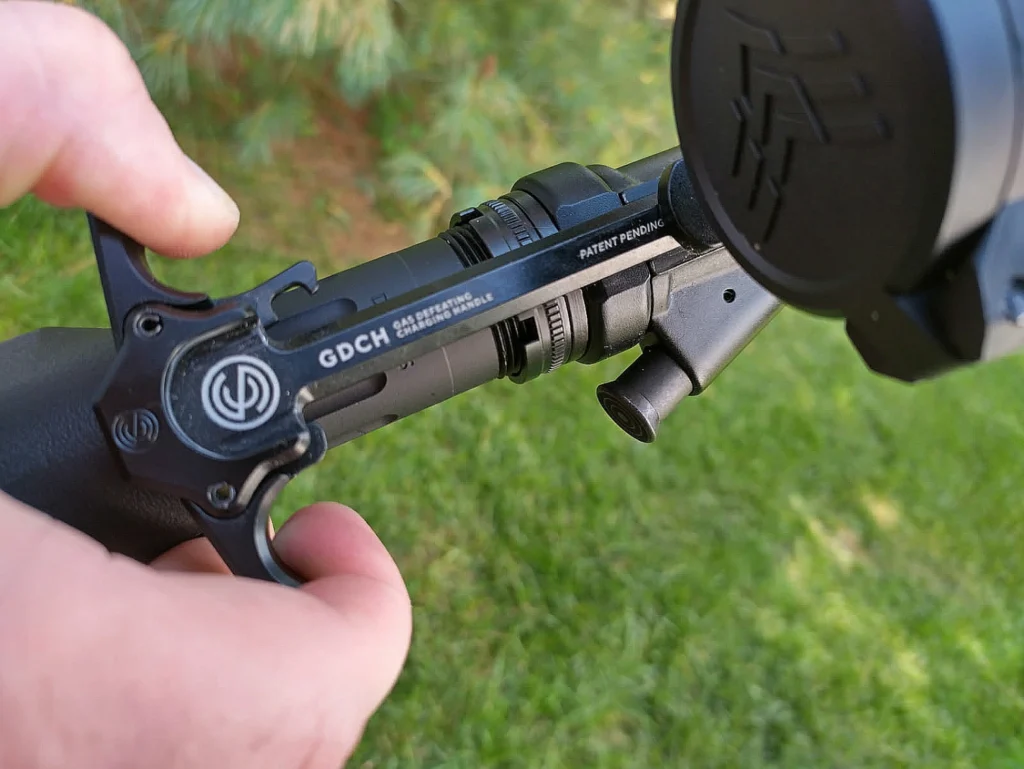
- A suppressor often redirects your firearm’s gas right into your face. This is especially prevalent with semiautomatic rifles, whose cycling action sucks it right back at you. Several companies make AR-15 charging handles that largely block this gas, making for a more pleasant shooting experience. I have the SilencerCo model on a suppressed AR-15.
Final Thoughts
Buying a suppressor hasn’t been this easy since 1934. The ATF’s eForms and no more tax stamp fee are two steps in the right direction. Suppressors are valuable shooting tools, helping protect your hearing and that of the people around you. They also reduce general noise pollution around ranges, the deer woods, or anywhere else they might be used.
The greater ease of purchase will undoubtedly attract new suppressor owners. We’ve hopefully given you a few things to think about and perhaps helped ease your journey toward shooting suppressed.