
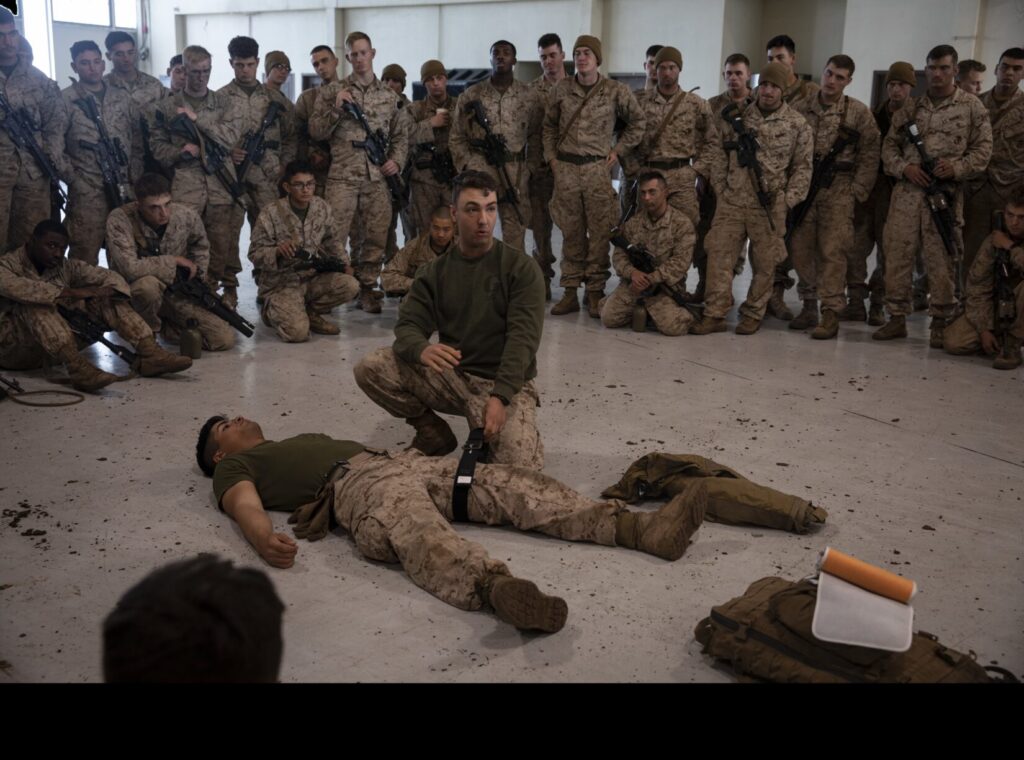
Severe bleeding from an arm or leg can become life‑threatening within minutes. That urgency is why tourniquets have become essential not only for military medics and first responders but also for ordinary people trained in bleeding control.
Most people understand the basic idea of tightening a strap around a limb to stop blood flow, but far fewer realize how much the design of the tourniquet affects whether it works. One of the most important design features is also one of the least appreciated: the width of the strap.
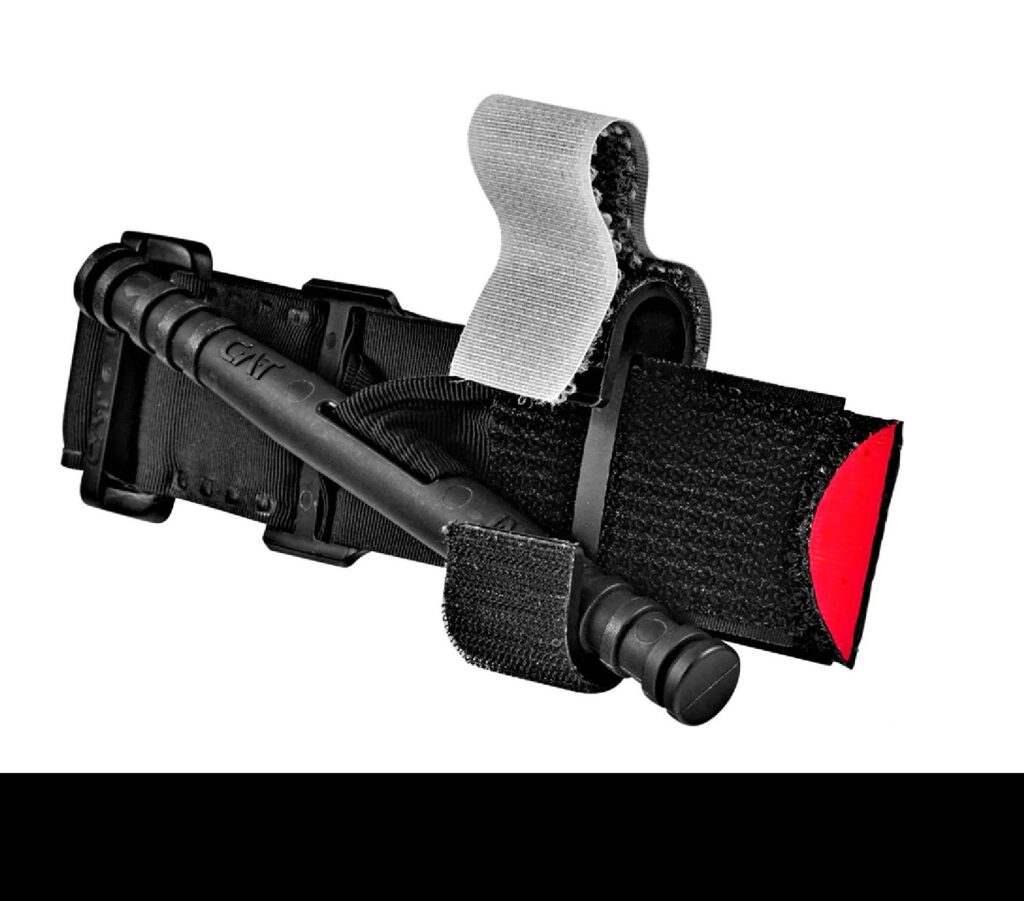
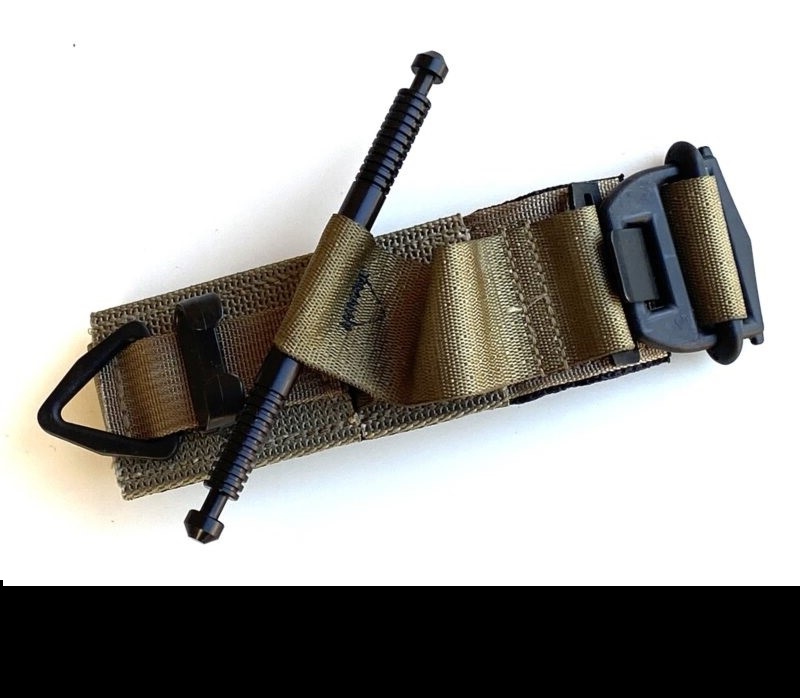
Modern medical and tactical tourniquets almost all use a strap about 1.5 inches wide. This standard is not arbitrary. It is the result of years of research into how pressure affects arteries, how to achieve reliable occlusion, and how to minimize injury. Understanding why width matters helps explain why purpose‑built tourniquets work so well and why improvised alternatives often fail.
What a Tourniquet Does
A tourniquet saves lives by stopping arterial blood flow to a limb. To do this, it must apply enough circumferential pressure to collapse the artery completely. The amount of pressure matters, but so does the way that pressure is distributed. Strap width is one of the strongest predictors of whether a tourniquet can achieve occlusion quickly, safely, and consistently.
Why Width Affects Effectiveness
A wider strap spreads pressure over a larger surface area, making it easier to collapse the artery without requiring excessive force. Research consistently supports this principle.
A study by Wall and colleagues in 2014 demonstrated that strap width is a major factor in determining how much pressure is needed for occlusion. Even small increases in width significantly reduce the required force. This makes wider tourniquets not only more effective but also easier for responders, especially untrained ones, to apply correctly.
Why Width Affects Safety
Tourniquet width also plays a major role in reducing complications. Narrow straps concentrate force into a small area, increasing the risk of nerve injury, skin damage, muscle compression, and severe pain. Wider straps distribute pressure more evenly, lowering the risk of tissue damage while still achieving full occlusion.
Surgical literature reinforces this. A 2024 systematic review by Chan and colleagues found that wider surgical cuffs allow clinicians to use lower pressures while maintaining reliable occlusion. Although surgical and tactical tourniquets differ in design, the underlying physiology is the same: wider is safer.
What Recent Research Shows About New Tourniquet Designs
A 2020 study in Prehospital and Disaster Medicine by Ellis, Morrow, Belau, and St. John evaluated several newer commercial tourniquets marketed for everyday “spontaneous responders.” The researchers examined how reliably these devices achieved occlusion, how easy they were to use, and how much pressure they required.
One of the clearest findings was that tourniquet width remained a dominant factor in performance. Narrow or minimalist designs, even when compact and convenient, often required much higher pressures or a more precise technique. Some worked only under ideal conditions, and several had higher failure rates when used by non‑experts.
Across decades of research, the conclusion is consistent: tourniquets with straps around 1.5 inches wide offer the best balance of effectiveness, safety, and ease of use. For spontaneous responders acting under stress, this margin of reliability is crucial.
Wider, purpose‑built tourniquets require less force, are more forgiving of imperfect placement, distribute pressure more safely, and work across a wide range of limb sizes. Even as new designs appear, the evidence continues to support the 1.5‑inch standard as the most dependable choice for everyday carry.
Why 1.5 Inches Became the Standard
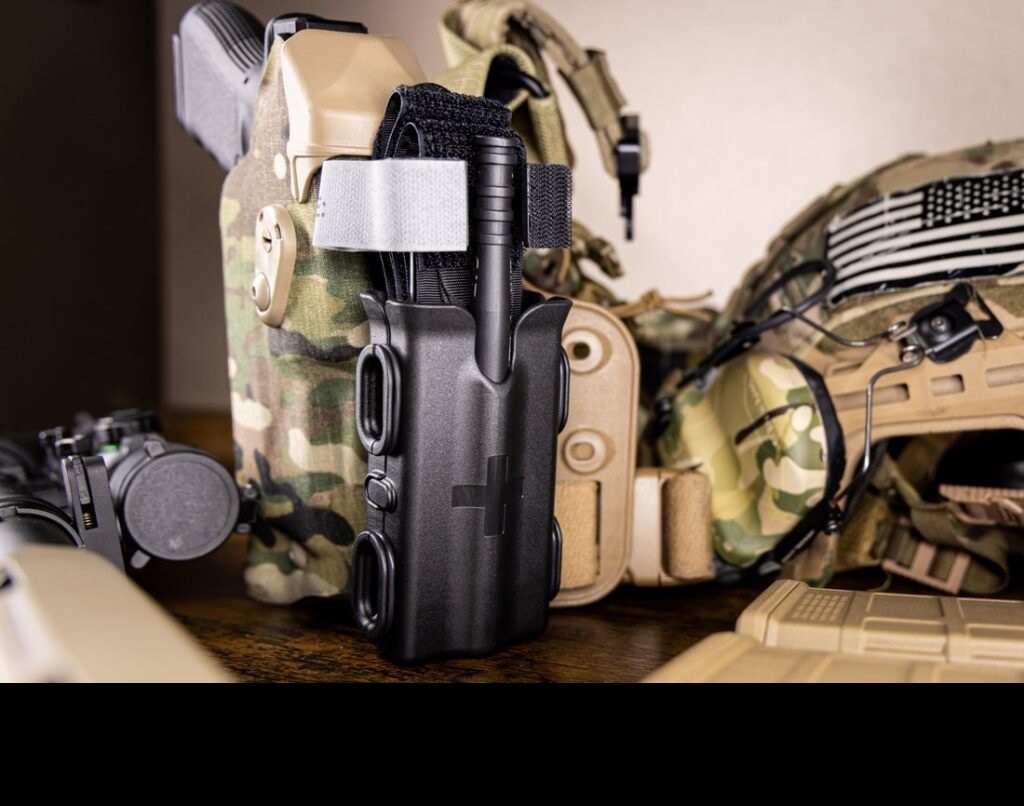
The 1.5‑inch width used in modern commercial tourniquets represents a practical compromise between performance and usability. Wider straps could theoretically reduce pressure even further, but they would also become bulkier, harder to tighten, and slower to apply. In emergencies, speed and simplicity matter.
The 1.5‑inch width has proven reliable across diverse conditions, including through clothing, on wet or dirty skin, and during movement. This is why widely used devices like the CAT and SOF Tourniquet (SOFTT‑W) use this width and why it has become the standard in Tactical Combat Casualty Care.
Why Improvised Tourniquets Often Fail
People sometimes attempt to use belts, cords, or shoelaces as makeshift tourniquets. The problem is that most improvised materials are too narrow, too stretchy, or too difficult to tighten adequately. Narrow improvised straps often cause pain and tissue injury without actually stopping arterial bleeding.
Research consistently shows that improvised tourniquets have high failure rates, which is why medical experts strongly recommend carrying a purpose‑built commercial device whenever possible.
What This Means for Everyday People
If you carry a tourniquet or are considering getting one, the most important takeaway is simple: choose a real, purpose‑built tourniquet with a strap about 1.5 inches wide. This width has been proven through research and real‑world use to be effective, safe, fast, and reliable. In a life‑threatening emergency, reliability is everything.
Why Choosing a CoTCCC‑Recommended Tourniquet Matters
One of the best ways to ensure you are carrying a reliable device is to choose a tourniquet recommended by the Committee on Tactical Combat Casualty Care. This committee includes trauma surgeons, military medics, emergency physicians, and other experts who review battlefield data and scientific research to determine which devices work under the worst conditions.
The CoTCCC is a subgroup of the Defense Health Agency’s Joint Trauma System, tasked with developing evidence-based guidelines for combat casualty care.
A CoTCCC‑recommended tourniquet has been tested for strength, durability, reliability across limb sizes, ease of use under stress, ability to achieve rapid arterial occlusion, and safety. These devices have proven themselves in both laboratory testing and real emergencies. Choosing one means you are carrying a tool trusted by the military and vetted by experts.
Final Thoughts
Choosing the right tourniquet is one of the simplest and most powerful steps anyone can take to prepare for a life‑threatening emergency. A well‑designed tourniquet is backed by research, real‑world experience, and lessons learned from saving lives on and off the battlefield. Carrying a reliable tourniquet and knowing how to use it means you are ready to act when every second counts.
References
Chan, K., Jaibaji, R., Barker, E., Talwar, C., & Pang, C. (2024). A systematic review and meta‑analysis of tourniquet pressures in upper limb surgery. Journal of Clinical Medicine, 14(6), 1938.
Wall, P. L., Coughlin, O., Rometti, M., Birkholz, S., Gildemaster, Y., Grulke, L., Sahr, S., & Buising, C. M. (2014). Tourniquet pressures: Strap width and tensioning system widths. Journal of Special Operations Medicine, 14(4), 19–28.
Ellis, J., Morrow, M. M., Belau, A., & St. John, L. S. (2020). The efficacy of novel commercial tourniquet designs for extremity hemorrhage control: Implications for spontaneous responder every day carry. Prehospital and Disaster Medicine.
Disclaimer
This article is for general informational and educational purposes only. It is not medical advice, does not replace professional training, and should not be used as a substitute for guidance from qualified medical professionals. Always follow established emergency protocols and seek professional medical care whenever possible.
The appearance of U.S. Department of Defense (DoD) visual information does not imply or constitute DoD endorsement.