Mastering trigger control is one of the hardest obstacles to overcome for many shooters, yet it’s one of the foundational blocks of firearms proficiency. When you develop a good trigger press, it not only improves accuracy but also unlocks your ability to shoot at a much higher speed while maintaining that accuracy.
Of course, other aspects go along with trigger control, like grip and stance. I think most would agree that the absolute most important aspect of good shooting starts with a good grip. And to test this grip, there are several drills you can do, like the ones in this training video by Achilles Heel Tactical (AHT).
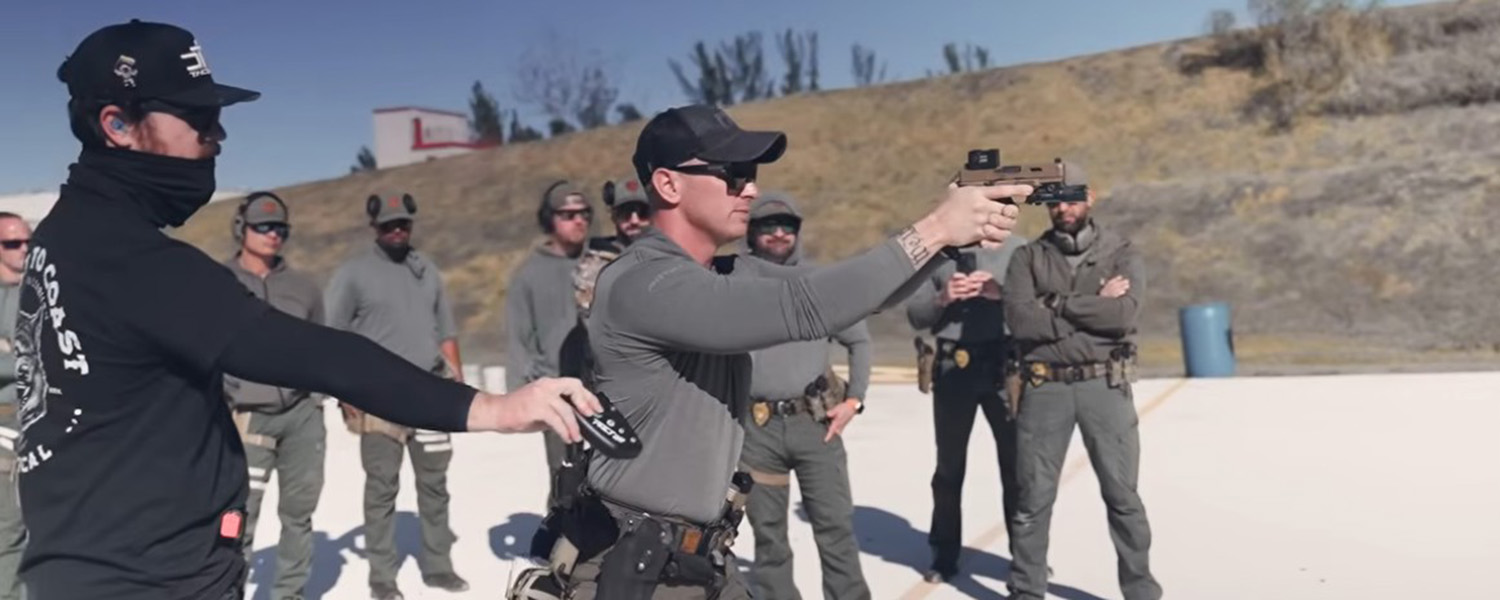
Rick Crawley, a Safariland CADRE Member, addresses trigger control head-on. He explains how to pull the trigger in a way to expose flaws in your grip. These methods force you to hold yourself to a very high standard of consistency. By forcing speed and demanding accuracy, you build disciplined habits.
Let’s go through the video and see how he does it.
Isolating the Consistent Grip
The AHT approach begins with grip consistency. Crawley points out that your thumbs are weak and that the exact placement of your thumbs is largely irrelevant. The focus should never be on “thumbs forward” or “thumbs up” dogma. Instead, the focus should be on the specific pressures applied to the gun. Training can help create a principled, consistent, and disciplined application of force on the pistol.
A good grip isolates the firearm from any outside pressures or movements. A successful grip is proven when a shooter can press the trigger in a “sloppy manner,” and the sights do not move on the target.
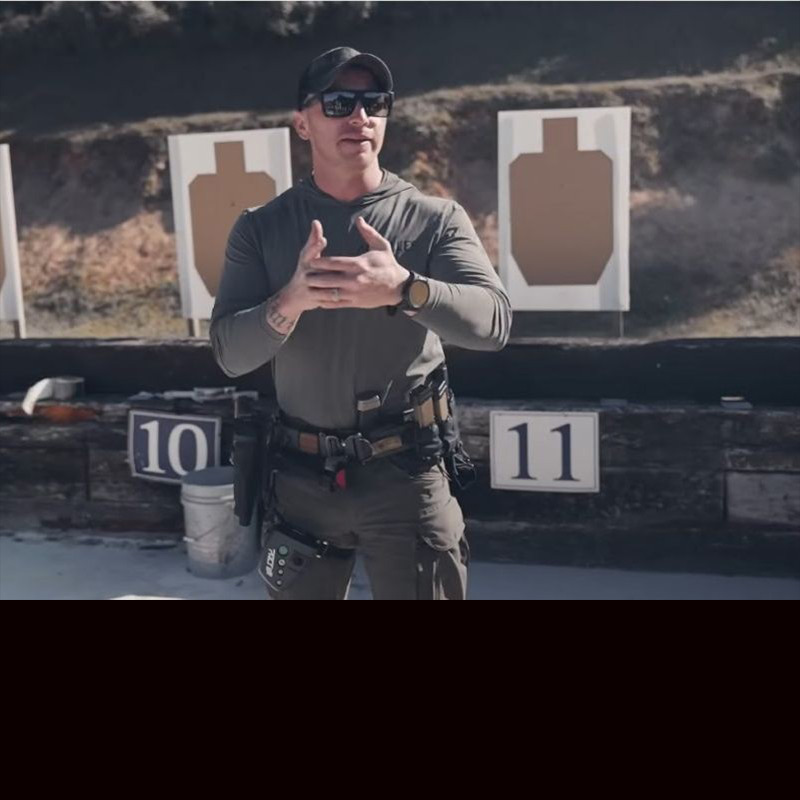
Doing this on purpose just feels counterintuitive to me. But when you hear his explanation, it makes sense. It’s like shooting at 50 yards, so you can be better at 20. You practice by pulling the trigger in a sloppy way, but perfecting a grip that holds the gun in place. After that, pulling the trigger correctly will reveal even better results.
But when you do this, and your sights move, you know there is work to be done on your grip.
Crawley points out that dry fire is one of the best ways to practice this, because you don’t need the recoil of the gun to reveal if your grip is allowing movement during a trigger pull.
The Trigger Control at Speed Drill
In the video, Achilles Heel Tactical demonstrates a training exercise they call the “Trigger Control at Speed” drill. You can perform this drill live or while dryfiring. The point is to force speed to uncover weaknesses in your mechanics.
Crawley tells his students to “slap the triggers back like absolute a-holes.” The goal is not to actually shoot that way in combat. But the intent is to impose a high, aggressive speed upon the system immediately. This high-speed trigger actuation serves as a stress test for the entire grip structure. If the sights remain stable during this hurried press, you know your grip is disciplined and consistent.
He also points out that building a slow, complacent style of shooting is counterproductive. Training to slowly press the trigger gently will not build a high-standard, disciplined grip. The standard must be set “up here and not mediocre down here.”
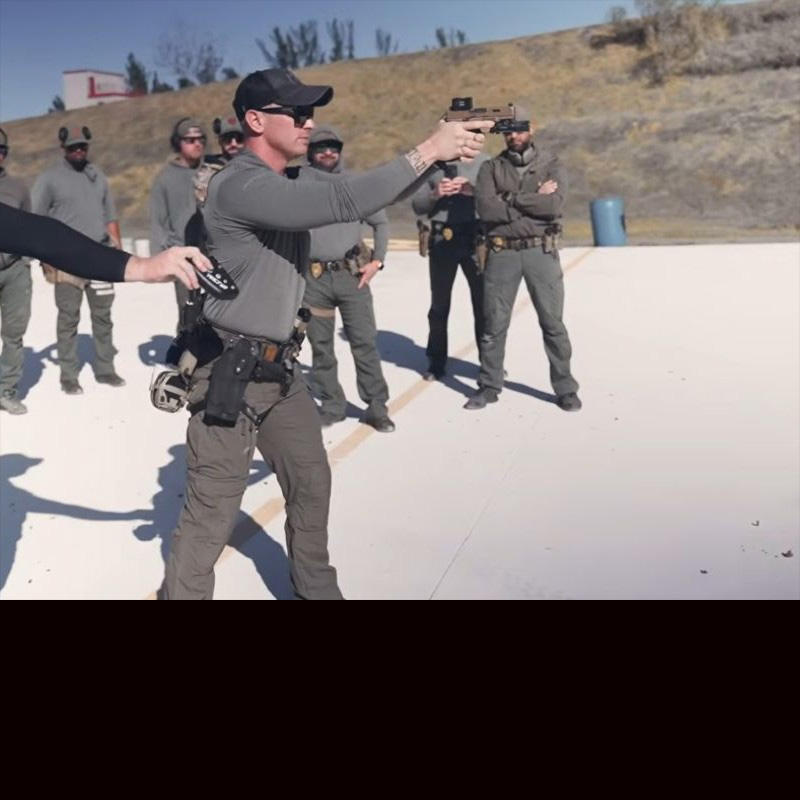
To perform this drill, Crawly suggests dry firing at first. Start with your gun on target, finger off the trigger. On the beep, pull the trigger as fast as you can, or in his words, “slap the trigger.” When you hear the click, pay attention to what your sights did. Did the gun jerk downwards or off to the side?
I like to do this drill at home, using my Mantis X10 training system. This system works with an app that will track the movement of your barrel. If the sights move, you need to look at your grip again.
After this, you can perform the drill with live ammunition, which adds the element of recoil anticipation. Perform the drill the same way, slapping the trigger as fast as you can. To increase your proficiency, don’t pull the trigger slower; work on your grip. Once you can hit the target in the center of the torso, start aiming for a smaller target, like the head. The goal is to improve your shooting with this method, so you shoot even better when you “press it like a gentleman.”
Posture, Anticipation, and Target Focus
During the video, Crawley points out that trigger control issues are often not isolated to the hands alone. The entire body and mind play a significant role in sight disruption.
A common issue is the body pushing into the gun, causing it to dive low. This is due to anticipating the recoil. The body attempts to compensate for the anticipated shock of the shot. This instinctive movement is driven by the eyes. The eyes perceive the sight disruption, and they tell the body to act to correct the sight. But when your posture is bad, your sight recovery will also be affected.
When a person tenses their shoulders as they present the gun, their hands move down, causing the sights to dip as well. Activating this shoulder tension mid-engagement will cause rounds to plummet low on the target.
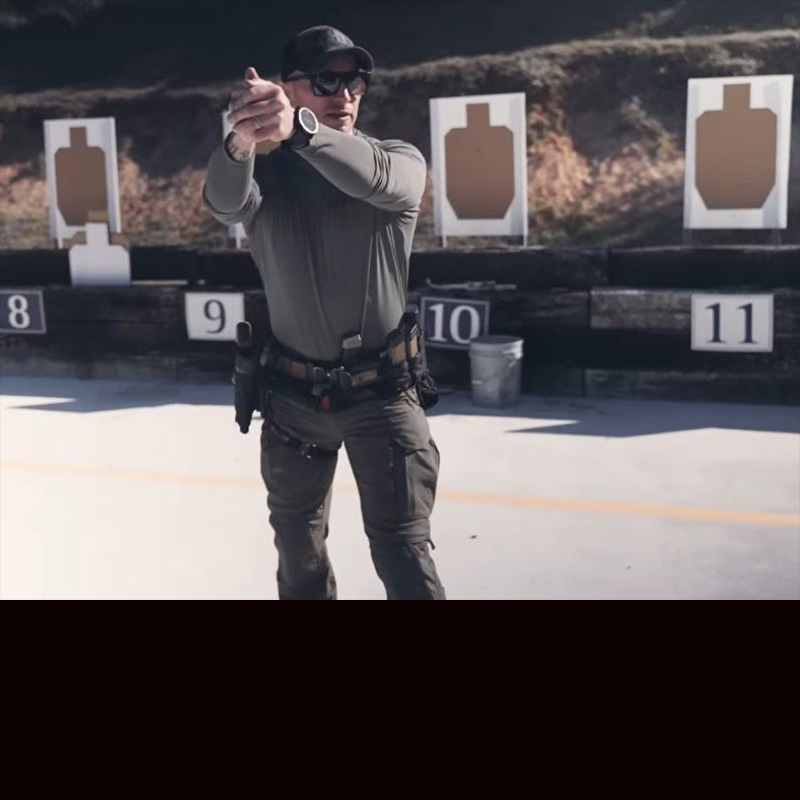
Crawley says the goal is to remain relaxed in the shoulders and body, but “principled and aggressed in posture.” A relaxed shooter is a fast shooter who can press the trigger rapidly without sight disruption. By dropping your shoulders down, you achieve consistency.
Alongside body tension, mental focus is also important. The video stresses the concept of “Target Focus” for practical speed shooting. To practice this, he has the shooters keep their eyes on a spot or a letter in the center mass. He uses the example of reading the letter “A” in the A-zone.
The shooter must not stop reading that letter from the start to the finish of the trigger press. This intense fixation on the target helps mute the body’s impulse to anticipate and tense up. It also helps keep you from chasing the dot on your optic as you fire.
Practical Application and Upping the Standard
There are a lot of drills out there to help with trigger control, grip, stance, and other needed skills. But for me, this one is among the most helpful.
In the past, I have talked a lot about the 50-meter pistol drill. In this drill, you are shooting at a longer distance (for a handgun) to help improve your skills at closer distances. This is the same concept, practicing at extreme levels instead of controlled, calm levels.
How many times have we all stood on the range and plinked away, checking for our shot placement each time we pull the trigger? But how often do we practice for something more realistic? Slapping the trigger may sound counterintuitive, but how will you pull the trigger in a life-or-death situation?
Practice should be all about pushing yourself beyond what you’re “good” at so you can become better than before.