Gun ownership is a massive responsibility. If you own a firearm for self-defense, you have to balance security and safety. This affects storage, ease of access, concealed carry, and more.
Our goal is help you find this balance during concealed carry, home defense, and safe storage. We want to be ready, but ready doesn’t mean unsecured. We want what’s as close as possible to a zero-fail environment that helps the gun be carried or stored safely, and to ensure the gun remains inaccessible to any unauthorized users.
An unauthorized user can be a child, a guest, the cable guy—anyone you don’t trust to handle a firearm is an unauthorized user. Our goal is to provide authorized users with easy access and prevent access by unauthorized users.
When it comes to home storage, no two situations are the same. If you live alone, you have different priorities and concerns than someone with three children under 15. For most people, simply hiding the gun or leaving it on the nightstand isn’t an option.
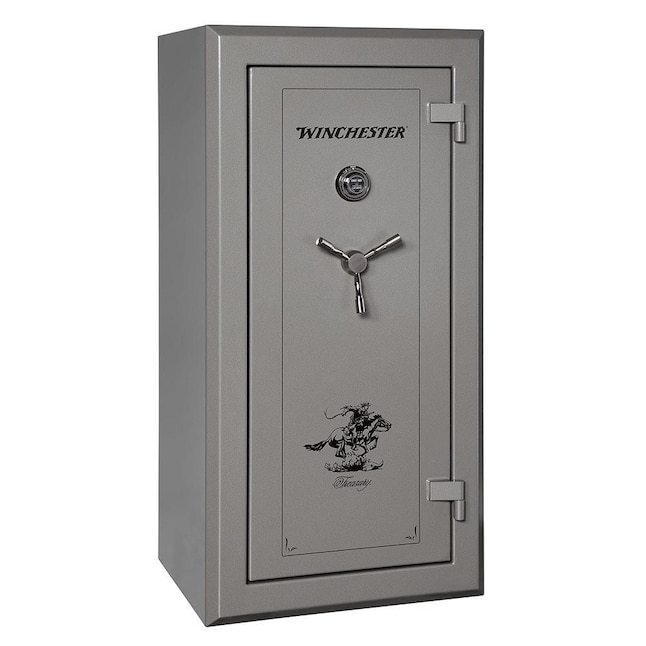
At the same time, a firearm stored in a massive 1,000-pound safe with a combination lock doesn’t make it accessible in an emergency. That large firearm safe is ideal for storing your firearms and is certainly worth investing in if you have a large collection.
For any collector, a mechanical safe that’s too big to take or is bolted into the foundation becomes an absolute must-have. This is a storage solution.
Staging Your Defensive Firearm
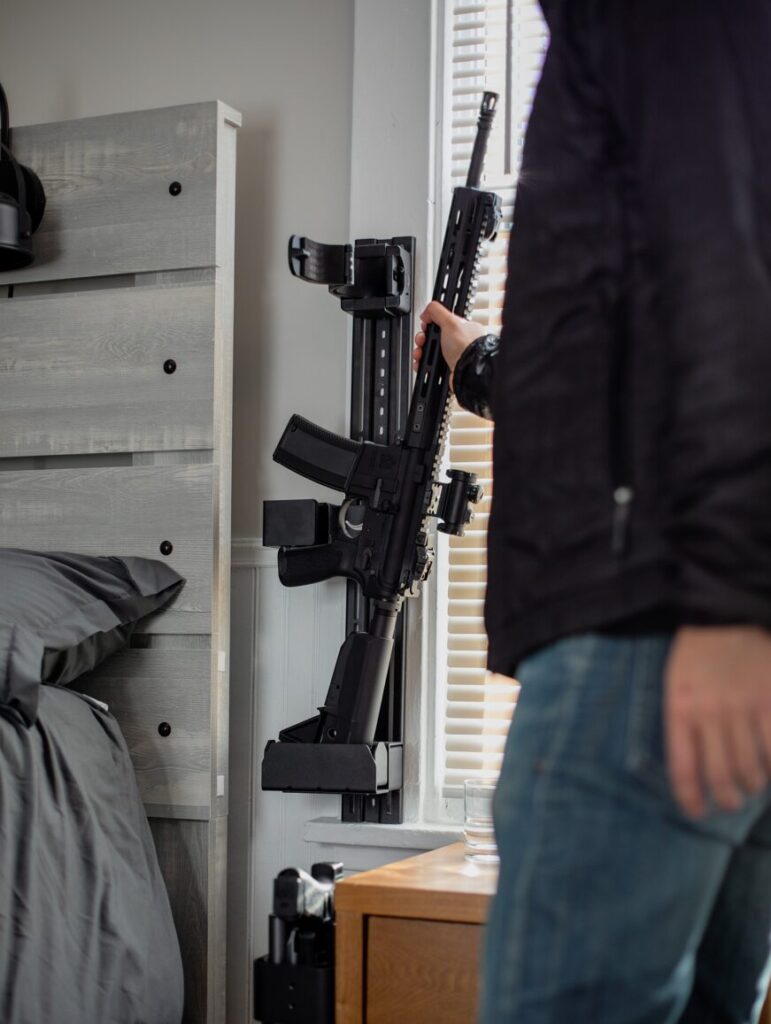
Defensive firearms aren’t stored; they are staged, but staged securely. There are several purpose-built options on the market designed for rapid access. They are typically small and shouldn’t be used for long-term storage because they can be easily stolen.
Key locks are fine, but can be slow if you have to fumble to find the key, shove it in the slot, and twist. Combinations can be great if they are short digital codes and have great big buttons to hit. I don’t want to be spinning a wheel if someone is kicking my door down.
There are lots of quick opening methods. One I see often is biometric. It reads your fingerprint, and most of the time, these work well.
The door between my stored gun safe and the rest of the house is biometric. The problem is that you need proper finger placement, which can be difficult if your hands are shaking from an adrenaline rush. They can be tricky to work with if they are dusty or your fingers get wet.
To me, they are too picky for use during an emergency.
RFID — My Personal Favorite
My personal favorite is the Hornady Rapid Safe series. These safes come with three methods to open. We have a basic key, a digital combination, or an RFID key. For quick access, an RFID key is tough to beat.
With the Rapid Safe, it can be a bracelet you wear, a sticker on the back of your cell phone, or even a keychain. When you scan the RFID key, the safe springs open, giving you rapid access to your firearm. This is a great option to set on or in your nightstand and to stage your concealed carry weapon while you sleep, shower, etc.
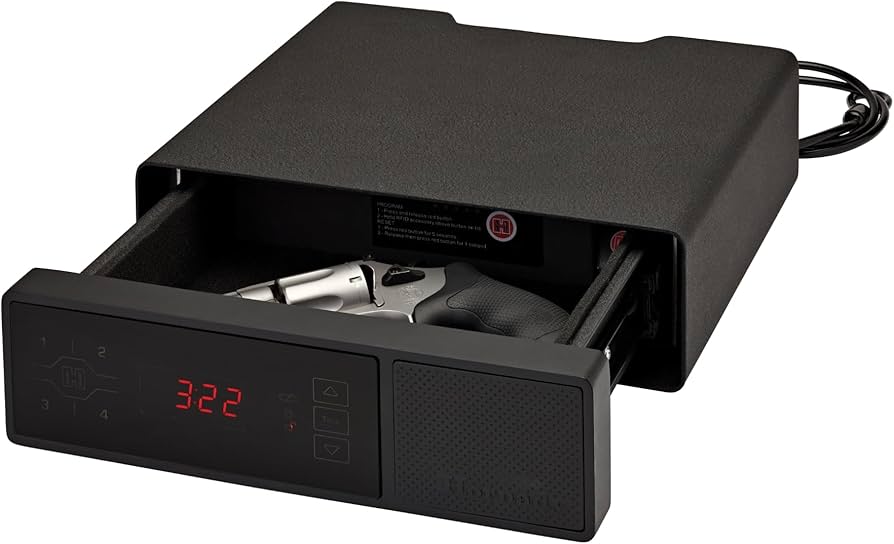
These Rapid Safes come in configurations for various-sized handguns or for an AR or shotgun. They all work the same way, and come in tons of different sizes and configurations. They are plugged in for power and have battery backups in the event of a power disruption.
The most modern variants are even WiFi-enabled and can send you an alert when they are opened. It’s super easy to use and provides another source of security.
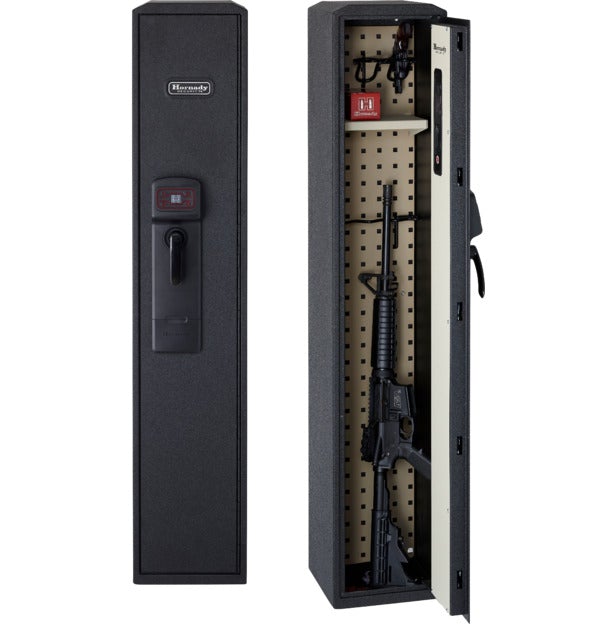
The Rapid Safe is my go-to option for staging a defensive firearm, but there are plenty of other options out there. Research the features, the unlocking methods, and find what fits with your needs and budget.
Safe Carry Methods
Holstering a loaded firearm for the first time can be scary. Feeling intimidated is natural, and I always respect a degree of caution around firearms. To safely carry a firearm, you need a good holster.
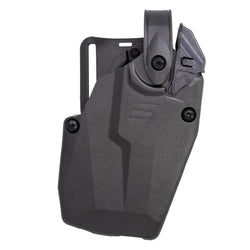
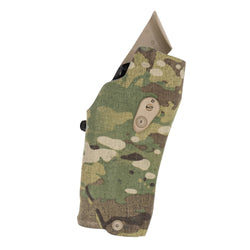
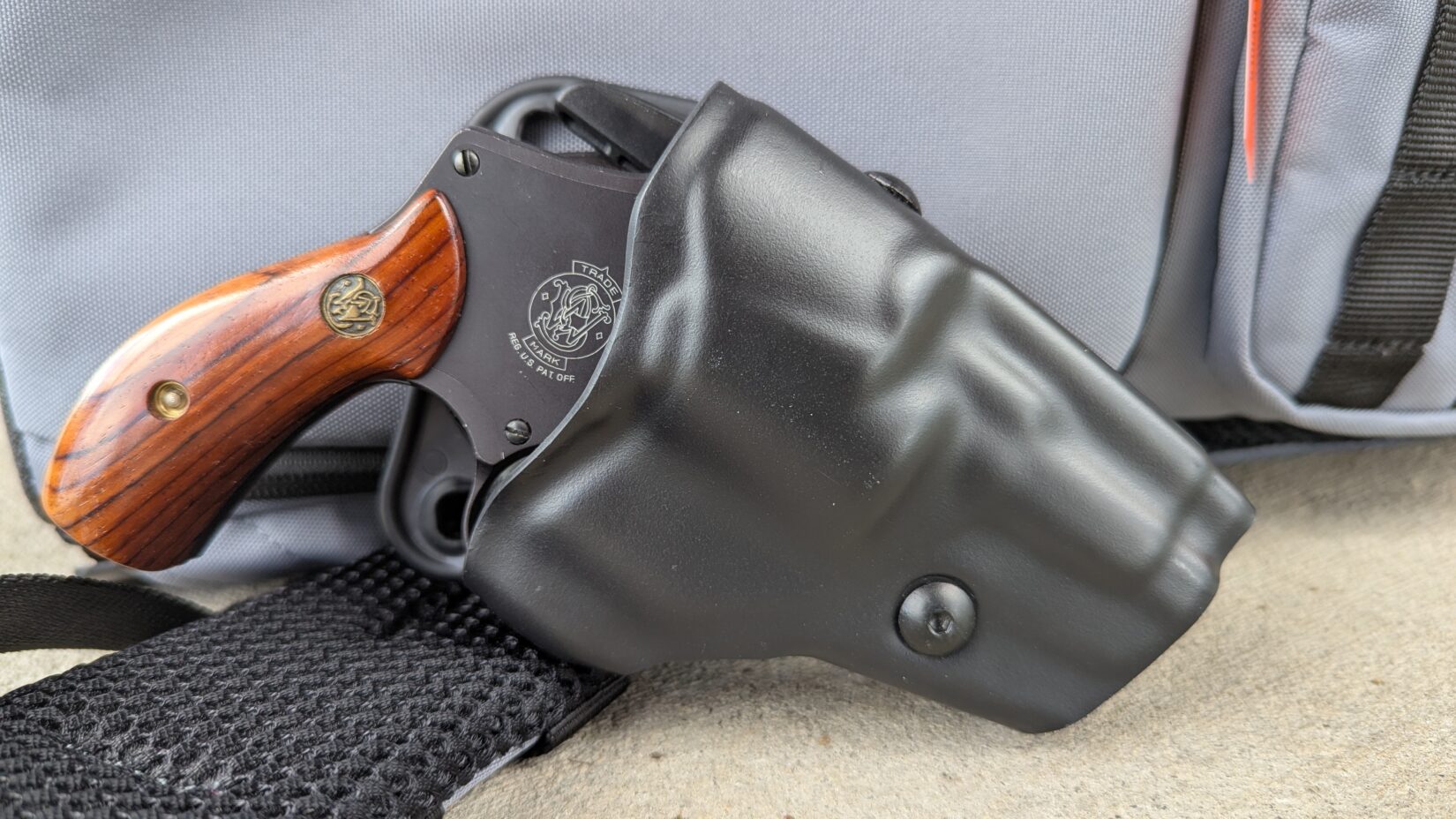
A good holster should be molded to the firearm and made of a non-collapsing material. This improves passive retention and ensures the trigger remains secured. The current crop of polymer-based holsters is the best option.
Stay away from holsters that are floppy and close when the firearm is drawn. The floppy design allows for the holster to ingress into the trigger, firing the gun. These holsters tend to be cheap, and that’s for a reason. They simply aren’t safe for daily carry.
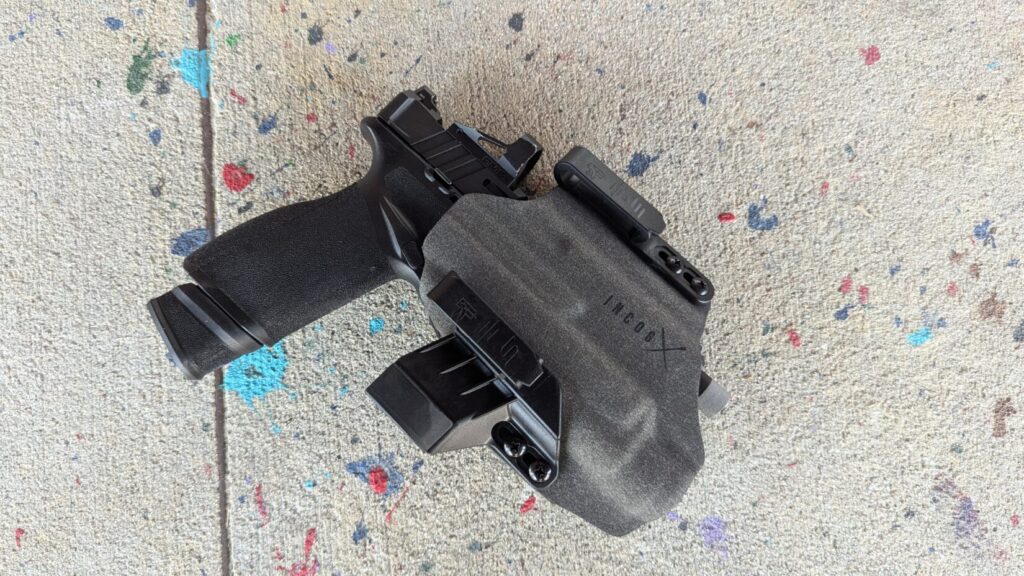
Your holster should fully cover the trigger. Nothing should be able to interact with the trigger while the gun remains holstered. For daily, concealed carry holsters like the Incog X, the Schema, and Species are reliable deep concealment options that are safe and well-made.
These holsters, like most concealed carry options, rely on friction to stay in place. A properly fitted holster ensures the gun remains concealed and in the holster. This is why a properly molded holster is so important.
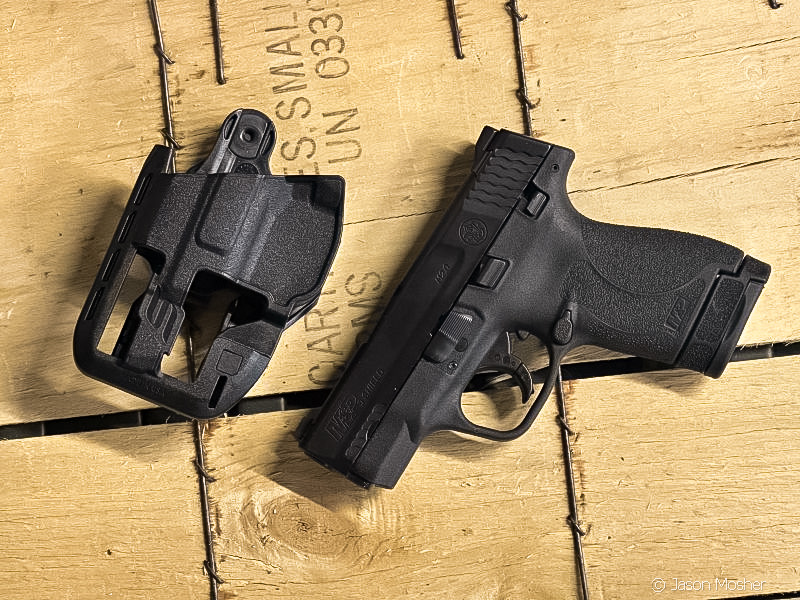
If you want a security mechanism that must be manually defeated to draw the firearm, check out the ALS and GLS series. This type of holster is often an OWB design and requires more effort to conceal.
Home Carry
Home carry refers to continuing to carry the firearm when you arrive home. While it sounds a bit extreme, home carry strikes the perfect balance between security and safety. With the gun on your waist, you maintain perfect control of the gun and have rapid access to it.
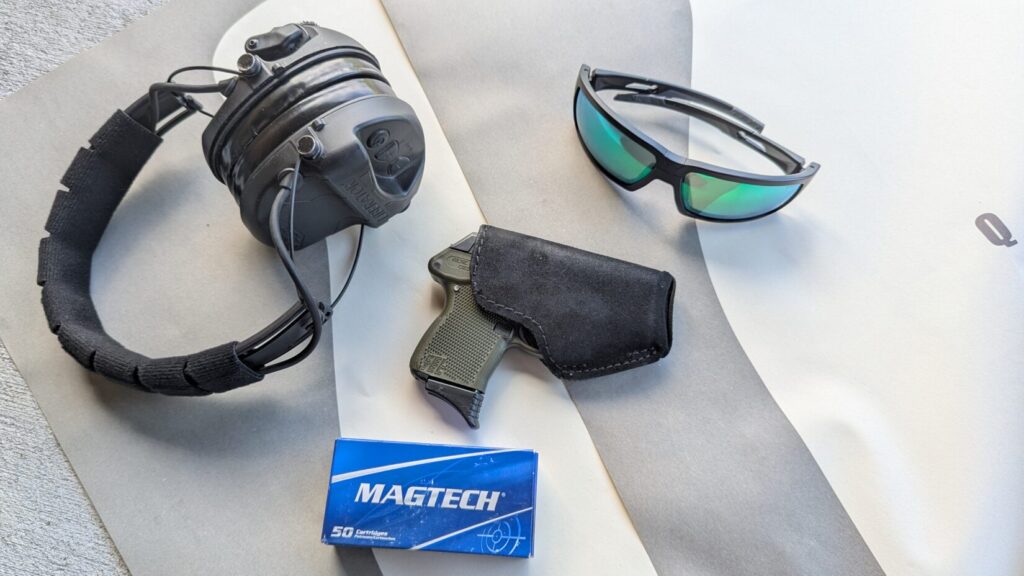
Home carry starts to make a lot of sense if you’re looking for peace of mind. I carry from the time I wake up till the time I go to bed. This gives me security and access, and prevents excessive and unneeded handling of the firearm.
If you become a person who carries all the time, everywhere you legally can, home carry is just an extension of wearing pants.
Beyond Safes and Holsters
Beyond safes and holsters, we have training and education. If you’re a new gun owner, attend an NRA First Steps or Basic Pistol class. Not only will you learn a pile of information, but you’ll also be able to ask questions to an experienced instructor.
Additionally, be willing to teach your family or take them to an event for families, like an Appleseed event. Don’t make the gun a forbidden topic.
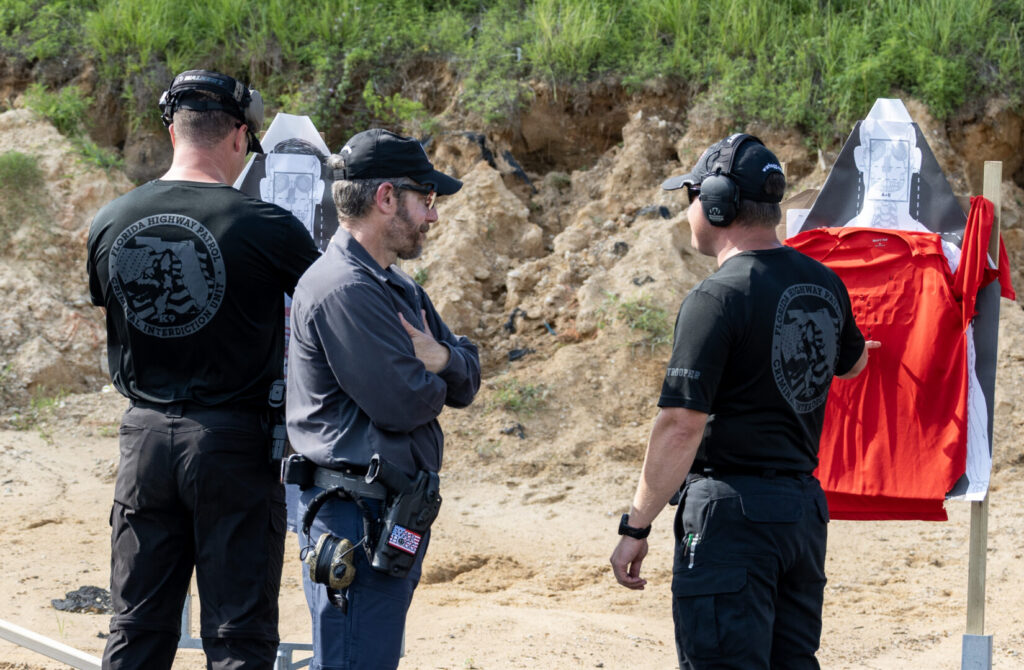
Allow questions and discussions. Teach your children that they are never to handle a firearm without your permission and supervision. The Stop, Don’t Touch, Alert an Adult lessons from the NRA’s Eddie Eagle program are the gold standard, and the videos are easy to find online.
The Balance
Firearms require responsibility. Safety should be the number one priority whenever it comes to firearms. Balancing that safety with access can feel like a challenge, but it’s not one you can’t overcome.